Plywood for concrete formwork is not just for formwork
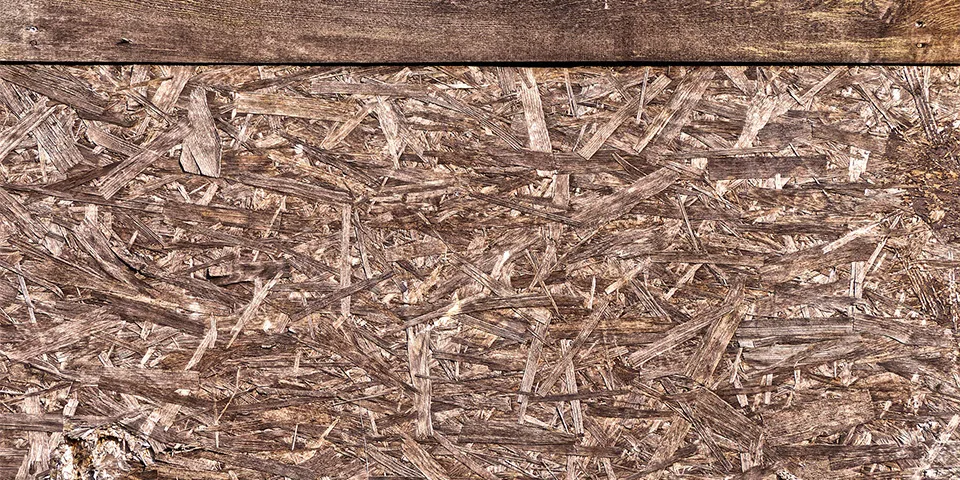
Plywood for concrete formwork is a strong sheet material manufactured in two variants. The sheets have an epoxy resin top layer, making them impact-resistant, scratch-resistant and waterproof.
Plywood for concrete formwork is a sheet material specially developed for use in formwork during concrete pouring. Its strength and the fact that the top layer prevents concrete from adhering to it make it ideal for formwork. Thanks to its excellent properties, it is also used for many other purposes, including furniture, worktops and kitchen worktops, as well as outdoor animal shelters.
Properties
Plywood for concrete formwork is very strong, available in various thicknesses and suitable for indoor and outdoor use. Available thicknesses are 9, 12, 15 and 18mm. The top layer is completely waterproof. For outdoor use, it is advisable to seal the edges properly to make them waterproof. Choosing a UV-resistant coating will prevent discolouration.
Based on plywood or particleboard
There are two types of plywood for concrete formwork: one based on plywood and one based on particleboard. The sheets have different properties. The plywood-based variant is the most durable. It consists of several veneer layers bonded together, with an epoxy top layer on both sides. Plywood sheets for concrete formwork are available in various wood species, which differ in quality. Birch sheets, for example, are much stronger and more durable than sheets made from poplar or hardwood. Particleboard-based sheets are mainly suitable for furniture-making because of their scratch-resistant top layer. They are less strong and durable than the plywood-based variant. The price of plywood for concrete formwork varies considerably, from €11 per square metre for poplar to €19 per square metre for birch. The price difference reflects the quality.
The name plywood for concrete formwork refers to its use in concrete formwork. However, this sheet material can be used for much more. It is a high-quality, strong and durable material with a wide range of applications. It is widely used on construction sites, but has also proved useful indoors for making furniture.
Question about this story? Ask your question
Keep following this
Get an email when a new story is published. No account needed.
- SubjectFaçade cladding