Aluminium sector sharpens its sustainability story
Text and images FAC - ALUCB
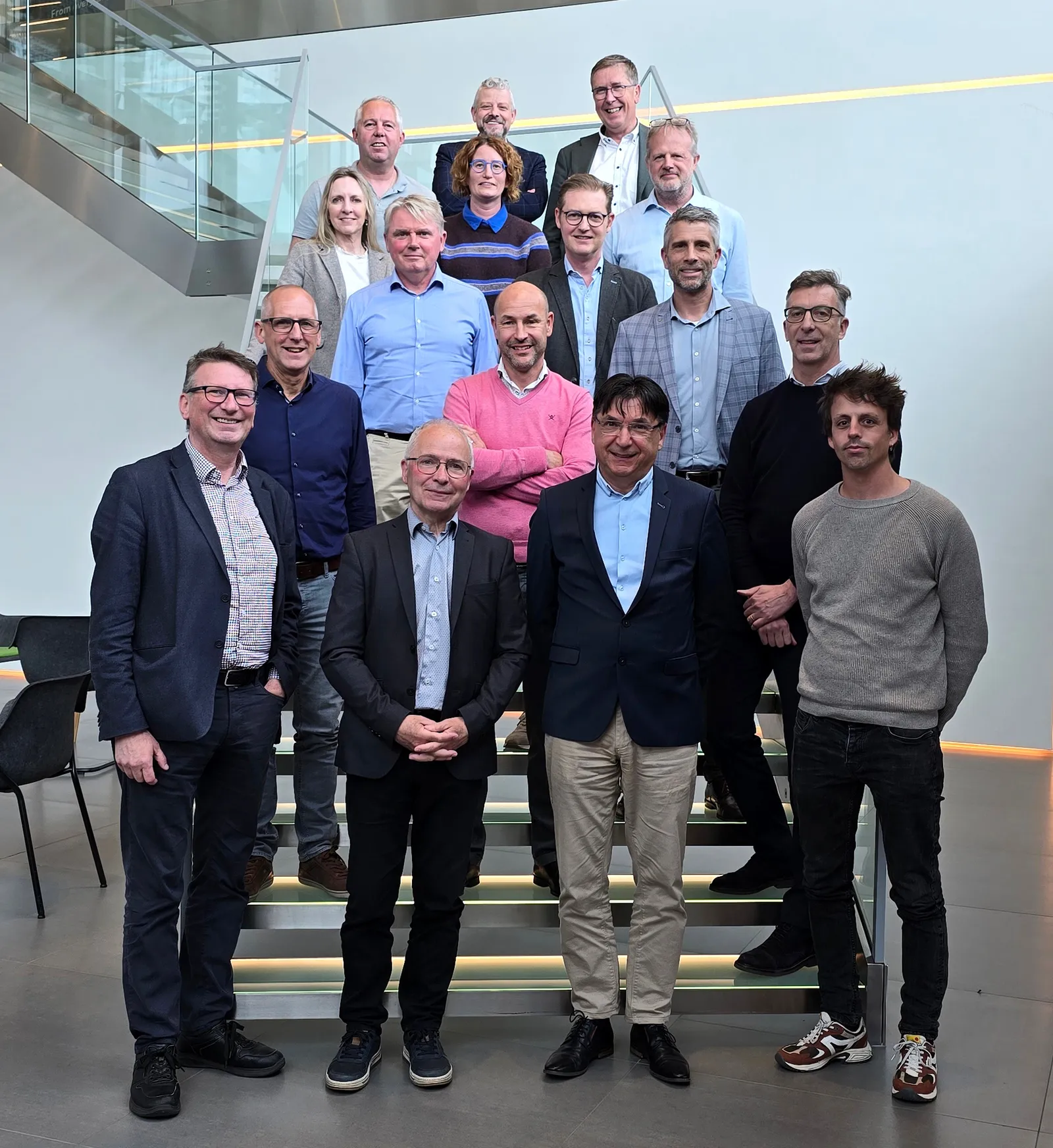
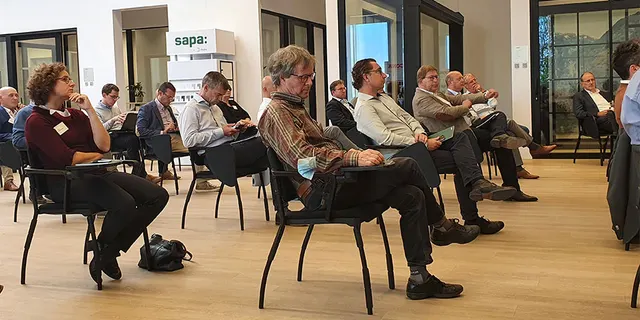
The Federatie Aluminium Constructeurs (FAC Belgium) and Aluminium Center Belgium (ALUCB) set up a joint working group earlier this year with system suppliers Aliplast, AluK, Hydro Building Systems, Reynaers Aluminium, Schüco and Sprangers, and extrusion and recycling partners E-MAX and Hydro Extrusions Benelux. Their aim is to speak with one voice about aluminium’s sustainability as a building material, in a debate that is often fragmented and not always clear-cut.
The reason for the initiative is clear. Aluminium is increasingly assessed on the basis of CO2 emissions, recycled content and environmental scores, but the sector has found that different calculation methods, certificates and national systems cause confusion. Companies encounter differing interpretations of EPDs, LCA methods and building sustainability tools such as TOTEM in Belgium and the Nationale Milieudatabase in the Netherlands.
The working group therefore first and foremost wants to establish a shared, credible narrative. “We must avoid every player adopting sustainability definitions that differ too widely,” says Joris Verschueren, chair of FAC. At the same time, the companies stress that transparency is essential. Greenwashing has no place in communications about aluminium.
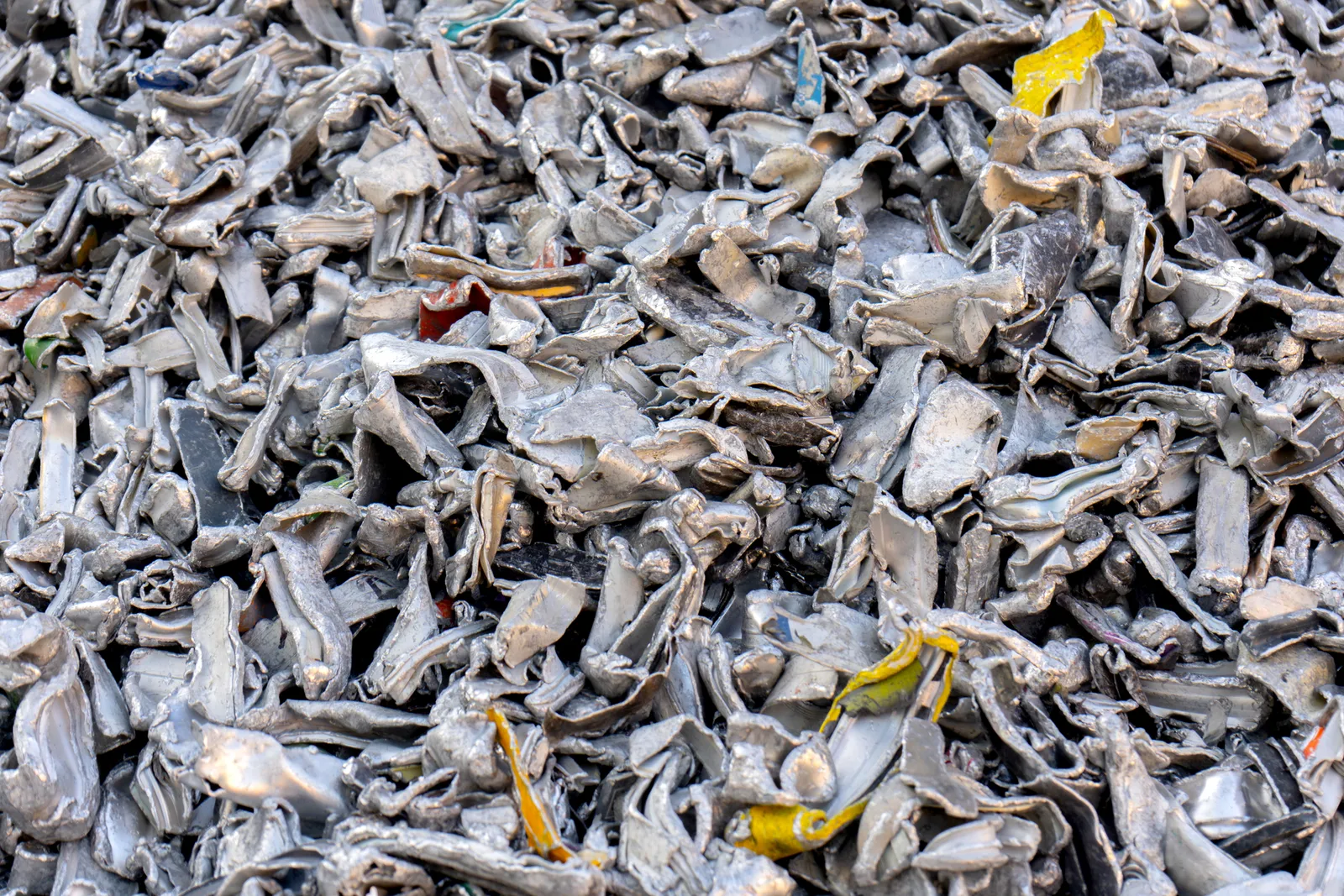
A second major challenge is recycling. Aluminium has long been regarded as a highly circular material, but the sector notes that the availability of high-quality post-consumer scrap is becoming a bottleneck. Recycled aluminium can currently meet only part of rising demand. Several companies have already launched their own closed-loop systems, returning production waste and demolition material to the supply chain. It is essential to keep both the scrap and its processing in Europe.
The sector is also concerned that aluminium is still too often compared with timber, PVC or steel solely on the basis of CO2 figures. The working group says sustainability must be assessed more broadly than just the initial climate impact. Circularity, service life, maintenance, disassembly and recycling potential must also be included in the evaluation. “Avoid tunnel vision” is a message that comes up repeatedly.
Regulation is also playing an increasingly important role. From 2028, larger new-build projects will be required to submit a full LCA footprint, with the requirement extended further from 2030. The sector therefore wants to contribute proactively to practical assessment methods. The transparency of the TOTEM LCA tool and the conditions for using specific data when preparing EPDs are among the issues currently under consideration.
The working group sees its role as extending beyond technical alignment. It aims to be a knowledge platform providing policymakers, architects, clients and specifiers with accurate information about aluminium and its potential to help deliver sustainable buildings. This means looking not only at the production of new profiles, but also at the material’s entire life cycle, from design and use through to recycling and reuse. “We aim to have a joint position paper ready as soon as possible,” says Bert Geerinckx, chair of ALUCB.
With this initiative, FAC and ALUCB want to show that sustainability is not a competitive buzzword but a shared responsibility. They are consciously choosing openness, collaboration and an objectively substantiated narrative, and are counting on constructive dialogue with policymakers and the construction sector.
Een zakelijke vraag aan Federatie Aluminium Constructeurs (FAC)? Get in touch
Companies in this story
Keep following this
Get an email when a new story is published. No account needed.
- ThemeCircular facades with lower environmental impact
- SubjectFAC
- CompanyFederatie Aluminium Constructeurs (FAC)
- CompanyAliplast
- CompanyReynaers