Safe façade renovation: asbestos survey first. Environmental legislation for façade construction
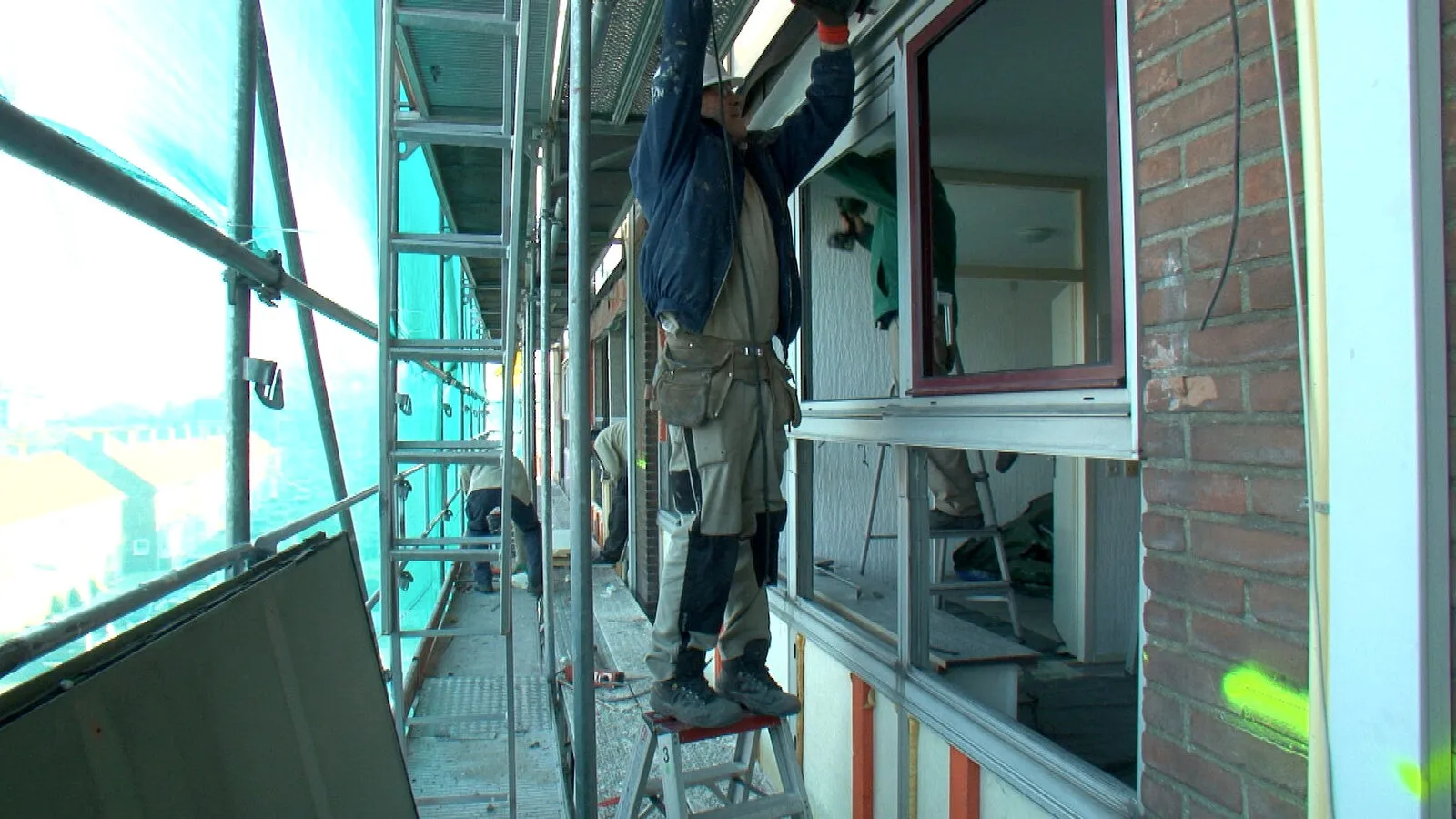
Buildings constructed before 1994 may contain asbestos-containing materials. For the façade sector, it is important to know that asbestos may be present in sealants used in the past around window frames, façade panels and glazing. Asbestos fibres are extremely harmful to health. That is why an asbestos survey has been a legal requirement since 2006 before renovation or demolition work, and is essential to carrying out the project safely.
Asbestos is a collective term for naturally occurring minerals made up of microscopic fibres. The material was widely used until the early 1990s because of its favourable properties. It is strong, wear-resistant, heat-resistant and relatively inexpensive. As a result, asbestos was incorporated into products including boards, insulation materials, gaskets, coatings and sealants. The danger arises when asbestos fibres are released and inhaled. These fibres can penetrate deep into the lungs and cause serious health problems over time. This is why the use of asbestos has been banned in the Netherlands since 1994, and strict rules apply to work where asbestos may be present.
Asbestos in sealants
Many façade renovations are carried out on buildings constructed before the asbestos ban came into force. Although façade contractors often think first of façade panels or insulation materials when it comes to asbestos, they often overlook the fact that sealant joints may also contain asbestos.
Black glazing sealants, sealing compounds and certain joint sealants used before 1994 may contain asbestos. This is usually not visible from the outside. A sealant may look entirely normal, even though laboratory testing reveals the presence of asbestos.
As façade renovations often involve removing window frames, glass, panels or seals, there is a risk of asbestos fibres being released during the work. It is therefore not safe to rely on assumptions or experience from previous projects. Only testing can provide a definitive answer.
Asbestos survey
Before demolition or renovation work on a building constructed before 1994, it must be established whether asbestos is present. This has been a requirement since 2006. The survey must be carried out by a certified asbestos survey company. The findings are recorded in an asbestos survey report, which states whether asbestos was found, where it is located and what measures are required before work can begin.
Responsibility for commissioning an asbestos survey initially rests with the client or building owner. However, because façade contractors are responsible for the employees involved, they too must not begin renovation work until an asbestos survey report is available.
If a façade contractor starts renovation work without an asbestos survey report, they risk being fined very heavily if inspected.
It is therefore important for façade contractors to request this report in good time and include it in project preparation. This brings risks to light at an early stage and helps prevent health risks to employees, unexpected delays during the work and heavy fines.
Asbestos removal
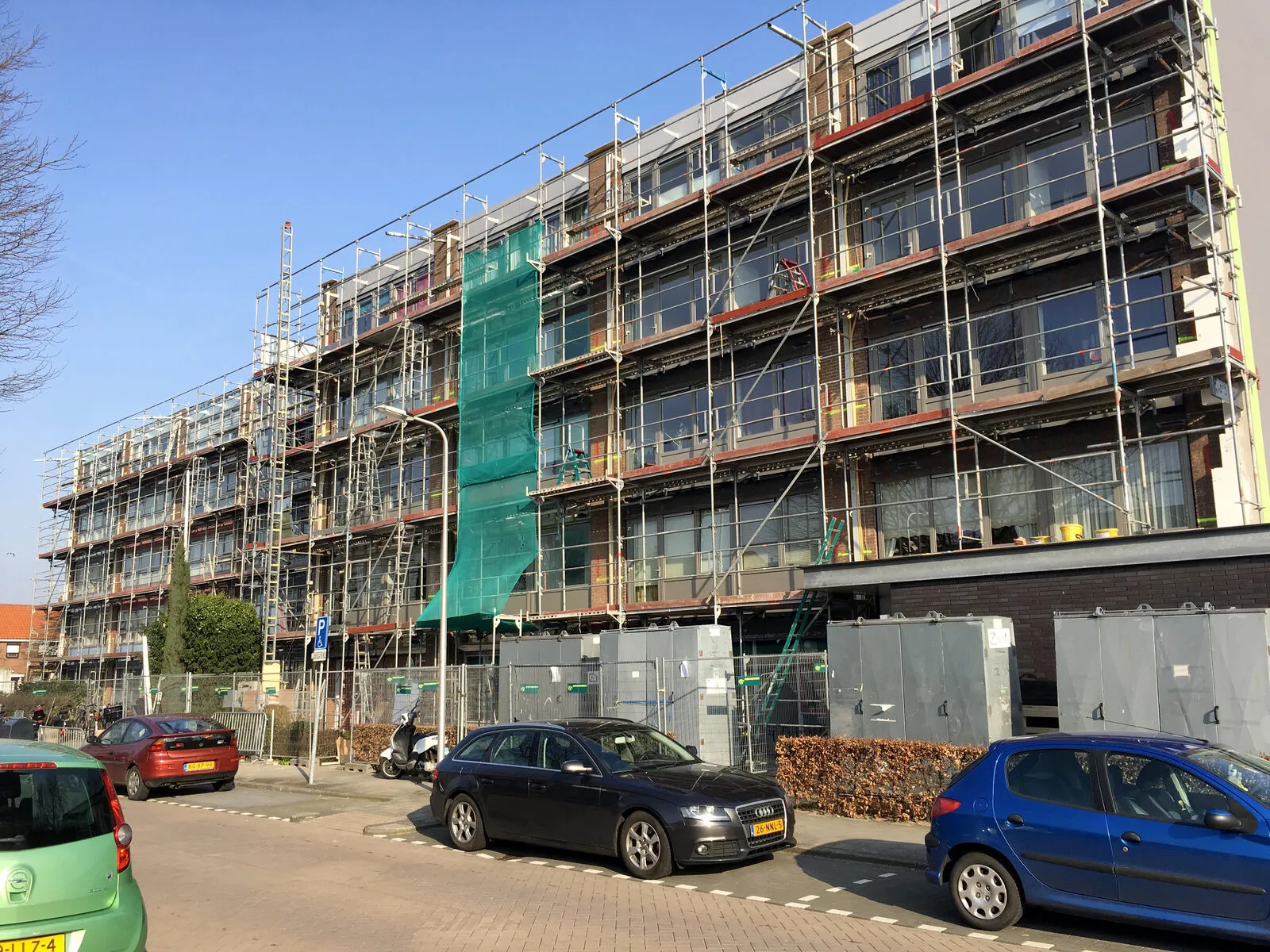
If asbestos is found during the survey, renovation or demolition work that could disturb the material must not begin straight away. The asbestos must first be removed safely by a certified asbestos removal company. These companies follow strict safety procedures to prevent asbestos fibres from being released into the surrounding area. Once removal is complete, an inspection is carried out to confirm that the work has been done correctly and that the area in question can be safely cleared for use. Only then can the remaining façade work resume.
If no asbestos is found during the survey, the planned work can proceed in accordance with normal procedures. That does not mean, however, that the survey was unnecessary in retrospect. The investigation gives clients, façade contractors and inspectors the assurance that work can be carried out safely and that legal requirements have been met. A timely survey also prevents disputes during inspections and reduces the likelihood of unexpected delays during the work. An asbestos survey is therefore not only a safety measure, but also an important part of predictable project planning.
A safe renovation process
Experience shows that asbestos surveys are sometimes still viewed as an administrative requirement. In reality, they are an essential part of a safe renovation process. Failing to carry out a mandatory survey puts residents, building users and workers at risk. It can also lead to work being halted, project delays and substantial fines.
The message for the façade sector is simple: when renovating buildings constructed before 1994, an asbestos check should be a standard part of the preparation. In particular, where existing sealant joints, glazing, window frames or façade components are to be removed, the presence of asbestos must not be ruled out without testing.
A good façade renovation does not begin with dismantling, but with knowing what is there. Only then can work be carried out safely and responsibly, without unnecessary surprises.
Question about this story? Ask your question
Keep following this
Get an email when a new story is published. No account needed.
- ThemeGlass for light and comfort
- SubjectVMRG