From façade model to production
Text Roel van GilsImage ISD Benelux
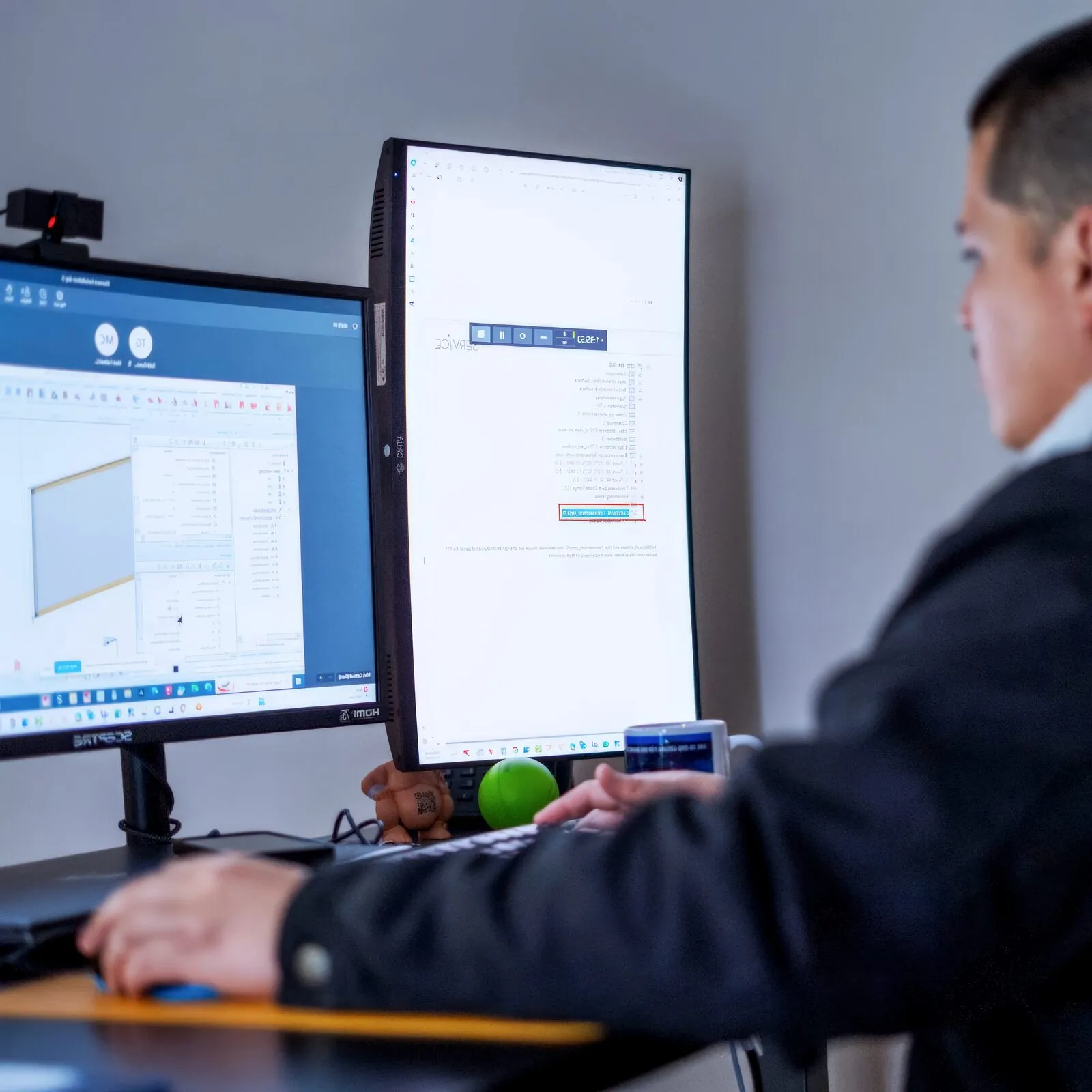
From 3D model to production floor, without unnecessary steps. HiCAD is changing the way façade builders design, detail and manufacture. The question is not just what is possible digitally, but where automation can save time and prevent errors in day-to-day practice.
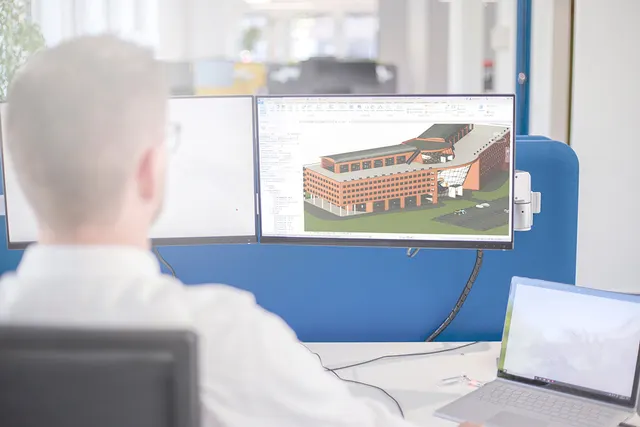
Façade builders are increasingly working as full BIM partners. Architects, contractors and structural engineers provide different types of information, while the façade company has to translate that input into a design that can be manufactured and installed. This calls for a digital process in which information does not have to be entered again and again. According to Yuri Hanff of ISD Benelux, this is a significant opportunity for automation. “HiCAD provides a single central environment for modelling, detailing and production preparation. The 3D model is the source of truth, so changes do not have to be made separately on multiple drawings. IFC models can also be imported and enriched with further information.”
From clicking to connecting
Automation is not just about major production steps, however. “Small tasks in particular can take up a lot of time in day-to-day practice,” Hanff points out. “If you have to click something four times and can reduce that to twice, the savings add up over the course of a year.” Connections between systems also play an important role. “For windows, doors and frames, HiCAD has a bidirectional link to LogiKal. For roof and wall cladding, sandwich panels, trapezoidal profiles and corrugated sheets can be distributed automatically across a façade using the Profile Installation module. For façade cladding, the Element Installation module can place a wide range of panels based on a grid and connect them to the substructure.”
From production drawings to bills of materials
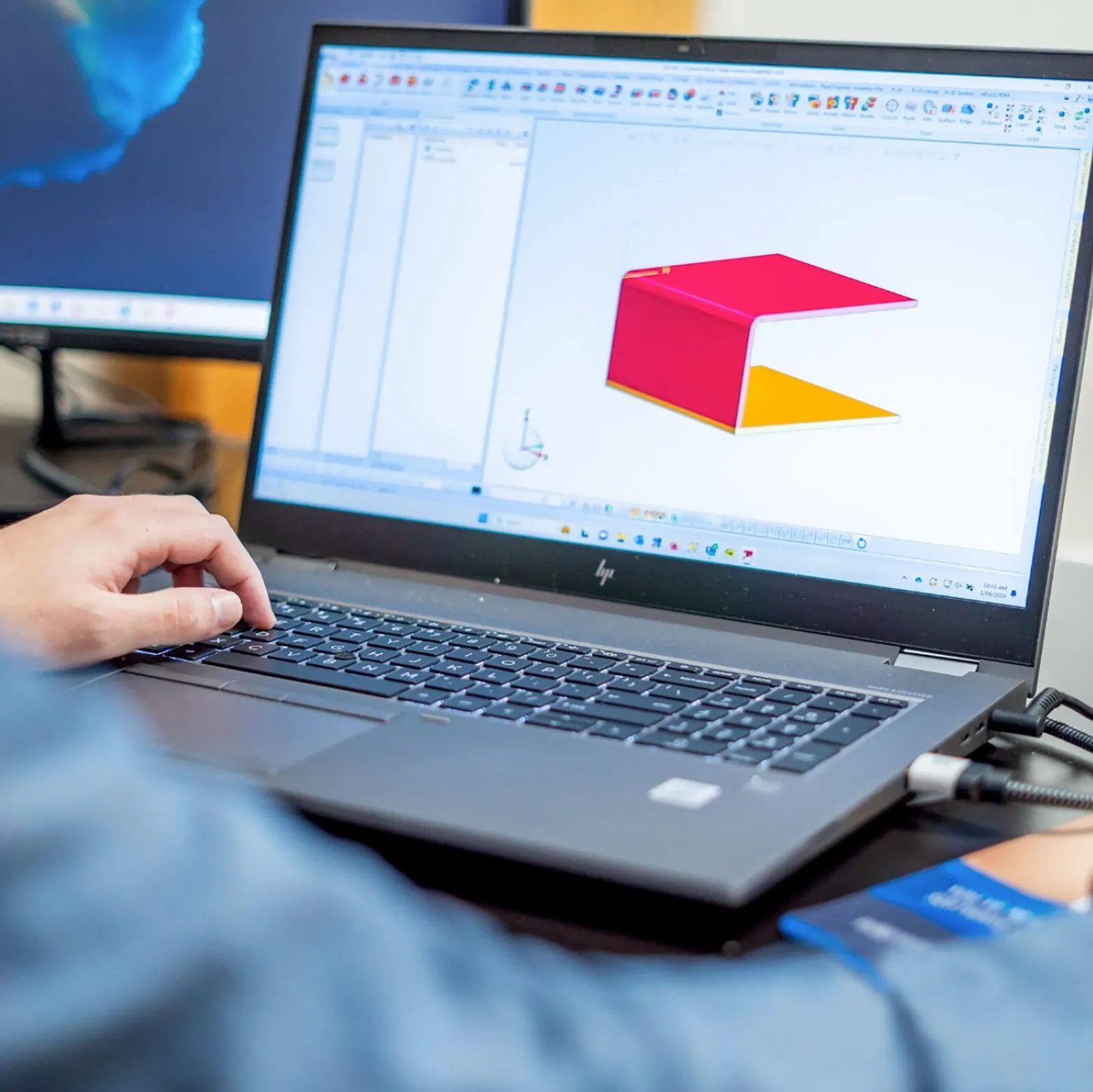
Automation then continues through to production. “The 3D model can be used to generate production drawings, NC files, DXF and DWG files, STEP files and bills of materials, among other outputs,” Hanff says, listing the many possibilities. “Once approved, no further translation is needed before production can start.” BIM information can also be automated further. “For example, attributes from HiCAD can be linked directly to the correct IFC properties via a mapping. Instead of retyping information by hand, it is automatically entered in the right place in the IFC model.”
With HiCAD, automation is therefore shifting from a collection of separate tools to an integrated workflow, Hanff sums up. “The aim is not just to draw faster, but above all to avoid entering the same information multiple times. The benefits ultimately lie in fewer errors, a shorter route to production and greater control over the process.”
Een zakelijke vraag aan ISD Group? Get in touch
Companies in this story

Keep following this
Get an email when a new story is published. No account needed.
- ThemeFrom facade model to production
- SubjectSoftware & automation
- CompanyISD Group