Solar shading for the windows of tomorrow
Text and images Warema
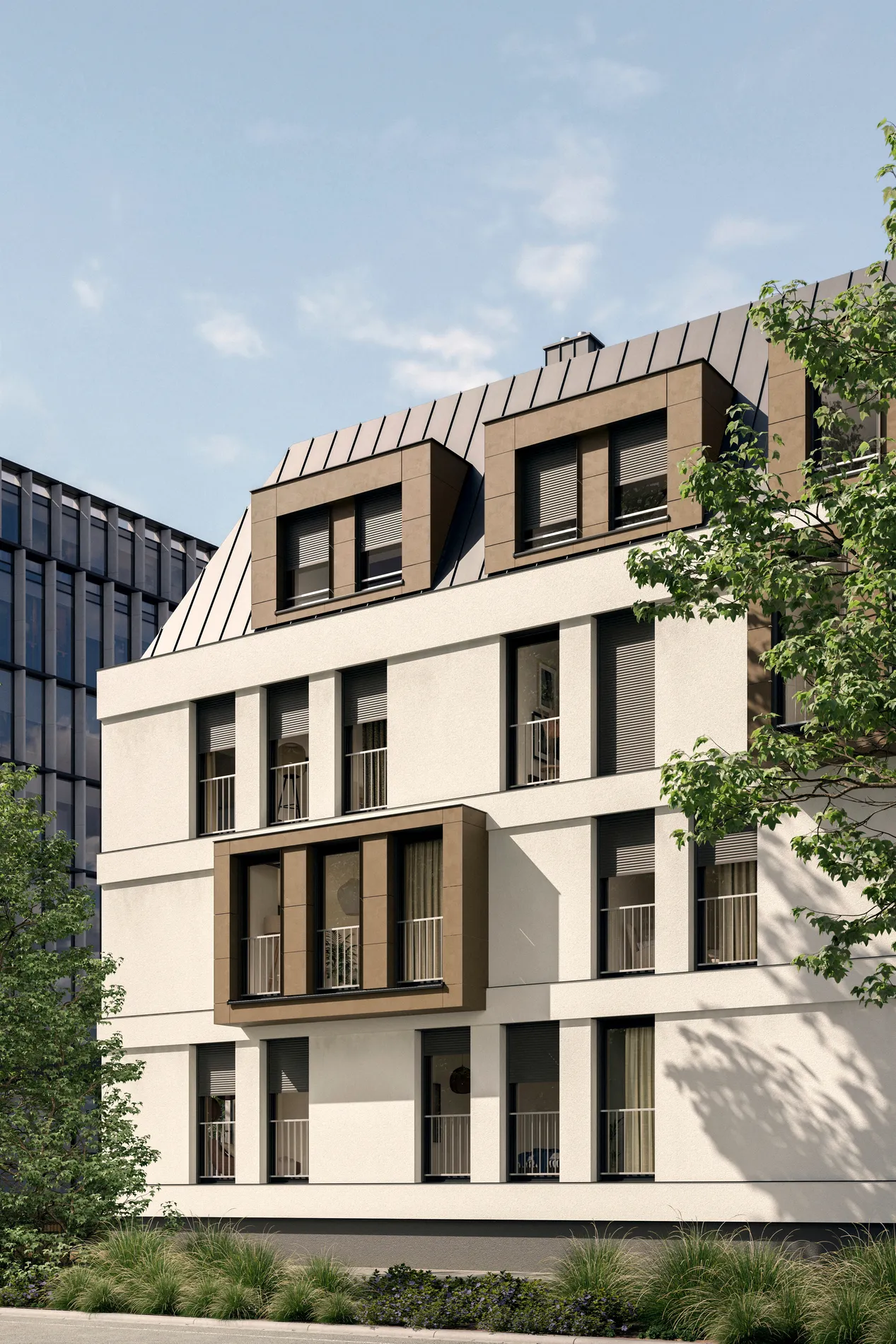
What will matter in future planning and product selection
Climate change is having a profound impact on the demands placed on windows and solar shading. Hotter summers, tropical nights, heavy rainfall and higher wind loads call for new solutions that deliver comfort, energy efficiency and durability. Warema is developing solar shading systems that respond to these developments and help create a building envelope fit for the future.
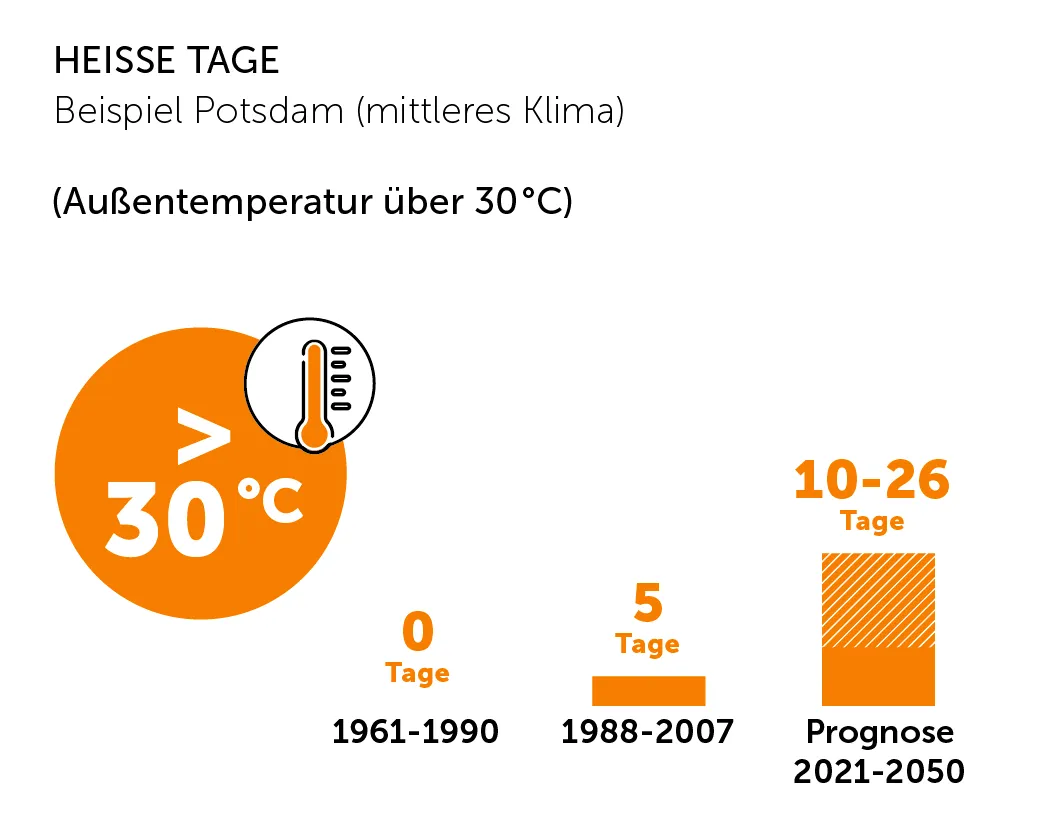
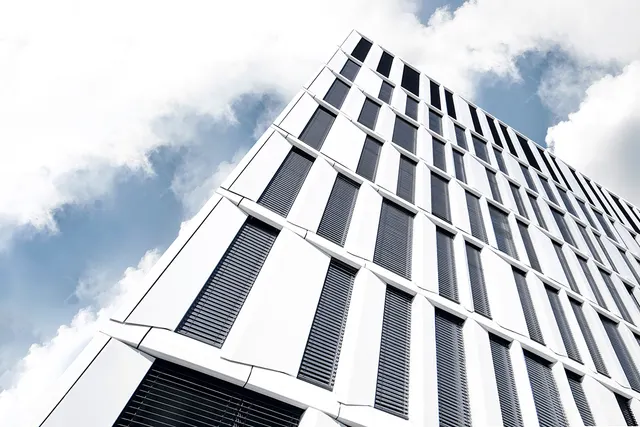
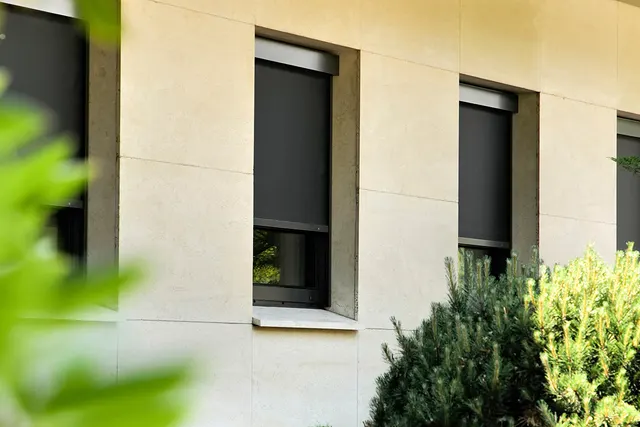
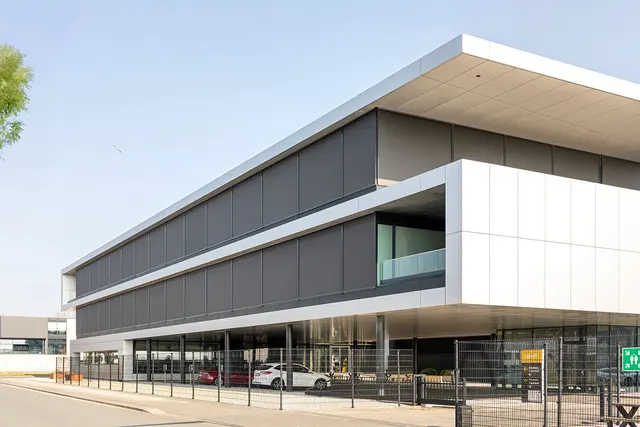
This means that solar shading systems can no longer be assessed solely on their shading performance. Factors such as resistance to wind and driving rain, material durability under heat and UV radiation, integration with the window, automation and straightforward installation, particularly in renovation projects, are becoming increasingly important.
Well-designed external solar shading is one of the most effective measures for preventing overheating. Research by Ingenieurbüro Prof. Dr. Hauser (IBH 4), commissioned by RTG, shows that external solar shading significantly reduces the number of hours when indoor temperatures exceed 26 °C. With conventional operation, this falls from 2,781 to 512 hours per year. Automatic control reduces it further to 212 hours, and in combination with night-time ventilation, to just 39 hours.
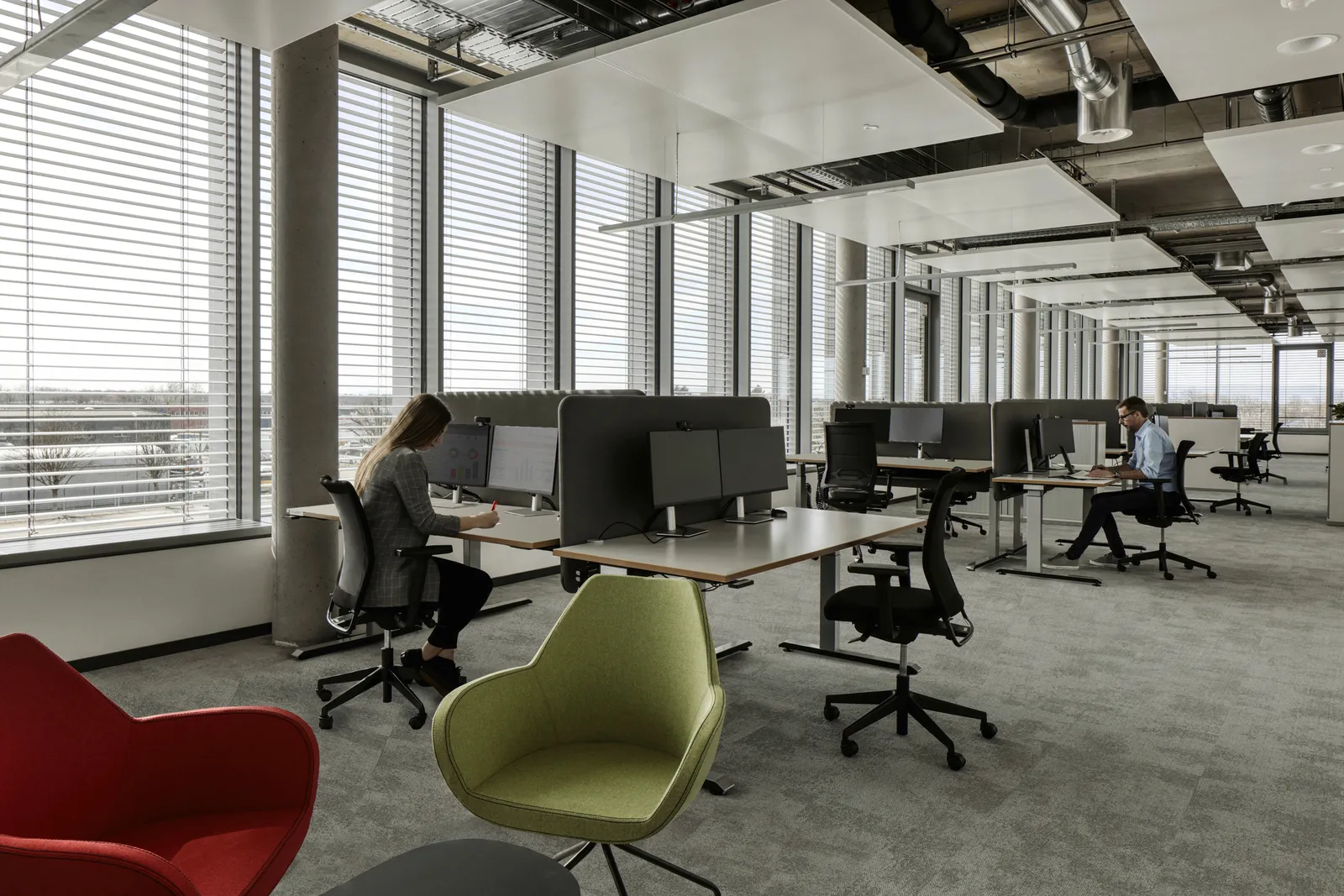
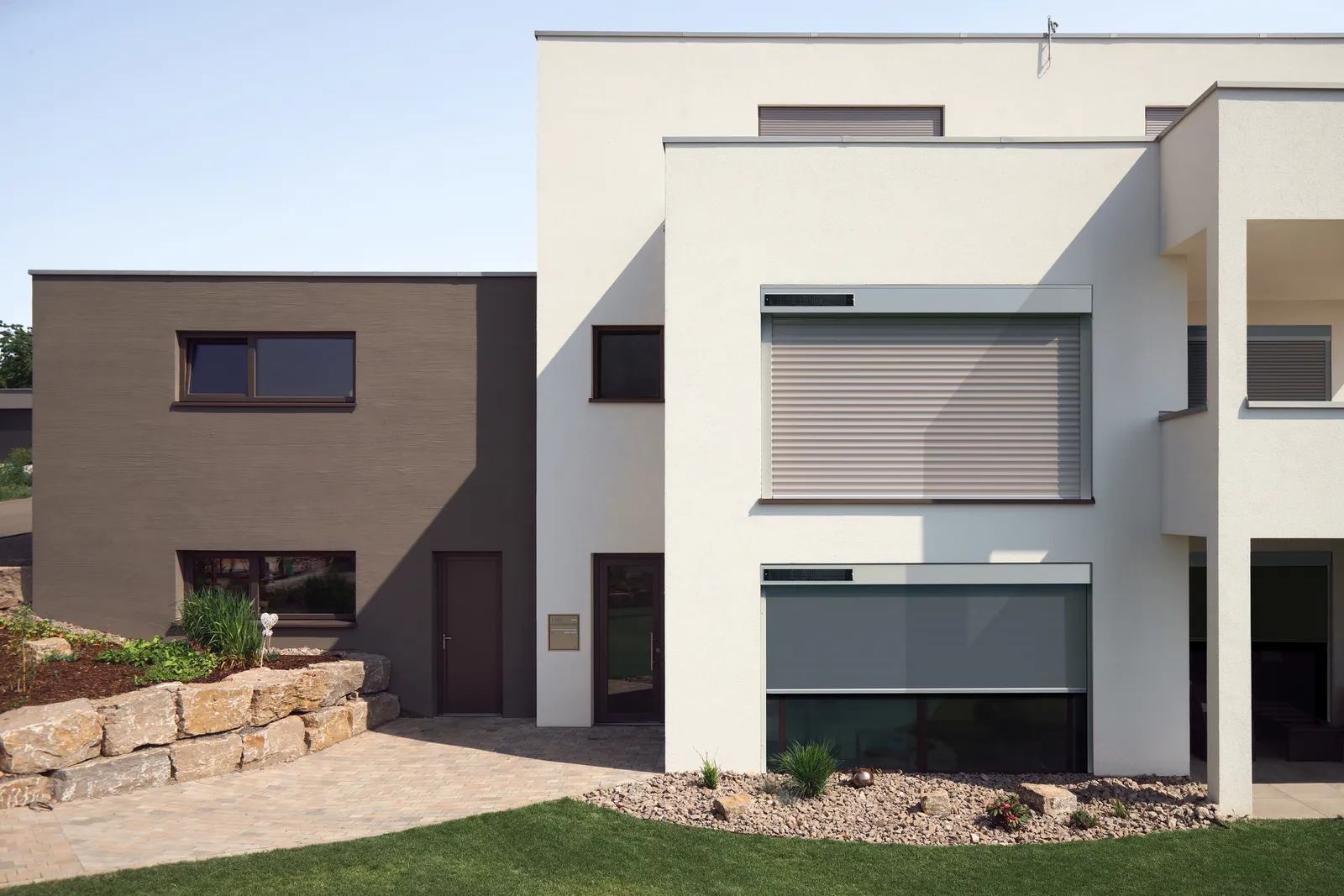
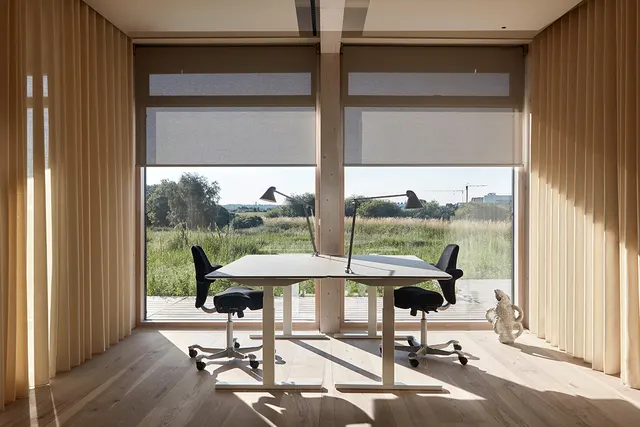
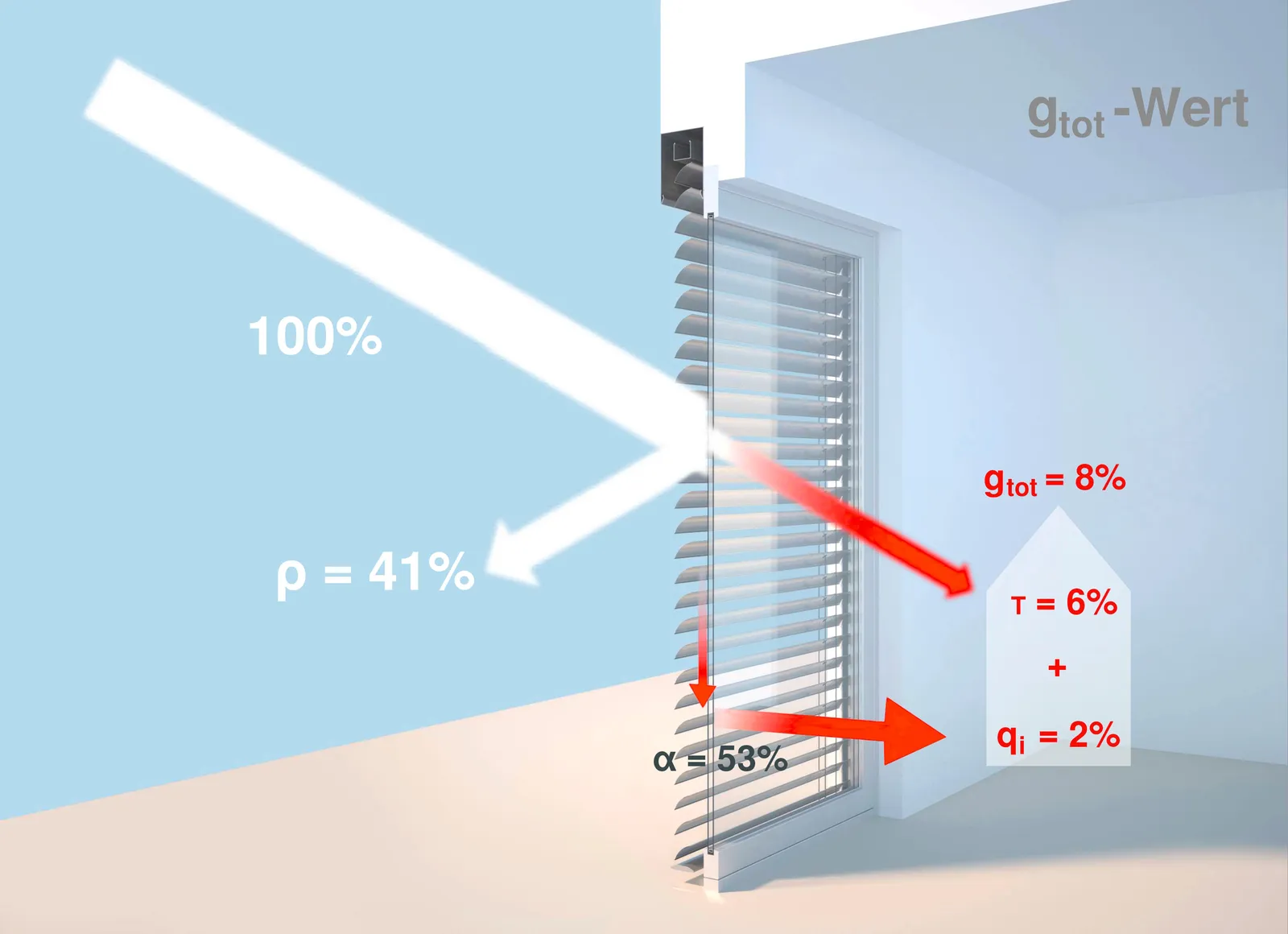
For optimum energy use, the window and solar shading should be treated as a single system. The total energy transmittance (gtot) depends on the combination of glazing and solar shading. This can reduce not only cooling demand in summer, but also heat loss in winter. Closed roller shutters significantly reduce energy loss through existing windows, and still deliver measurable energy savings with modern triple glazing. At the same time, external venetian blinds, screens and roller shutters enhance living comfort by providing an optimal balance of daylight, views, privacy and glare protection.
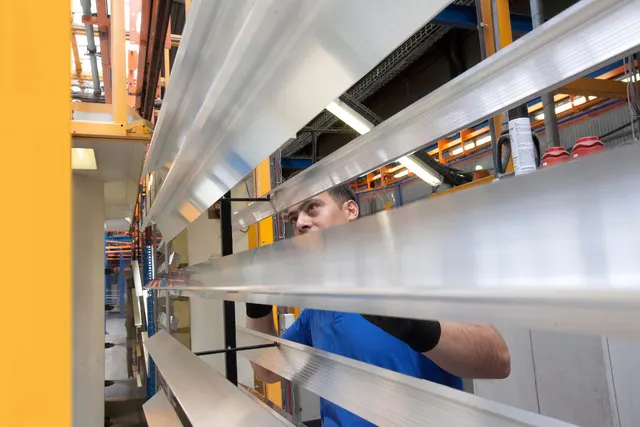
The effects of climate change also call for a different approach to material selection and detailing. Higher temperatures, more intense UV radiation, greater wind loads and heavy rainfall place increased demands on the stability, durability and surface treatment of solar shading systems. Factors such as material expansion and the choice between aluminium and plastic therefore need to be considered at the design stage.
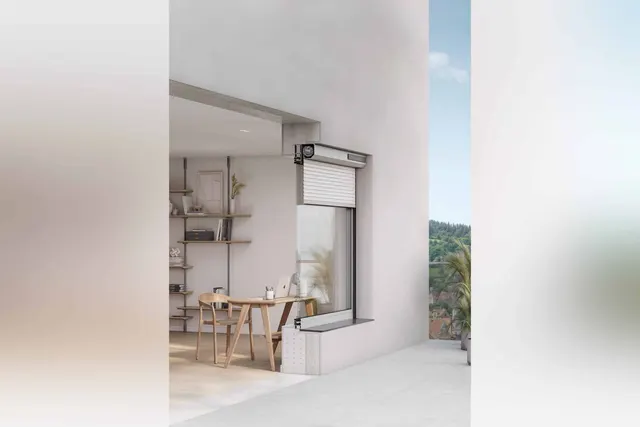
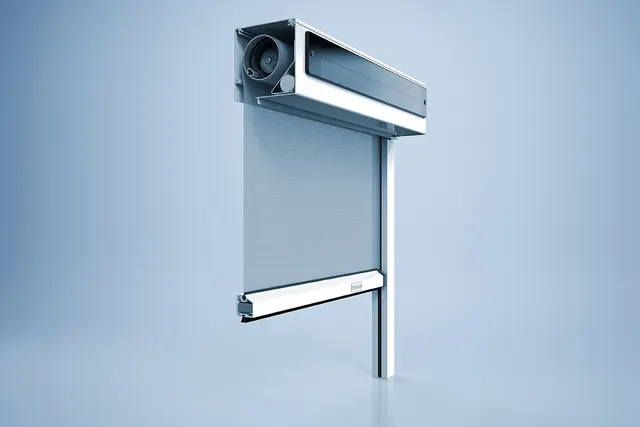
The energy renovation of existing buildings offers particularly significant opportunities. Modernising windows and solar shading as an integral part of the building envelope can better prepare buildings for future climate conditions while supporting climate targets. In practice, this calls for flexible, easy-to-install systems that suit a range of renovation scenarios and reduce installation time. The Warema range includes, among other products, face-fixing systems, shaft solutions, external venetian blinds, roller shutters and screens. Additional modules, such as SecuKit for manual emergency operation and SolarKit with an integrated solar power supply, enhance safety and simplify renovations without extensive cabling. The VisioNeo Sun railing system and integrated insect screens also contribute to comfort and functionality.
As well as choosing the right product, automation is a key factor in determining the effectiveness of solar shading. Intelligent control systems respond automatically to solar radiation, temperature and weather conditions, protect the installations and optimise the building’s energy use. Further savings can be achieved by tailoring controls to how a building is actually used, for example with occupancy detection and schedules for working days, weekends and holiday periods. Automated solar shading thus contributes not only to a comfortable indoor climate, but also to a sustainable building envelope fit for the future.
A business enquiry for WAREMA? Get in touch
Companies in this story
Keep following this
Get an email when a new story is published. No account needed.
- ThemeAn energy-efficient and comfortable building envelope
- SubjectSolar shading
- CompanyWAREMA