The right choices can help you build sustainably!
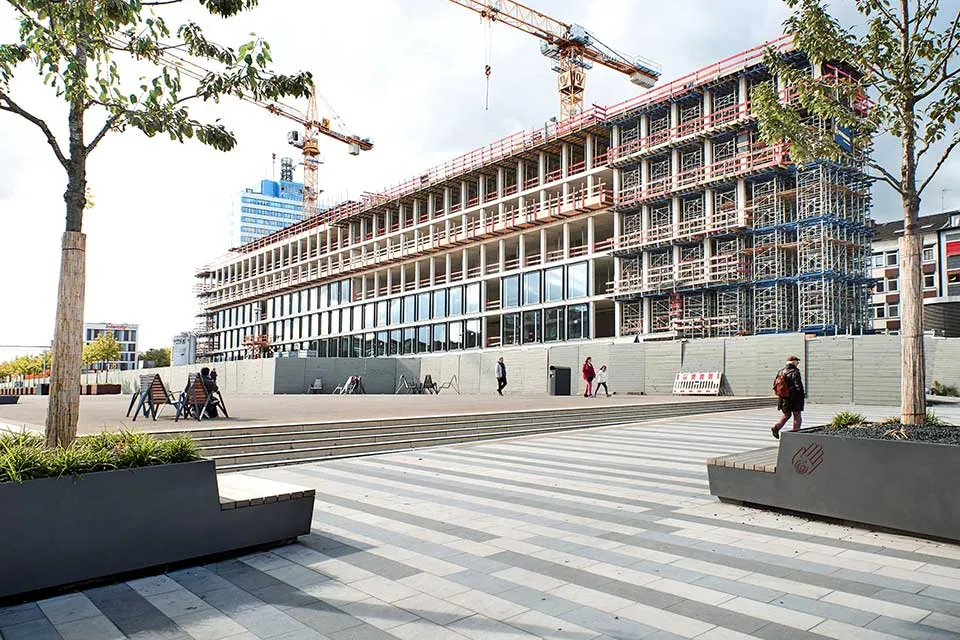
The carbon footprint of buildings is coming under increasing scrutiny. This is driving growing demand for sustainable aluminium systems.
“Circularity is now an integral part of the construction industry,” says Raimond Stassen, Project Manager at WICONA, one of Europe’s largest suppliers of aluminium building systems and part of the global aluminium company Norsk Hydro, which focuses on innovative and sustainable building concepts.
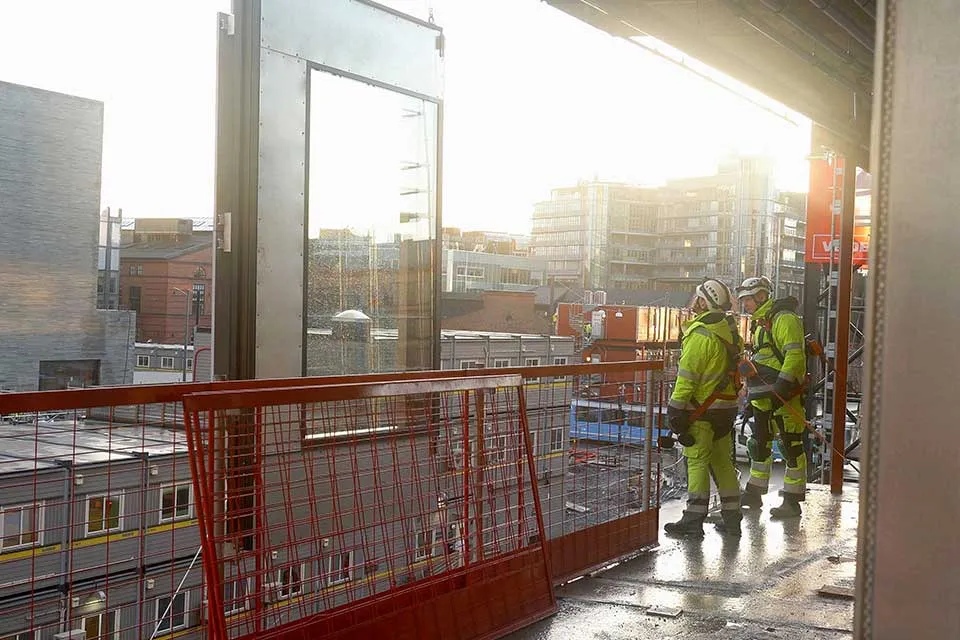
According to Stassen, the rapidly growing international demand for aluminium presents the aluminium sector with major sustainability challenges. “That is why we have introduced our new climate strategy, with the goals of drastically reducing our own CO2 emissions and supporting customers in their efforts to reduce their carbon footprints. It remains a complex subject.”
Circular design is the first step
Perry Hermans, Country Manager Benelux at WICONA, a company with over 70 years’ experience in high-quality, functional façade, window, door and sliding systems, says that the façade, including windows, accounts for around 13% of the carbon footprint of a typical office building. “That puts architects in a very important position,” says Hermans.
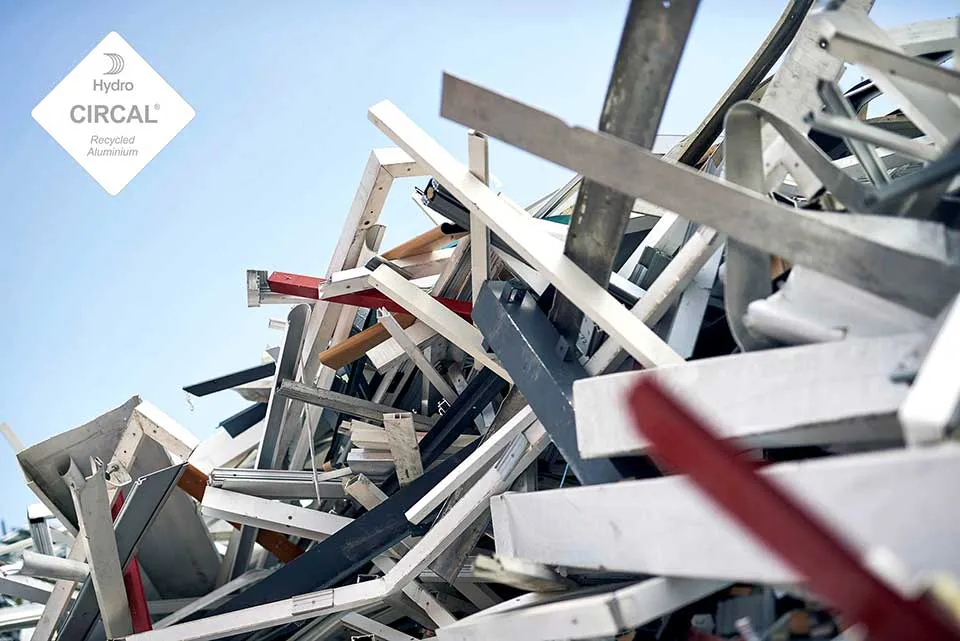
“Choosing ‘greener’ products, such as recycled aluminium curtain wall, window and door systems, can make a big difference to a building’s footprint. Designing buildings with circularity in mind is the first step towards a sustainable architectural project.”
Know what you are choosing
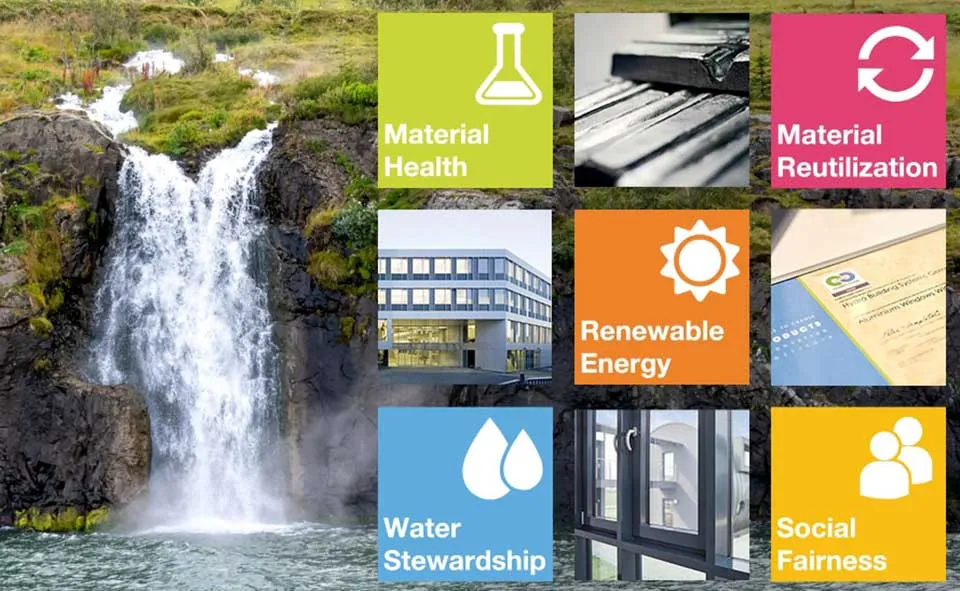
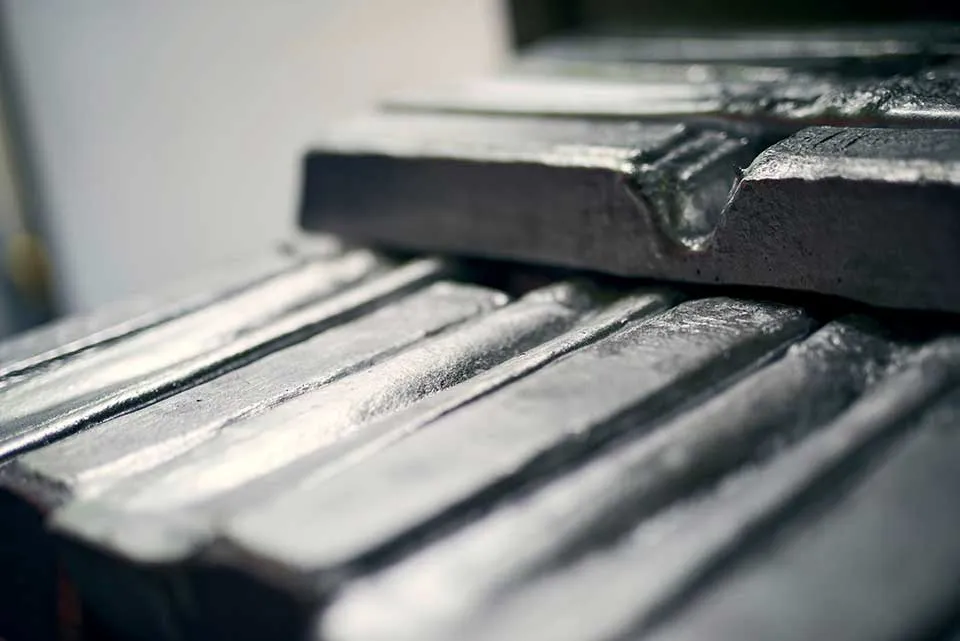
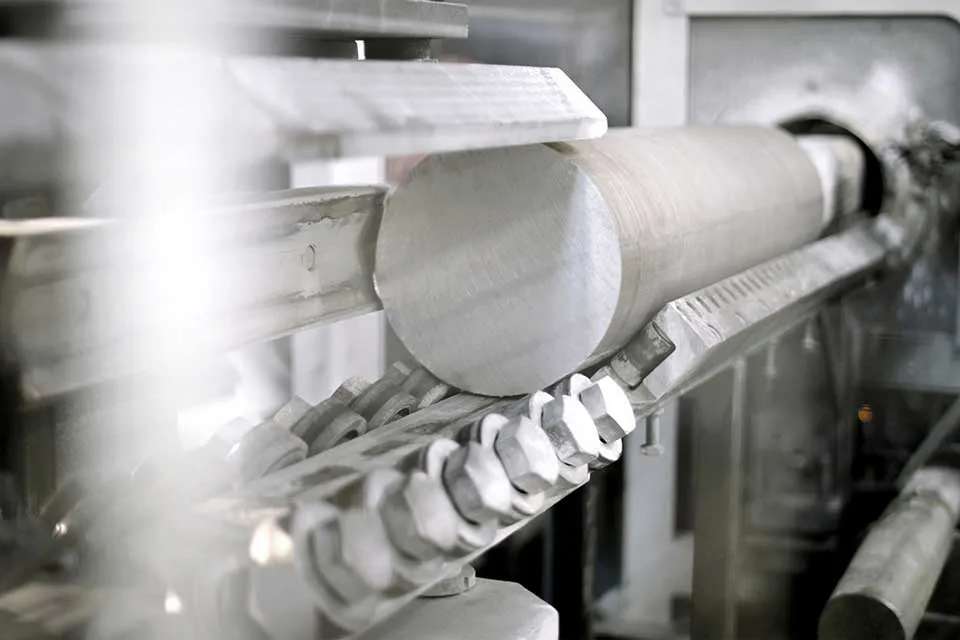
Stassen says that choosing aluminium is a very logical decision. “Aluminium is one of the few building materials that retains its properties after recycling. However, you need to look carefully at where the aluminium comes from and how it was produced.” Stassen says that the carbon footprint of primary aluminium may seem high at first glance compared with other building materials, “but if it is produced sustainably, as it is by us, it actually has one of the lowest carbon footprints.” He explains: “Renewable energy from hydropower, wind and solar can be used during production. Recycled aluminium can also be used in the production process. Recycling aluminium saves as much as 95% of the energy required to produce primary aluminium.”
Pre-consumer or post-consumer scrap
The aluminium industry is increasingly adopting greener thinking and practices. “That is definitely a good thing,” says Hermans, “but we go a step further. It is important for customers to understand the real difference between pre-consumer and post-consumer scrap.” Stassen says: “This is the complex subject we mentioned earlier. In a nutshell, pre-consumer scrap is unused waste from, for example, a manufacturing process such as aluminium extrusion. This metal can be remelted and reused. Post-consumer scrap is discarded or recovered waste that has actually been made into a product. Once the product has completed its full life cycle or is discarded, it can be collected, sorted and remelted to make new products.” Hermans adds: “A higher post-consumer recycled content therefore means a lower carbon footprint, which is better for the circular economy.”
Product transparency
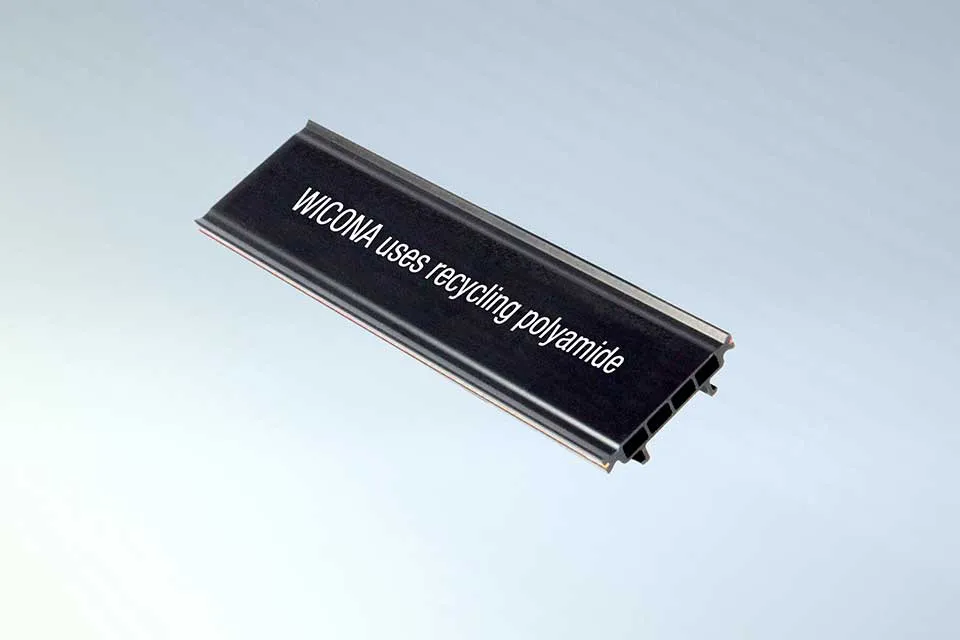
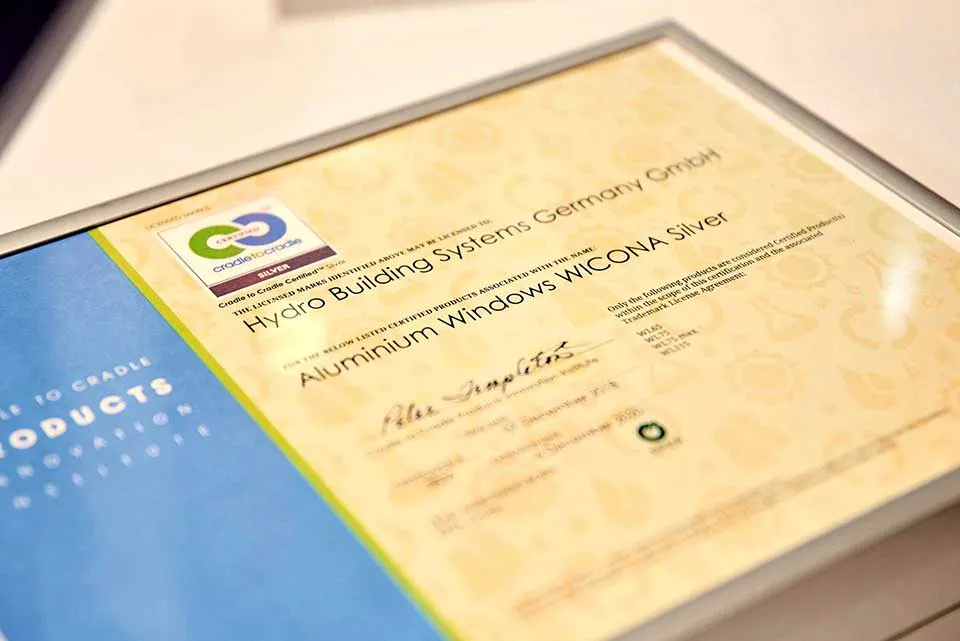
WICONA is highly transparent in its advice to customers. “EPD reports from independent bodies show the carbon savings for each type of façade. They take into account business operations, production and the use of recycled aluminium and recycled polyamide.” Today, all WICONA windows, doors and façades are made using Hydro CIRCAL 75R or Hydro REDUXA. Alongside Circal and Reduxa, all WICONA window, door and curtain wall systems are Cradle to Cradle Silver certified. Hermans says: “Hydro CIRCAL 75R is high-quality recycled aluminium containing at least 75% post-consumer scrap and has one of the lowest carbon footprints in the world. Hydro REDUXA is a primary aluminium alloy, but it is processed in such a sustainable way that it is certified as low-carbon aluminium.” Hermans concludes: “So we don’t just think sustainably, we put it into practice. When customers use these products, their designs already meet the standards, including green building certifications such as LEED, BREAAM and DGNB.”
Question about this story? Ask your question
Keep following this
Get an email when a new story is published. No account needed.
- SubjectFaçade cladding