








‘Always get the job done!’
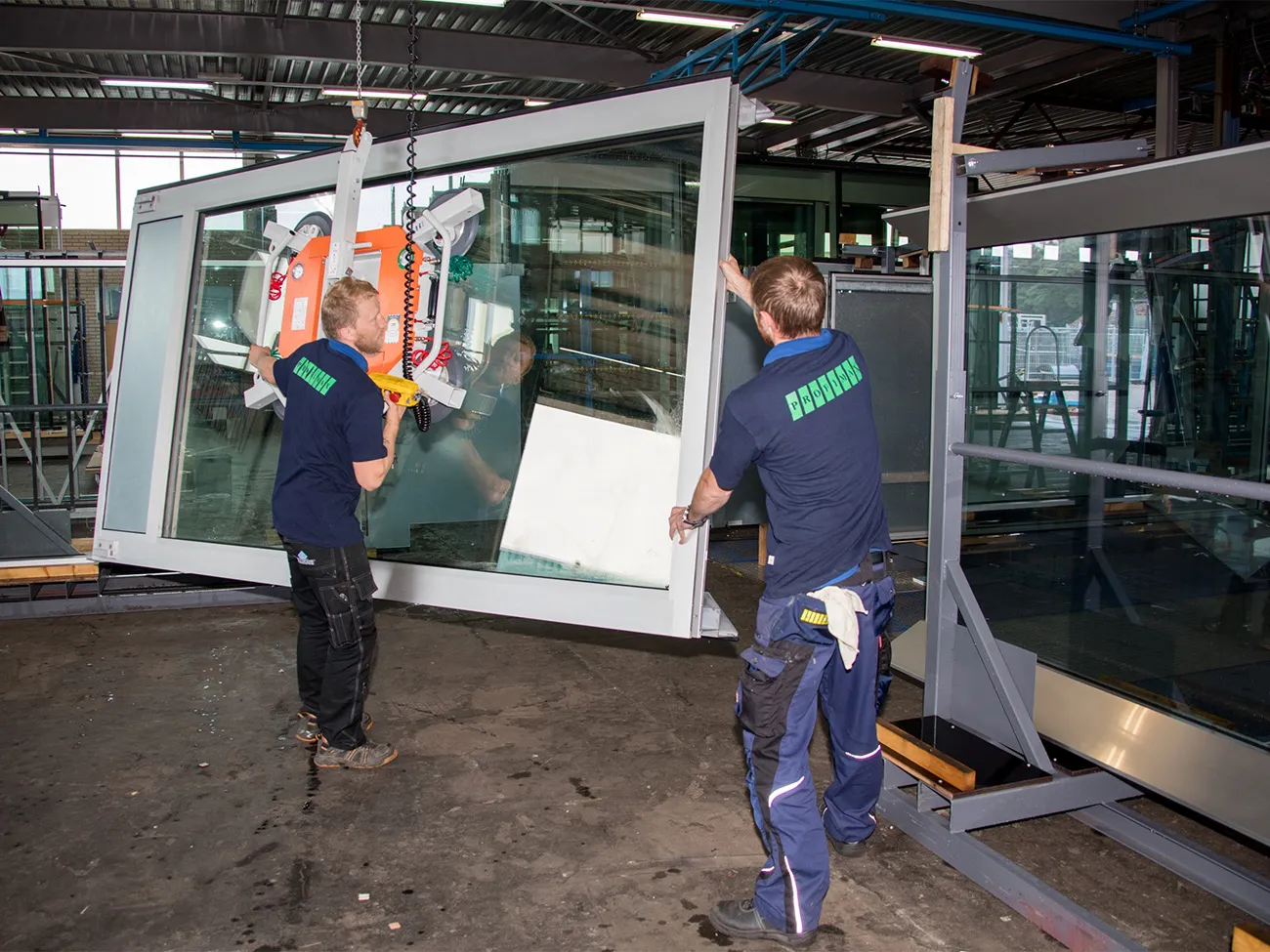
The labour market is exceptionally tight. Employers are confronted with severe staff shortages every day. You might think this would be good news for people who would normally find it difficult to get a job, such as those aged over 50, career changers and migrant workers, but unfortunately that is not the case in practice. “Employers continue to set (too) high requirements for the people they recruit,” says Henri Lensen, director of Profimax, a company that supports businesses in the construction and façade sectors with their staffing challenges. As staff shortages continue to grow, Profimax is receiving numerous enquiries.
“Often, it comes down to language skills, the minimum number of hours someone can work or the skills matrix,” says Lensen. “Employers are too often unwilling to compromise. 20% of our workforce consists of Dutch people or Dutch speakers, while the rest are skilled workers from other European countries who are more than happy to come and work here. So it is time for employers to start thinking differently. Rather than focusing on the vacancies they have, they should consider the skills matrix of the candidates who are actually available. A motivated person aged over 50 who lacks experience? We can train them together with the client! An experienced production worker from Lithuania who does not meet all the vacancy requirements but has the right attitude? We can provide them with extra support on the production line! It is mainly a question of having the right mindset. Years ago, many of our clients also had to get used to seeing a Polish carpenter on site, whereas white number plates are now a familiar sight on construction sites and at manufacturing companies.”
Focus on the right fit
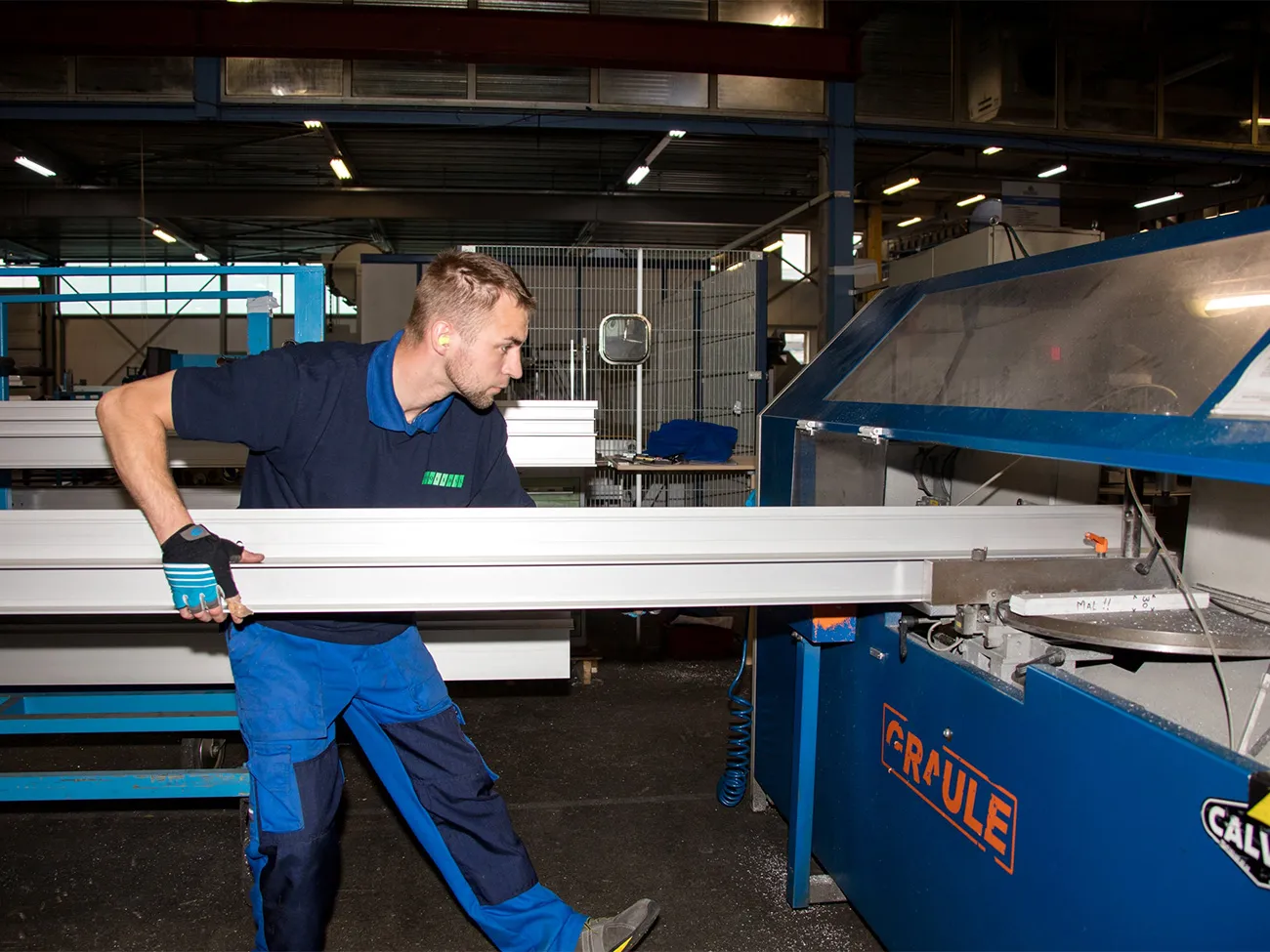
Profimax believes that retaining staff is at least as difficult as recruiting new employees. Lensen says: “That is also why we generally work with permanent teams at Profimax, supported every day by our field managers. We visit production facilities and construction sites and ask our clients about the specific profiles they are looking for. We then compare these with the skills matrices of our employees, focusing on the right fit. Will our employees feel comfortable here? As I said, all our clients want an employee who scores an 8, but a worker who scores 6.5 and has the potential to grow is just as interesting. Managing expectations is the key to getting the process off to a good start. In the past, we had too many drop-outs during the first two days. Thankfully, that is now a thing of the past thanks to our current approach. Profimax is increasingly succeeding in completing the work together with the client, within budget, to the required quality standards and, last but not least, on schedule. Fortunately, more and more clients recognise that in recent years the market has become a workers’ market. Together, we are successfully adapting to this.”
“Traditionally, our areas of work have included roofing and façade technology, fit-out and metalwork, with our people working both in production and on site. Last summer, we also launched a construction division,” says Lensen. “Our employees feel perfectly at home on all types of non-residential construction projects in the Netherlands and Belgium. At Profimax, VCA, PPE, GPI and Bouwpas are always standard. We have our own inspector for our tools and fall protection equipment, such as harnesses, lanyards, etc. Profimax is, of course, SNA (NEN 4400-01) certified. We will also be taking part in the energy performance and safety ladder in 2022.”
The alternative to subcontracting
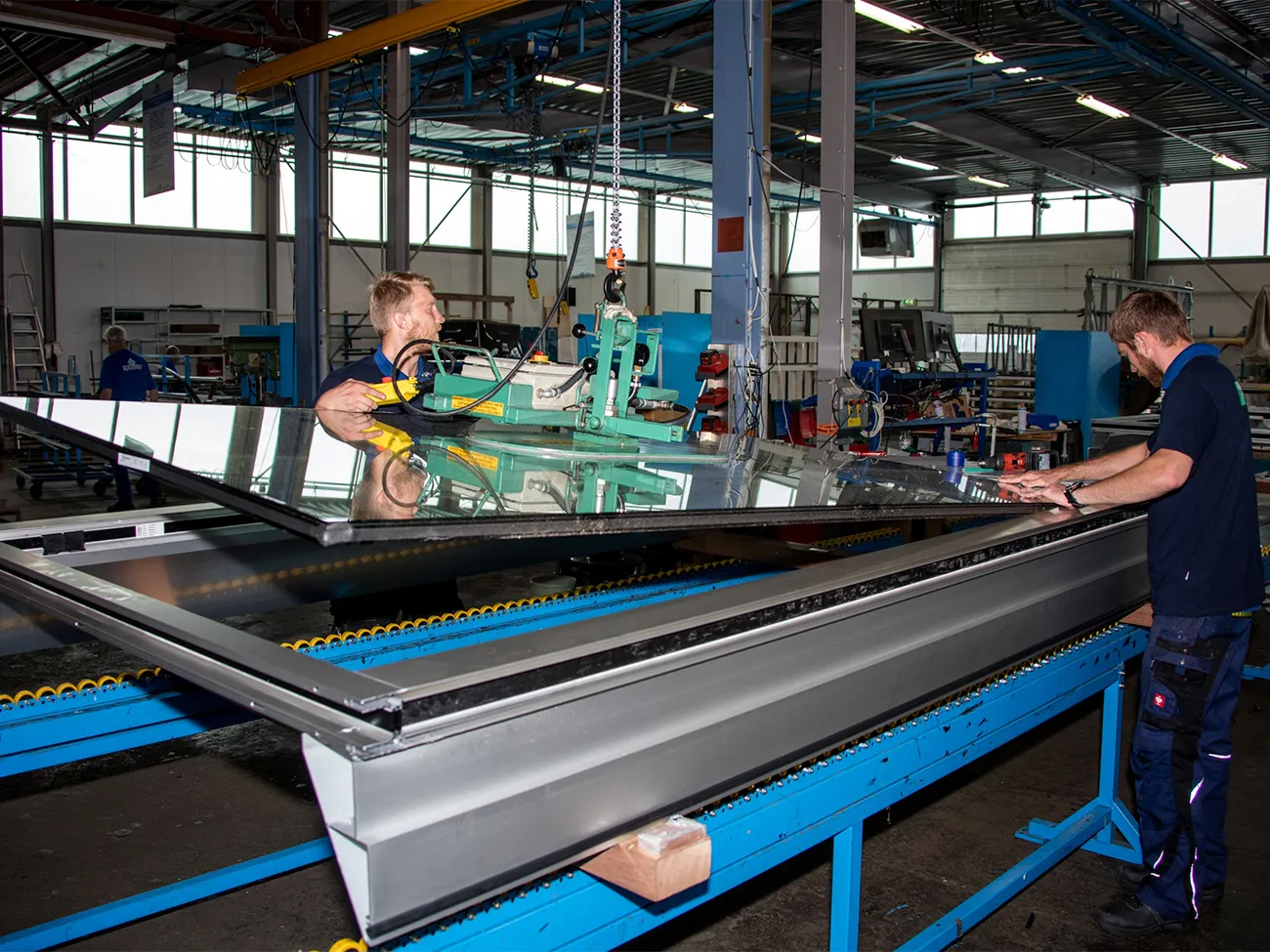
Profimax works exclusively on the basis of hours worked, Lensen emphasises. “We do not take on projects for a fixed price. Our way of working is the new standard and the ideal alternative to subcontracting.” In his view, subcontracting is outdated and no longer a responsible approach. “The subcontractor has no control over the process they are involved in and no influence whatsoever over the schedule, deliveries or construction conditions. The relationship between client and subcontractor is not based on cooperation, but on the transfer of risk. By contrast, working on the basis of hours worked is based on cooperation. During the preparatory phase, the client has been able to consider carefully how they want the work carried out, how many installation hours are required and how much processing is needed. Profimax staff always work under the client’s day-to-day supervision. Once we get started, we have one shared goal: to complete the work safely, to the required quality standards and on schedule. In practice, it is increasingly clear that this is the right way to work! We face a shared challenge, and that is reflected in the atmosphere between us. Profimax clients are increasingly embracing this way of working together, and we are very proud of that!”
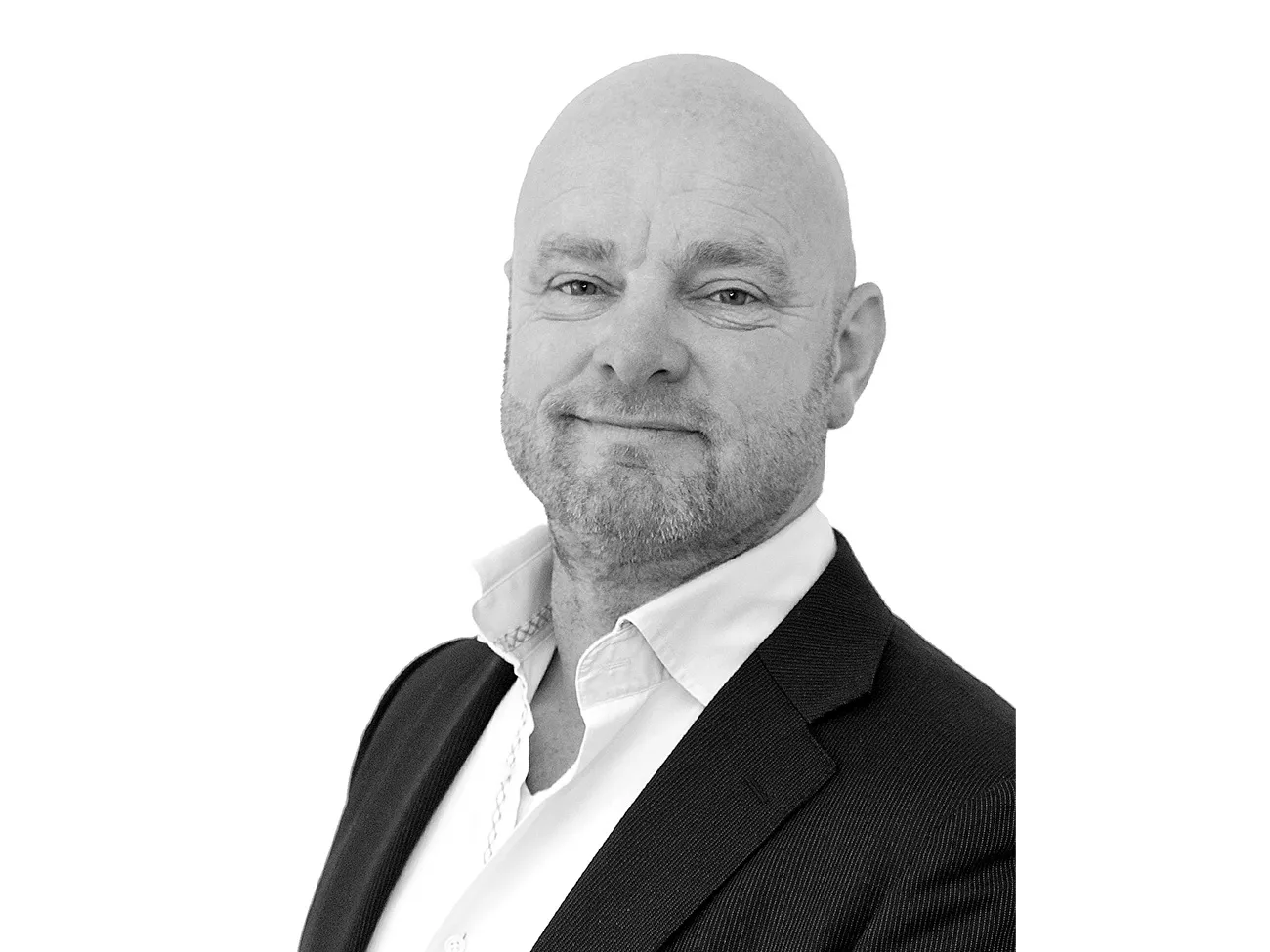
A business enquiry for Profimax? Get in touch
Companies in this story
Keep following this
Get an email when a new story is published. No account needed.
- ThemeCollaboration in the facade industry
- SubjectGeneral
- CompanyProfimax







