








Get on board with the VKG Quality Requirements & Recommendations
Text Roel van GilsImage VKG
Manual updated again as of 1 January 2025
The trade association VKG is committed to ensuring the highest possible quality and sustainability of PVC window frames. Member companies must meet the requirements set out in the VKG Quality Requirements & Recommendations manual and are audited annually. But what exactly does this manual cover, what does it mean for the market, and what does it offer façade contractors? VKG’s trade association manager Edwin van Houten explains.
The VKG Quality Requirements & Recommendations have been around for years and are constantly evolving, Edwin begins. “The manual describes the properties and quality of PVC window frames throughout the entire process, from supply through production and installation to cleaning, maintenance and recycling. The manual serves as the basis for our quality assurance system, incorporating guidelines from the Building Decree and supplementing them with NEN and European standards. Our members are required to comply with these requirements and are audited annually by SKG-IKOB, an independent notified body.”

Technical committee
Edwin describes the manual as a dynamic document. “It is updated regularly,” he says. “This happens at least once a year, but can also happen more often if there is a reason, such as a change in legislation. Issues identified in the market by the technical committee can also prompt a change or update. This is often done in consultation with SKG-IKOB. We also keep a top five of the issues that are ‘trending’ in the VKG Inspection App. The technical committee reviews them, and they may also prompt a revision.”
Updates
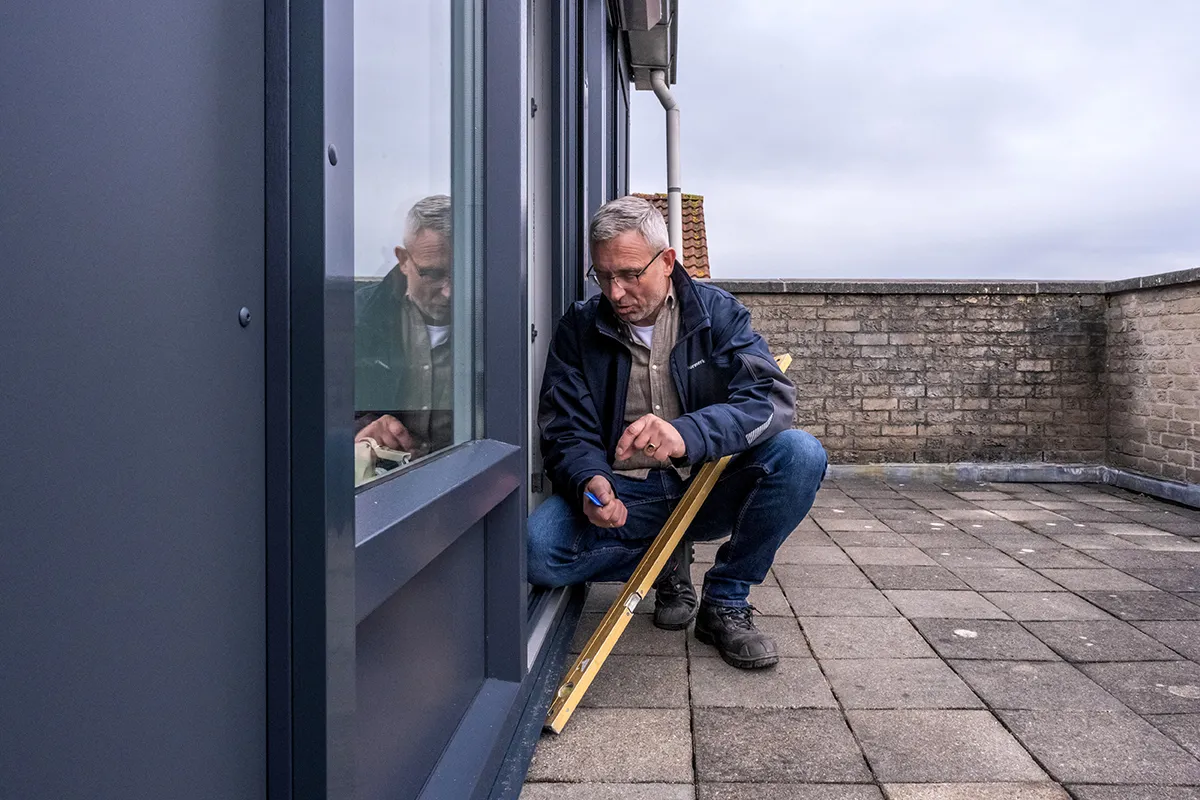
The latest update to the VKG Quality Requirements & Recommendations manual includes requirements for wooden or PVC subframes. “These relate, among other things, to preserving the material and packing out the area around the fixings behind the profiles,” Edwin explains. “We have also addressed the discussion about profile flatness. In practice, the 0.3 tolerance proved a little too strict for achieving consistency, particularly with profiles featuring woodgrain joints. We have therefore adjusted the tolerance to 0.6, which will of course be supported by testing. We have also included advice on the correct way to install fall protection.”

Alternative thresholds
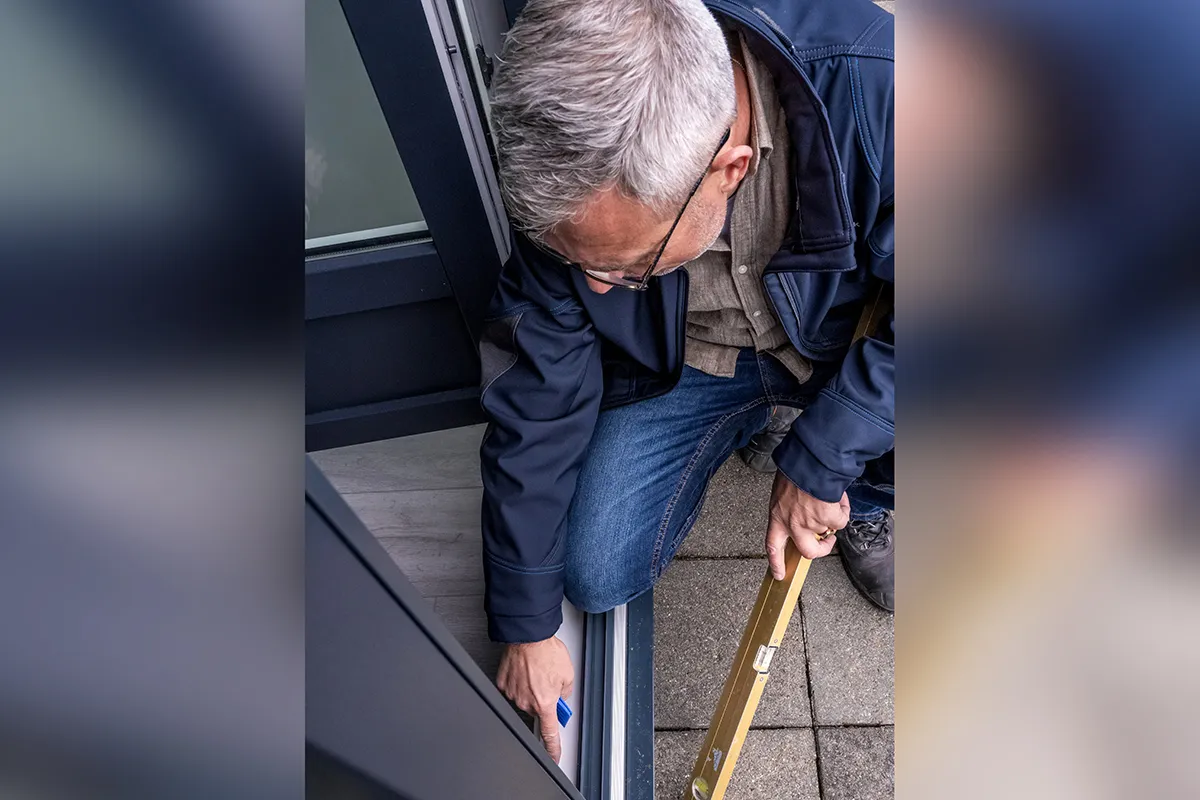
Alternative thresholds are a new area of focus for VKG, Edwin says. “Today, alternative thresholds are fitted beneath almost all PVC doors. It is a fact that they are flatter and lower. But what effect does this have on wind and watertightness? Our members are right to ask this question. We will therefore investigate it over the coming period. We will ultimately draw a conclusion and, where appropriate, make recommendations and offer advice. These will be included in a future update to the VKG Quality Requirements & Recommendations, so that manufacturers, resellers and end users have clear guidance they can rely on. Watch this space!”
The VKG Quality Requirements & Recommendations manual is therefore also a useful reference in the event of a dispute. Edwin says: “We use version numbers, so someone raising a complaint about work carried out four years ago can be assessed against the requirements and standards that applied at the time. Because, once again, this is a dynamic document, updated as knowledge and experience develop, with the aim of achieving the highest possible quality and sustainability. It also provides an excellent basis for the Quality Assurance Act, particularly when used alongside the VKG Handover App. Our member companies are ready for the future.”
Have a business enquiry for VKG – Vereniging Kunststof Gevelelementenindustrie? Get in touch
Companies in this story
Keep following this
Get an email when a new story is published. No account needed.
- SubjectGeneral
- CompanyVKG – Vereniging Kunststof Gevelelementenindustrie







