








Lower environmental impact through local assembly of PVC frames
Text Susan PeekImage VKG, Deceuninck
Choosing local
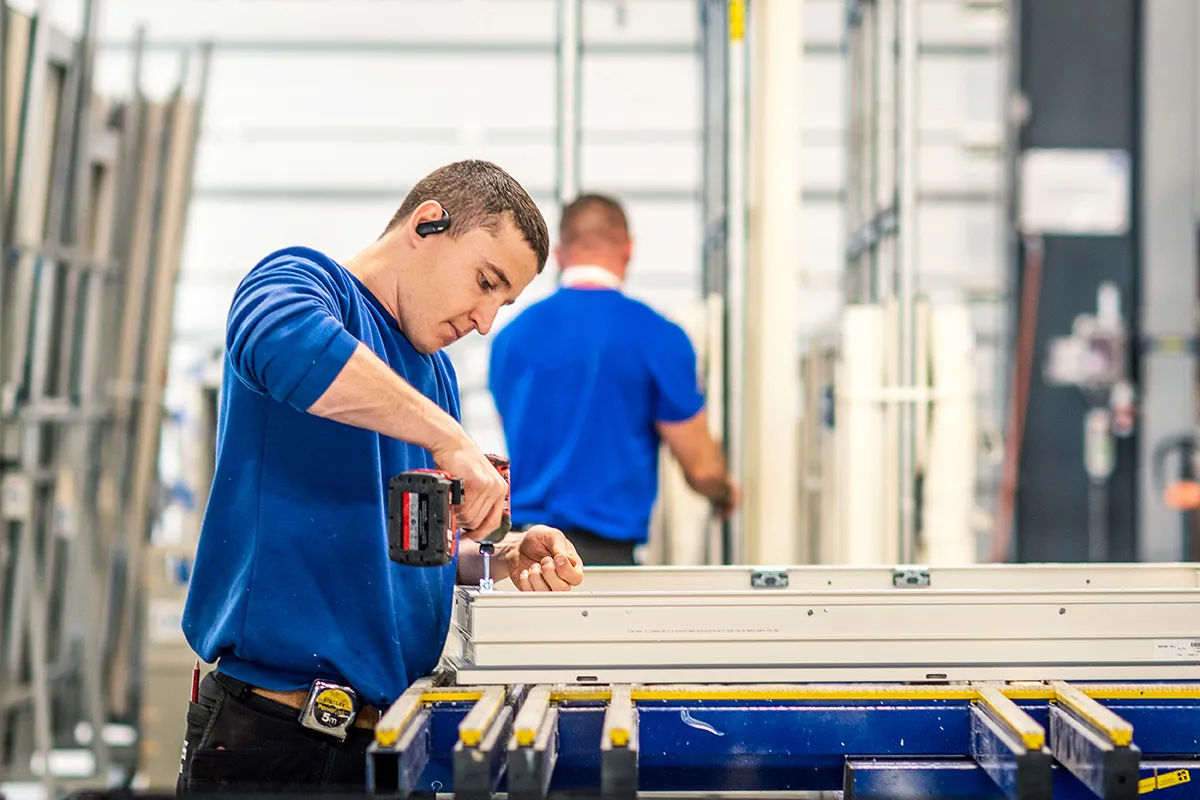
Sustainability has been a priority for the Vereniging Kunststof Gevelelementenindustrie (VKG) for decades. Since the 1990s, the sector has had a collective recycling scheme for collecting and reusing old frames and production waste. Now established as the industry standard, the scheme is considered a success and helps Dutch manufacturers achieve strong results in the National Environmental Database (NMD). However, imports of PVC frames from neighbouring countries are growing, often from suppliers that do not participate in recycling and involve considerably longer transport distances. To assess the effects, VKG commissioned Alba Concepts to carry out a variant study based on existing life cycle assessments (LCAs). The conclusion: assembly abroad results in a significantly higher environmental impact.
Recycling as the foundation
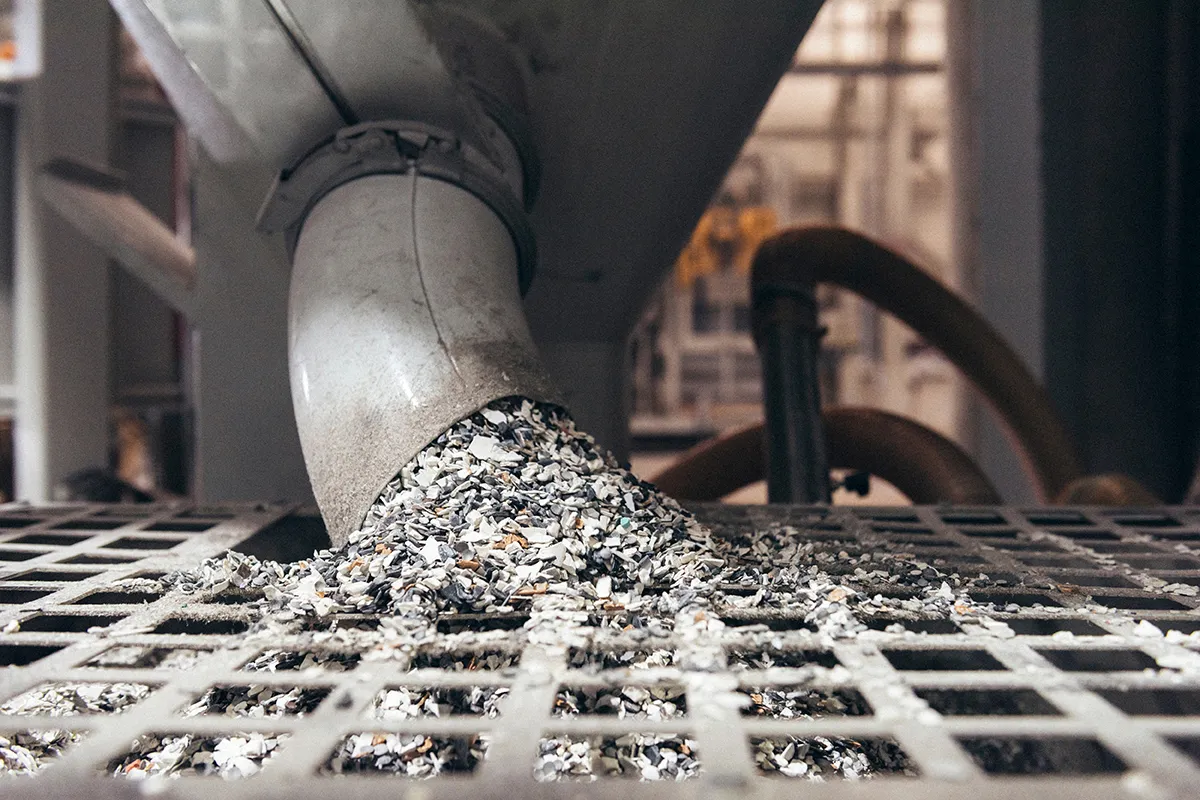
According to VKG director Albert Zegelaar, recycling is the basis for the low environmental impact of Dutch frames. “All our members have joined the scheme. Old frames and production waste are separated and processed into new material. Research shows that this can be repeated up to ten times without any loss of quality, which means that a PVC frame could theoretically last for hundreds of years.”
The impact of the assembly location
Imports of frames now account for around 30 per cent of the market. Foreign suppliers take no responsibility for recycling or end of life, while transport has a substantial environmental impact. The LCA variant study shows that assembly abroad results in a 23 to 42 per cent higher environmental cost indicator (MKI) and increases CO2 emissions by 18 to 27 per cent. “Transport distances are by far the biggest culprit,” says Zegelaar. “In some cases, routes are ten times longer than for assembly in the Netherlands. On top of that, the energy mix in countries such as Estonia, Poland and Lithuania is less favourable from an environmental perspective: much of their electricity still comes from lignite-fired power stations. That further increases the impact.” Zegelaar says it is unsustainable for Dutch manufacturers to bear the cost of recycling imported frames. “We feel backed into a corner. That has to change.”
Objective figures make the difference
The results are expressed as the Environmental Cost Indicator (MKI). Zegelaar says it is crucial to use objective figures like these. “It is the only benchmark available. Thanks to national agreements on Product Category Rules, we have a level playing field with other sectors. This means our MKI scores can be compared fairly.” Alba Concepts estimates that the sector could save 1,055 tonnes of CO2 a year if all assembly took place locally.
Raising awareness among clients
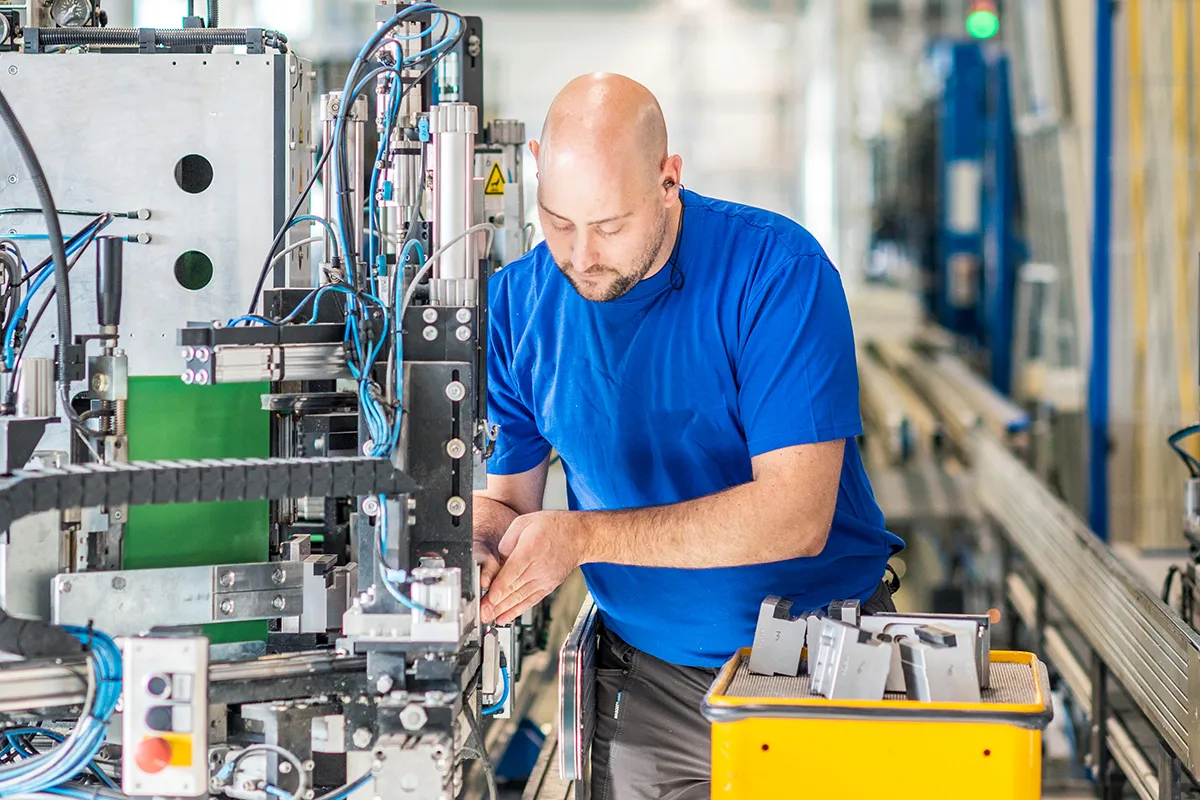
Zegelaar says the priority now is to provide clients and construction companies with better information. “The choice of frames is often driven by price. But when you factor in the total cost of ownership, including maintenance and service, a frame with the VKG Keurmerk offers clear advantages. You can be sure that its environmental impact is lower and that it is backed by an after-sales service organisation.” He points out that perceptions do not always match the facts. “There is a kind of bio-based hype, with timber automatically seen as more environmentally friendly. But when you compare the LCA figures, PVC performs at least as well, and often better. We need to communicate that more effectively.”
Gevelakkoord, NMD and VKG Keurmerk
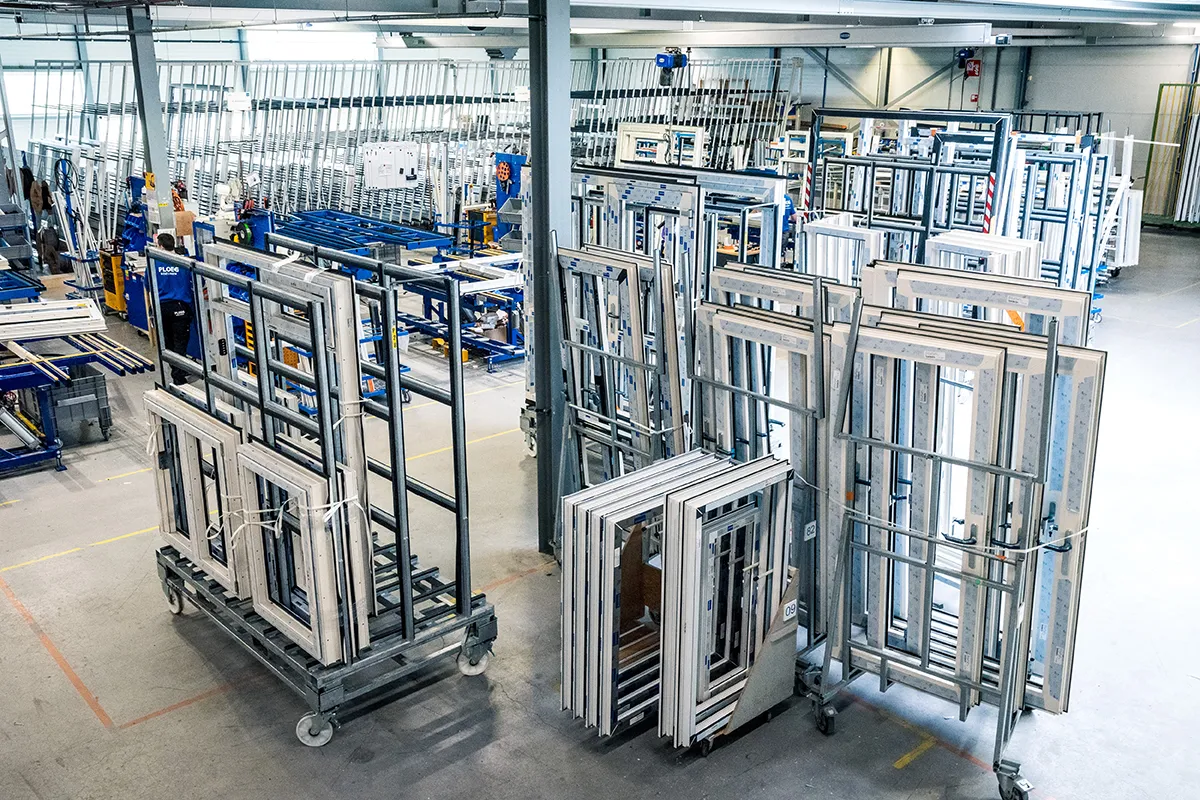
The Gevelakkoord sets a target of using an average of 45 per cent secondary material by 2030. Zegelaar is optimistic: “We will meet that target. The only risk is that our products stay in place for too long because they are so durable. We want to recover the first generation of frames and reuse them as raw material. The market has also grown significantly, increasing demand for recycled material.”
At the same time, the sector is working on new Category 2 declarations for the NMD, giving smaller companies access to representative MKI data. Zegelaar sees plenty of opportunities ahead: “The Netherlands has sufficient capacity and expertise. But clients and the government need to take this into account when making decisions. Installing solar panels while importing frames from Lithuania feels contradictory. If we are serious about building sustainably, choosing locally produced frames must be part of the picture.”
Drawing on the study’s findings, Zegelaar stresses that the VKG Keurmerk stands not only for quality, but also for a demonstrably lower environmental impact. “It is about reliability and responsibility. As a sector, we are showing that choosing local really does make a difference.”
Have a business enquiry for VKG – Vereniging Kunststof Gevelelementenindustrie? Get in touch
Companies in this story
Keep following this
Get an email when a new story is published. No account needed.
- ThemeWindows, doors and entrances
- SubjectGeneral
- CompanyVKG – Vereniging Kunststof Gevelelementenindustrie







