








Metal as a solution for developing a sustainable logistics landscape
Many logistics buildings are stark, have hardly any windows, and are rarely surrounded by greenery.
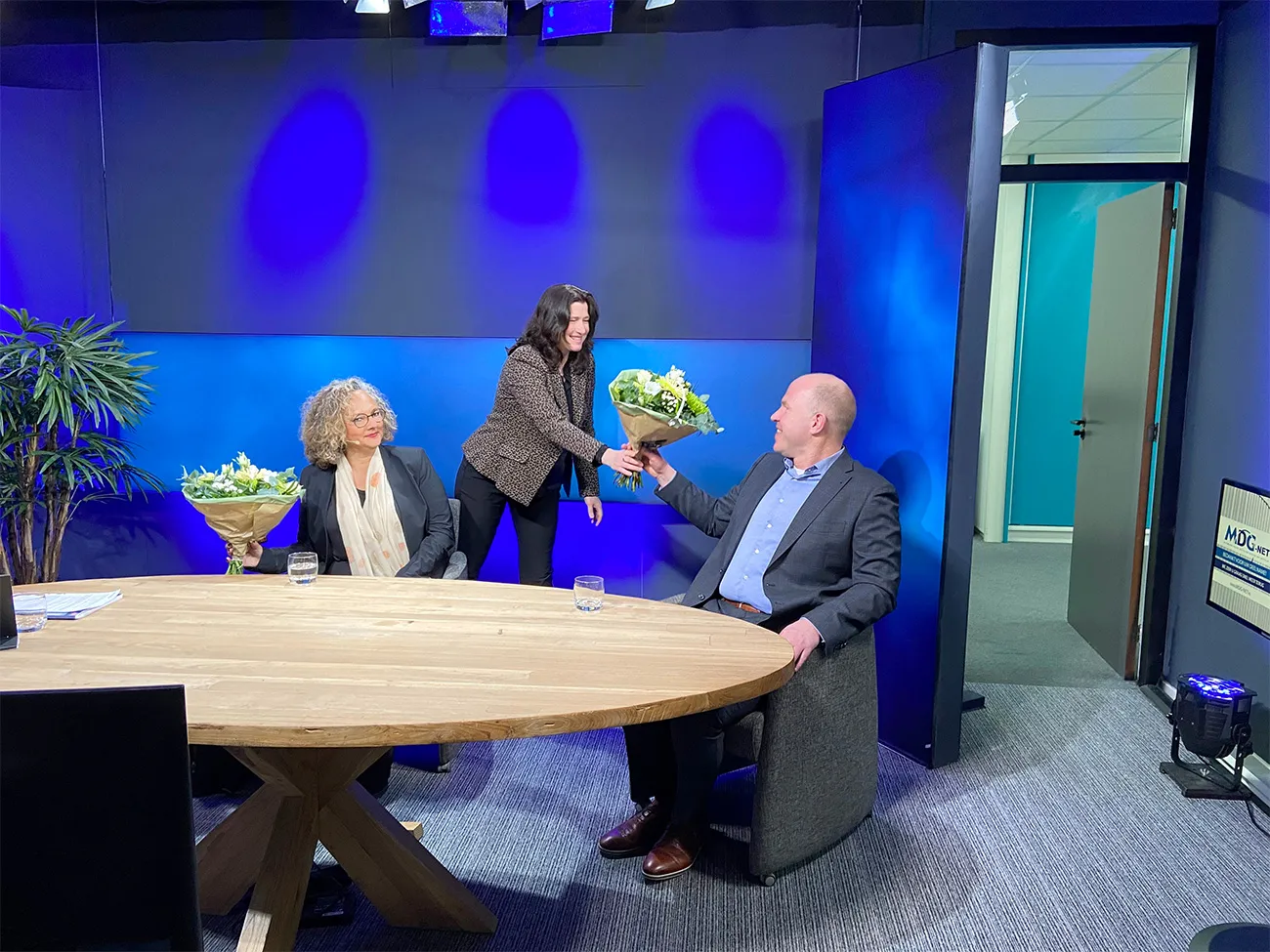
The growing demand for industrial sites is more than ever a complex, pressing issue of public concern. How can we develop a sustainable logistics landscape that adds value to the natural environment? And how can we plan for this growing demand in a way that fits the landscape, without further proliferation of box-like warehouses, and what role can suppliers of metal roofing and façade materials play in this? On 29 April, Cees-Jan Pen and Christa Courage shared their views during the MDG-NET Online Round Table Discussion ‘The logistics landscape of the future’.
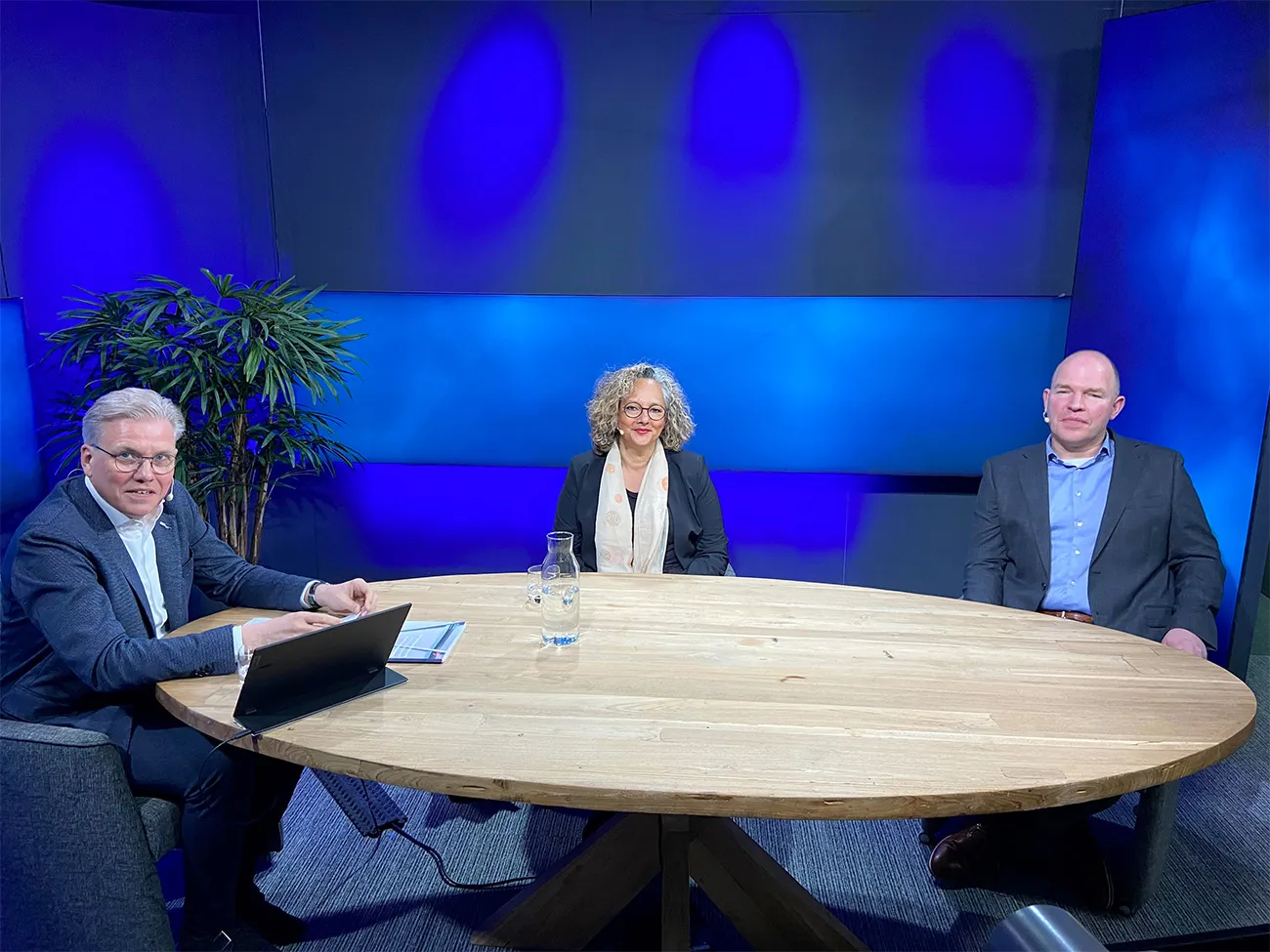
“You can bring daylight into a building in the most unexpected places. Be creative, look at a product’s properties and ask yourself: ‘What can you do with it? How beautiful could the end result be?’” says Christa Courage, owner of Courage interieur and Courage architecten. “Our profession is very visually oriented, but architects and steel suppliers need to keep challenging each other to show what is possible.” Building with steel is nothing new to her. In 2012, Courage interieur and Courage architecten won the Architectuurprijs Almere 2012 for a design for a house in Almere-Noorderplassen West with a glass roof and a limited number of windows in the external façade. It won both the professional jury prize and the public prize for an ‘innovative, high-quality and outstanding design’. “We deliberately build with steel so that we can use a lot of glass,” Courage explains, emphasising that designers need to look beyond the building itself. In her view, employees are much more productive and healthier when they work in a pleasant building.
Circular construction
Cees-Jan Pen agrees. As an expert on business locations and a professor of practice in the ‘The Entrepreneurial Region’ research group, which is part of Fontys Hogeschool Economie en Communicatie, he is no stranger to the public debate about the logistics landscape of the future. “Logistics landscapes have been overlooked for too long, even though we can take a targeted approach to building there too. Industrial sites also need to be sustainable nowadays, otherwise many business owners no longer want to locate there. What’s more, a green setting holds its value better,” says Pen. He believes the government has ignored existing industrial sites for far too long and should act as a catalyst for the development of circular construction: “We need to build much more circularly. Perhaps metal is actually the solution for giving a building a different look. Everyone is embracing timber now, but of course it can also be a mix. There will be a lot of bespoke work, but with clear frameworks from the government, people will know where and how to start building more circularly.”
Image problem
Unlike the conservative nature of the construction sector, steel is growing in popularity in the housing sector. On the property website Funda, homes with steel internal doors are now selling like hot cakes. Courage says: “Steel has an image problem in the construction sector. Corrugated sheets on the outside of a building are boring, but you can make them look sexy too. It’s about how you present it and the examples you show. Steel alone in a building can feel ‘hard’, but it can be profiled and curved. It is often even better acoustically than plastered ceilings and walls.” Pen is also convinced that the image problem can be solved simply by showing what steel can do: “Emphasise its circularity, we have to! Organise yourselves as business owners and hold the government to account. And retaining a building’s value also has benefits when it comes to financing.”
Architectuurprijs 2021
Creative ideas for the complex, pressing issue of public concern surrounding the development of a sustainable logistics landscape will be more valued than ever during the judging of the Architectuurprijs 2021. Jury members Cees-Jan Pen and Christa Courage are eagerly awaiting all the entries. Pen will focus more on how the buildings fit into the landscape and their relationship with the surrounding area, while Courage, who is more visually oriented, will look at the buildings themselves: “I’m very curious to see what hidden gems there are in the Netherlands, what is still to come, and how we can then give those gems the attention they deserve.”
Question about this story? Ask your question
Keep following this
Get an email when a new story is published. No account needed.
- SubjectGeneral







