








On the road to 2030: PVC window profiles with at least 50% recycled content
Text Susan PeekImage Deceuninck, GEALAN , Kömmerling, REHAU, Schüco, VEKA
Profile suppliers and trade association work towards a circular façade industry
The PVC window industry has an ambitious mission ahead. Trade association VKG wants as many new PVC window profiles as possible to be made from high percentages of recycled material, with a target of 50% by 2030. “That is a significant step,” says Edwin van Houten, trade association manager at VKG. “And it is not something one party can achieve alone. It requires broad, collective commitment to the Ketenakkoord, through collaboration in working groups and within the Circular Façade Economy (CGE).”
According to Van Houten, it is important to stress that all VKG members are committed to this and each contributes in its own way. “We see considerable variation in technologies, investment and material flows,” he explains. “That makes sense: every profile supplier has its own markets, products and technical capabilities. There is no single universal approach, but it is precisely this diversity of solutions that makes our industry stronger.”
Recycling as the foundation
A key principle is closing the loop. “PVC profiles now contain substantial amounts of recycled material, but the percentage is not fixed,” Van Houten explains. “It varies by profile type, country and application: from profiles with a recycled PVC core to profiles made entirely from recycled material.”
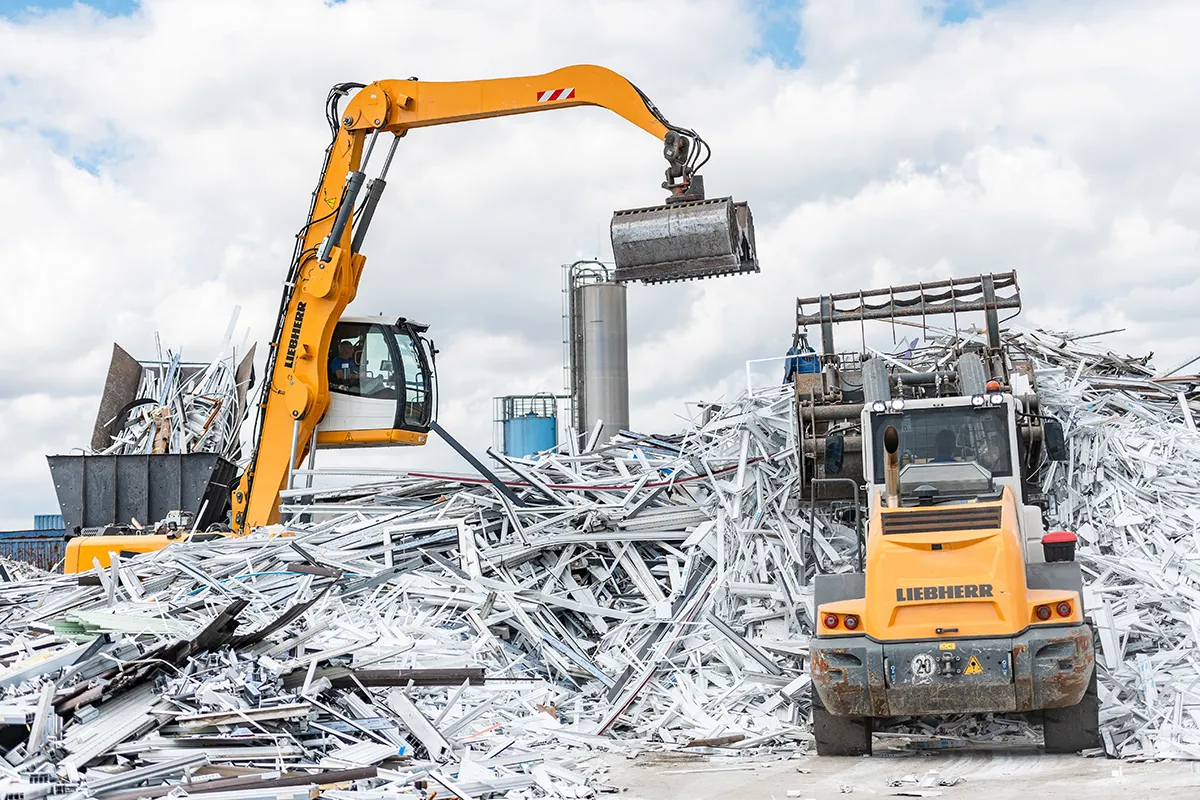
The most important thing is to make use of all material flows. “That means not only post-industrial waste streams and internally recycled material, but also post-consumer material from old windows and doors that are collected and returned to the production chain. The idea is to let nothing go to waste. We want to keep raw materials in circulation for as long as possible.”
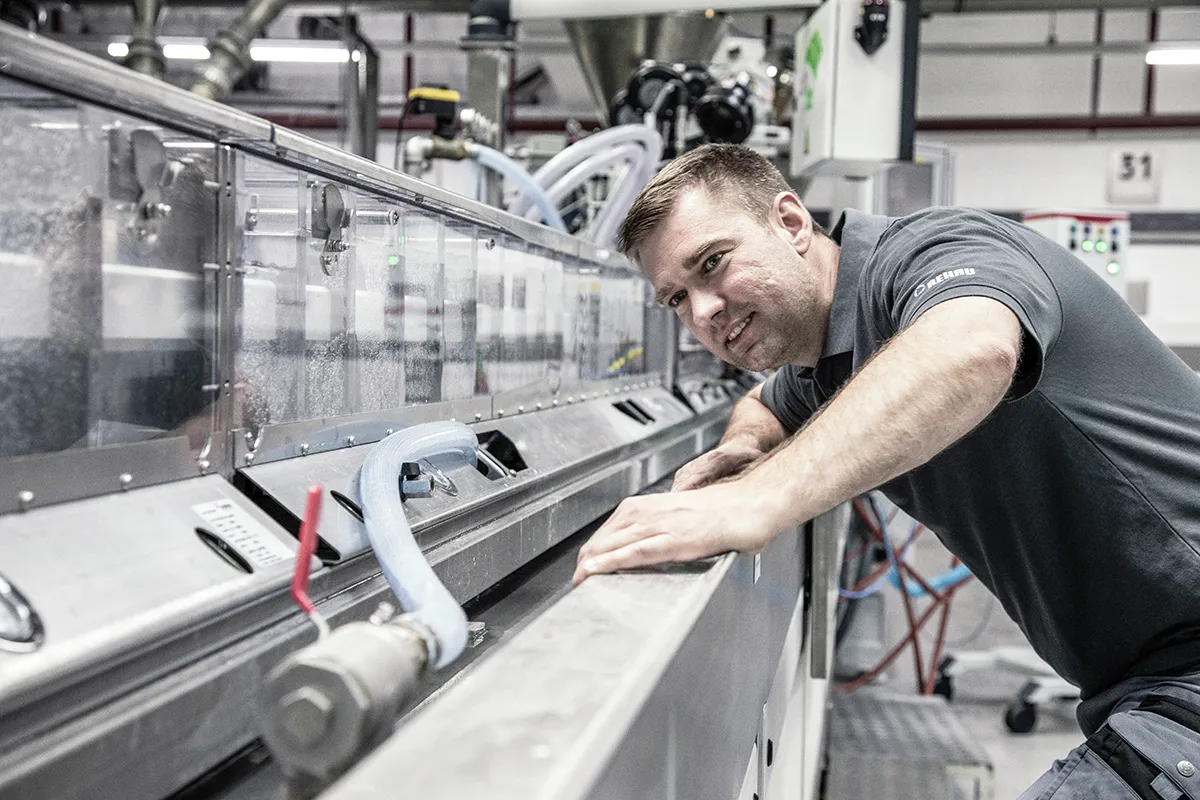
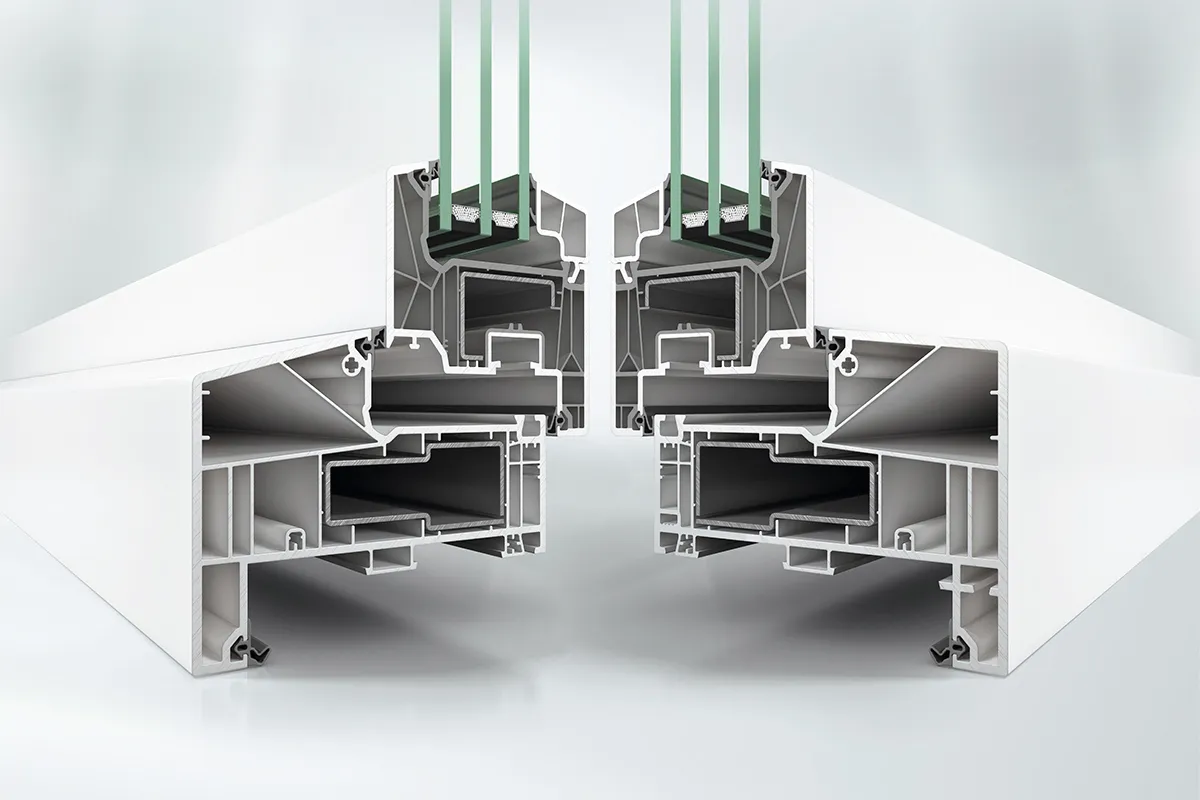
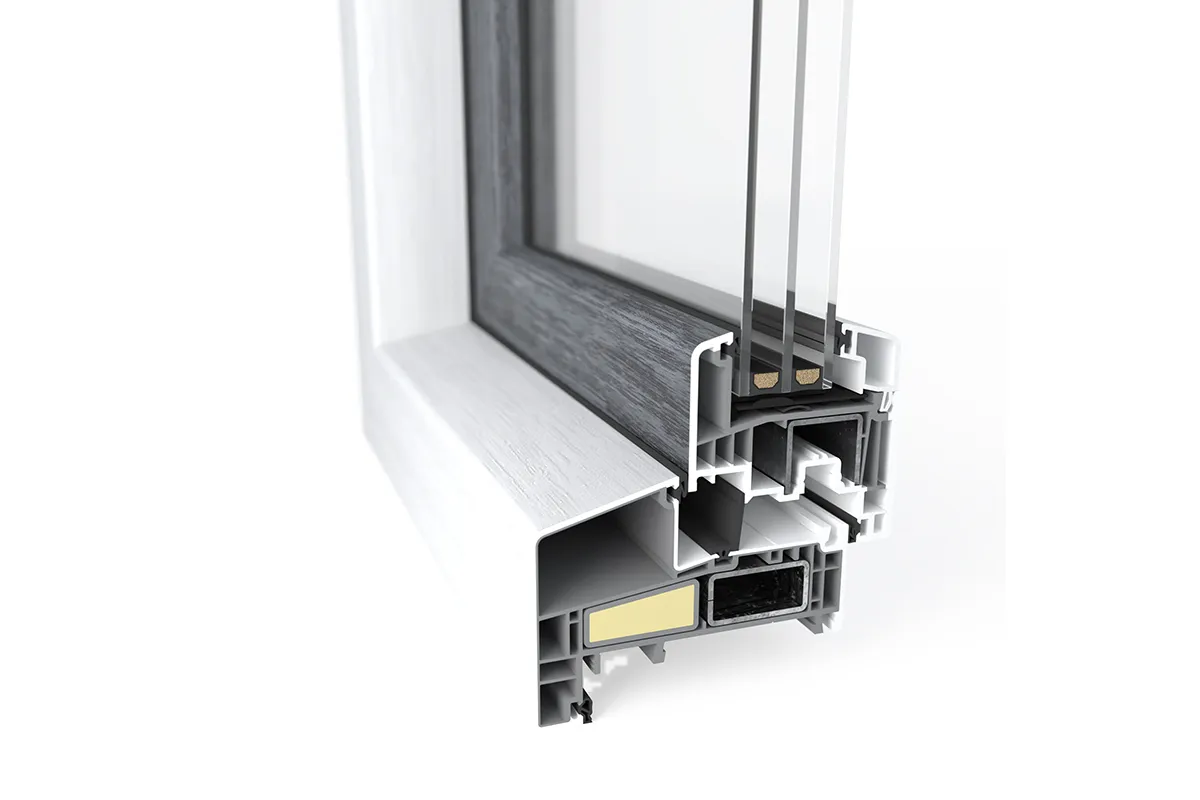
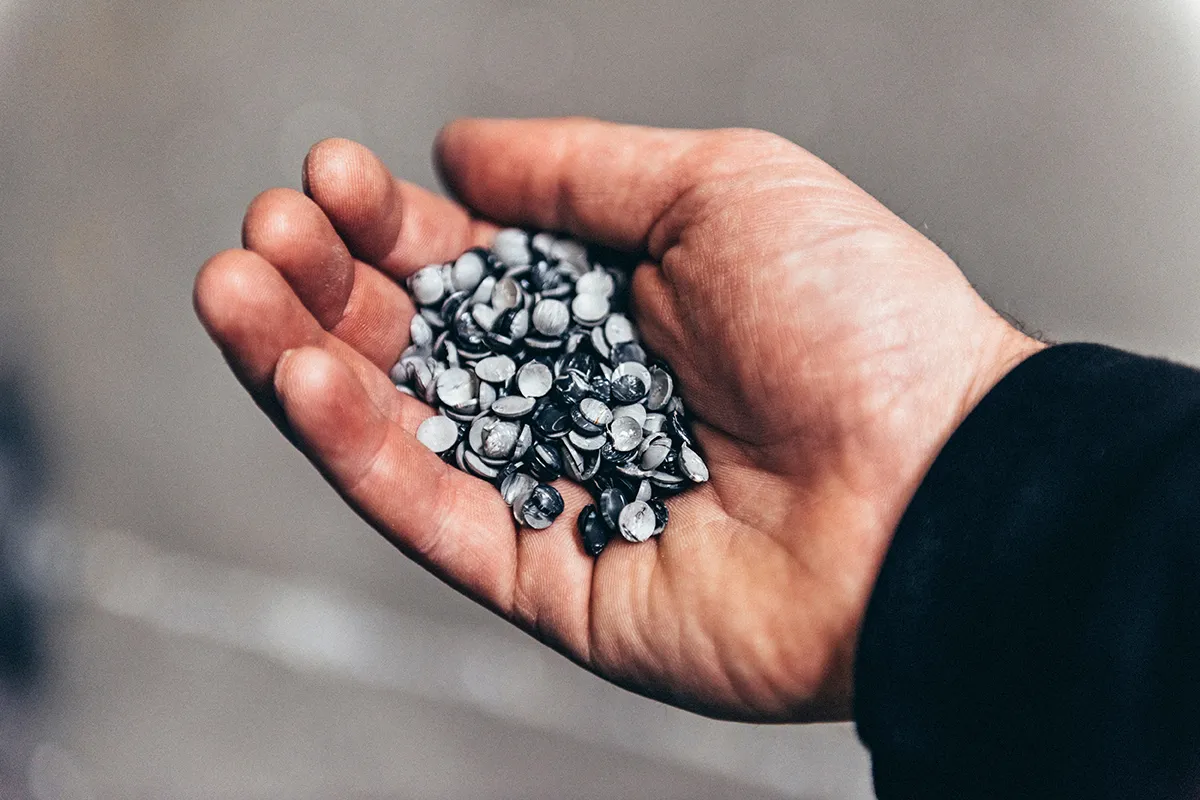
Recycling processes have become increasingly sophisticated. In modern recycling lines, old PVC profiles are carefully collected, sorted, cleaned, dedusted and ground into pure granulate. Innovative co-extrusion techniques make it possible to process this recycled granulate into high-quality new profiles, often with a recycled core and new outer layers for optimum performance and appearance. “Innovations like these make it possible to guarantee quality without compromise,” says Van Houten. “And the great thing is that PVC profiles can be recycled several times without loss of quality, as long as the formulations are managed and the stabilisers remain effective.”
Innovations and alternatives
The industry is clearly investing heavily in recycling technology and closed material loops. But circularity goes beyond recycling alone. Many manufacturers are also focused on extending product lifespans, designing for disassembly and avoiding material combinations that make reuse more difficult. “PVC windows have a lifespan of around 50 years, so they last longer in the built environment and can then be reused. In theory, raw materials can therefore remain in circulation for up to 500 years,” says Van Houten.
“There are also innovations in which some fossil resources are replaced by bio-attributed PVC,” says Van Houten. “This is PVC in which some of the oil-based feedstock is replaced by bio-based, non-fossil resources. Work is also under way on alternative fillers with a low or even negative CO2 balance. The aim is always the same: to reduce the environmental impact of PVC windows as much as possible.”
Transparency and certification
VKG and its members place great importance on transparency about the sustainability of their products. “We support our members through the VKG Recyclesysteem, which now achieves around 90% CO2 reduction compared with new production,” Van Houten explains. “We also see members getting their closed loops certified and working with recognised labels such as EuCertPlast and VinylPlus. Many profiles are also suitable for international sustainability standards such as LEED, BREEAM or DGNB. And with LCAs and environmental cost indicators (MKI) included in the National Environmental Database (NMD), manufacturers can substantiate their environmental impact with evidence.”
Working together for the future
According to Van Houten, the road to 2030 calls for continued innovation and collaboration. “At VKG, we work with profile suppliers, manufacturers and resellers in working groups to discuss bottlenecks and develop solutions,” he says. “We are also working with other façade material sectors through the Circular Façade Economy (CGE) to develop circular standards together and close the loop further. This programme is supported in part by the National Growth Fund and the Ketenakkoord that has been concluded.”
Van Houten stresses that this is not a competition between companies, but a shared mission. “All VKG members are taking steps that suit their own circumstances and products. Every contribution is valuable and brings us closer to our ambition of using at least 50% recycled material in PVC windows by 2030. It is an ambitious target, but with the joint commitment of the entire chain, it is certainly achievable.”
Have a business enquiry for VKG – Vereniging Kunststof Gevelelementenindustrie? Get in touch
Companies in this story
Keep following this
Get an email when a new story is published. No account needed.
- ThemeWindows, doors and entrances
- SubjectGeneral
- CompanyVKG – Vereniging Kunststof Gevelelementenindustrie







