Bond first, then powder coat
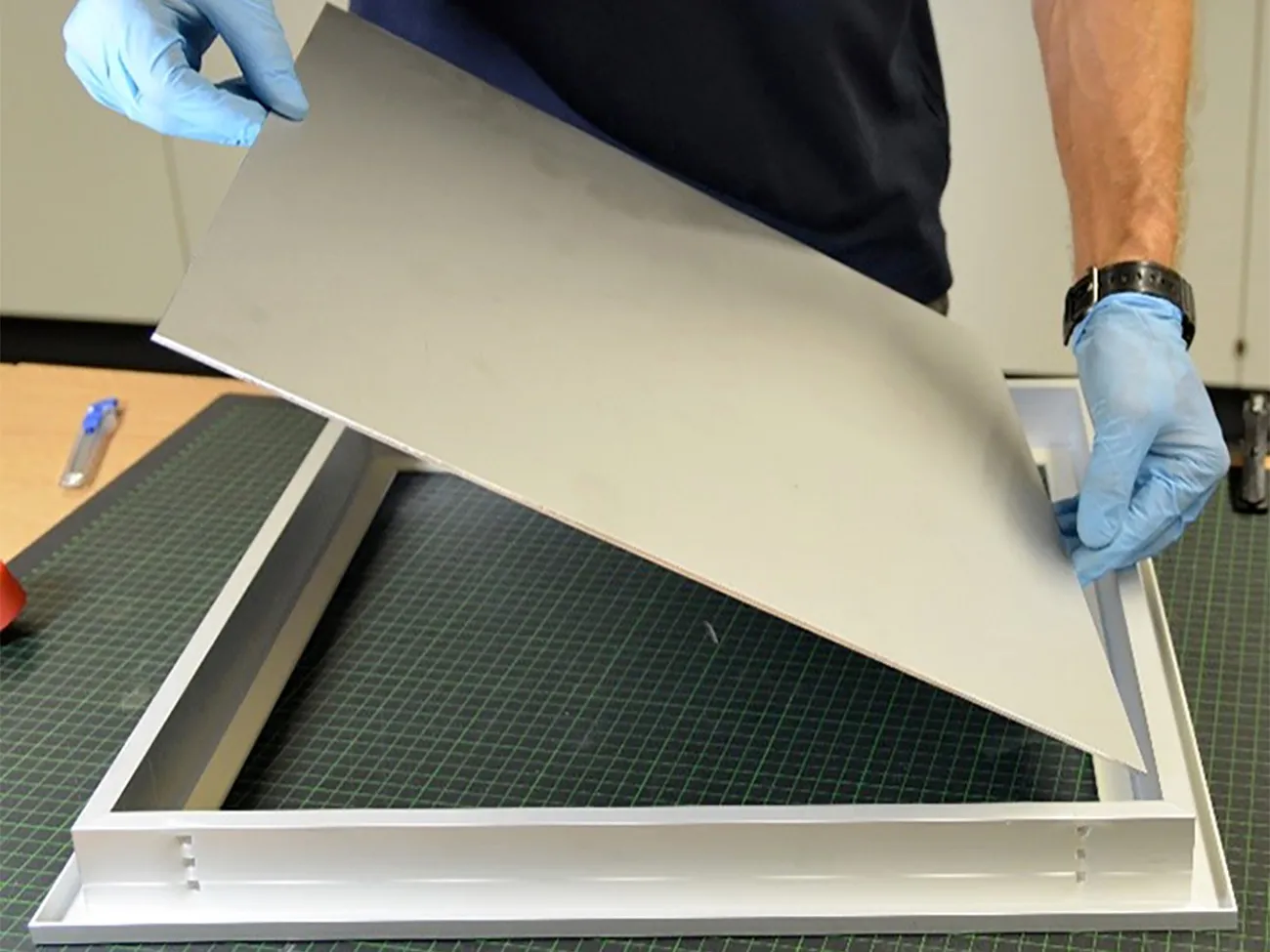
In many sectors, self-adhesive tapes are increasingly taking over from traditional fastening methods. The construction industry is no exception.
While conventional methods such as bolting, riveting and welding can damage materials and cause corrosion, those materials can also be joined carefully using double-sided tapes. With 7,000 different products for a wide range of applications, tesa® is the specialist. The company is now introducing a state-of-the-art heat-reactive self-adhesive tape that makes it possible to bond materials first and powder coat them afterwards: tesa® FUSE 45012.
In the 21st century, adhesives are more than ever the leading joining technology in the construction sector. There are many reasons why tesa® double-sided tapes are better than most conventional fastening methods. They stand out for their high bonding strength, even on difficult materials, and their very high initial tack. They can also be applied quickly and easily, significantly improving productivity and efficiency. There is no drying time and no extra work to remove adhesive residue. These tapes offer excellent resistance to shock, provide a complete seal with no visible joints and compensate for surface irregularities.
tesa® FUSE
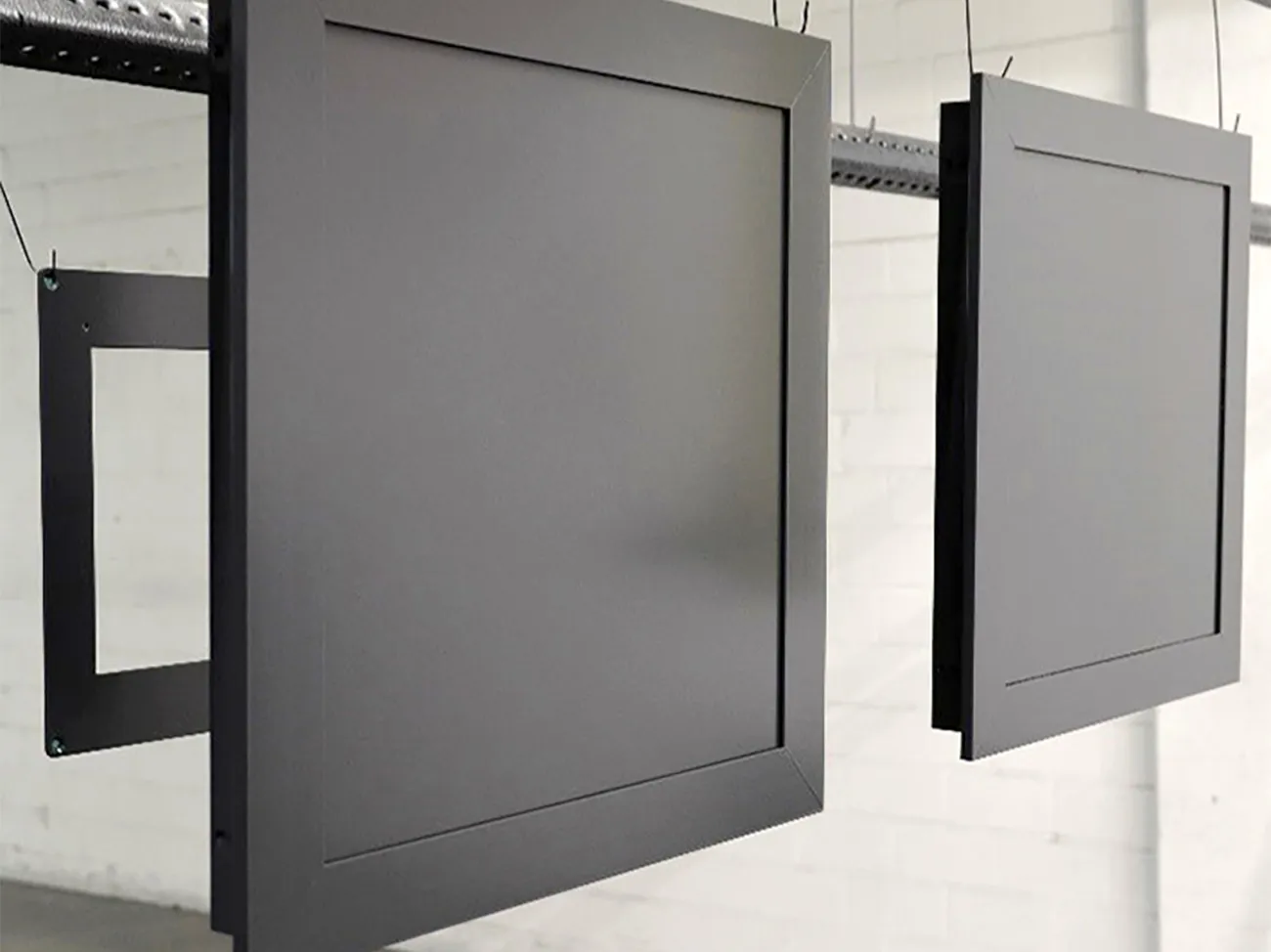
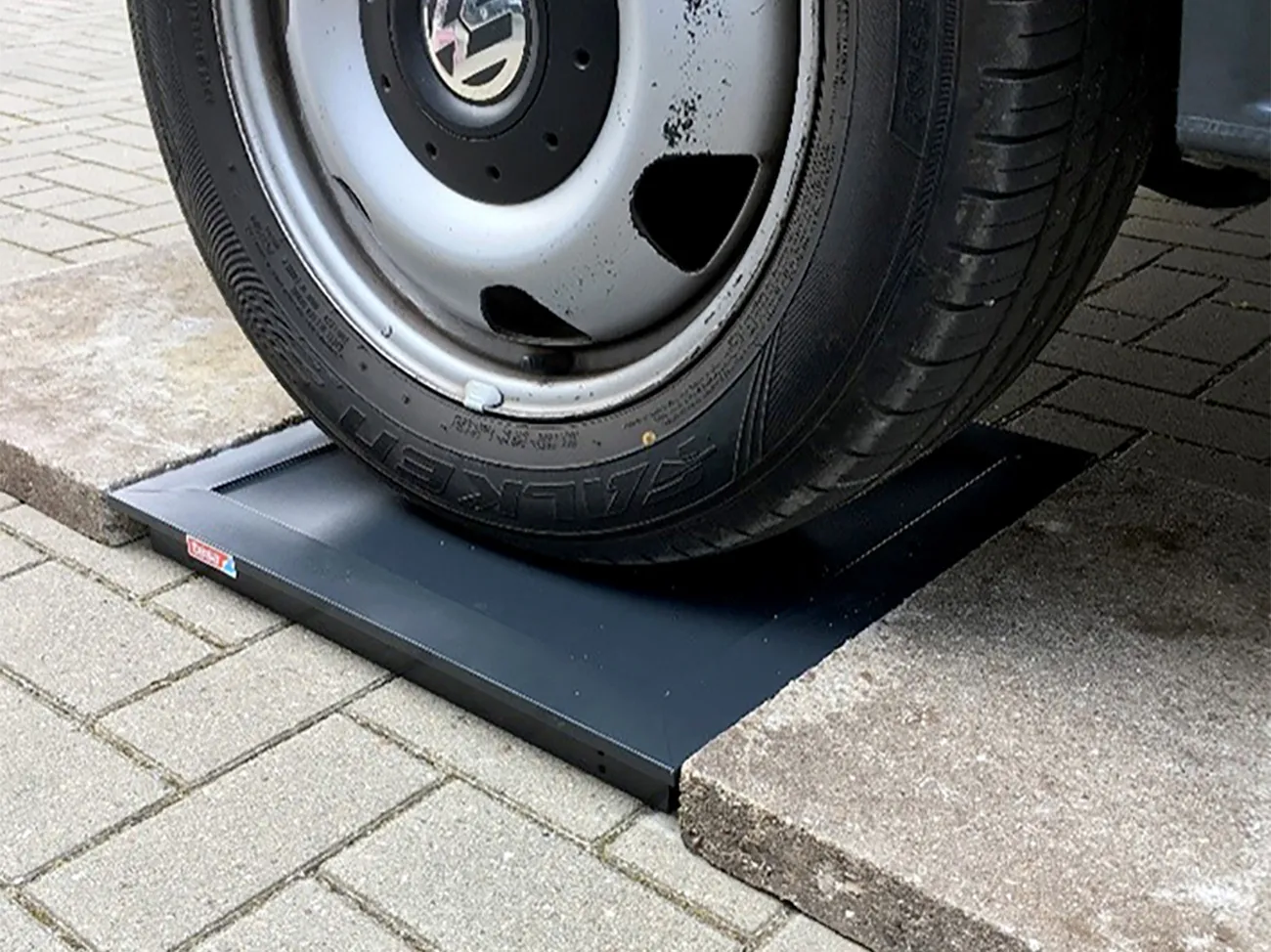
“With the development of tesa® FUSE 45012, we are taking things a step further. This heat-reactive self-adhesive tape allows materials to be bonded first, before they are powder coated. The 1.2 mm-thick tape has a bonding strength of 310 N/cm² after curing for 30 minutes at 200°C, and an elongation at break of 360%,” says tesa® business development manager Andreas Stein. “tesa® FUSE 45012 can be used as a self-adhesive tape during assembly: simply, quickly and cleanly. This innovative solution withstands the typical chemical pre-treatments, cleaning and drying processes, and the high temperatures in the oven. During baking, the tape cures to its final strength. After powder coating, the heat-reactive tape has very high bonding strength, withstands temperatures of up to 120°C and remains sufficiently flexible to compensate for the thermal expansion of different metals.”
Question about this story? Ask your question
Keep following this
Get an email when a new story is published. No account needed.
- SubjectProduct information