








Scaffold safety is becoming increasingly important
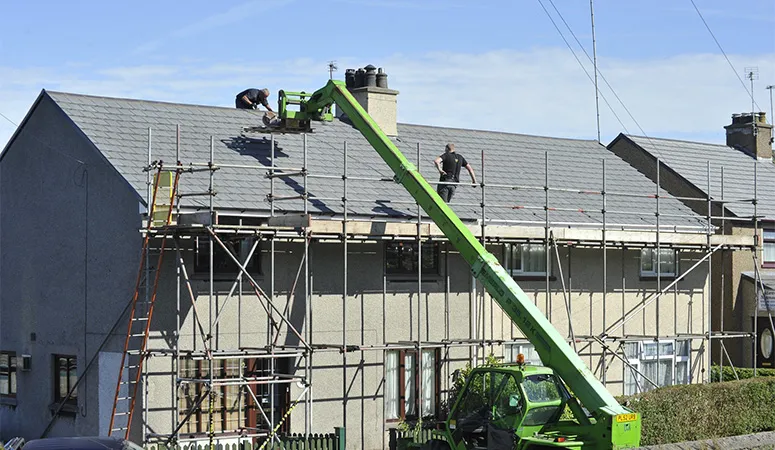
Construction is one of the most dangerous industries
Construction is one of the most dangerous industries to work in. Construction sites and their surroundings are where all kinds of accidents can happen, often causing injury and sometimes even resulting in death. It is no coincidence that safety in construction has received increasing attention in recent years. This concern is being voiced by employers’ and workers’ organisations, politicians and the media alike. And rightly so, because the figures are shocking. In March 2018, for example, national media reported that the number of fatal accidents in construction had risen sharply in the preceding years. While nine people died in 2011, the figure rose to 16 in 2016 and as many as 20 in 2017. Between 2009 and 2017, a total of 162 people died in the Dutch construction sector. These figures mean that around one in four fatal workplace accidents occurs in construction.
Scaffold use can be safer: new legislation
Falls and accidents involving machinery and tools cause a great deal of harm. Particular attention is therefore being paid to safety when using scaffolds in the construction sector. For this reason, significantly stricter rules on the assembly and use of the mobile scaffold tower have applied since 1 January 2018. Since then, construction companies and private individuals alike have been required to use scaffolds more safely.
Key points in the legislation
The Dutch Labour Inspectorate (Inspectie SZW) has drawn up work instructions advising scaffold users on how to use scaffolds more safely. The new approach sets out several key priorities. Scaffolds must always be erected in accordance with the manufacturer’s instructions, supported by a clear manual. They must comply with the NEN EN 1004 standard and be properly maintained at regular intervals. A specialist must inspect the scaffold at least once a year to check that it is in good condition. One important safety measure is the requirement to fit fall protection at waist height on the scaffold section before a new platform is installed or accessed. These waist-height guardrails must prevent construction workers and DIY users from falling off the scaffold. Increased attention is also being paid to securing scaffolds to the buildings where work is being carried out.
Question about this story? Ask your question
Keep following this
Get an email when a new story is published. No account needed.
- SubjectGeneral







