








Sustainability is a circle in which everything is connected
Text Lieke BousemaImage Reynaers Aluminium
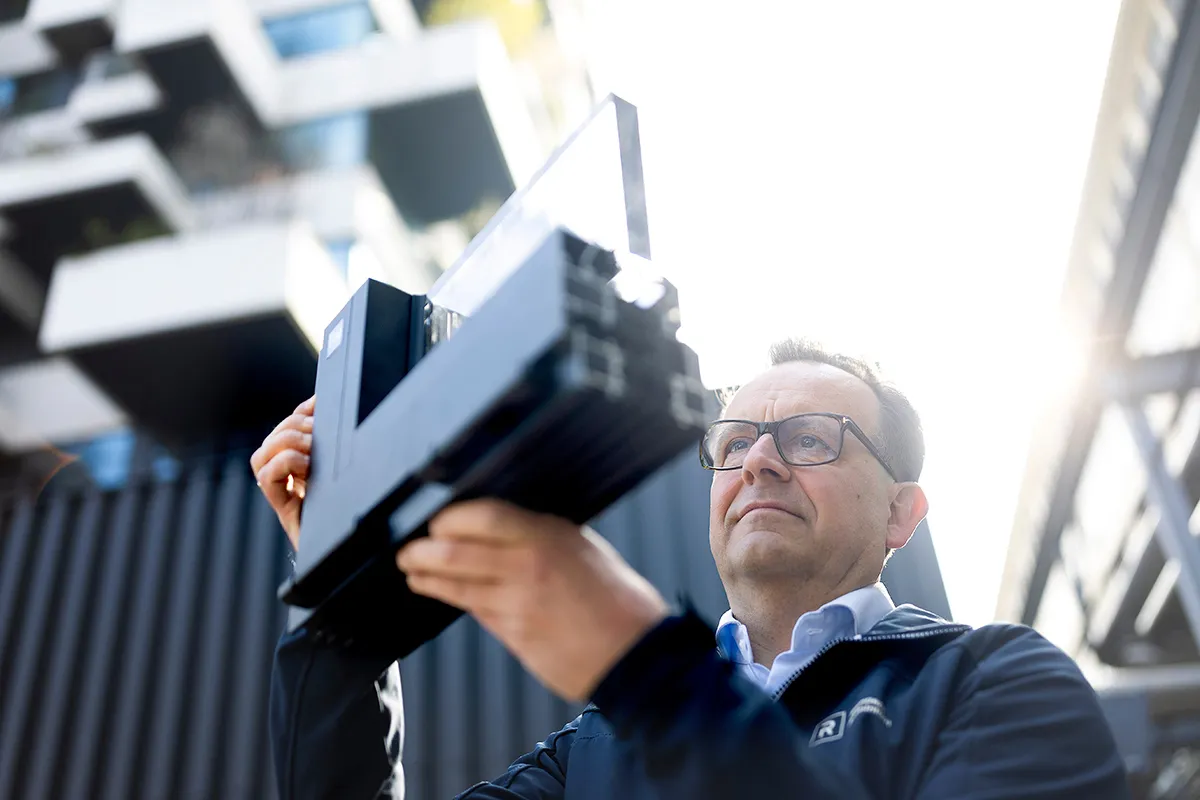
Sustainability cannot be addressed by looking at just one figure or one perspective
“At Reynaers Aluminium, we believe sustainability cannot be addressed by looking at just one figure or one perspective,” says Key Account Manager Andreas Ververis. “Instead, it is important to see the whole picture and act on it. That is why we take a comprehensive approach to sustainable, future-proof façades, taking every aspect of sustainability into account. From construction to maintenance, use and end of life, always starting with the right questions.”
“Construction professionals who want to create a better future often focus on a single figure: CO2 emissions,” Ververis observes. “The same is true when it comes to building façades. Of course, we recognise that reducing the carbon footprint of raw materials is an important step, but to make a truly sustainable impact, it is important to look beyond one figure. A broad perspective is essential, taking into account not only the initial material use, such as green or low-carbon aluminium, and certifications at product level (Cradle-to-Cradle) and building level (BREEAM or LEED), but also buildability and affordability. It is also important to consider the total operating life of the building and façade. For example, how can you keep operating costs under control from the design stage onwards? And how can you ensure that the materials used remain in the supply chain at the end of the building’s life? Collaboration with all relevant stakeholders is essential.”
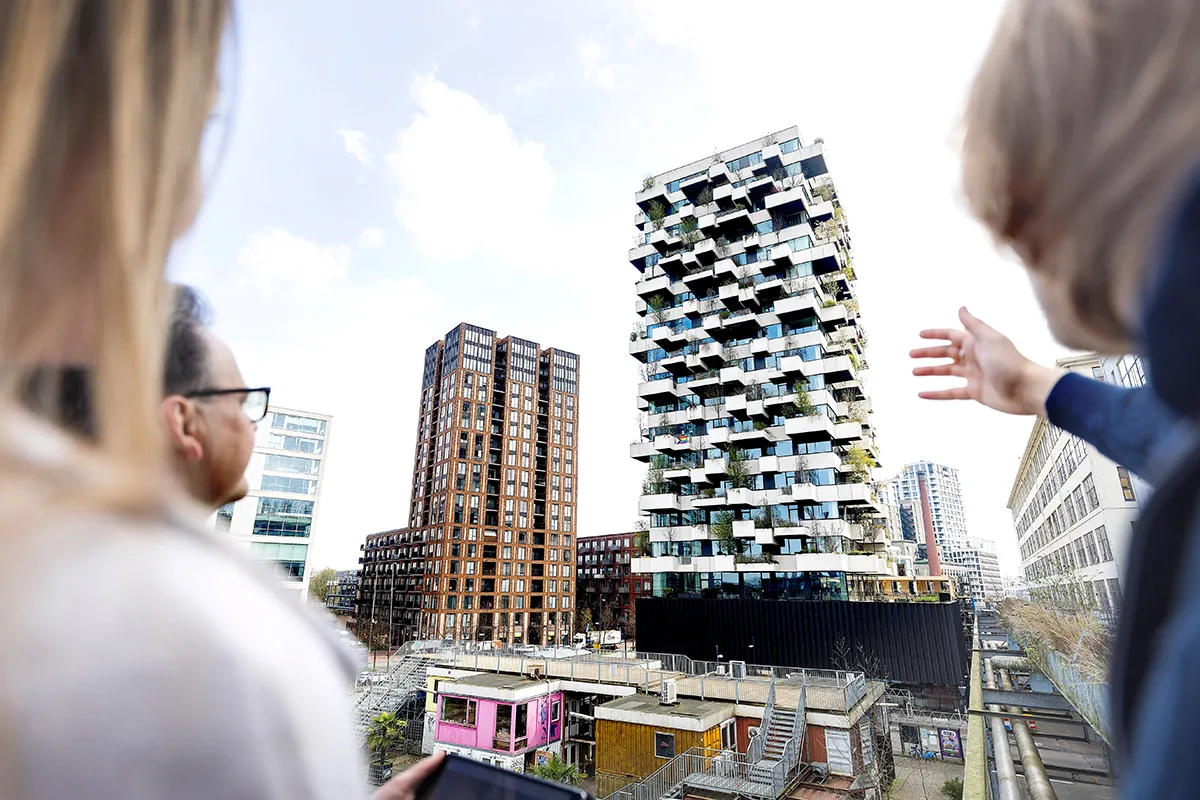
Energy-efficient doors, windows and façades
The average carbon footprint of Reynaers Aluminium Profiles in 2024 is 4.13 kg CO2e/kg aluminium (billet + extrusion). “In line with the Green Deal, we want to reduce this figure to 2.81 kg CO2e/kg aluminium by 2030,” says Ververis. “For example, by continually optimising the design of our products. 77 per cent of our aluminium is now low-carbon. This proportion will continue to rise in the coming years, but that is not enough (yet). Figures show that ‘only’ 30 per cent of a building’s emissions are ‘embodied carbon’. This is the emissions released when raw materials are extracted from mines, processed into building materials, during construction itself and when the building is demolished or reaches the end of its life. By contrast, as much as 70 per cent of emissions are operational carbon emissions, in other words, the energy used to heat, cool and power buildings throughout their entire lifetime. Energy-efficient doors, windows and façades, such as those from Reynaers Aluminium, are essential to reducing these carbon levels.”
“The façade has a major influence on a building’s performance and emissions,” Ververis emphasises. “Assuming an average building lifespan of sixty years, it is important to select the right materials, details and connections at the design stage. For example, with a view to creating a sustainable, future-proof and demountable façade, where adhesives and sealants are increasingly giving way to mechanical connections. This applies to our systems too, so they can remain in the supply chain for as long as possible.”
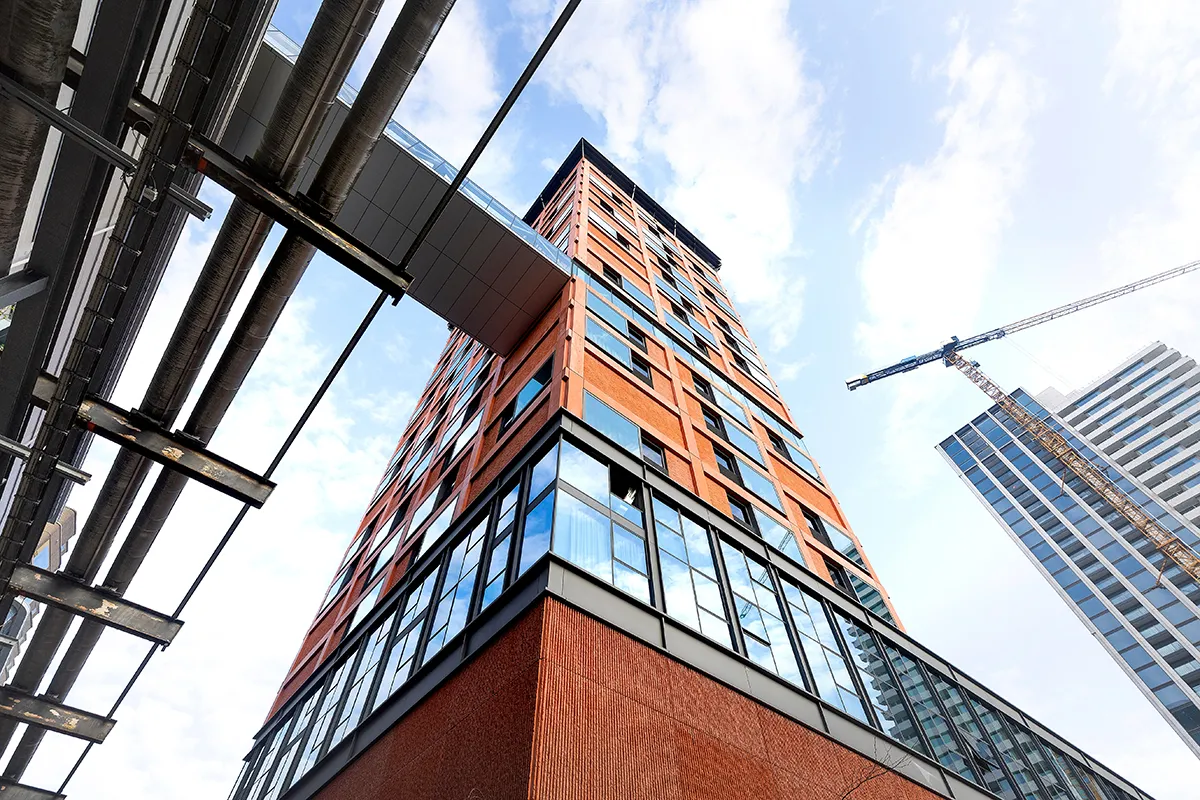
A fair mix
To address the environmental footprint of buildings, Reynaers Aluminium sees a twofold mission for the construction sector. “First of all, a strong focus on circularity and the recycling of materials and components is needed,” Ververis acknowledges. “But this also presents a challenge, because there simply isn’t enough recycled material to meet current demand. We believe the most impactful approach is therefore a fair mix. We take our share of the recycled material available and combine it with primary and low-carbon aluminium produced using green energy. An economical design ensures the minimum amount of aluminium per linear metre.”
All the aluminium processed by Reynaers Aluminium comes from European partners, but the company’s ambitions do not stop there. “For example, in collaboration with a number of market players in the Benelux, we have launched the ‘Closing the loop’ programme, with the aim of keeping valuable aluminium in the local supply chain and reusing it to the same standard.” Product finishing is also becoming increasingly sustainable. “For example, we are moving to Qualicoat Class 2 powders as standard, which guarantee better UV resistance and gloss retention.”
Large-scale renovation
Following the ‘optimal mix’, Ververis believes large-scale renovation will help make our existing building stock more energy-efficient and reduce current operational carbon levels. “As a systems house, we also offer a range of solutions for this, retaining as many elements as possible in keeping with circular principles.” He sees strong potential in a dynamic aluminium façade system, with standardised elements providing optimum flexibility, interchangeability and the ultimate in future-proofing.
A business enquiry for Reynaers? Get in touch
Companies in this story
Keep following this
Get an email when a new story is published. No account needed.
- SubjectGeneral
- CompanyReynaers







