








Value is more than the purchase price: a supply-chain perspective on glass
Anyone delivering large façade projects today knows that glass is no longer a simple building material. It involves complex glazing and glass make-ups that must meet energy performance, strength and safety requirements, aesthetic expectations and increasingly stringent sustainability standards at the same time. And that is not all: deliveries must arrive on time, in full and undamaged. This is part of a complex construction process in which predictability is expected, but flexibility is essential. Every mistake counts, and the risks can be considerable, financially, technically and reputationally.
Delivering projects of this kind successfully requires in-depth knowledge of glass, production and applications, as well as precise logistical coordination within often tight schedules. This is no coincidence, but the result of close collaboration, extensive expertise and mutual trust throughout the entire supply chain.
Despite this complexity, glass in façade construction is still too often treated as a commodity: a product that can be exchanged without difficulty, with the lowest price taking precedence. In this price war, all added value evaporates. Knowledge, engineering effort, reduced costs of failure and logistical certainty quietly disappear from view, while margins come under increasing pressure in these volatile times. This is not just short-sighted, it is downright risky.
The reality is that the foundations for a high-quality end result are laid long before production begins: during design, engineering, material selection and planning. This requires close coordination between the parties in the supply chain. To excel together, they need to see one another as partners. Not merely from a negotiating position focused on price, as this increases the risk of paying less attention to other aspects. Partnership means recognising and valuing each other’s role, knowledge and effort, transparently and on equal terms, before agreeing a fair price.
That is why we should be much more deliberate in choosing collaborations across the construction supply chain, basing them on shared responsibility rather than a one-sided focus on the lowest price. Let’s be honest: a supplier unwilling to compromise on technical support, product quality, production certainty and logistical reliability will lose out in a purely price-driven market. Not because they are no good, but because the system is set up the wrong way. Sooner or later, this focus on price at the start of a project leads to high costs of failure later on, making the cheapest option ultimately the most expensive.
Breaking this paradox starts with making a choice. The key, in my view, is not even tougher price negotiations, but supply-chain optimisation. By pooling knowledge at an early stage, substantiating decisions and sharing responsibilities, we can reduce costs of failure, improve quality and make lead times predictable. Not as a side benefit, but as the logical result of collaboration. Ultimately, this also makes the entire supply chain less costly.
That is why I advocate partnership focused on quality and value creation, through collaboration that keeps complexity manageable. This should not be a starting point, but a structural choice throughout the supply chain. It will enable us to serve our shared customers better than ever!
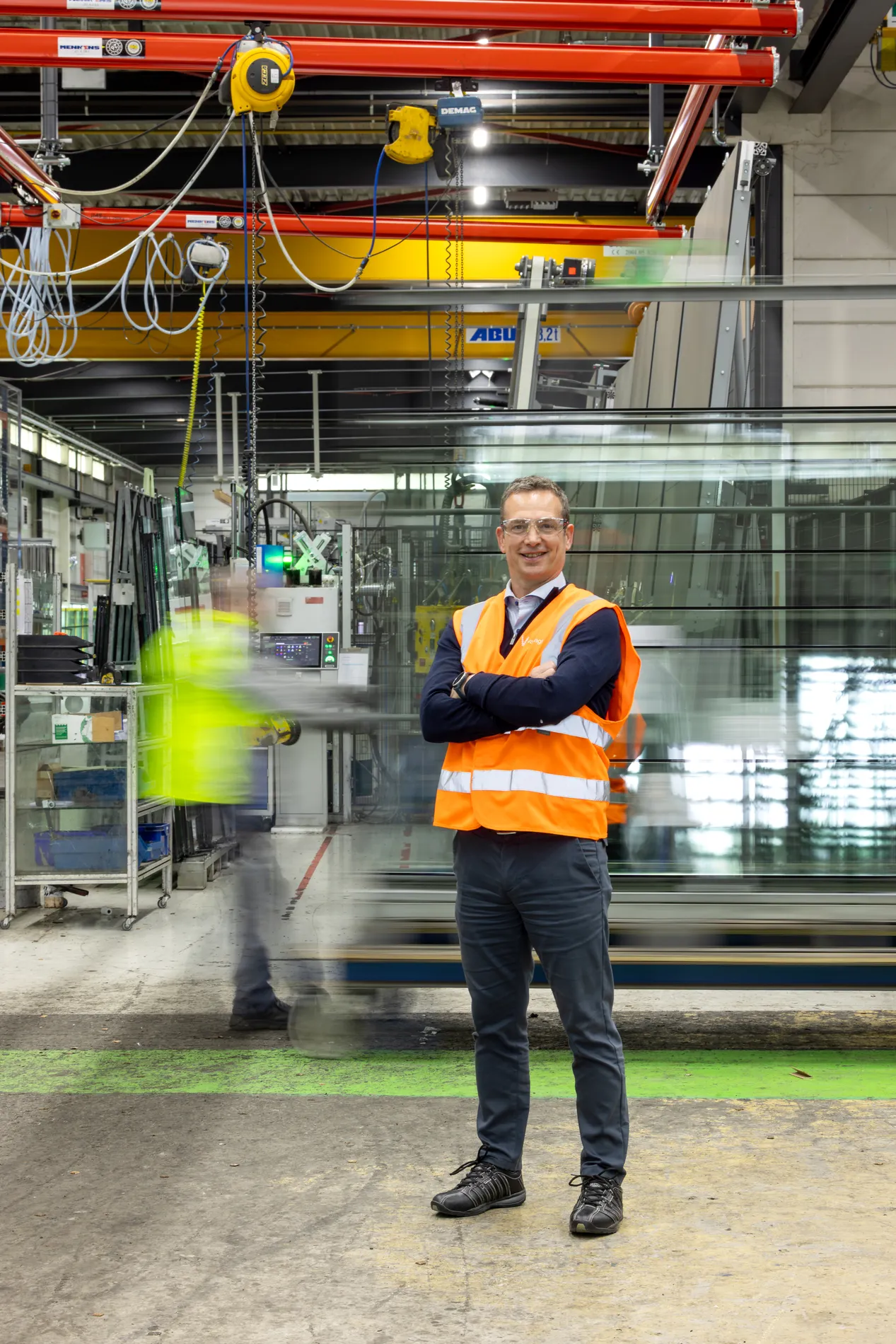
Mischa Baert, CEO Vandaglas b.v. | Advocate for partnership, quality and value creation in façade construction
Question about this story? Ask your question
Companies in this story
Keep following this
Get an email when a new story is published. No account needed.
- ThemeCollaboration in the facade industry
- SubjectGeneral
- CompanyVandaglas b.v.







