Sustainable production and delivery: from sand to customer
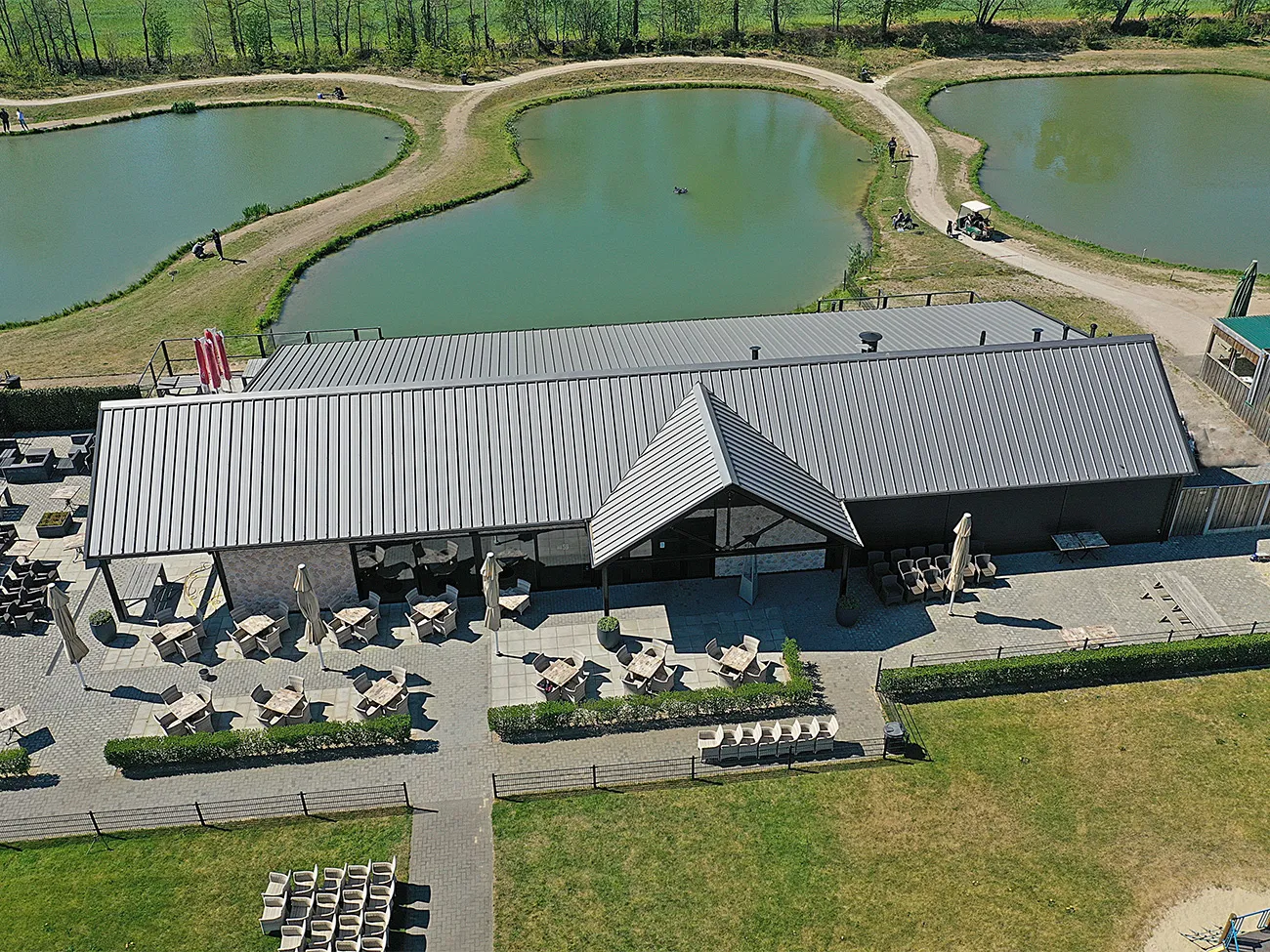
At Cladding Point, sustainable really means sustainable. Products can be manufactured and delivered under ISO 14001 and BES 6001, from sand to customer. This gives architects and contractors a major advantage when bidding for contracts. It also enables clients to set themselves apart from competitors with certified products, while many others do little more than greenwash.
Reducing waste is one of the key climate and environmental challenges, says managing director Harry van der Veen. In recent years, the director of Cladding Point has invested in sustainability throughout the entire supply chain. “That enables us to offer unique guarantees in the façade industry. Our products can be manufactured and delivered under ISO 14001 and BES 6001, from sand to customer. These are guarantees not yet required by law, but increasingly demanded by the market.” To ensure that its sustainable policy, from sand to customer, could be certified, Van der Veen brought in consultancy COR (Circular Organisation for Rebuild). “For us, sustainability is therefore not a marketing slogan, but a reality.”
Closed-loop returns
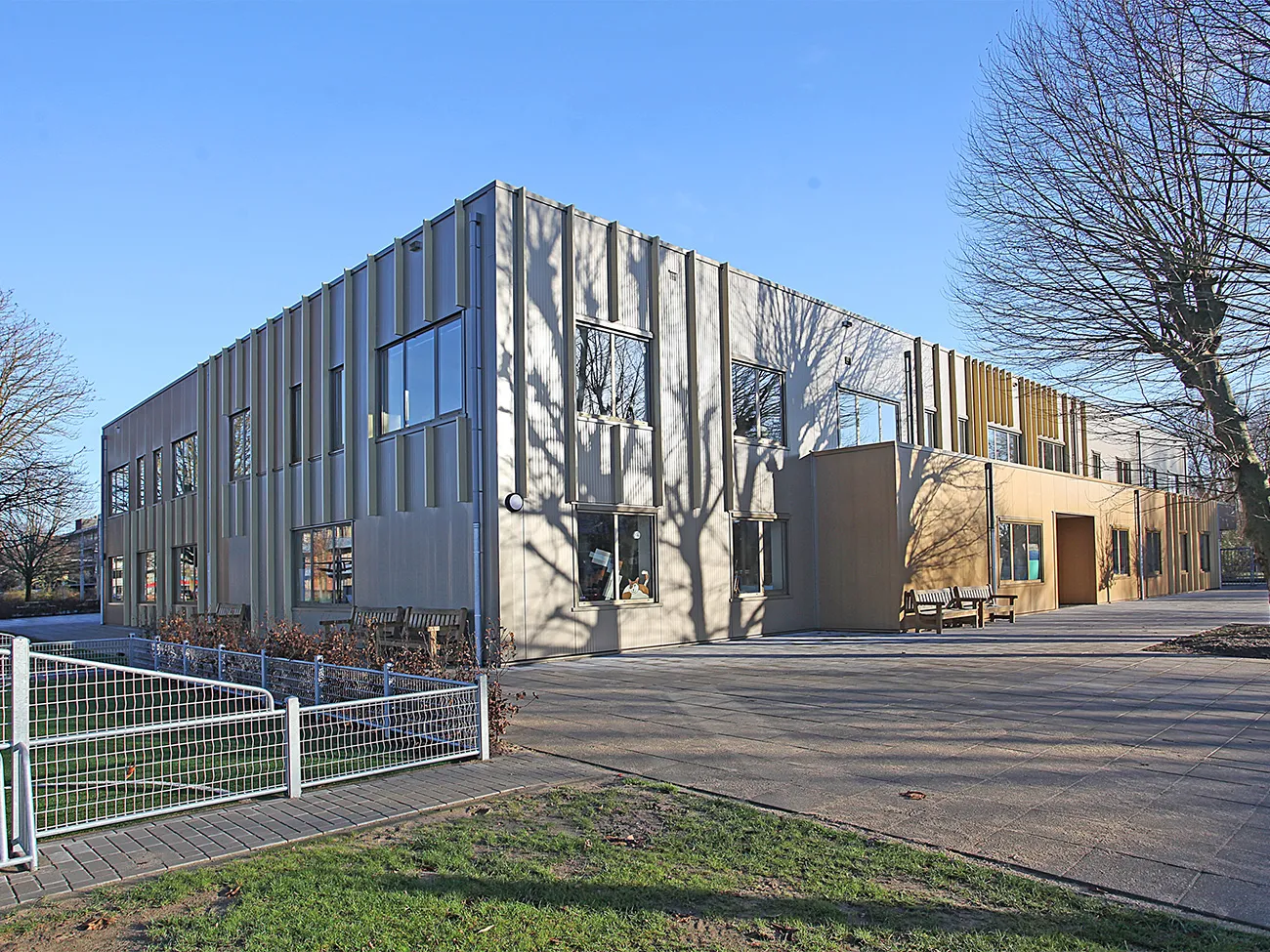
The promise of ‘Simplicity and Certainty’ is central to the way Cladding Point works. Van der Veen says: “You should not try to reinvent the wheel, but keep making it rounder. To reduce waste, we are working extensively on establishing and implementing closed-loop return systems so our products can be reused. Cladding Point façade panels are widely used not only in new-build projects, but also in renovation and extension projects. In many cases, old sandwich panels, either our own or another brand, are replaced. We are working hard to make it possible to build 100% circularly with our products in the short term, with access even to the highest subsidies in Europe.”
Fully recyclable
Reuse is not the only option on the sustainability ladder. For its sandwich panels at the end of their service life, Cladding Point offers the option of a take-back guarantee. Van der Veen explains: “We dismantle them responsibly. All the components, steel, foam and stone wool, are recyclable. We have contracts with stone wool manufacturers to recycle the stone wool. Steel can be mixed with new iron ore an unlimited number of times. And the recovered rigid foam gets a new lease of life as floor, cavity or roof insulation.” The company’s own operations are also certified. “All our employees are trained in what is and is not permitted. In addition, a large proportion of our transport is by rail, both the delivery of raw materials to our company and the delivery of sandwich panels to our customers.”
Material passport
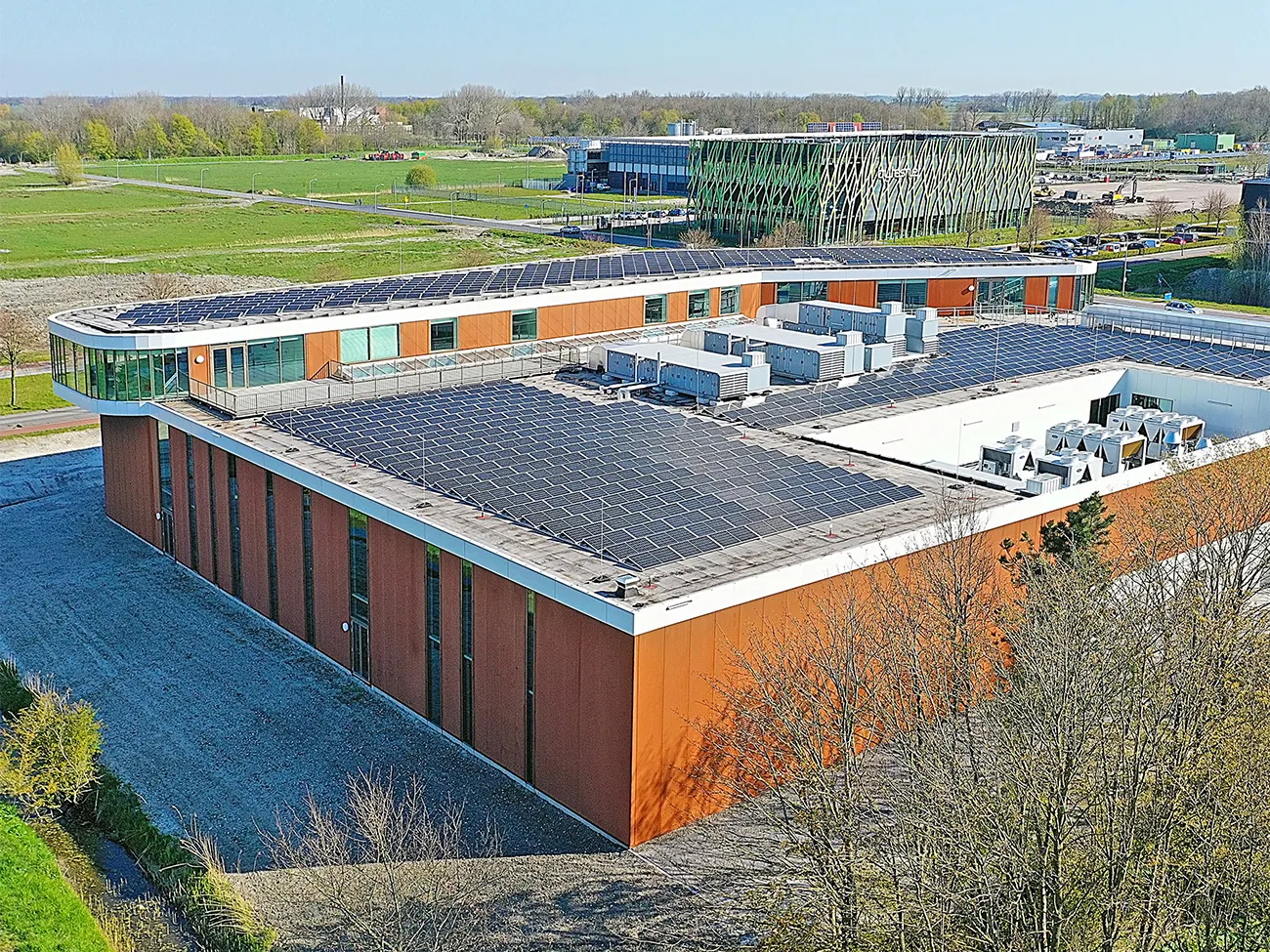
Alongside the significant progress already made, further sustainability ambitions are being developed. Each panel will have its own material passport, making all its characteristics identifiable in a detailed database. A process is also being set up to recover even offcuts from construction sites. Van der Veen says: “We will approach the entire construction chain, from the architect working with the client through to the contractor. The aim is to convince everyone that a low cost per square metre may look attractive at first, but that sustainability delivers much more in the long term. In financial terms, and through the added value of socially responsible business.”
Question about this story? Ask your question
Keep following this
Get an email when a new story is published. No account needed.
- SubjectPanels & profiles