A new generation of sustainable and affordable curtain wall and unitised façade systems
Text Roel van GilsImage De Groot & Visser
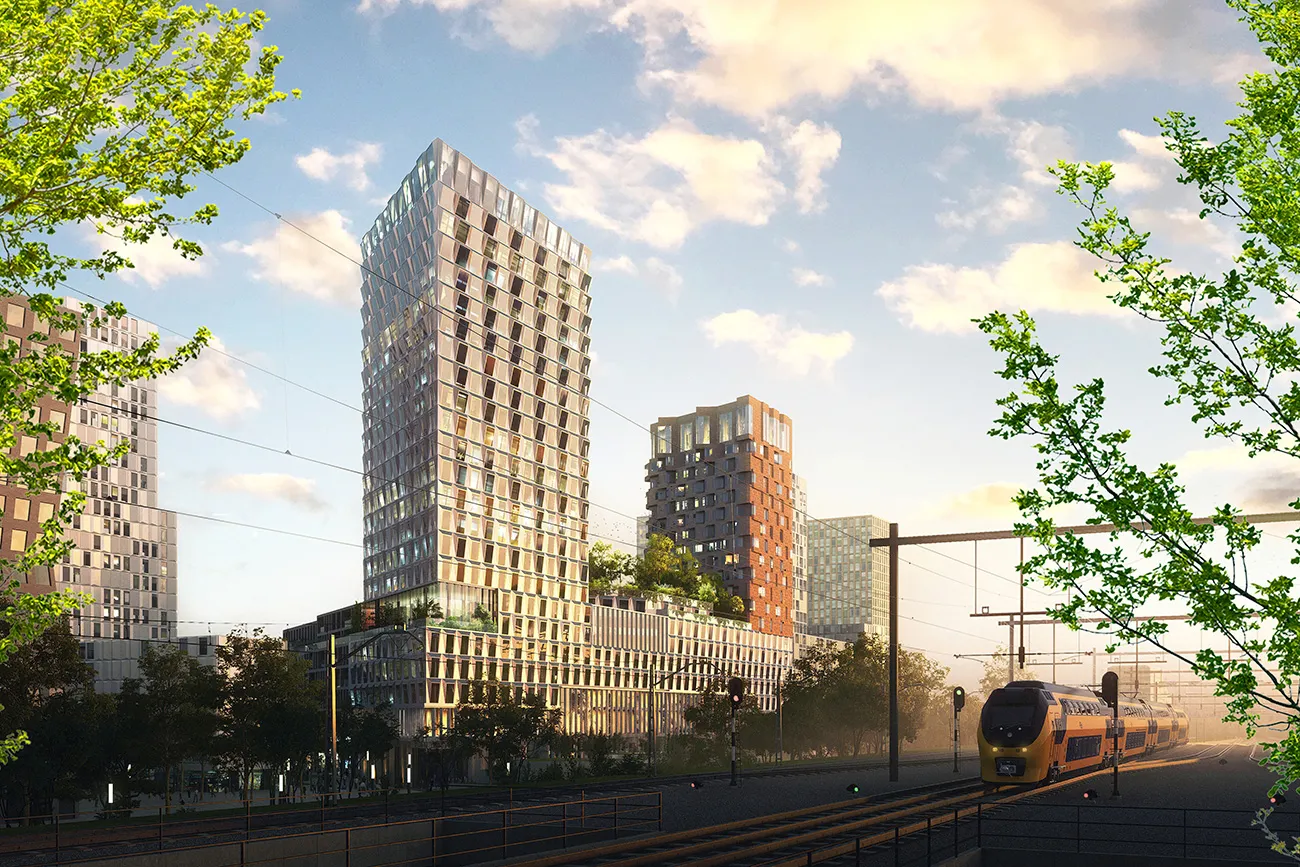
The construction industry is currently undergoing a ‘reboot’. Market confidence has hit a new low, leaving developers and investors sitting on their hands. That is the view of Anita de Groot, director of De Groot & Visser. In her view, this creates opportunities for market players. That is why the façade contractor is introducing a new generation of sustainable and affordable curtain wall and unitised façade systems now. Meet the BicoSkin and Ciskin façade concepts.
Alongside the huge challenge of providing housing, the construction industry also faces a major sustainability challenge, which will be further shaped by regulation in the coming years, says Anita. “The CO2 tax is just around the corner. It is due to be introduced from 2025, in principle, but whether the government can make that happen remains to be seen. Otherwise, it will be 2027 or 2028. That is quite a challenge, as the construction industry is no stranger to a degree of conservatism. Nevertheless, the entire construction supply chain will have to reduce CO2 emissions collectively. Every party is now setting its own targets, creating an interesting mix of approaches and priorities.”
Affordable sustainability
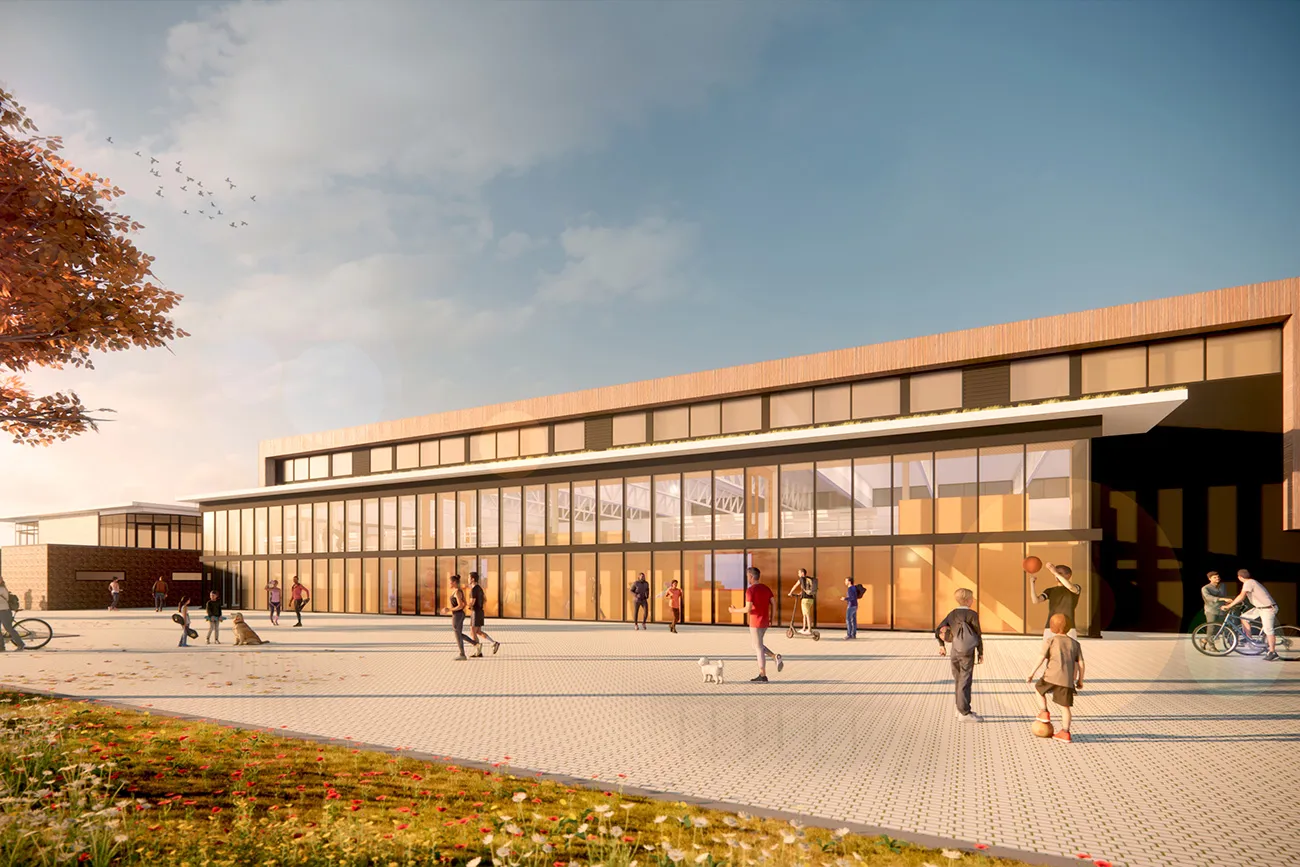
Sustainability is one thing, but the construction supply chain must also respond to developers’ and investors’ genuine needs from an economic and long-term perspective, Anita believes. “For the latter group, reducing CO2 emissions is not always the top priority, especially if it leads to a disproportionate increase in costs. As a façade contractor, we are taking responsibility by developing sustainable solutions that are also affordable, creating a win-win for everyone. Sustainability is also about the long-term wellbeing of building users in a pleasant, liveable environment. We keep that in mind in everything we develop.”
Ciskin
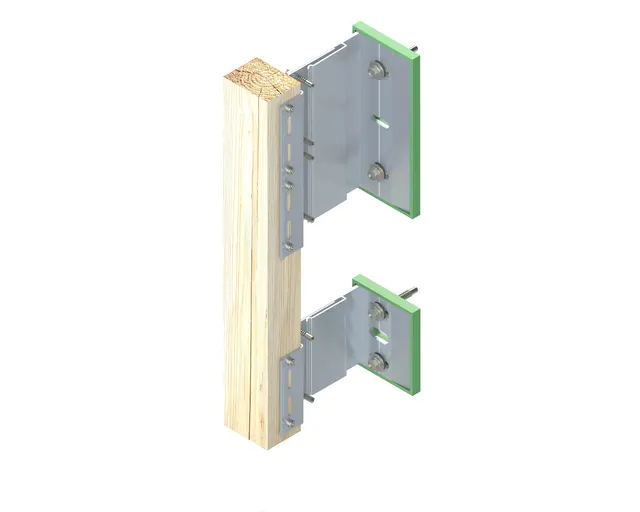
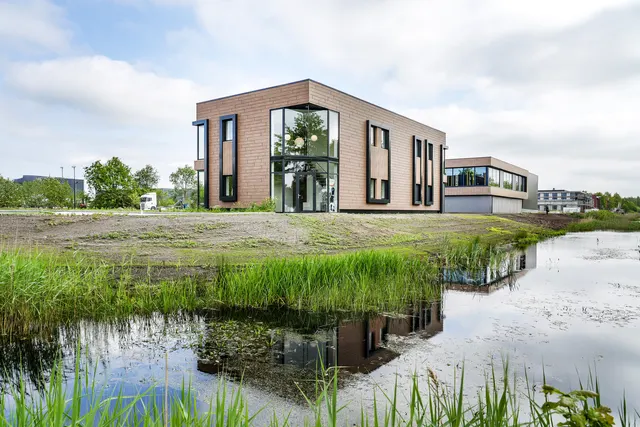
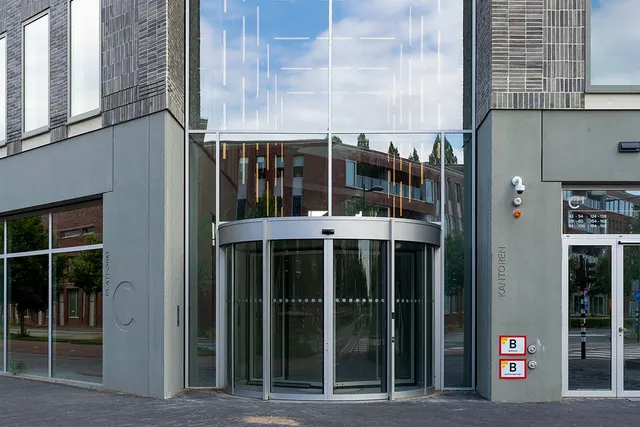
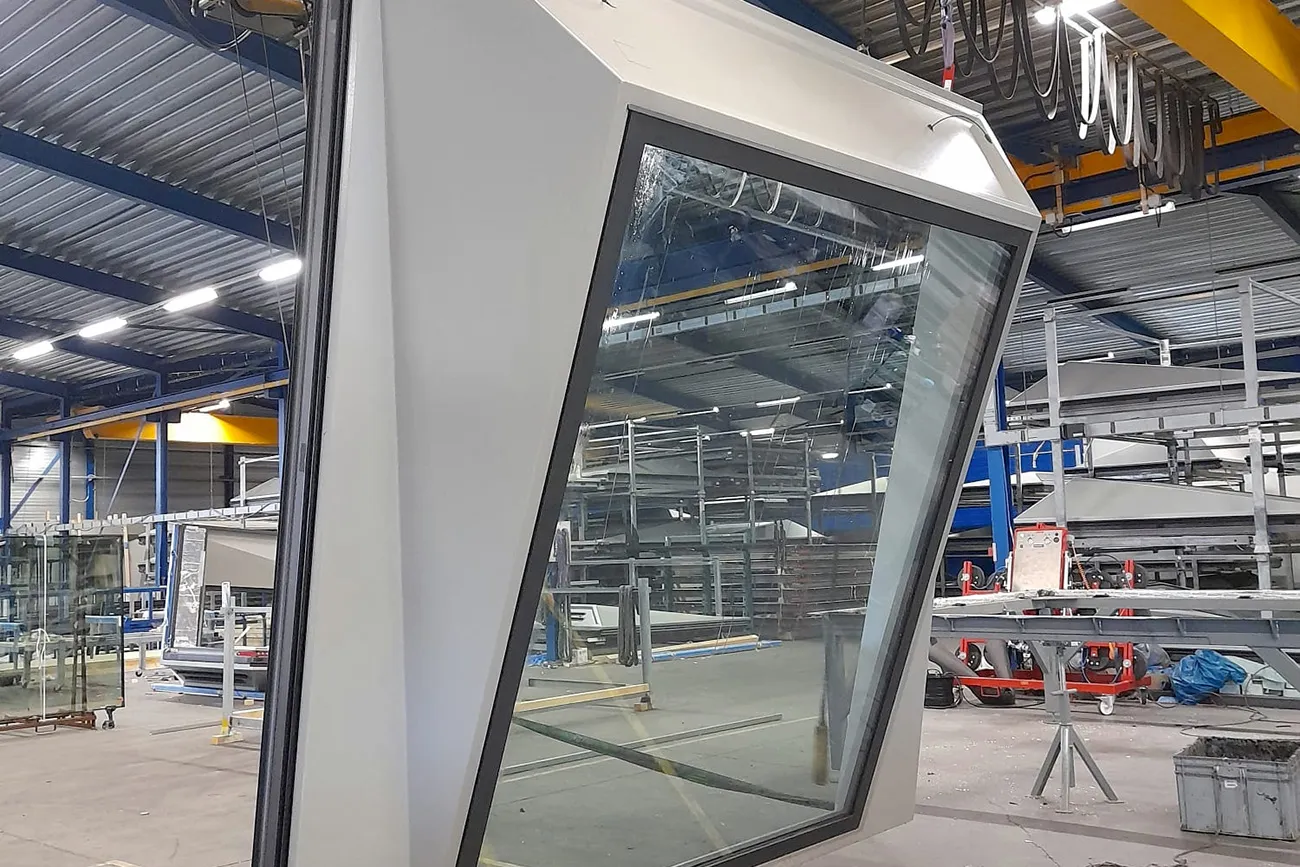
The new circular Ciskin curtain wall concept is the brainchild of De Groot & Visser, Alkondor and Wicona. “We joined forces to develop a flexible façade concept that is easy to adapt. The aim is to design a façade for a hundred years, not just ten or fifteen,” Anita emphasises. “That also makes the concept financially attractive. It is absurd that buildings, and therefore façades, from the 1990s are already being earmarked for demolition. Ciskin makes maximum use of recyclable materials, installed so that they can be dismantled, preferably within a fixed grid, and adapted in function and performance throughout the building’s service life. This means that a façade section glazed today can easily be replaced with, for example, a PV panel in the future.” The response to the circular façade concept has been promising, and the first project in Waddinxveen is scheduled for early 2024.
BicoSkin
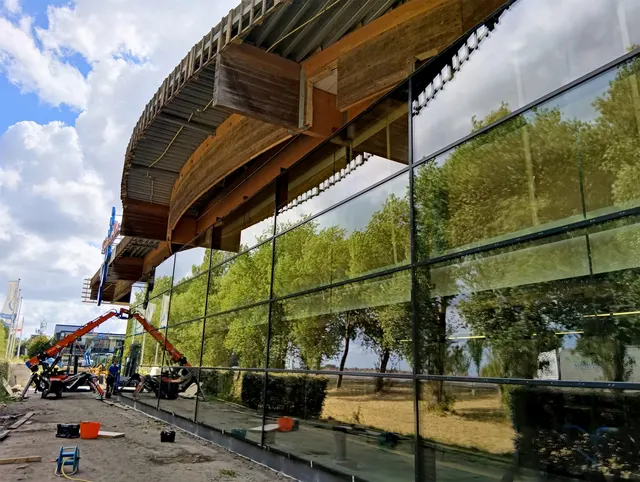
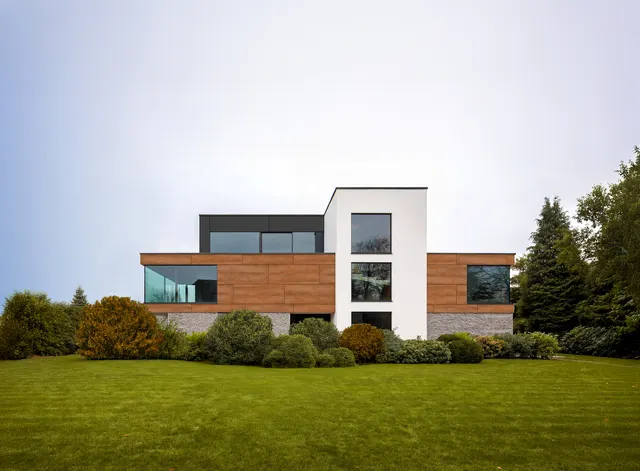
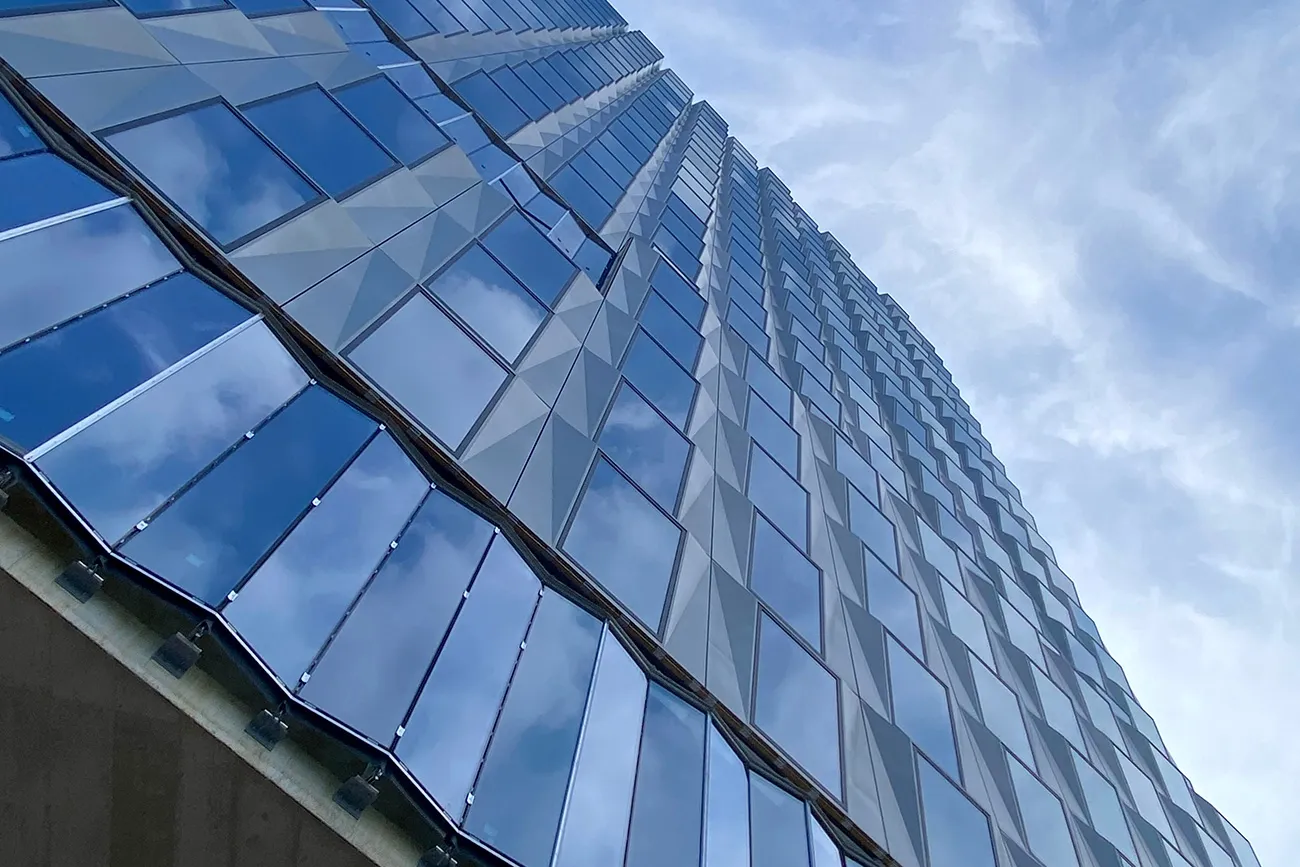
With the BicoSkin unitised façade, De Groot & Visser and development partner Holland Composites are taking a major step towards a sustainable future. “We use as few CO2-intensive materials as possible and incorporate bio-based materials, which have already absorbed CO2, as well as recycled materials,” Anita explains. BicoSkin comprises a core made from recycled PET bottles and a biocomposite shell produced from agricultural waste. The system can achieve an Rc-value of up to 6,7 m²K/W, while its carbon footprint is two to five times lower than that of timber-frame or concrete façades. “The units are fully prefabricated at our factory. No external finishing is required after installation. The biocomposite can also be pressed into a variety of shapes and combined with all kinds of finishes. This allows unprecedented freedom in form and colour. A fine example is the highly sustainable, geometrically shaped façade of The Pulse in Amsterdam, comprising 10.000 m2 of BicoSkin units. Truly a façade for the future.”
With both the circular Ciskin and the sustainable BicoSkin, which can be dismantled and upgraded over the long term, De Groot & Visser is addressing not only the sustainability challenge but also the long-term objectives of both contractors and investors. “Achieving this requires a great deal of collaboration and complete transparency,” Anita acknowledges. “Only then can we become more efficient, sustainable and affordable.”
Question about this story? Ask your question
Keep following this
Get an email when a new story is published. No account needed.
- SubjectFaçade cladding