Circular bio-based cladding made from 100% waste
Text and images INNODEEN en Startblock
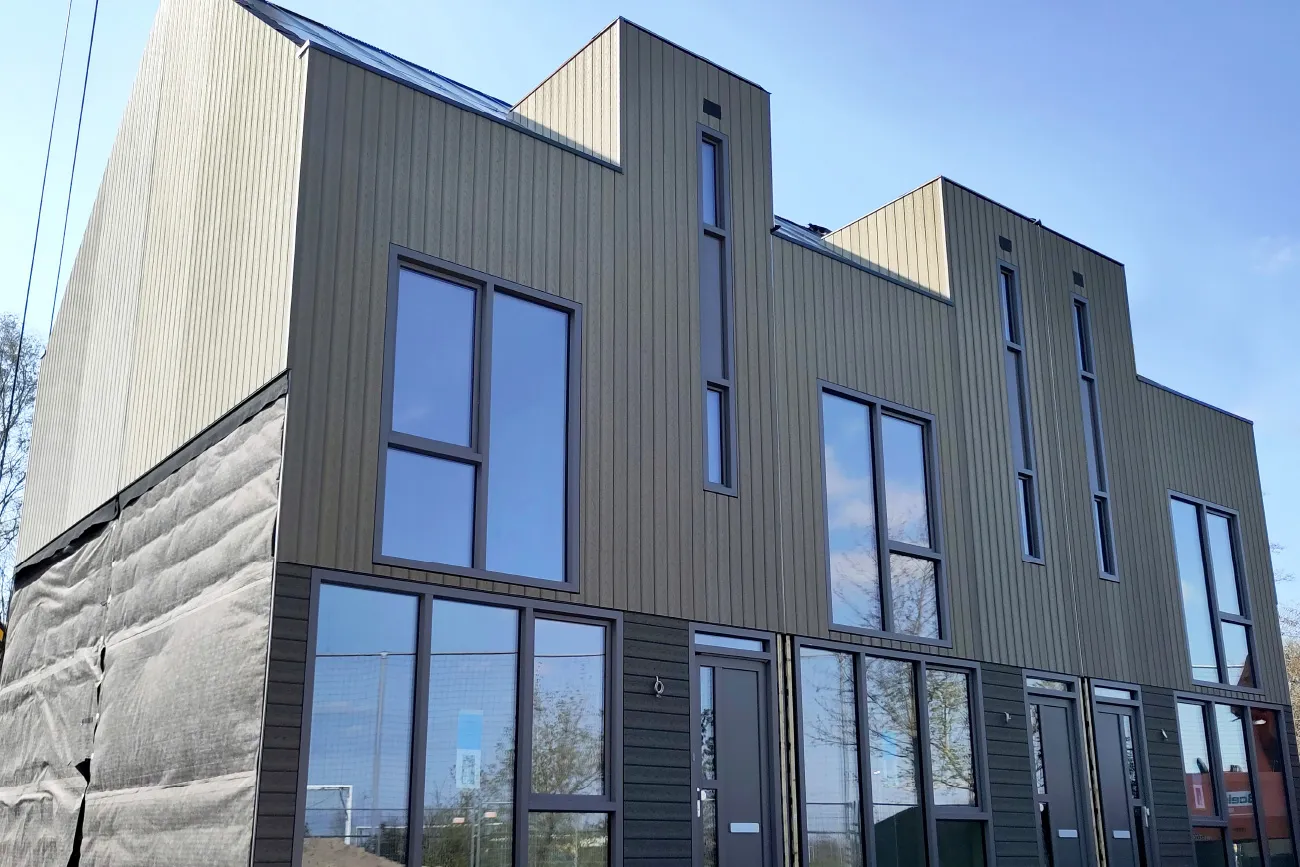
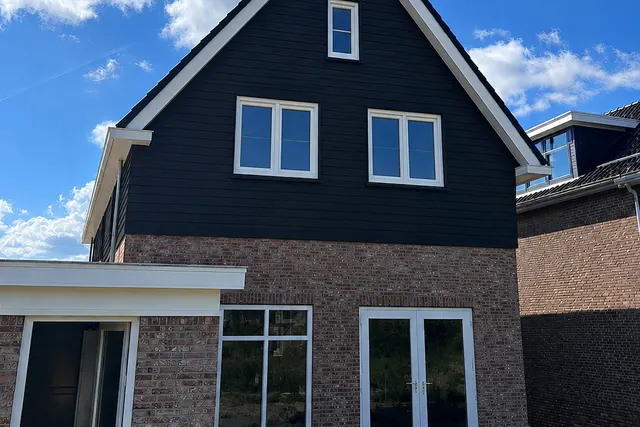
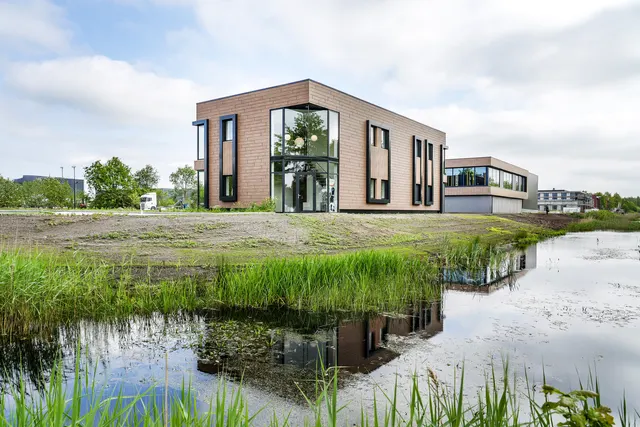
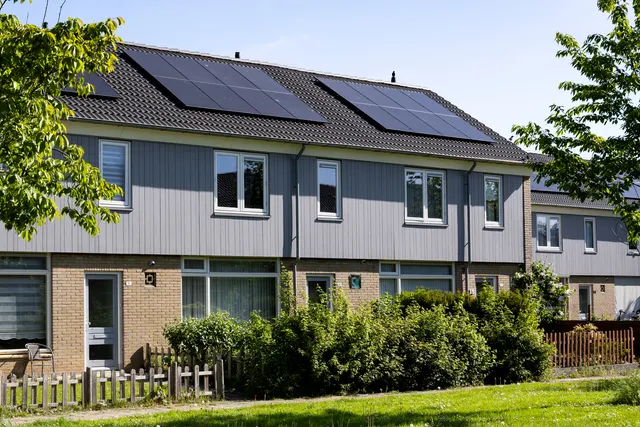
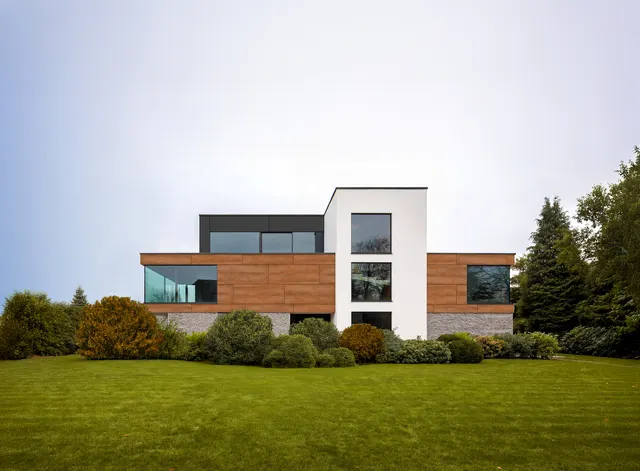
DBP SIDING circular bio-based cladding made from 100% waste offers several advantages over traditional cladding. Below, we discuss the main ones:
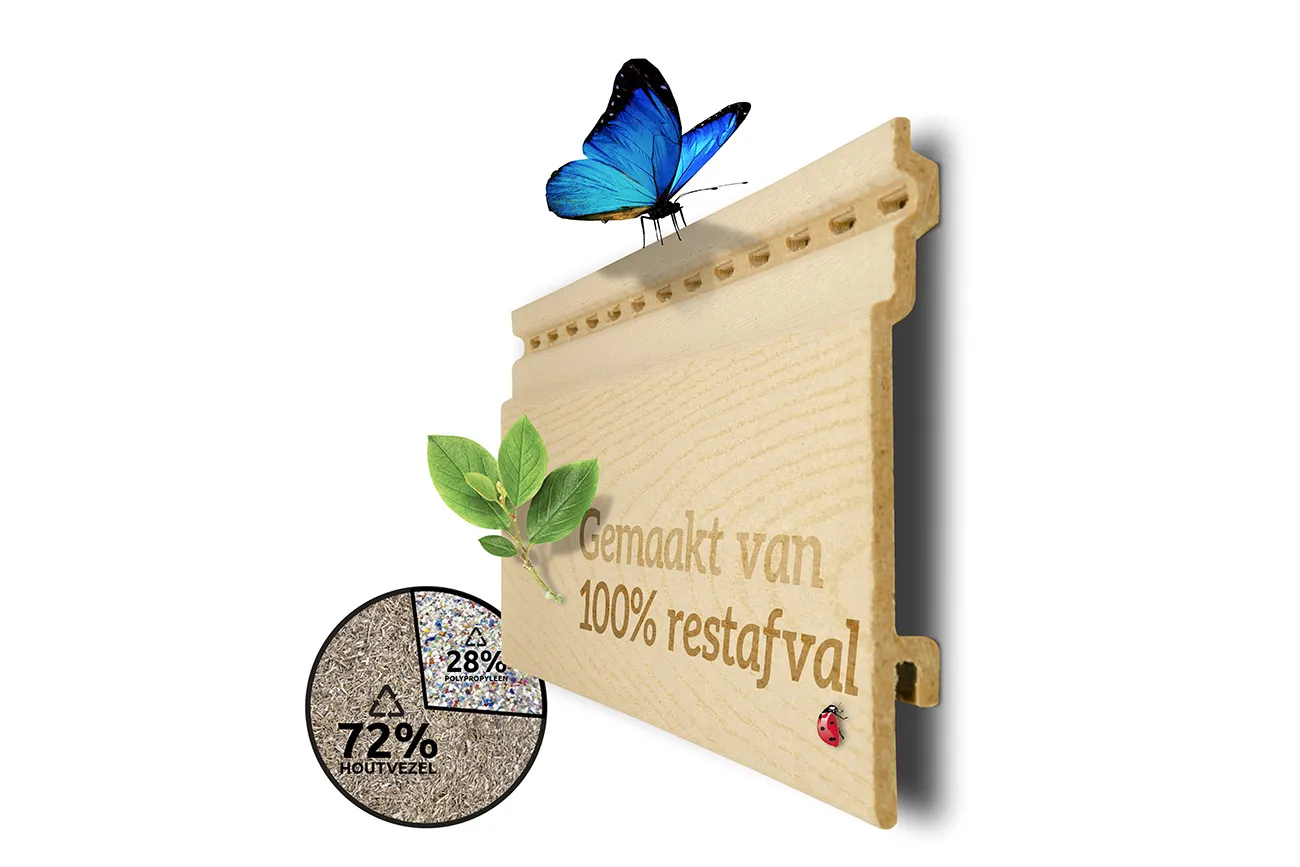
Circular and bio-based: DBP Siding cladding is made from Compodeen WFC, a circular bio-based composite consisting of 70% wood fibre and 30% polypropylene (PP). It is made from 100% waste, making it a sustainable and environmentally friendly choice. The wood fibres come, among other sources, from PEFC-certified waste streams from the timber industry and from unpainted demolition timber, also known as A-grade timber. The PP comes from the PMD household packaging waste that you and I put out for collection. Both waste streams are upcycled and combined to make cladding. This makes DBP Siding a unique circular bio-based cladding product.
Weather-resistant: DBP Siding cladding is weather-resistant and free from environmentally harmful additives. The material withstands all weather conditions without risk of degradation, making it highly suitable for use in the construction and cladding industries.
Natural-looking shades: DBP Siding cladding is available in seven different natural-looking shades and also develops a natural-looking silver-grey patina, just like wood. This means there is a suitable cladding option for every project.
Sustainability: By choosing DBP Siding circular bio-based cladding, you contribute to a more sustainable world. Using waste as a raw material reduces the amount of waste produced. The use of bio-based materials reduces CO2 emissions compared with traditional cladding. As DBP Siding can be reused multiple times, CO2 remains stored for at least 100 years with ease, and according to the Intergovernmental Panel on Climate Change (IPCC), this constitutes permanent CO2 storage.
Certification: DBP Siding cladding is KOMO-certified and meets fire class D.
In short, DBP Siding circular bio-based cladding offers many advantages over traditional cladding. It is circular, bio-based, weather-resistant, low-maintenance, available in natural-looking shades and sustainable. By choosing DBP Siding cladding, you contribute to a more sustainable world while enjoying an attractive and functional façade.
Request colour samples with no obligation at: innodeen.nl/dbpsidinginfo
Een zakelijke vraag aan INNODEEN BV? Get in touch
Companies in this story

Keep following this
Get an email when a new story is published. No account needed.
- ThemeFacade design and construction
- SubjectFaçade cladding
- CompanyINNODEEN BV