‘Classic’ steel-look in aluminium
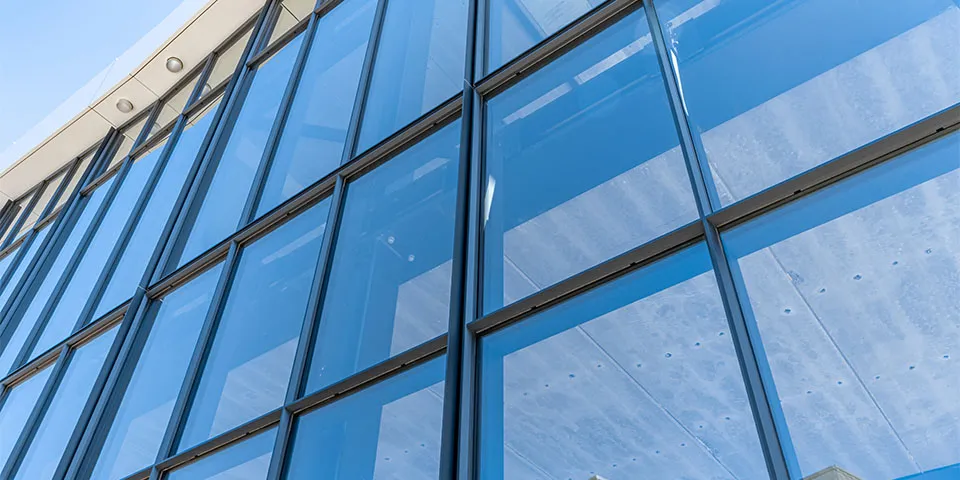
The village of Den Deijl in the municipality of Wassenaar has gained a museum. And what a museum! The new building was initially to feature a slender steel curtain wall, but Lieftink Geveltechniek engineered a more cost-effective aluminium alternative, while retaining the full ‘look and feel’ of steel. A 3D printer was even brought in to convince the design review committee.
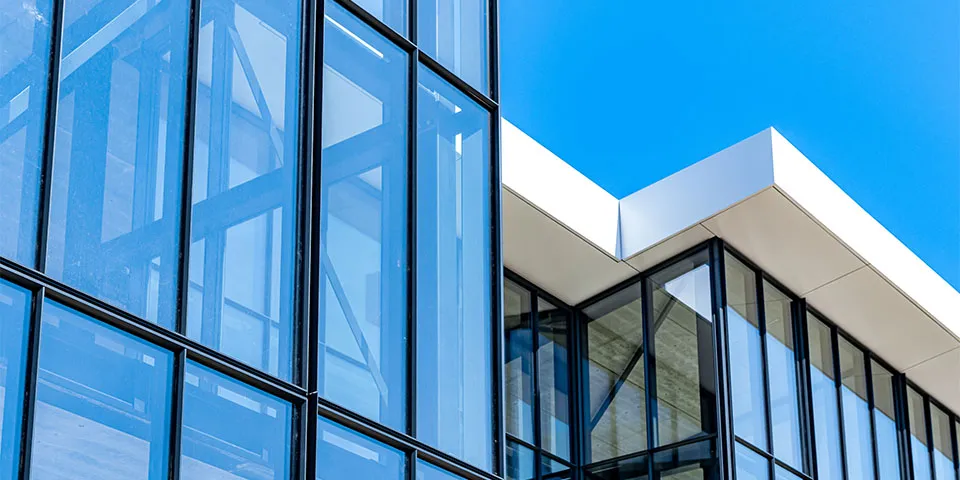
Combined with a matt fine-textured powder coating, the curtain wall system is indistinguishable from steel.
“We weren’t involved at first,” begins Joost Plompen of Lieftink Geveltechniek. “The building had to have a ‘classic’ steel curtain wall, with an appearance that suited the surrounding buildings. The permit had been granted on that basis. It turned out to be a costly proposition, prompting the client to look for an alternative after all. We were given the opportunity to engineer an aluminium alternative. We seized it, especially as we had already completed several similar projects in the past, using a slender aluminium curtain wall with a putty-line appearance.”
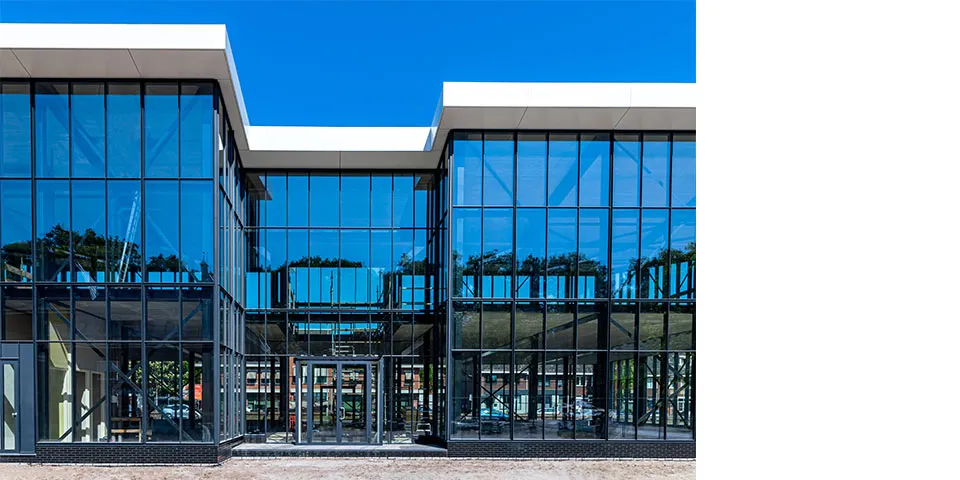
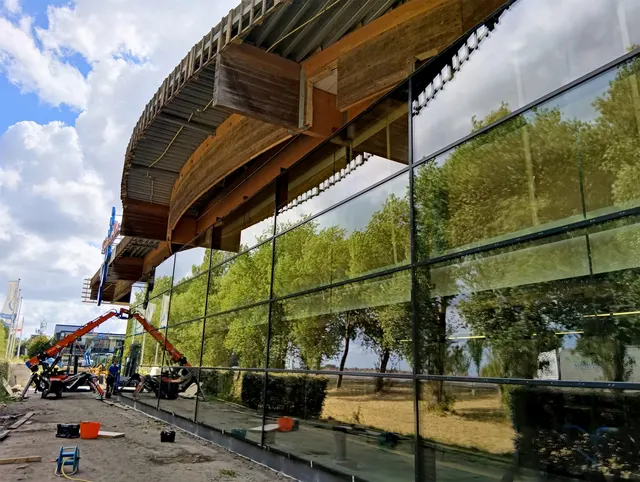
The result is stunning, with an incredibly slender, slim appearance and the characteristic Dudok-style roof, a feature of the former buildings on this site.
Modified profile
“This project was even more challenging,” Plompen recalls. “The face width of the profile had to be just 35 millimetres. Schüco, our regular supplier, offers a system with that face width, but not with the steel-look appearance we wanted. Working with Schüco, we modified the FWS35 system to bring it into line with the architect’s original design. The basic principle of the system remained unchanged, but by developing a modified snap-on cover with chamfered edges, we were able to achieve a putty-line appearance. The structural part of the curtain wall was also modified. The square box sections were tapered, making the sightline from inside even narrower than the required 35 millimetres. Combined with a matt fine-textured powder coating, the curtain wall system is indistinguishable from steel.”
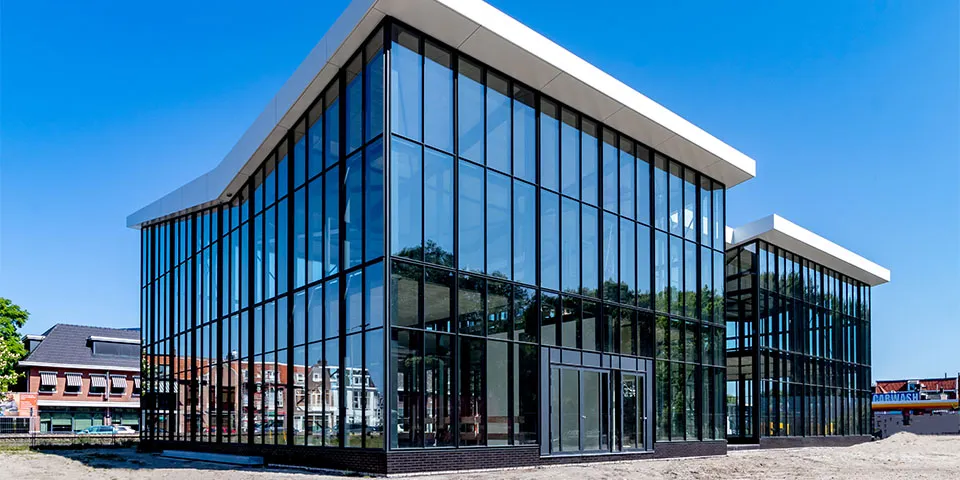
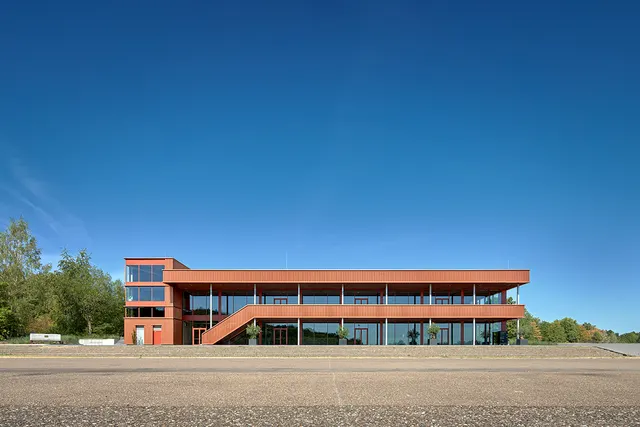
The village of Den Deijl in the municipality of Wassenaar has gained a museum.
3D printer
Once the aluminium system had been fully engineered, it was up to Lieftink Geveltechniek to convince the design review committee of the alternative. “The modified profile had not yet gone into production,” Plompen explains. “To give the committee the clearest possible idea of what the aluminium steel-look profile would look like, we put our 3D printer to work. We used it to produce a complete model of a section of the façade, including the glass. The committee was immediately convinced and extremely enthusiastic. The modified curtain wall system then went into production and we have now installed it on site. The result is stunning, with an incredibly slender, slim appearance and the characteristic Dudok-style roof, a feature of the former buildings on this site.”
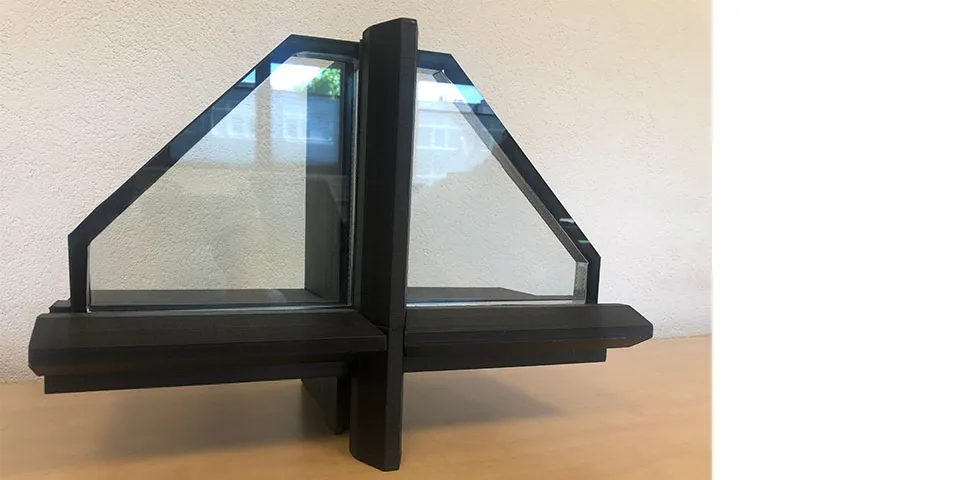
Lieftink Geveltechiek used a 3D printer to produce a complete model of a section of the façade, including the glass.
Question about this story? Ask your question
Keep following this
Get an email when a new story is published. No account needed.
- ThemeFacade design and construction
- SubjectFaçade cladding