DBP SIDING: Giving circular construction a face
Text and images Sablebonne Communications
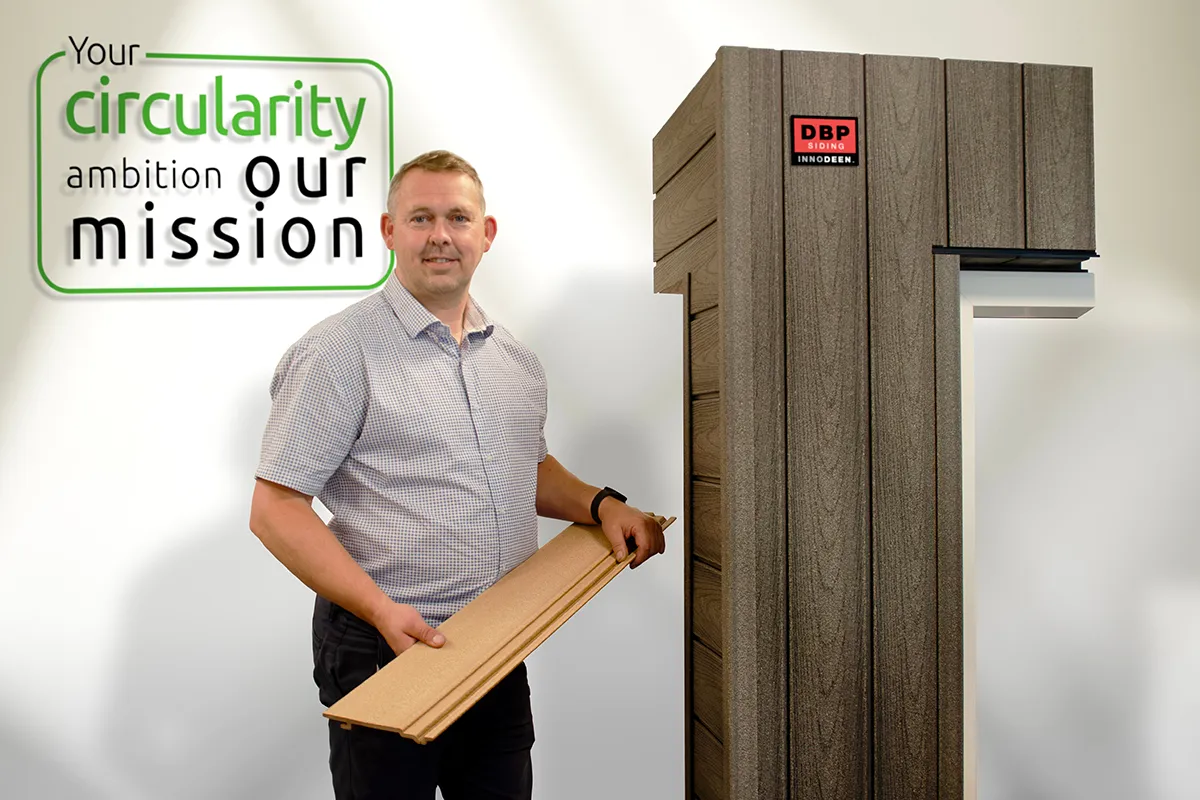
The construction sector faces major sustainability challenges. Architects, contractors and property developers are looking for materials that are not only attractive, but genuinely sustainable and circular. In conversation with Marcel Willemsen of Innodeen, we discover DBP Siding, the innovative façade cladding that meets all these requirements.
Sustainability from secondary raw materials
“DBP Siding is made from Compodeen, a bio-based composite consisting entirely of upcycled secondary raw materials,” Willemsen explains. The material is made up of 70% wood fibres from A-grade timber and PEFC-certified residual streams, combined with 30% recycled polypropylene (rPP) from household PMD waste. “We transform two low-value waste streams into a high-quality product with durability class 1 under the NEN-EN 350 standard.”
Rather than ending up in incineration at the bottom of the R-ladder, these residual streams are upcycled into a high-quality circular product loop. This not only extends the service life of materials, but also reduces dependence on virgin raw materials, an essential step towards more sustainable material use.
A natural appearance in a range of finishes
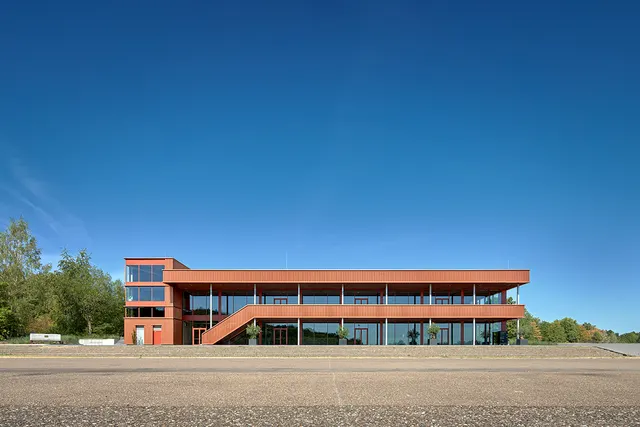
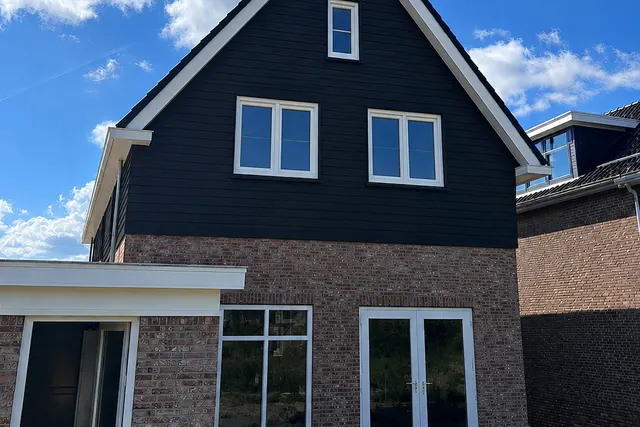
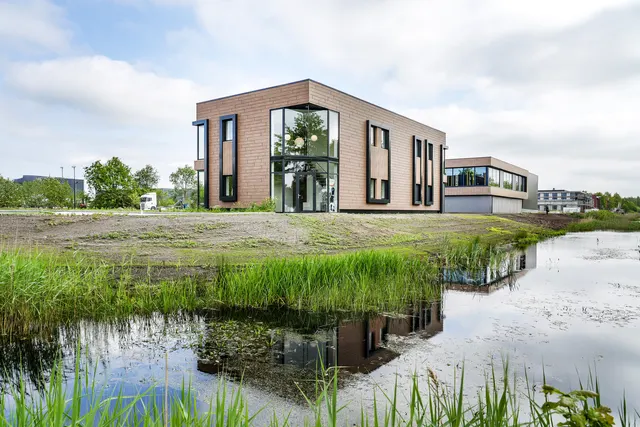
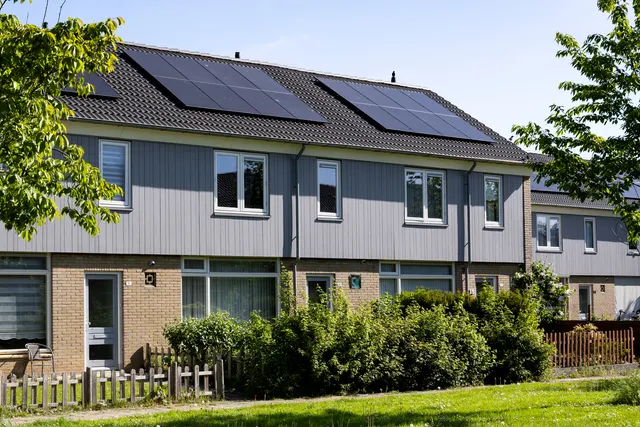
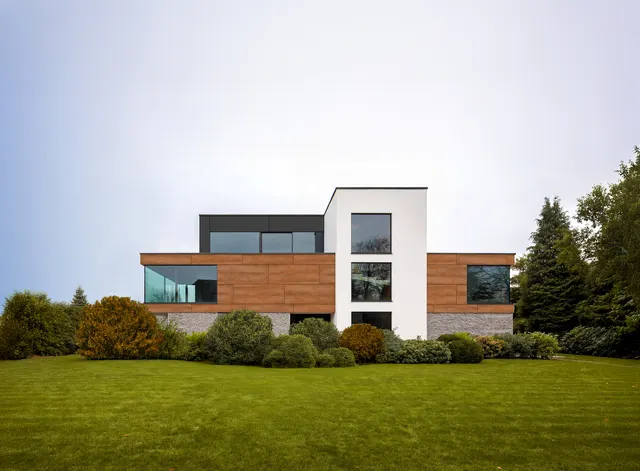
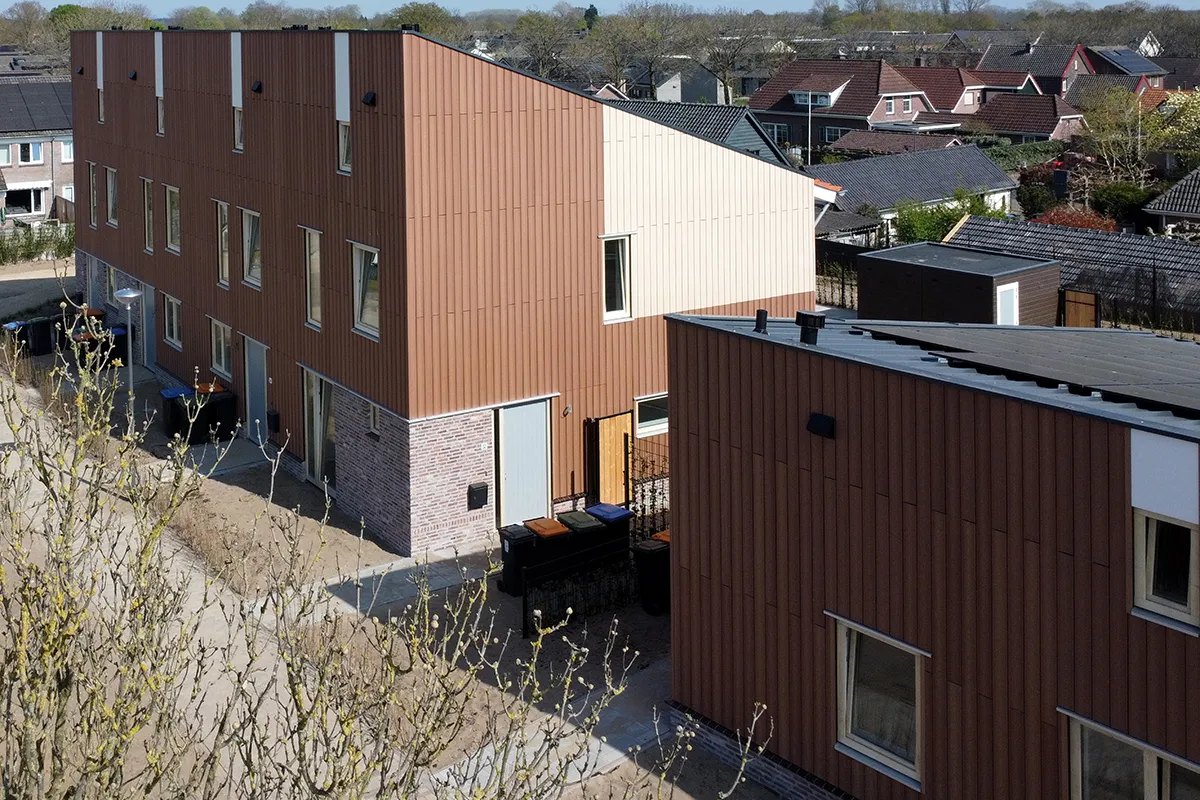
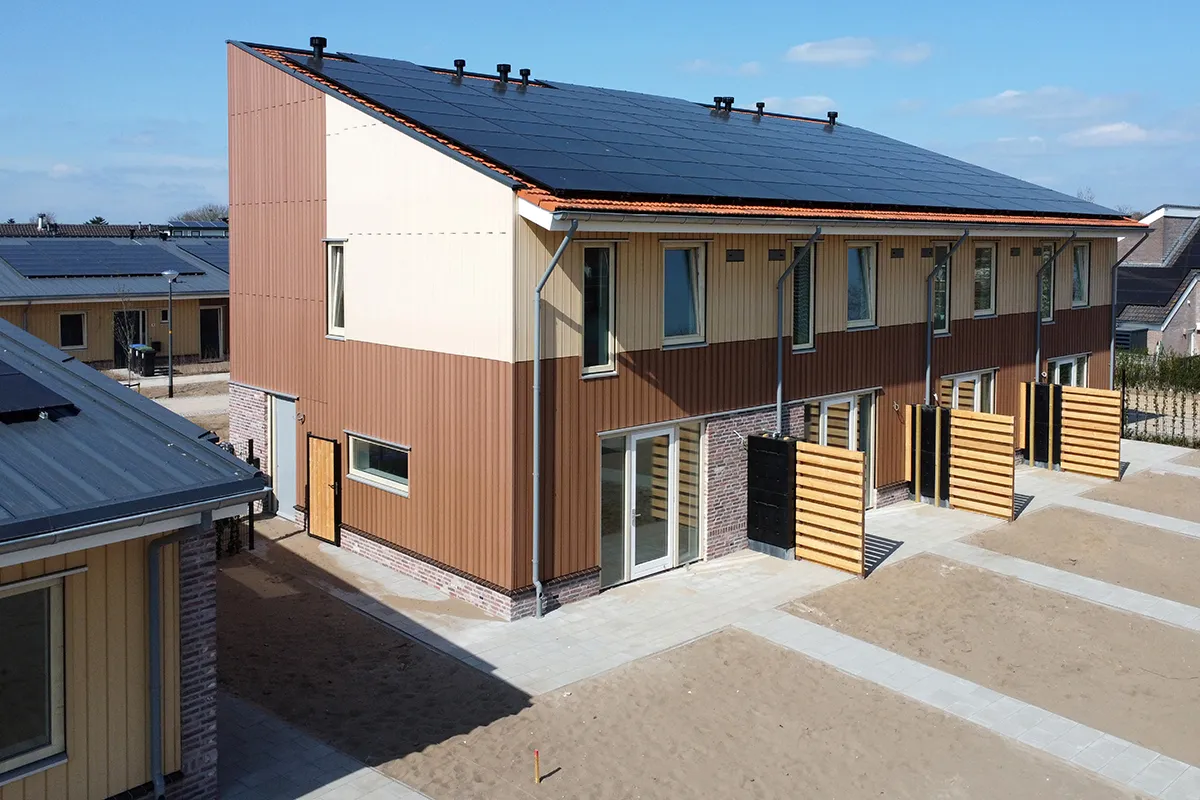
The result is façade cladding that seamlessly combines aesthetics and sustainability. DBP Siding is available in seven natural-looking shades, making it easy to incorporate into a wide range of architectural designs. A choice of two attractive finishes, Brushed and Wood Print, gives architects and designers maximum creative freedom. Willemsen says: “DBP Siding weathers naturally, just like wood. The key difference is that no trees need to be felled. This allows us to retain the CO2 stored in existing wood streams and avoid unnecessary tree felling.”
Circular and future-proof
One of DBP Siding’s unique features is its circular nature. At the end of its service life, the cladding can simply be ground down and used as a raw material for new façade cladding. Willemsen emphasises that DBP Siding is sustainable not only in production, but also in use. “This closes the loop completely.”
National Environmental Database
DBP Siding is KOMO-certified and listed in Category 1 of the National Environmental Database. The LCA data has been assessed by an independent, qualified third party in accordance with the NMD assessment protocol. This provides an Environmental Cost Indicator, expressed as a monetary value used in MPG (Environmental Performance of Buildings) calculations. Willemsen adds: “This gives our partners in the construction industry the assurance that they are using a product that meets the most stringent sustainability standards.”
Building a sustainable future together
With DBP Siding, Innodeen offers a powerful solution for companies serious about sustainability. By using fully circular bio-based materials, they help construction professionals achieve their sustainability ambitions without compromising on quality, appearance or performance. Willemsen concludes enthusiastically: “With DBP Siding, we are not only giving circular construction a face, but also putting heart into sustainable innovation.” Want to request samples? Visit the Innodeen website.
A business enquiry for INNODEEN BV? Get in touch
Companies in this story

Keep following this
Get an email when a new story is published. No account needed.
- ThemeFacade design and construction
- SubjectFaçade cladding
- CompanyINNODEEN BV