Hidden mechanical fixing system for a perfectly installed façade
Text Susan PeekImage SFS Group the Netherlands
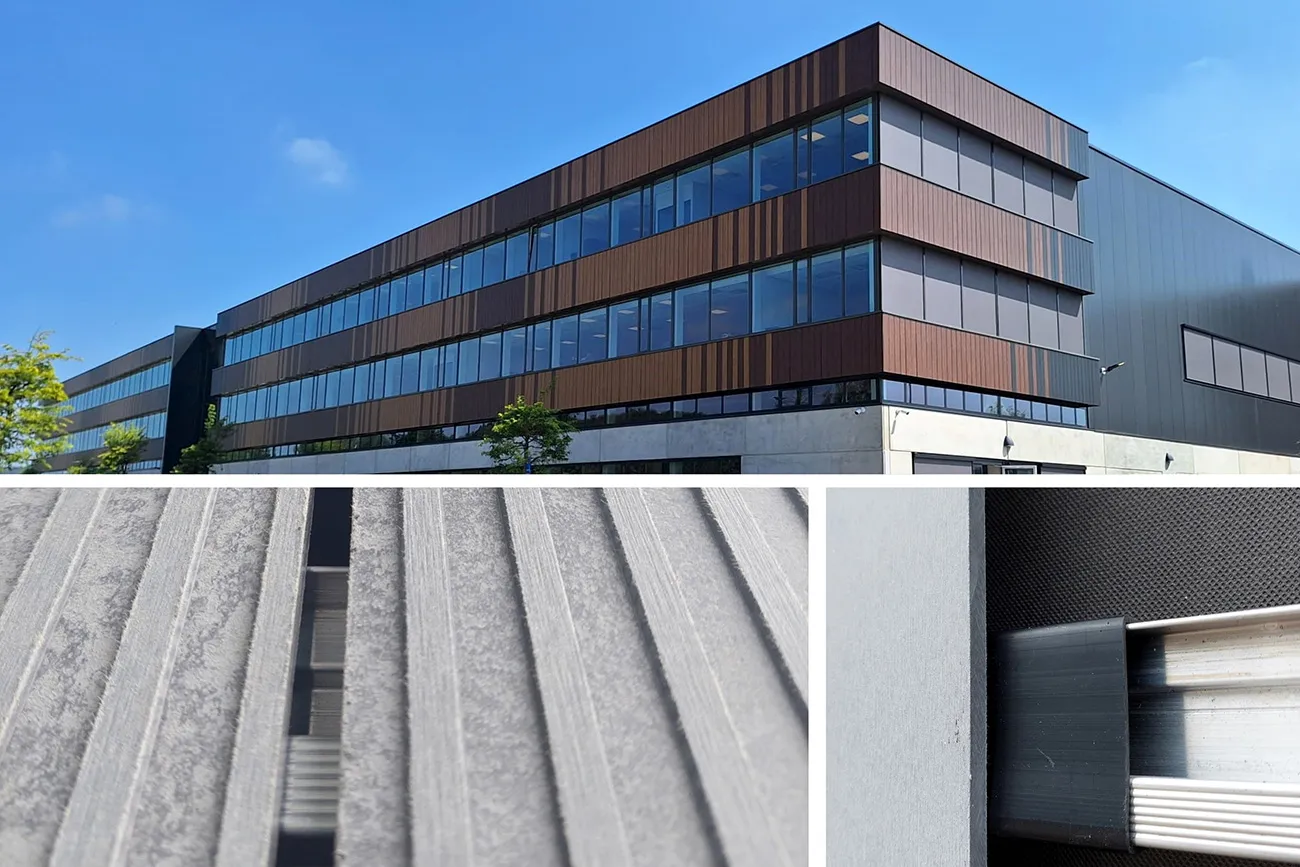
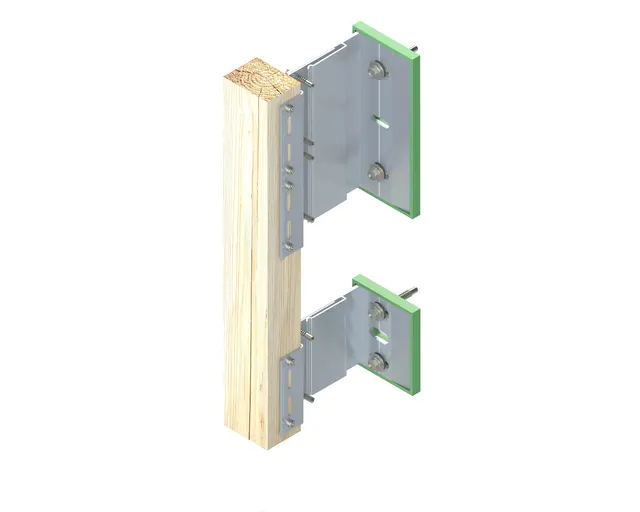
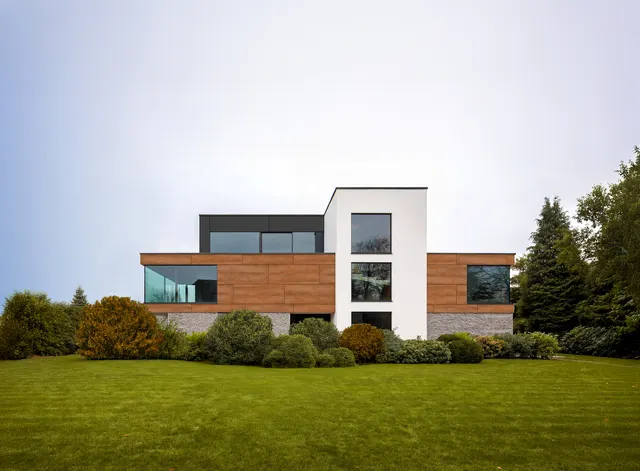
For a sleek façade to be proud of, concealed fixing is often chosen for façade panels. Conventional methods, such as adhesive bonding or traditional mechanical fixing, have both advantages and disadvantages. SFS, a leading supplier of mechanical fixing systems, has therefore developed an innovative system that combines the benefits of both methods in one durable, high-performance solution.
Simple, durable and fast
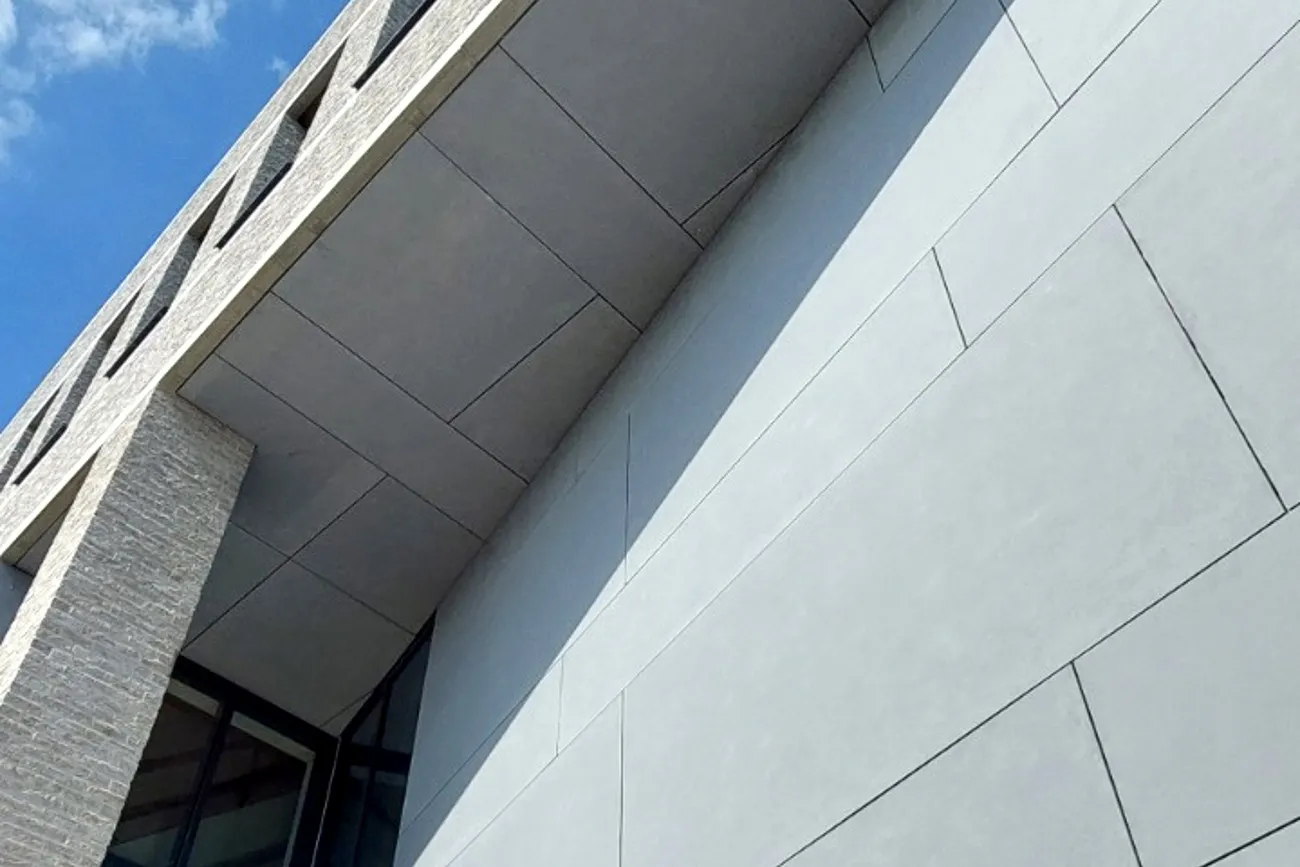
“With its NVELOPE® subframe systems, SFS offers concealed mechanical fixing for façade cladding,” says Gijs Gooren of SFS Group the Netherlands. “You need a good installation system to fix façade cladding perfectly. The flexible system can be used with both timber and aluminium subframes.” The NV3 system is suitable for the concealed fixing of various types of façade cladding, including fibre cement, HPL, ceramic and thin stone. “Another major benefit is that the entire structure can be dismantled and reused. That makes this method of fixing the sustainable choice,” Gijs explains.
Concealed fixings
“For a perfectly installed façade, we at SFS use TU(x) concealed fixings in combination with the NV3 system,” Gijs continues. “TU(x) fixings are unique because, compared with standard fixings, they can reduce installation time by as much as 50%. TUF-S is our concealed fixing for attaching a hanger to an HPL or fibre cement panel, while TU-S is suitable for fixing a façade panel. A straight hole is all that is needed, with no undercut holes required. The holes can be drilled either in the factory or directly on site.” SFS concealed fixings have undergone extensive testing and received international approvals to ensure optimum safety. Gijs explains: “They do not spin freely, offer high pull-out resistance thanks to a reverse thread, and cannot work loose through expansion or vibration.”
An extraordinary range of possibilities
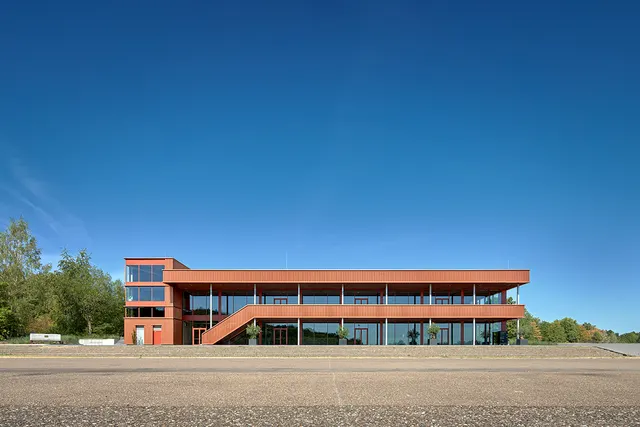
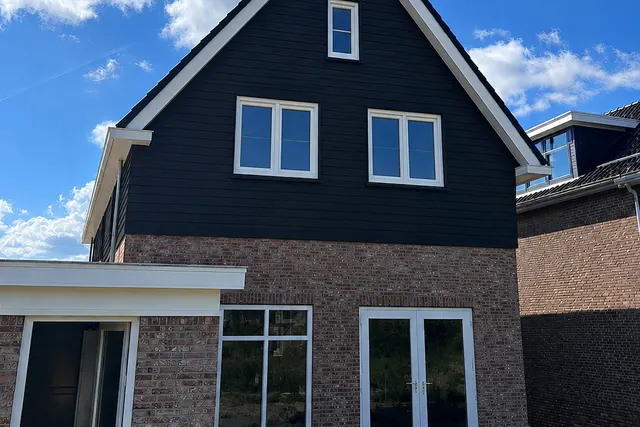
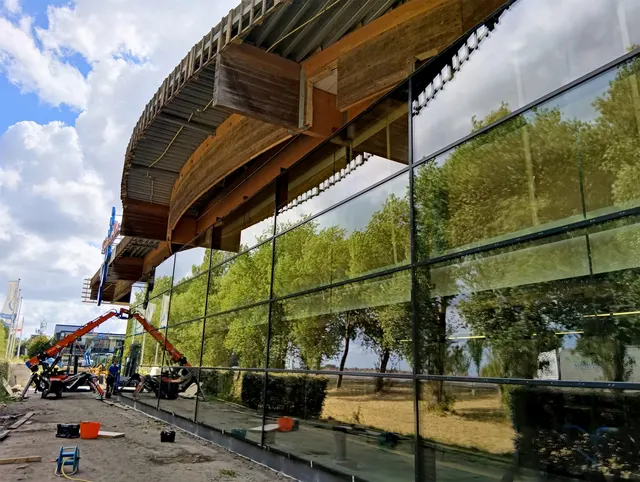
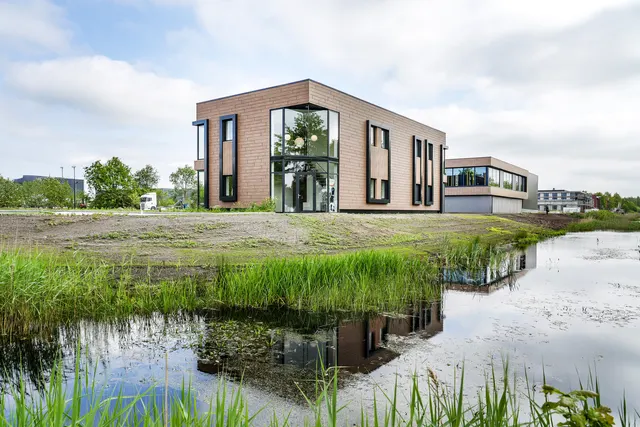
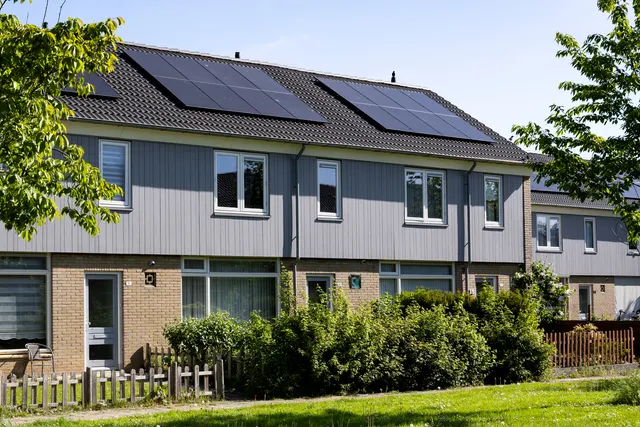
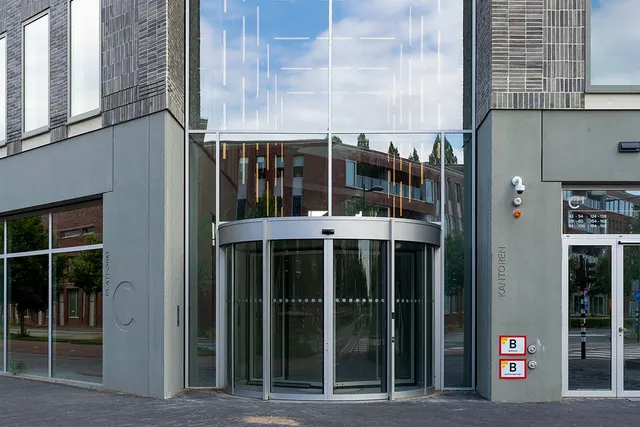
The NV3 system and TU concealed fixings have now been used successfully on various projects and substrates. Gijs describes some of them: “At Ranpak, a warehouse with offices in Eygelshoven, 700 m2 of Rockpanel Woods was mechanically fixed using concealed TU-S fixings on an NV3 subframe. At Kentalis Compas College in Zaltbommel, we combined TUF-S with the NV3 subframe on a concrete substrate. The apartments in Houten, by Blox21, used an NV3 subframe in combination with timber frame construction and our TUF-S concealed fixings.” Gijs concludes: “It just goes to show that our systems and fixings offer a huge range of possibilities, for visible as well as concealed fixing of façade cladding.”
Een zakelijke vraag aan SFS Group the Netherlands B.V.? Get in touch
Companies in this story
Keep following this
Get an email when a new story is published. No account needed.
- ThemeFacade design and construction
- SubjectFaçade cladding
- CompanySFS Group the Netherlands B.V.