How can façade panels be fitted quickly and easily to an aluminium subframe?
Text Roel van GilsImage SFS
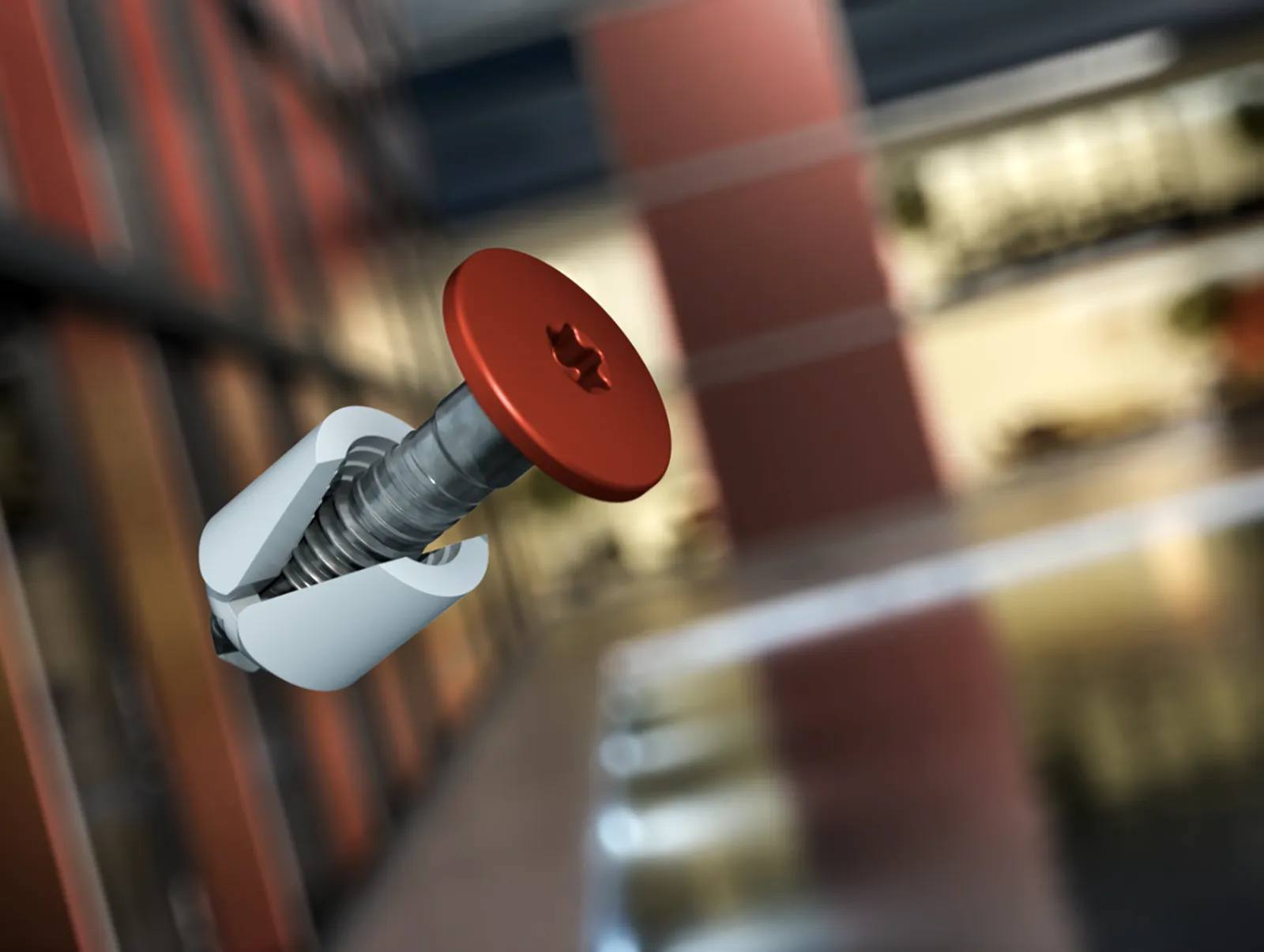
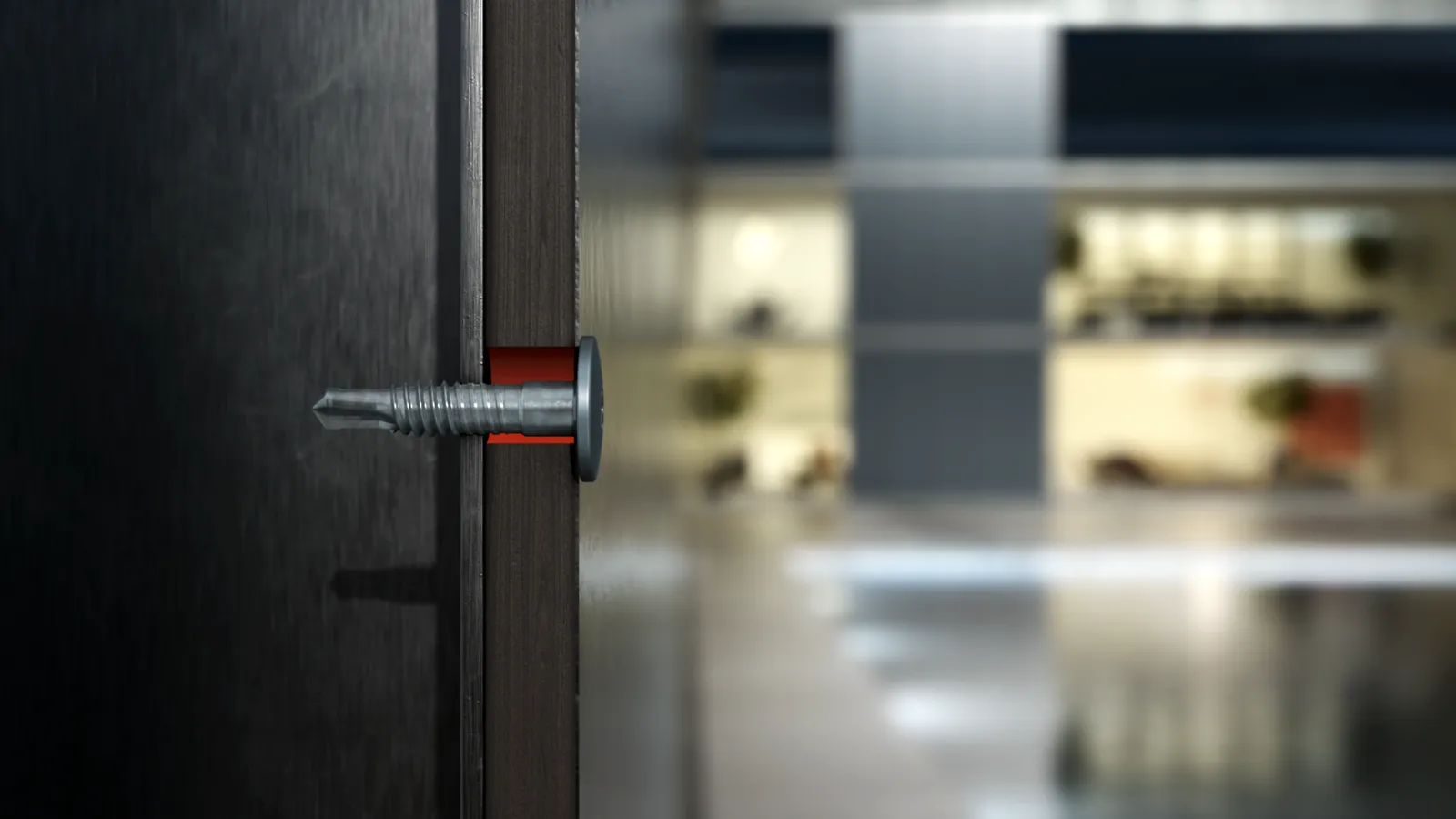
Decorative screw with biodegradable centring sleeve
Fitting façade panels to an aluminium subframe was a labour-intensive process for a long time. With the introduction of SFS’s Center Point System, that is now a thing of the past. The product has already been used successfully on a number of projects, where it has saved façade contractors noticeable amounts of time and the use of various costly tools. It also delivers a high-quality finished result.
Traditionally, façade panels are fixed to an aluminium subframe using blind rivets, more commonly known as pop rivets. “The process involves several steps,” says Gijs Gooren of SFS. “First, the pre-drilled panel must be positioned so that the aluminium subframe can be drilled through the hole in the centre. Only then can the blind rivet be fitted using a special riveting tool, usually a battery-powered machine. The result is a robust fixing system, but one that takes relatively long to install. Correct installation also often requires additional tools, such as special nosepieces and centring drills.”
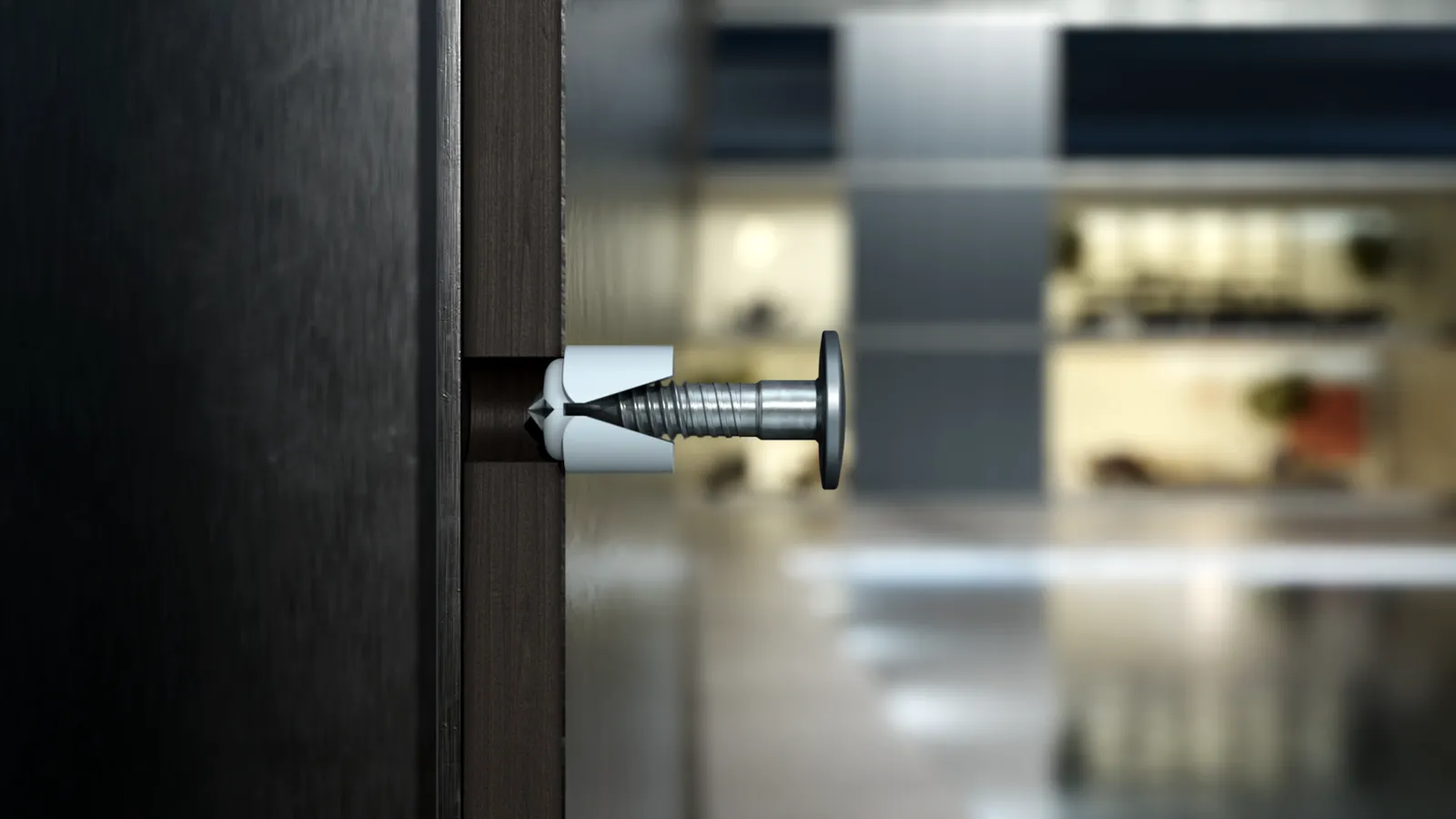
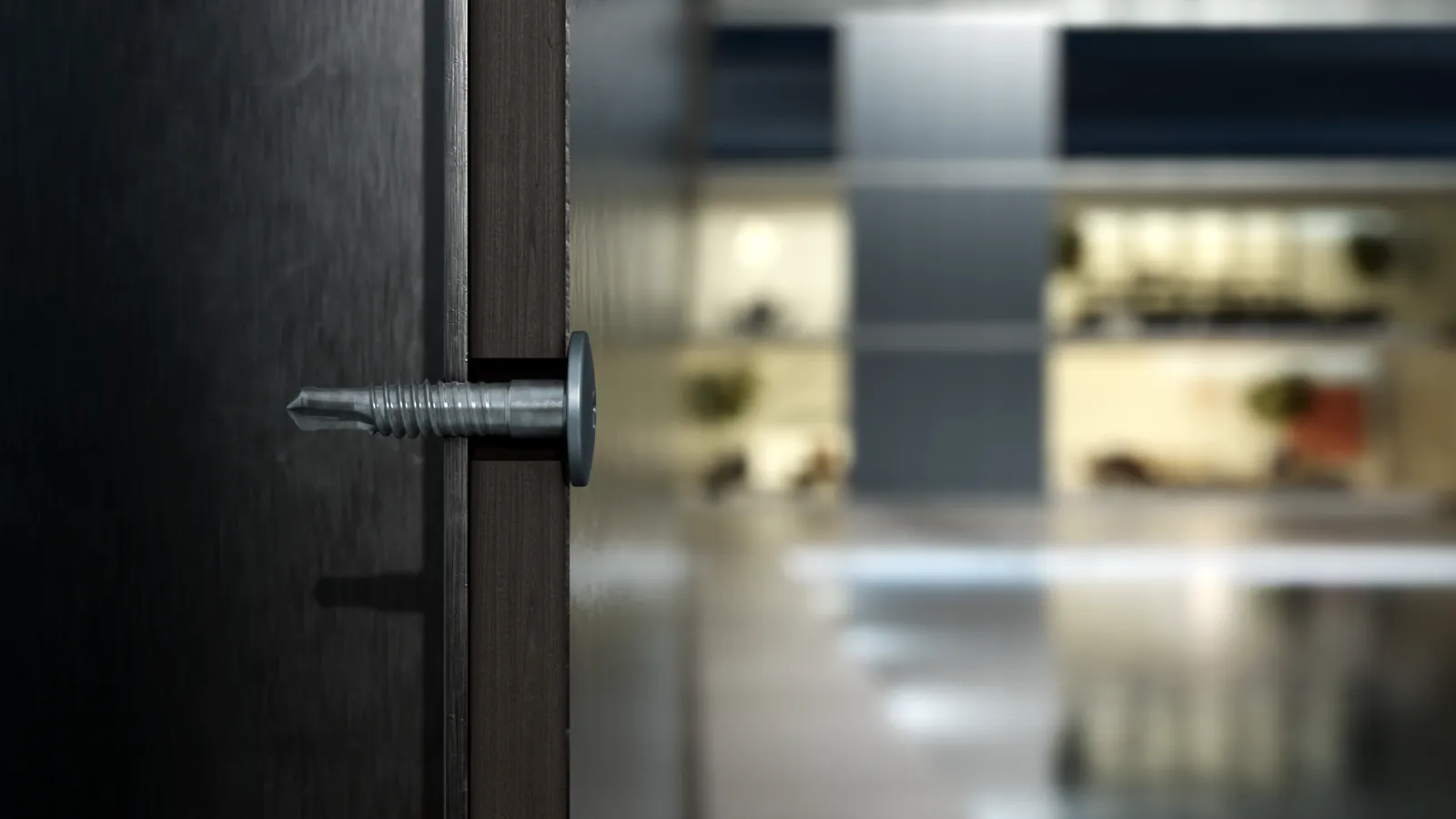
Biodegradable centring sleeve
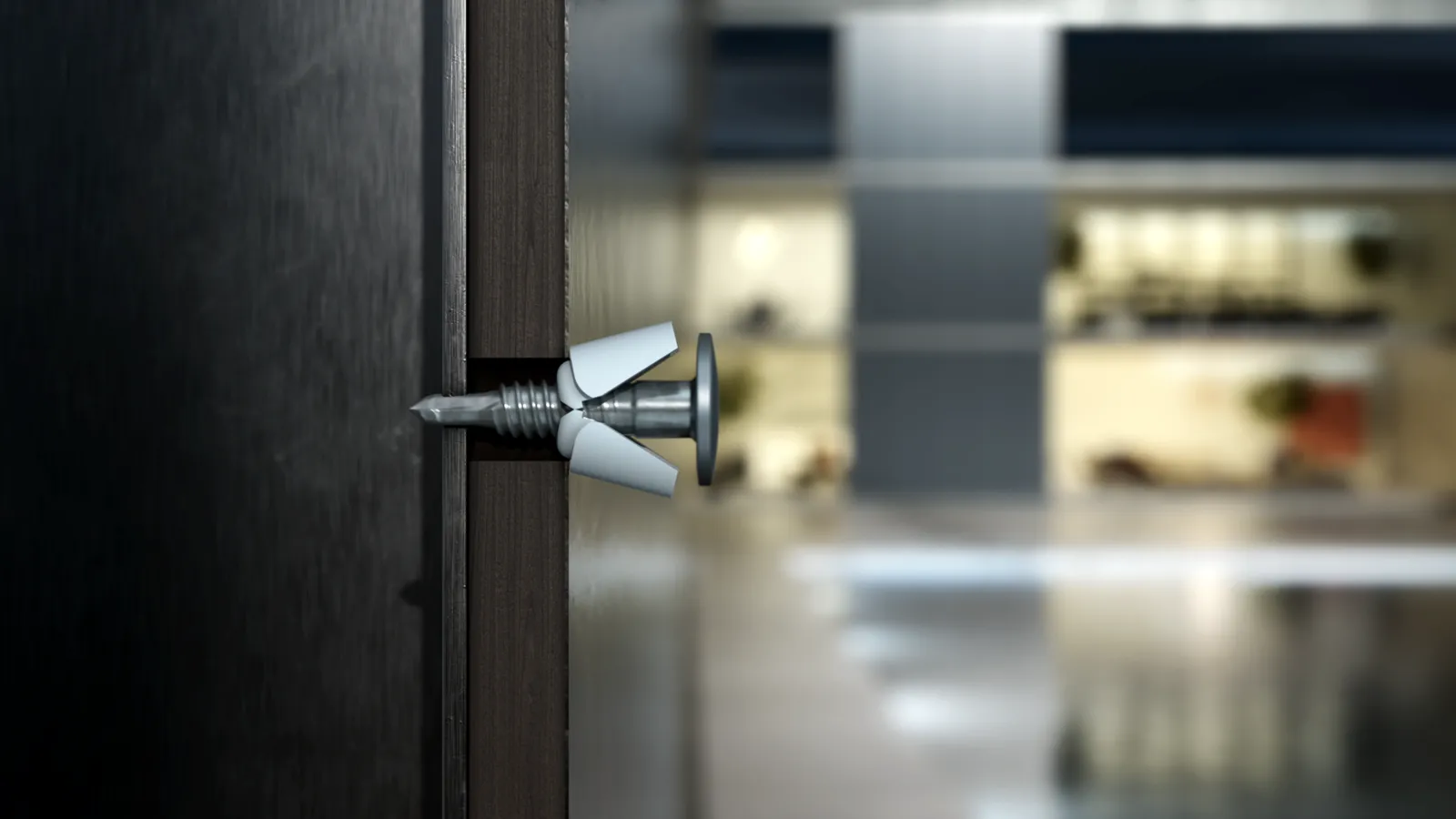
With the Center Point System, SFS offers a worthy alternative to blind rivets. “The system is based on a special screw, the SDA4 for use on aluminium, which can optionally be used with a biodegradable centring sleeve,” Gooren explains. “The sleeve is placed in the drill hole in the façade panel and ensures that the screw remains perfectly centred as it is driven in. This prevents the screw from shifting to the edge of the hole, a problem that often causes stress on the fixing with ordinary screws. The sleeve acts as a centring aid during installation. As the screw is driven in, the sleeve breaks apart, falls to the ground and is biodegradable. The result is a neat, visible fixing comparable to a blind rivet, but with considerably fewer steps.”
Flexibility
Field tests show that installation with the Center Point System is about twice as fast as traditional installation. On large façade projects, that means a considerable saving in time,” says Gooren. Another important advantage is its flexibility. “The SDA4 screw has a Torx drive. This means a panel can easily be unscrewed when it needs to be replaced or adjusted. With blind rivets, the fixing must first be drilled out before a new one can be fitted. CPS also takes account of the natural movement of façade panels. Because the screw is perfectly centred in the drill hole, the panel can move freely around the fixing without building up stress.”
The Center Point System is available with screws in four lengths, for various thicknesses of common types of façade cladding and substructures. “This range of façade screws will generally provide the correct clamping range,” says Gooren. The screws are available in a wide range of colours to match the façade panels. Even metallic finishes can be closely replicated, so the fixing is almost invisible against the panel.” With the Center Point System, fitting façade panels to aluminium subframes is not only faster and easier, but also more flexible and sustainable. A small innovation with a big impact on façade contractors’ day-to-day work.
Een zakelijke vraag aan SFS Group the Netherlands B.V.? Get in touch
Companies in this story

Keep following this
Get an email when a new story is published. No account needed.
- ThemeFacade design and construction
- SubjectFaçade cladding
- CompanySFS Group the Netherlands B.V.