Self-supporting green façade system stands out for its simplicity
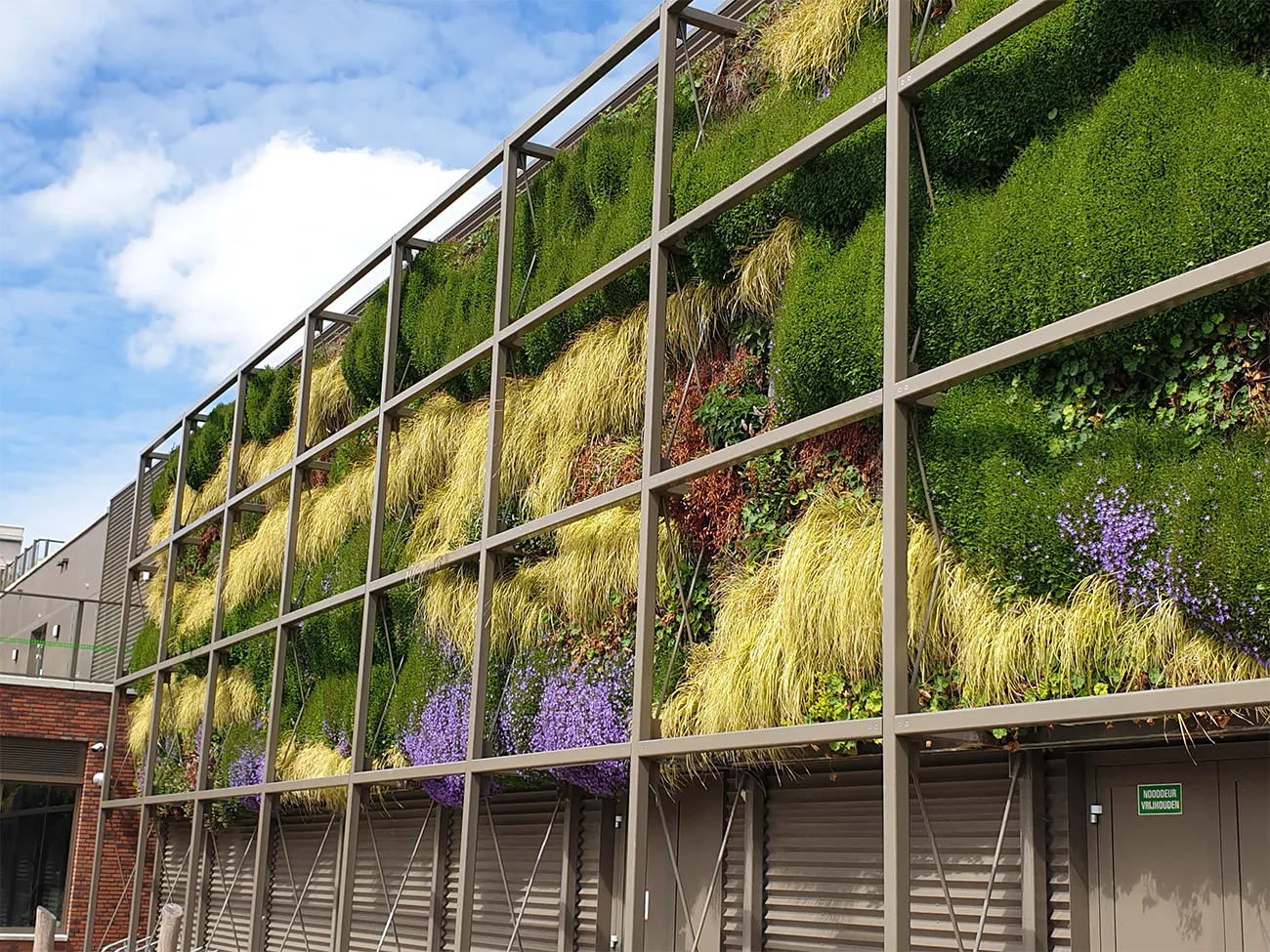
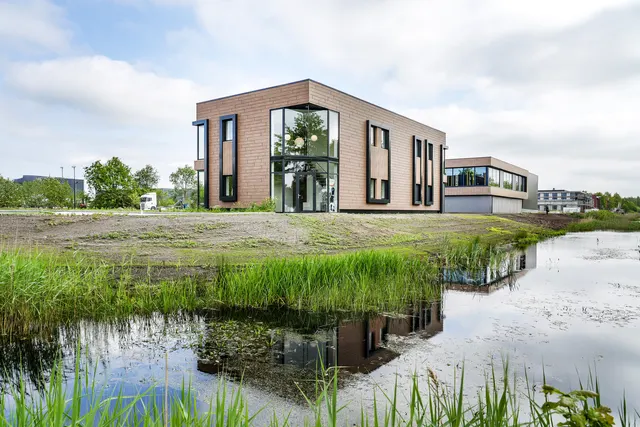
In 2012, Kinderdagverblijf Catalpa won the Green Building Award in the ‘Roof Garden or Green Façade’ category, with a design by Edwin Meyer Viol of DMV Architecten. “The green façade system ultimately used was complex and expensive,” he says. “It prompted us to develop an alternative, a construction system with combined functional layers. The edGreen wall is unique in several respects and unlike any other green façade system.”
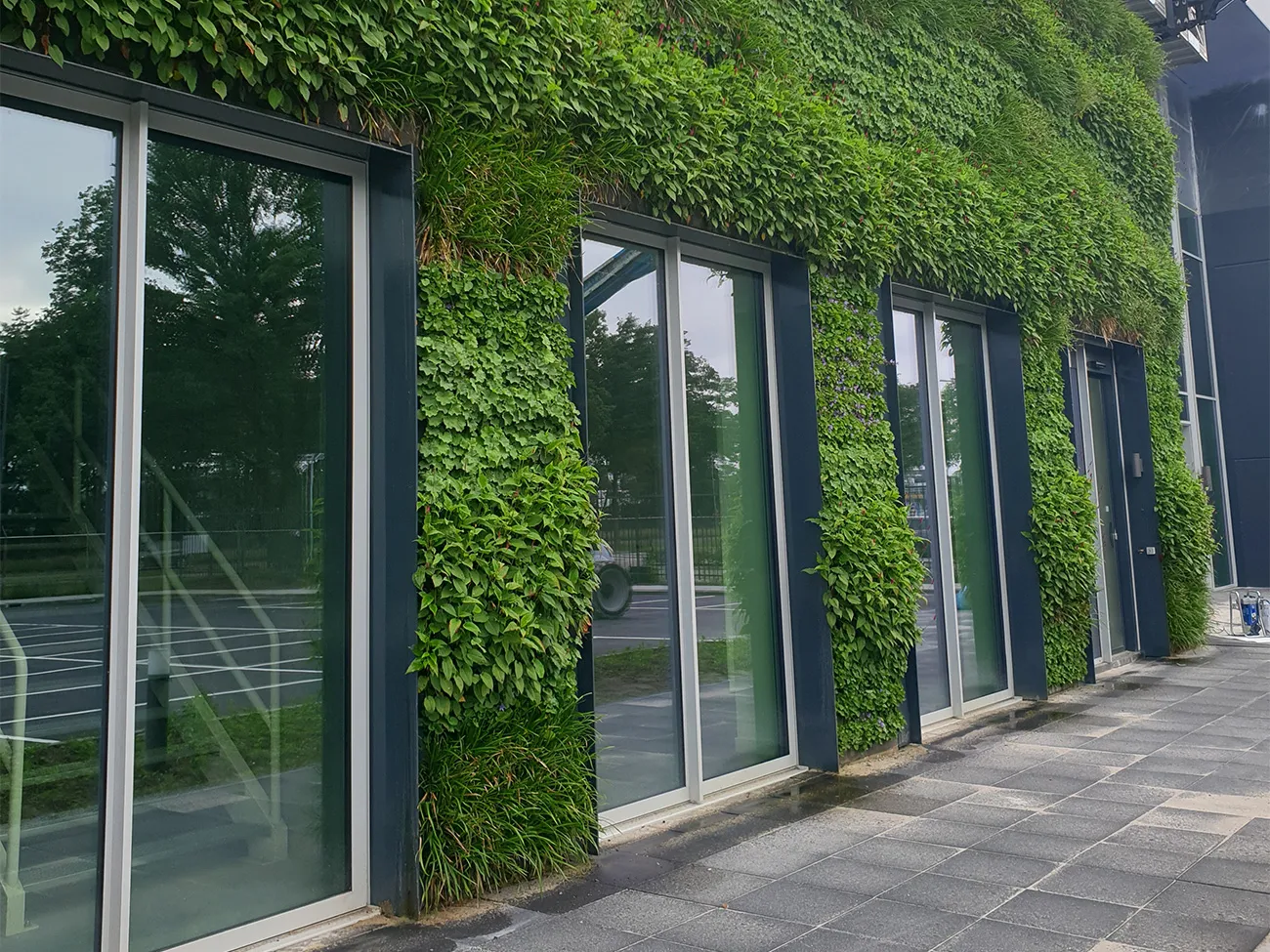
In many cities, summer temperatures are unbearable. “Green façades can make a significant contribution to keeping the urban living environment manageable,” Meyer Viol continues. “In summer, a green façade has a cooling effect, partly through the evaporation of moisture. It also helps neutralise CO2, filters particulate matter from the air and reduces ambient noise through sound absorption. The latter also has a very calming effect. There are plenty of reasons, then, to include a green façade in a design, and with the edGreen wall this can now be done very cost-effectively.”
Masonry block wall
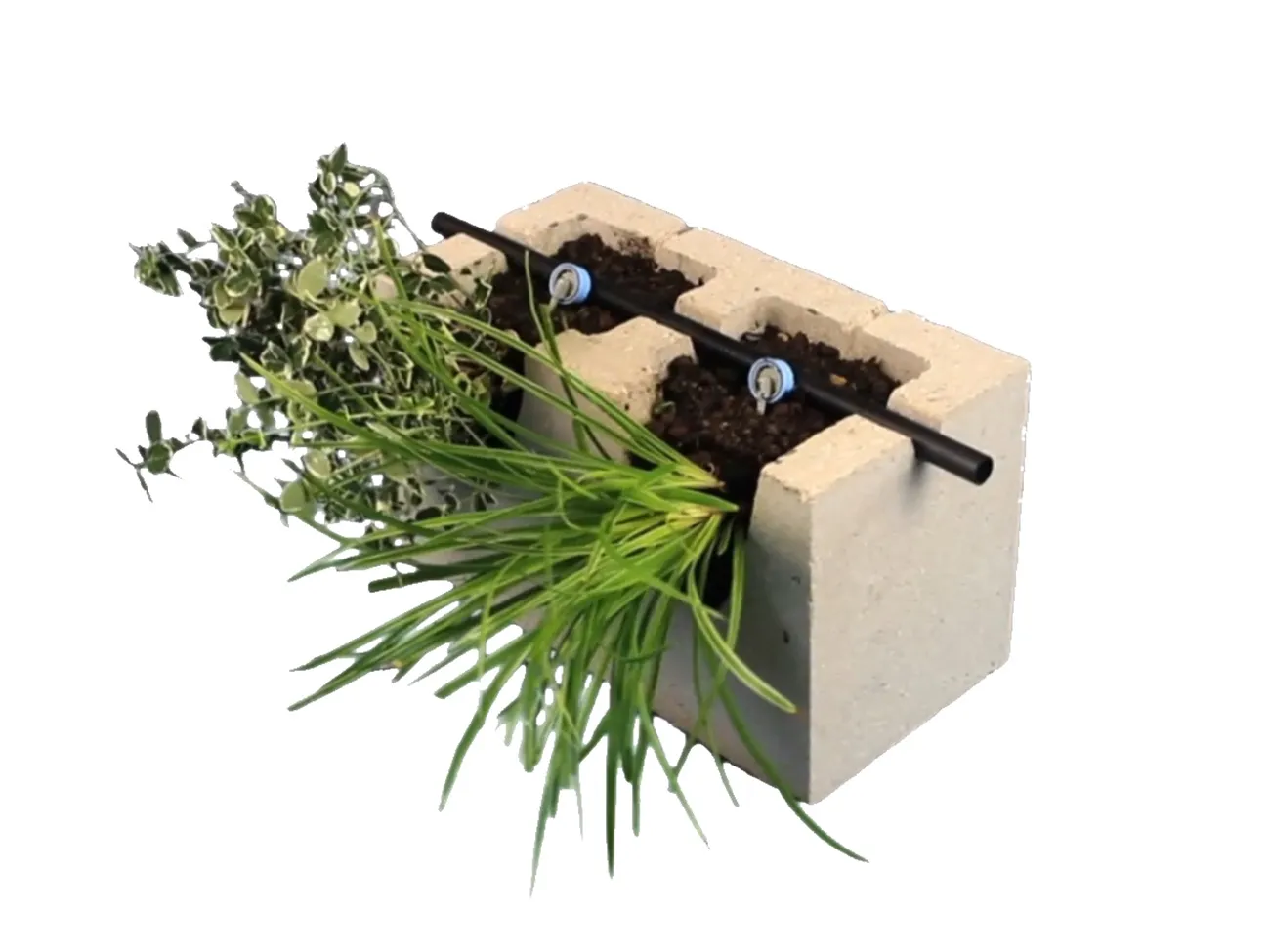
The edGreen wall is essentially a masonry block wall with openings, growing medium and an irrigation system, Meyer Viol explains in a nutshell. “At its heart is our patented Groene Wand Blok, a concrete block with two vertical cavities and two openings at the front. The growing medium is placed in the vertical cavities, and the plants are inserted through the openings at the front. The irrigation pipes are fitted into special recesses at the top of the block. The blocks are then bonded in a half-bond pattern, creating the foundation for the green façade. The main difference from every other green façade system, which is attached to an existing structure, is that the edGreen wall is self-supporting. In effect, it replaces the outer leaf of the cavity wall.”
Metres of root growth
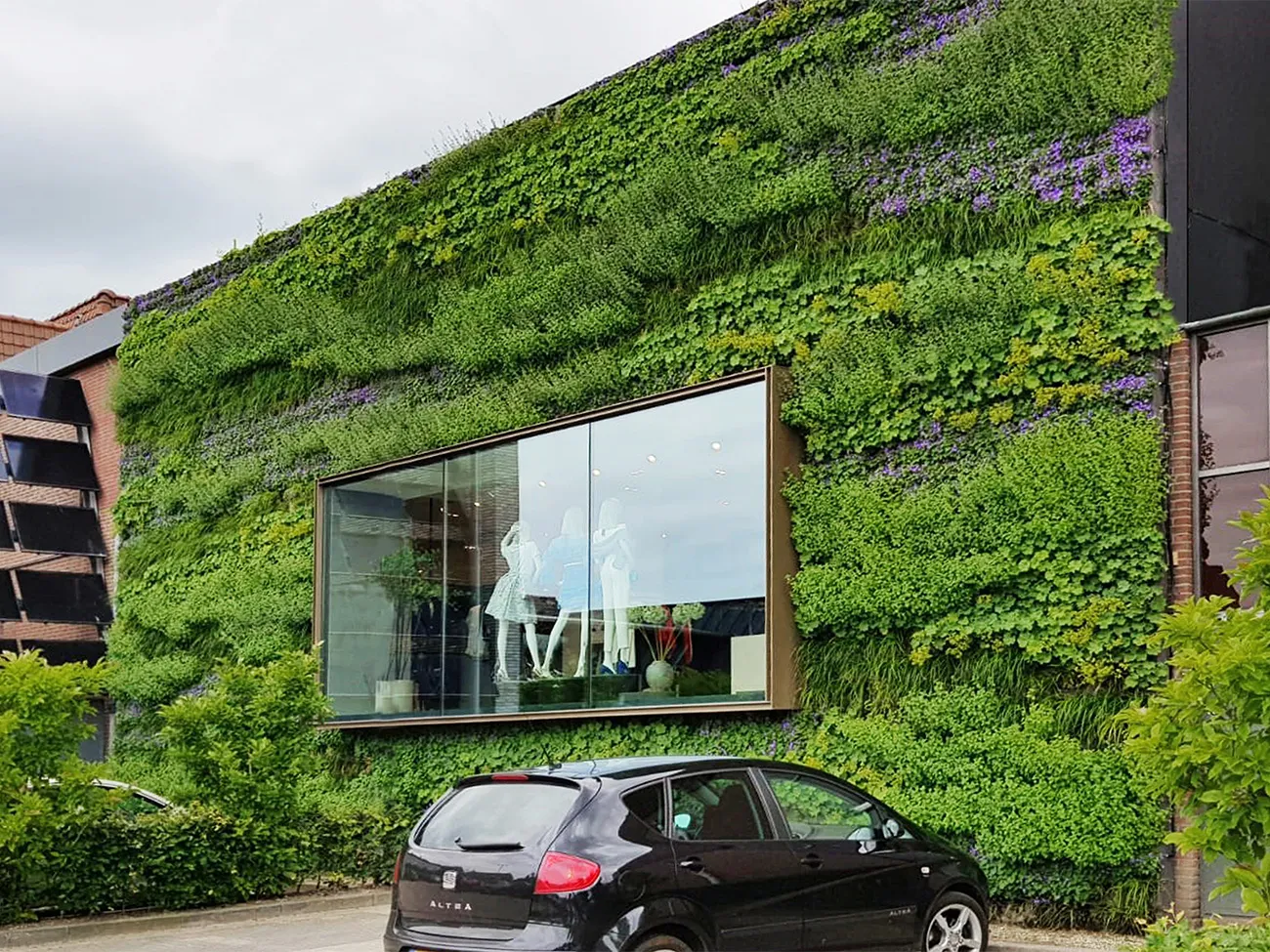
The Groene Wand blocks are available in various colours and are manufactured under licence by BIA. Meyer Viol: “The Groene Wand Blok has an opening running from top to bottom. This allows plants to develop roots metres down. It encourages the growth and flowering of the 35 plant species we have tested. Seasonal flowers and even vegetables, fruit and herbs also thrive in the green façade. We now know from years of experience that plants can grow enormously large. This is also thanks to the special irrigation system, which does not spray the plants but injects water directly at the roots. Another benefit is very low water consumption, of just 0.5 to 1 m3 per year per m2. This also makes the system highly sustainable. The irrigation system operates as a standalone unit, but can also be supplied as a fully web-based system.”
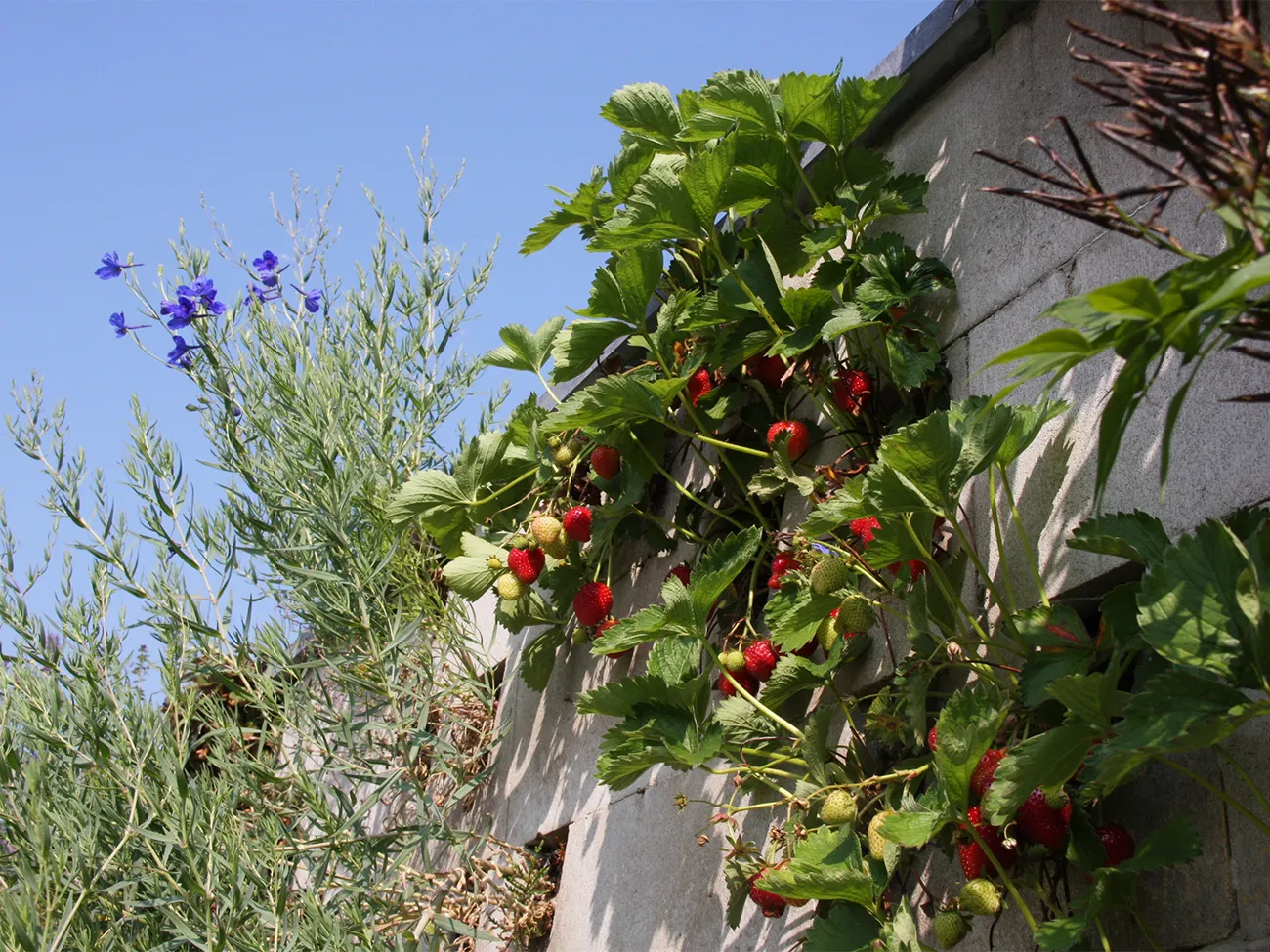
A number of edGreen wall concepts have already been realised in recent years. “We supply the system in various configurations, from a self-build version to a fully finished system, including monitoring and maintenance, and everything in between. We are also working on a demountable version in response to the circular economy.”
Question about this story? Ask your question
Keep following this
Get an email when a new story is published. No account needed.
- ThemeFacade design and construction
- SubjectFaçade cladding