Virtually non-combustible fibre-cement cladding panels
Text Tamara BrouwersImage Swisspearl
End-use testing is crucial for fire safety
There is still much to learn about the fire safety of building materials, and façade cladding in particular. Harold van Coesant, account manager at Swisspearl, knows this better than most. “Over the past six years, I have studied every aspect of fire safety in prefabricated construction in depth. I have noticed that there is still a great deal of ignorance about this subject, leading to mistakes being made unknowingly.”
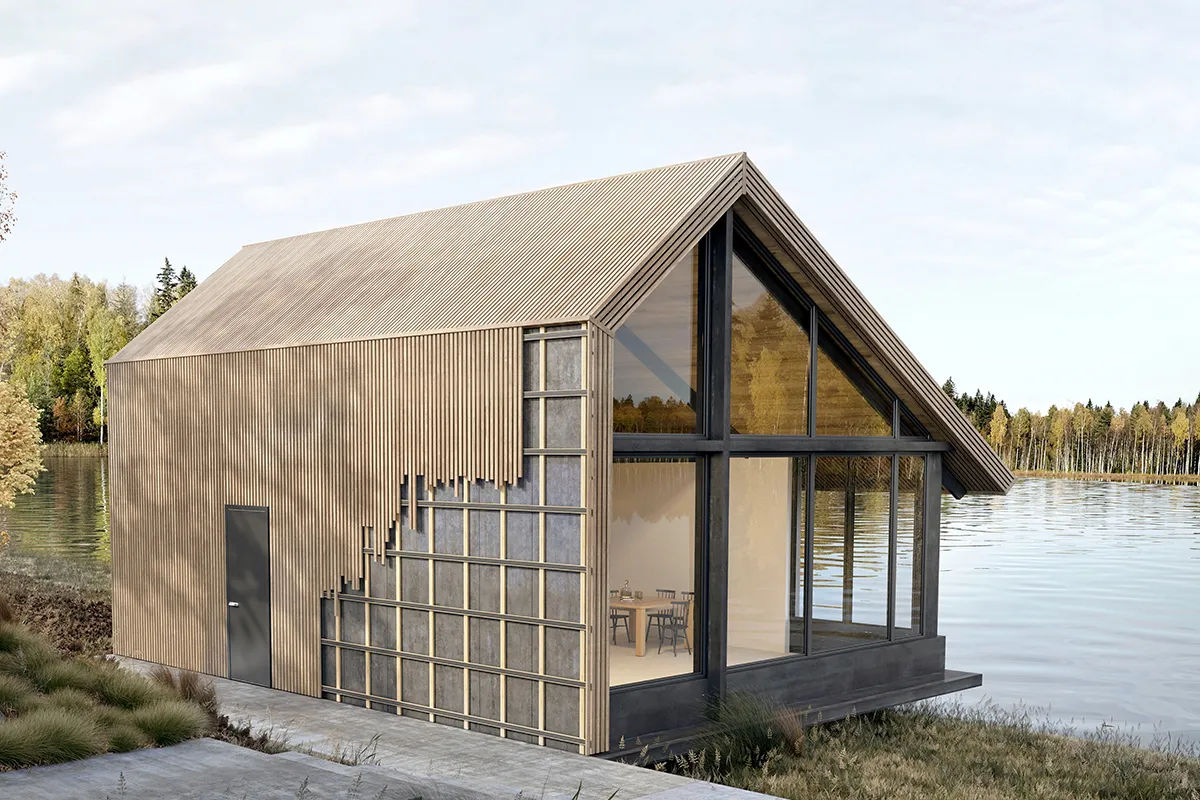
The new approach to construction has made fire safety a much more complex issue. “In the past, buildings were constructed using traditional methods, often with brick. Today, we are seeing a shift towards innovative bio-based materials such as cellulose, wood fibre, flax and straw, in highly ventilated façade systems. These are combined with a range of other materials in contemporary construction methods, including timber-frame walls. The interaction between these materials has a significant effect on the façade’s fire classification and on the fire spread through the building element.”
Avoid getting stuck with the wrong choice
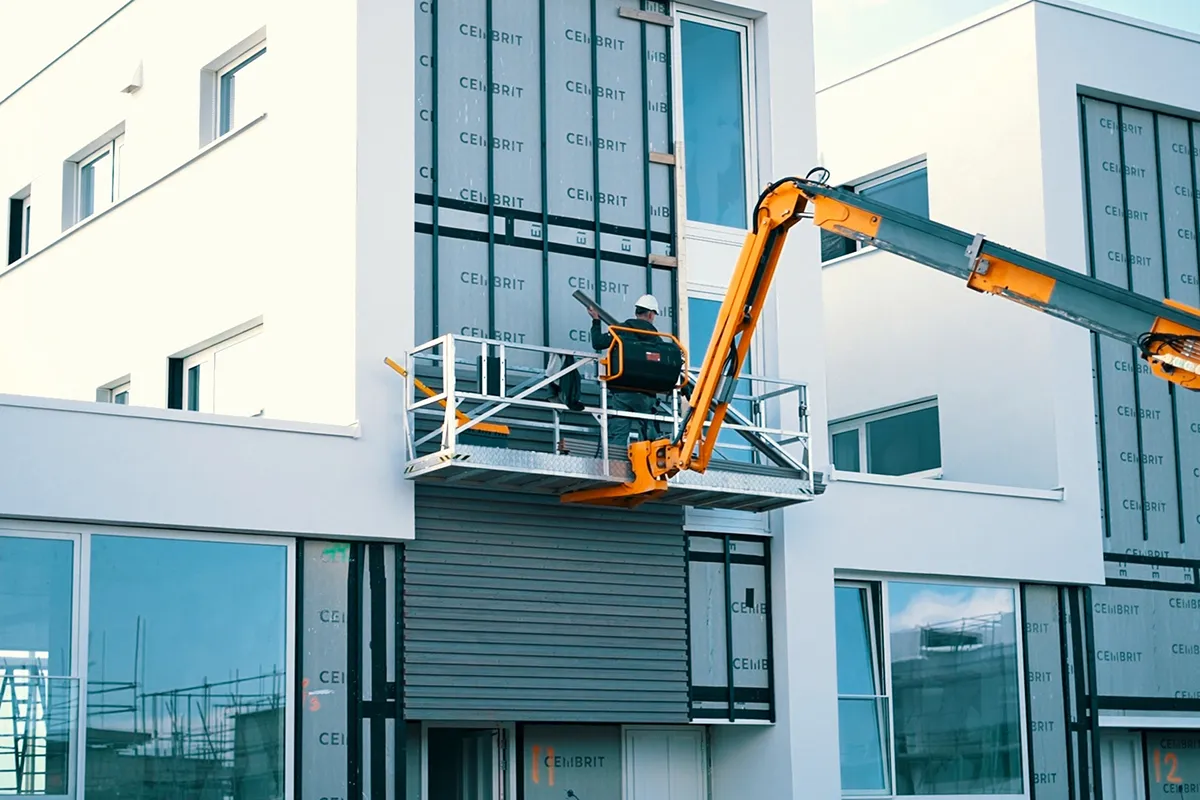
According to Van Coesant, the standalone fire classification of a material does not provide sufficient information when considered alongside the other materials used. “It is the combination of products and materials that determines the fire classification. I find that people still often think they are making the right choice if they select materials that are all in fire class B. However, this is not the case. Ultimately, contractors are responsible for fire safety in accordance with the Building Decree, so it is very important that they are aware of this. What is more, the wrong choices can bring a construction project to a standstill.”
To support architects and contractors, Swisspearl takes on a significant share of the responsibility. “We test our façade cladding materials in end-use conditions, in accordance with the requirements of the Building Decree. Testing in the same way as we build means we can take account of the risks of a cavity fire. Only then can you get a reliable result, reduce the number of errors and improve safety.”
In recent years, Swisspearl has investigated no fewer than 14 different scenarios. Although this involved considerable costs, Van Coesant stresses that everyone benefits. “These tests enable us to provide our customers with the right information, while also allowing us to further develop our own products.”
A fire-safe alternative to vapour-permeable membranes
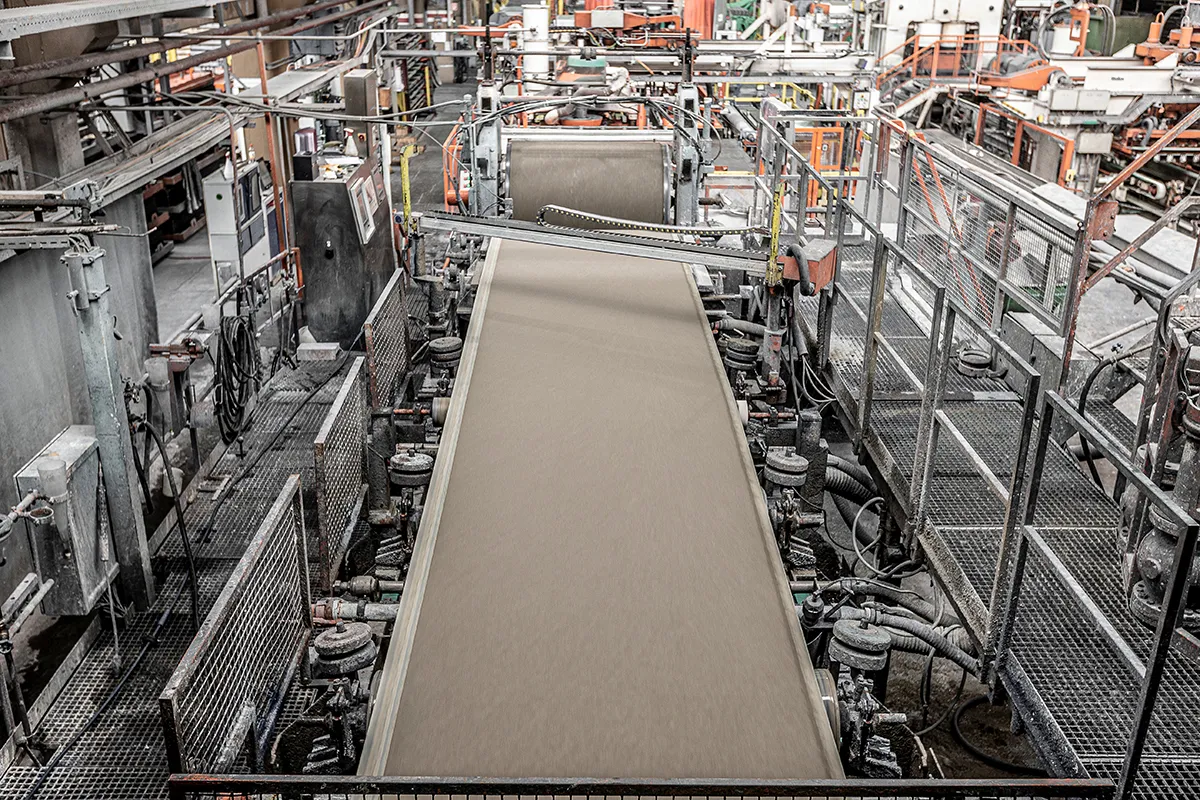
As a rule, Swisspearl’s fibre-cement panels are classified as fire class A2 and are virtually non-combustible. “Our products can also contribute to fire safety when other types of façade cladding are used. One specific example is the Swisspearl Windstopper fibre-cement board. This is a water-resistant, vapour-permeable and fire-resistant fibre-cement board designed for installation on the cavity side of a ventilated façade.”
Windstopper Extreme has been used successfully in Scandinavian countries for twenty years because, at 9 mm thick, it protects any insulation behind it against fire, rain and wind. “During our series of tests, we discovered that even the 4.5 mm version of this board provides 60 minutes of fire resistance in an element filled with cellulose insulation.”
Finally, Van Coesant highlights the versatility of Swisspearl fibre-cement cladding. “Our extensive range includes, among other things, products that are coloured throughout, without a black core, for example. As well as offering fire safety, they provide considerable design freedom. We are also working on combining façade cladding with our own specially developed solar panels, to create a fire-safe, sustainable and energy-efficient solution.”
Een zakelijke vraag aan Swisspearl Nederland B.V.? Get in touch
Companies in this story

Keep following this
Get an email when a new story is published. No account needed.
- ThemeFacade design and construction
- SubjectFaçade cladding
- CompanySwisspearl Nederland B.V.