Which materials are most popular for an attractive façade finish?
If you’re planning to renovate your façade, you can choose from a range of materials to shape the look of your new façade. There are plenty of options for cladding. Which materials can you choose from, and what are the pros and cons of each type?
Timber cladding
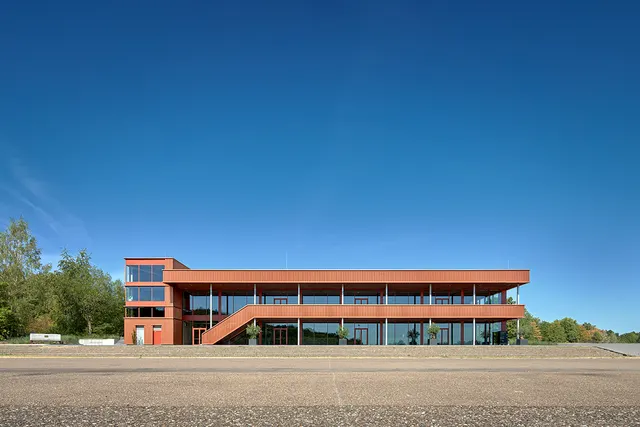
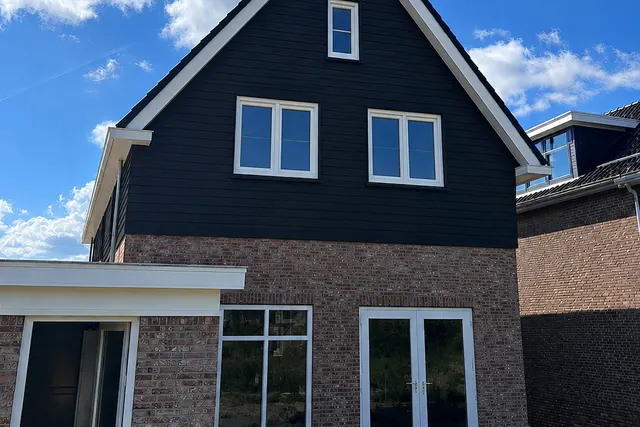
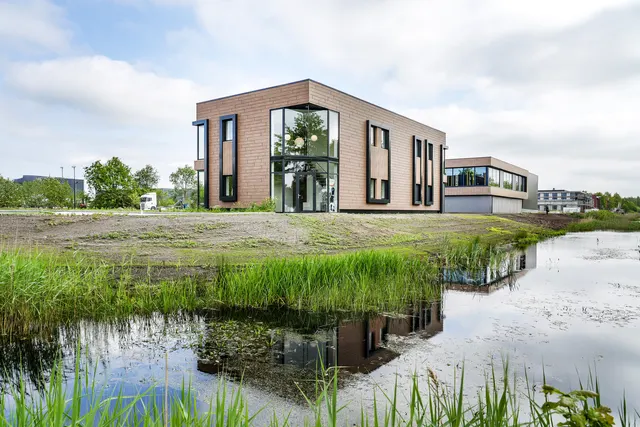
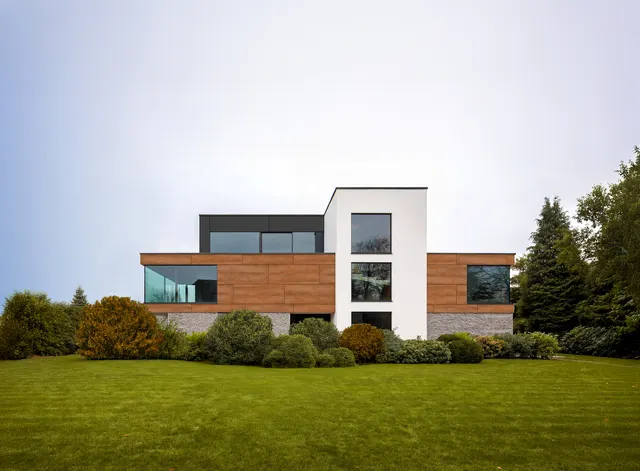
A commonly used finish for residential and commercial façades is timber. This can be hardwood, such as padouk or merbau, or softer wood, such as pine or cedar. Scaffold boards and other timber products, such as Thermowood or plywood, are also options. Scaffold boards in particular are currently a popular choice for façade cladding. This timber is highly weather-resistant. Scaffold-board cladding also lasts a long time, and timber is a relatively affordable cladding option. Another advantage is that scaffold-board cladding develops an attractive grey patina and does not need repainting often. Finally, timber is ideal because it provides good insulation, as does PVC cladding.
PVC façade cladding
Choosing PVC for façade cladding is an affordable option. PVC provides good insulation and is also long-lasting. As well as its long lifespan, PVC offers plenty of design possibilities for façades. You can choose from timber or stone-effect profiles and a wide range of colours. PVC panels are also ideal for façades because they are lightweight and require little maintenance.
Slate cladding
Cladding façades with slate is also popular these days. Slate gives a house a unified look and has an attractive, natural and clean appearance. Natural slate or fibre-cement slates make it easy to create a seamless look between the façade and roof. Slate provides good insulation while also allowing the building to breathe. It is also a relatively durable material. Slate cladding typically comes with a warranty of around 30 years. One drawback, however, is that slate can crack in freezing conditions and is prone to moss growth.
Fibre-cement panels for façade cladding
Fibre-cement panels are usually used to decorate part of a façade. The material is generally on the expensive side, but gives your home a stylish, clean look. It is fire-safe, will not rot and can withstand all weather conditions. Fibre cement also requires little maintenance and is easy to install on a façade. One disadvantage is that fibre cement is not the most sustainable choice.
Question about this story? Ask your question
Keep following this
Get an email when a new story is published. No account needed.
- ThemeFacade design and construction
- SubjectFaçade cladding