








A major sustainability leap forward with circular mineral wool
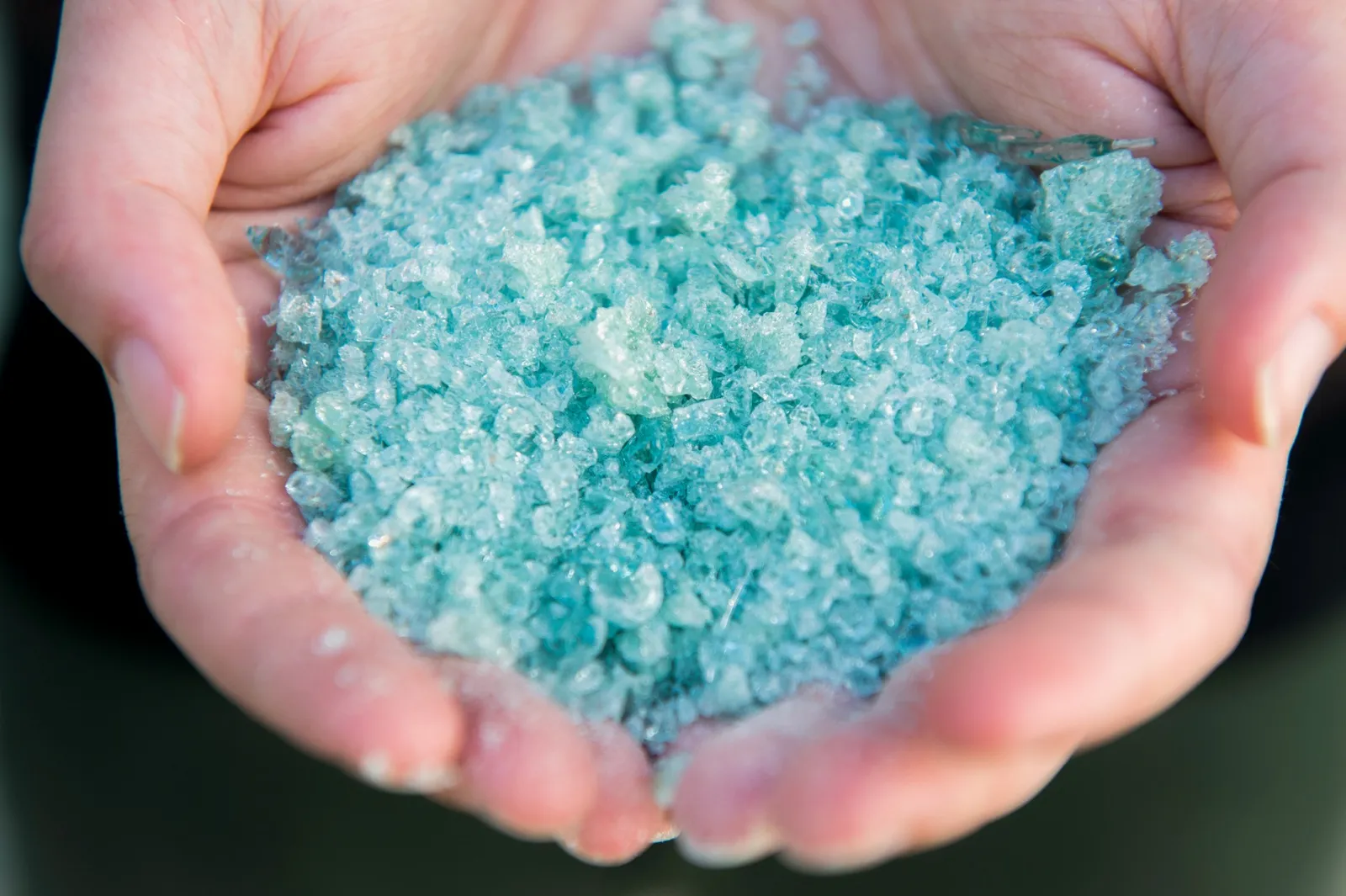
The construction industry is responsible for 40% of global waste production. Knauf Insulation is therefore looking to make an impact as a supplier to the sector by recycling glass wool. The well-known brown glass wool with Ecose® Technology has long been a sustainability leader in terms of its composition. It is made with a natural binder and consists largely of recycled glass. Knauf Insulation is now taking the next step, a major leap towards circular mineral wool.
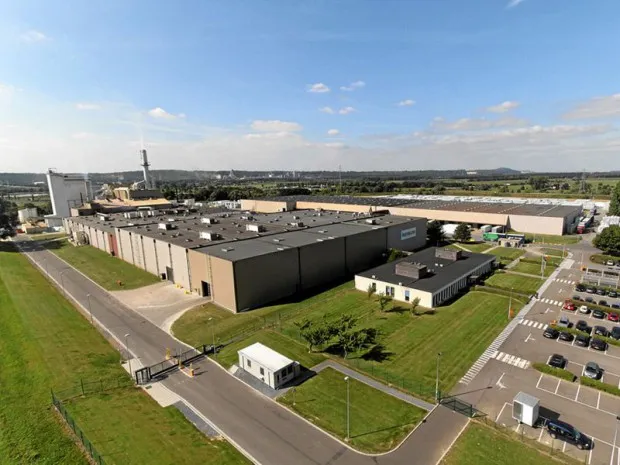
Knauf Insulation invests €15 million in its Visé site in Belgium to recycle mineral wool
Innovative recovery process
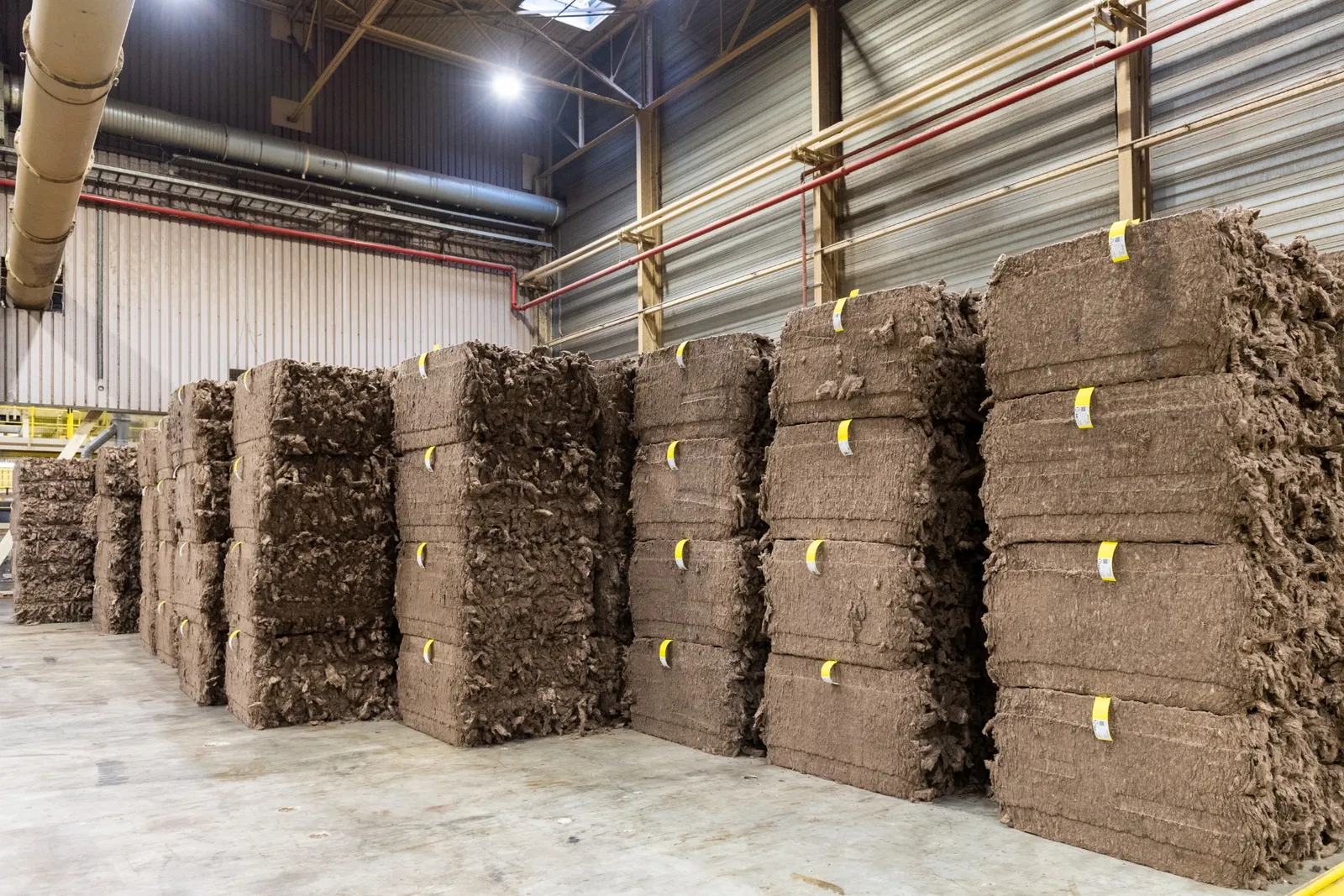
Knauf is a leading global manufacturer of insulation solutions and is now investing more than €15 million in recycling its products. Its site in Visé (Belgium, province of Liège) is developing an innovative process to recover and recycle glass wool. This allows the material to be fed back into the process instead of ending up in landfill. Knauf Insulation is therefore making a significant contribution to the circular construction economy. Recycling is already taking place on a small scale by reusing its own production waste, and the expansion will make it possible to do so on a much larger scale.
How does it work?
Glass wool is made from natural materials (sand and recycled glass) and can be recycled indefinitely. Glass wool and stone wool waste from construction sites often ends up in landfill or is incinerated. Knauf Insulation is currently installing an entirely new production line with a furnace for recovery and recycling, so that the material can be reused and valorised. With this innovative process, the company aims to establish a truly circular economy in construction. The Visé site will begin large-scale recycling in the second quarter of 2022.
High score in the MPG (Environmental Performance of Buildings) Attention to circular construction has increased enormously in recent years. This is hardly surprising when you consider that the Netherlands is aiming for a 100% circular economy by 2050 (and 50% by 2030).
In the Netherlands, buildings are subject to a mandatory MPG assessment (Environmental Performance of Buildings). This assessment uses environmental data from the National Environmental Database. Materials made with recycled raw materials and recycled materials naturally achieve a much more favourable assessment or environmental performance. Under standard EN 15804+A2 and the Environmental Performance Assessment Method for Construction Works, the government considers the following circularity indicators:
1. Environmental impact of secondary materials (reuse and recycling) in input flows
2. Environmental impact of reuse in output flows
3. Percentage of secondary materials (reuse and recycling) in input flows
4. Circular efficiency
5. Quantities by waste stream
On this basis, Knauf Insulation’s sustainable insulation materials, combined with its new recycling facilities, will achieve high scores.
Knauf Insulation’s impact, ‘For a Better World’
Alongside increased recycling capacity and the natural Ecose binder, which also significantly reduces carbon emissions compared with a petrochemical binder, the company is taking numerous other measures to drastically reduce its footprint. Its sustainability programme, entitled ‘For a Better World’, includes the extensive use of solar panels, reducing drinking-water consumption in the production process, using wind power and switching to more environmentally friendly packaging.
A business enquiry for Knauf B.V.? Get in touch
Companies in this story
Keep following this
Get an email when a new story is published. No account needed.
- ThemeAn energy-efficient and comfortable building envelope
- SubjectGeneral
- CompanyKnauf B.V.







