








A new generation of façade cladding: high quality, circular and future-proof
Text and images Innodeen
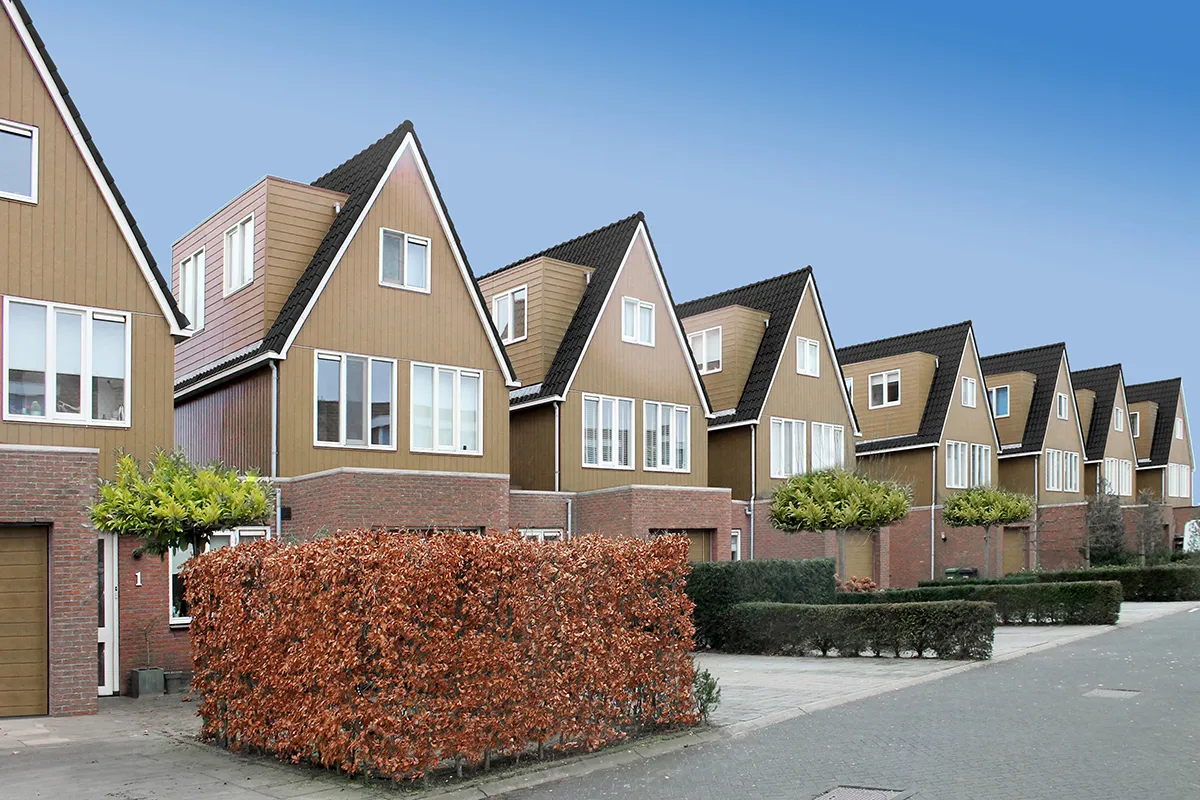
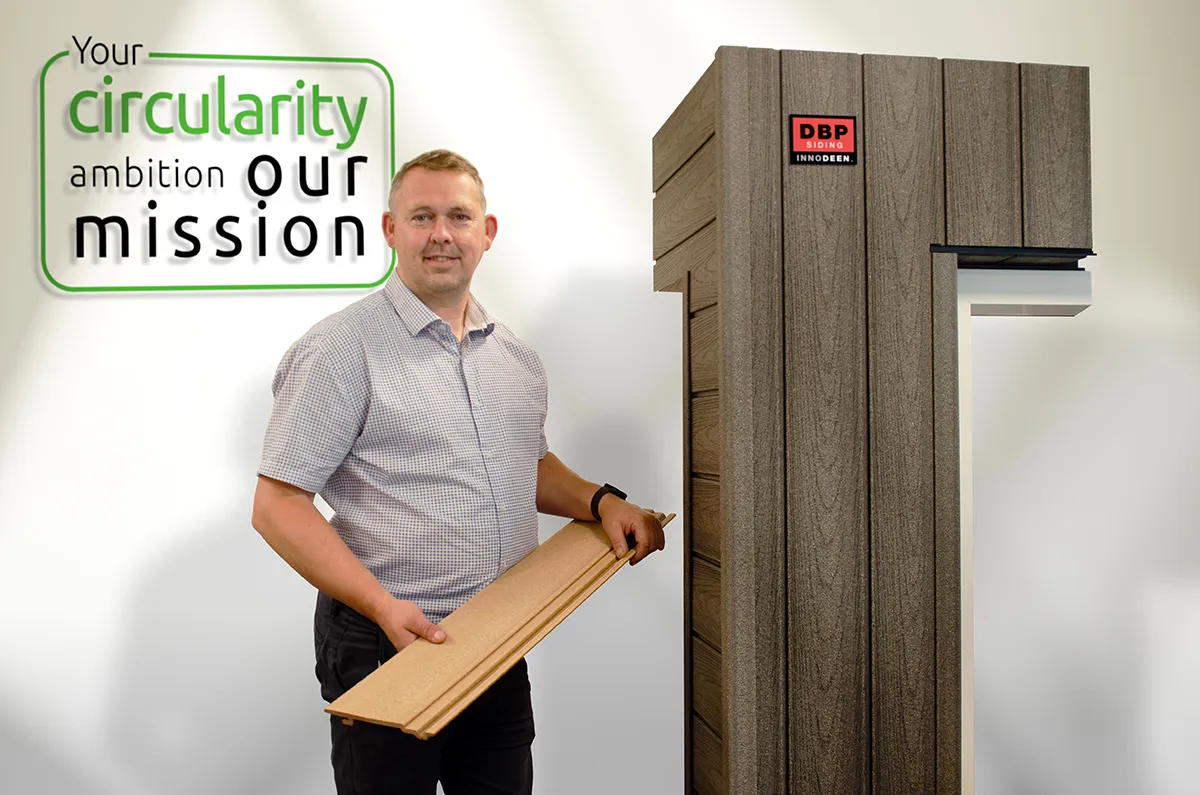
The construction sector faces major challenges: how can we create sustainable buildings without placing further strain on the planet? The answer comes from Lochem. With DBP SIDING, Innodeen has developed a cladding solution that is not only circular, but also an excellent example of upcycling. Commercial Technical Adviser Marcel Willemsen explains why this innovative product makes a difference.
From waste to architectural value
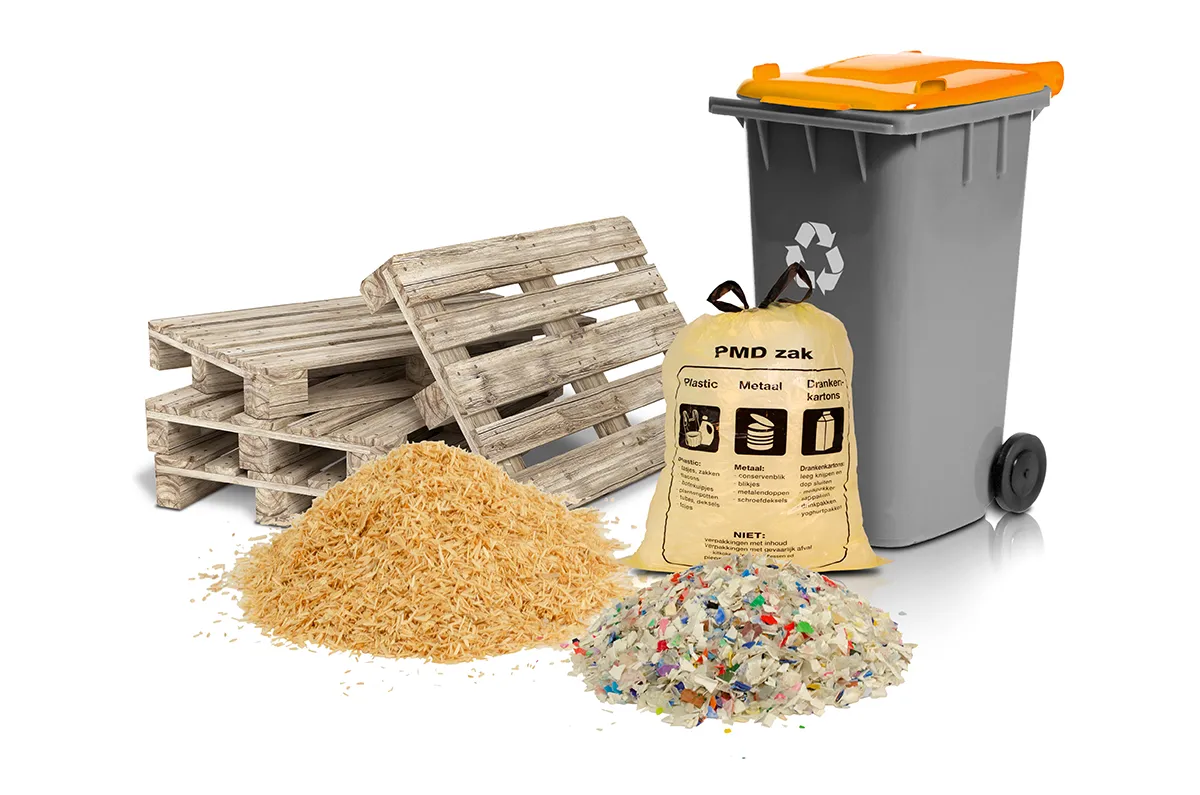
Where others see waste, Innodeen sees potential. DBP SIDING is made from Compodeen, a bio-based composite made entirely from upcycled secondary raw materials. It consists of 70% wood fibres from A-grade wood and PEFC-certified residual streams, bound with 30% rPP from household PMD waste. The ultimate form of upcycling: two low-value waste streams transformed into a finished product with durability class 1 (NEN-EN 350). “We give residual streams a second life in a high-quality construction product,” says Willemsen. “We transform materials that would normally end up in an incinerator into cladding in the highest durability class.”
The circularity ladder
The circular strategy behind DBP SIDING can be clearly explained using the R-ladder, a model that ranks circular choices from most to least desirable. “The raw materials for DBP SIDING literally come from the bottom rung: ‘Recover’, or residual material that would otherwise be incinerated,” Willemsen explains. “By upcycling these raw materials into a durable finished product, we avoid using new raw materials, or ‘Reduce’, the second-highest rung. This means we avoid using new materials, which is a major benefit for people and the environment.”
Natural character and aesthetic appeal
One distinctive feature of DBP SIDING is the way the material naturally weathers to a grey tone. Thanks to its high proportion of wood fibres, the product develops a warm, authentic appearance reminiscent of naturally weathered wood, without the structural drawbacks of real wood, such as rot or splitting. “The great thing is that this appearance develops entirely naturally, without chemical treatments or coatings. This means the product is sustainable not only in its use of materials, but also in its aesthetics,” says Willemsen.
Verified CO2 storage that lasts for generations
Another key sustainability benefit of Compodeen is its long-term storage of CO2. “The material stores CO2 for more than a hundred years and is also fully reusable,” says Willemsen. “This makes DBP SIDING a powerful tool in the fight against climate change. Customers also receive a certificate when they place an order, confirming the amount of CO2 stored.”
Less construction waste, easier installation
As well as its sustainable credentials, DBP SIDING offers efficiency benefits. Innodeen supplies the product fully made to measure. This means less cutting waste, less waste on site and shorter installation times. “We are finding that construction companies are increasingly asking for this type of prefabrication,” says Willemsen. “It saves time and money, and fits seamlessly with the sustainability goals of
many contractors.”
Born of collaboration and innovation
Innovation, collaboration and sustainability are at the heart of Innodeen. DBP SIDING is the tangible result. “We don’t develop our products alone,” Willemsen explains. “Together with our partners, we are constantly looking for improvements that make a real difference.” The material meets the strictest standards for quality, circularity and construction technology. More importantly, it is ready for the future.
Promising feedback from the market
Feedback on DBP SIDING from the construction and architecture sectors has been positive. “We have received a lot of appreciation for using residual materials and upgrading them into a product that is both aesthetically and technically high-quality,” says Willemsen. “This makes it easier for designers to make circular choices without compromising on appearance or performance.”
More than cladding
DBP SIDING is more than just a construction material. It is a symbol of circular progress. “It shows that, with the right vision and technology, we can turn waste into solutions for the future,” Willemsen concludes. “That is what Innodeen stands for.”
A business enquiry for INNODEEN BV? Get in touch
Companies in this story
Keep following this
Get an email when a new story is published. No account needed.
- ThemeFacade design and construction
- SubjectGeneral
- CompanyINNODEEN BV







