








Anodising in façade construction
Text and images Vereniging ION
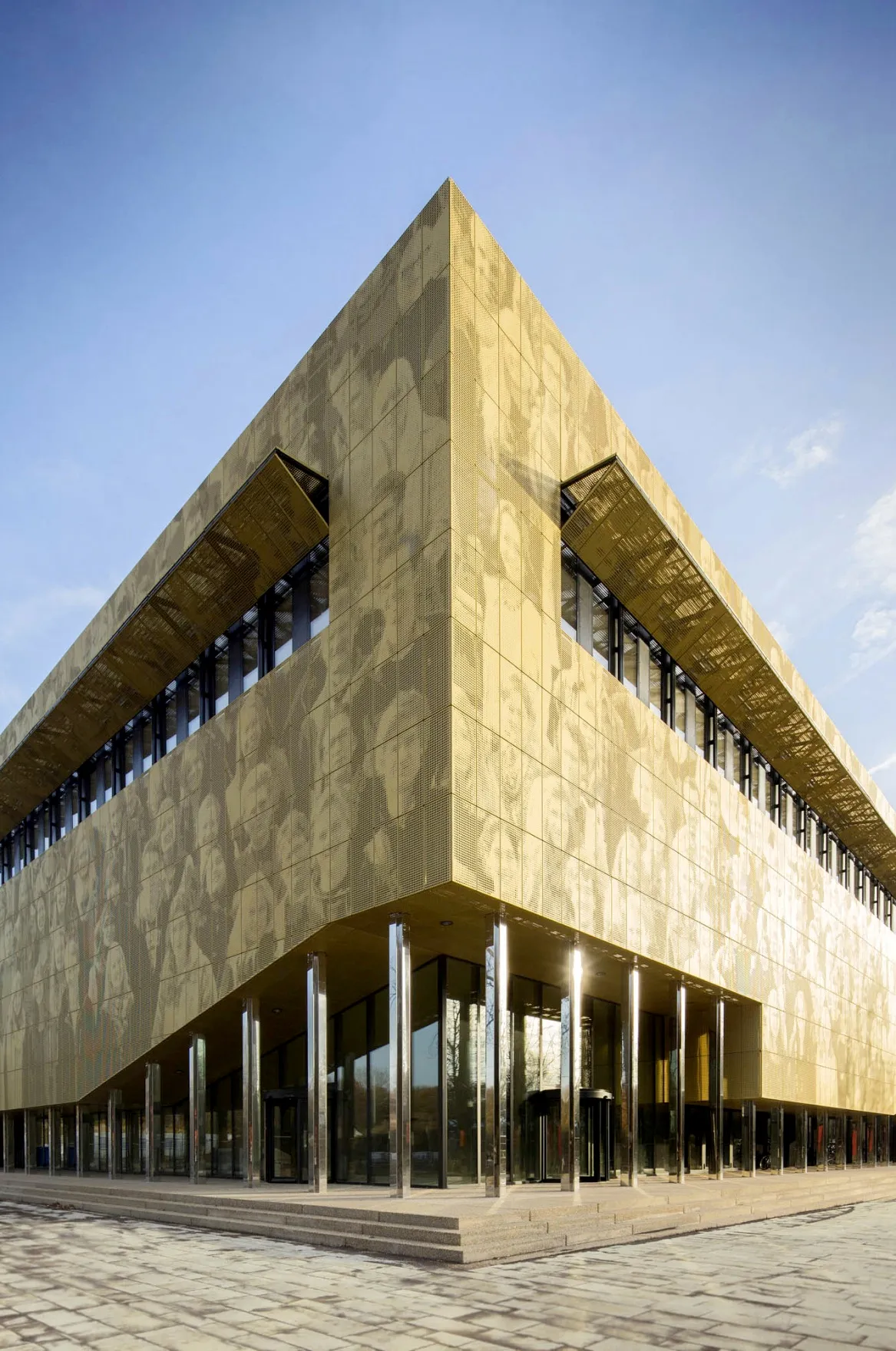
Durable aesthetics call for knowledge, choices and quality
Aluminium has long proved its worth in façade construction. Slim, lightweight, recyclable and structurally strong. But the finish, or coating, is just as important in determining a façade’s final appearance and service life. One of the most widely used and distinctive coating techniques is anodising.
In practice, however, anodising still raises plenty of questions. What exactly is possible? Why can the same colour sometimes look slightly different? And what should façade contractors, architects and designers bear in mind to avoid disappointment? This article outlines the process, its possibilities and key considerations, and explains why the Qualanod quality label plays an important role.
What is anodising?
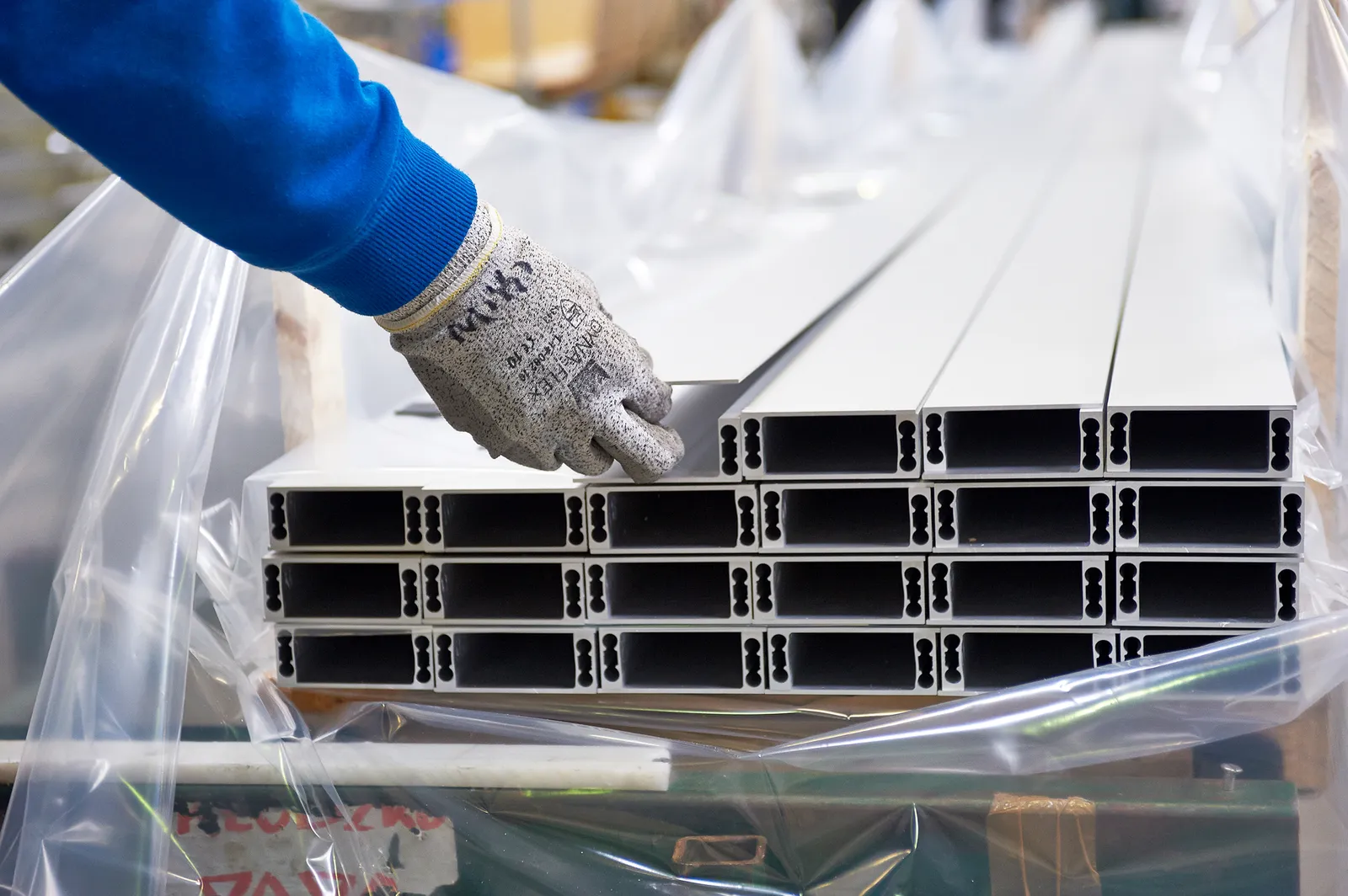
Anodising, sometimes also called anodic oxidation, is an electrochemical process that converts the aluminium surface into a hard, protective oxide layer. The distinctive feature is that, although this coating, known as the anodised layer, sits on the aluminium, it is also an integral part of it.
The result is a surface that is:
- Corrosion-resistant;
- Wear-resistant;
- UV-resistant;
- And retains its characteristic metallic appearance.
For façade construction, that means a durable finish with a high-quality, timeless aesthetic.
What can anodising achieve in façade construction?
1. Appearance and finish
Anodising lets the aluminium speak for itself. Depending on the treatment, the surface can be:
- Matt, satin or high-gloss;
- Brushed or smooth in appearance;
- Varied in reflectivity and depth.
This makes anodising particularly suitable for façades where material character and the way light plays across the surface matter.
2. Colour options
The most widely used colours in façade construction are:
- Natural (silver);
- Bronze and champagne shades;
- Dark brown to black.
These colours are usually produced by electrolytic colouring, which provides high colour stability and a long service life.
As well as the most widely used colours, anodising can also produce other, more distinctive colour options. In some cases, images or patterns can even be applied to the anodised layer. These applications often use organic dyes. Although many of these colours have good lightfastness, it is important to discuss expectations and possible applications with the anodising company at an early stage, particularly for exterior applications in façade construction.
It is important to note that anodising does not produce an opaque colour layer. The base material remains visible and always affects the final result.
3. Applications
Anodised aluminium is widely used in:
- Façade cladding and cassettes;
- Window frames and curtain walls;
- Louvres and solar shading;
- Railings and handrails;
- Roof edges, cover caps and detailing.
Key considerations in design and engineering
Anodising requires informed choices at the design stage. Leaving it too late can lead to unwanted differences or disputes during construction.
The base material is key
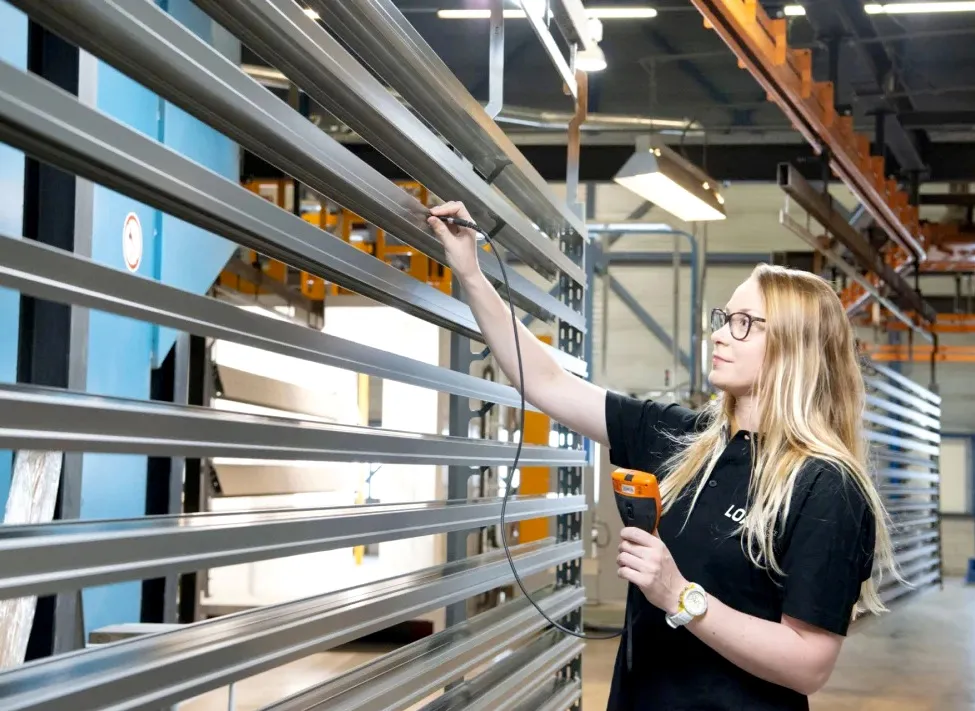
Not all aluminium alloys respond in the same way to the anodising process. Differences in alloy, extrusion and even rolling direction can lead to:
- Subtle colour variations;
- Differences in gloss or texture (reflectivity).
Tip: agree the alloy and supplier at an early stage, and avoid combining different base materials within a single façade area.
Colour tolerances are a fact of life
Anodising is a natural process. This means:
- Slight variations in colour and gloss are normal;
- Perfectly identical panels do not exist.
Tip: use reference samples, mock-ups and clear acceptance criteria. Specify in the project documents what is considered acceptable.
Design details matter
Drainage, fixings, contact with other metals and access for maintenance are crucial. Poor detailing can lead to soiling, staining or accelerated ageing, which is often wrongly attributed to the anodising itself.
Many of these considerations, together with practical examples from façade construction, are covered in Vereniging ION’s Masterclass Anodiseren voor opdrachtgevers. This masterclass offers an in-depth look at both the technical and aesthetic aspects of anodising. For more information, visit Vereniging ION (www.vereniging-ion.nl).
Why choose a Qualanod-certified company?
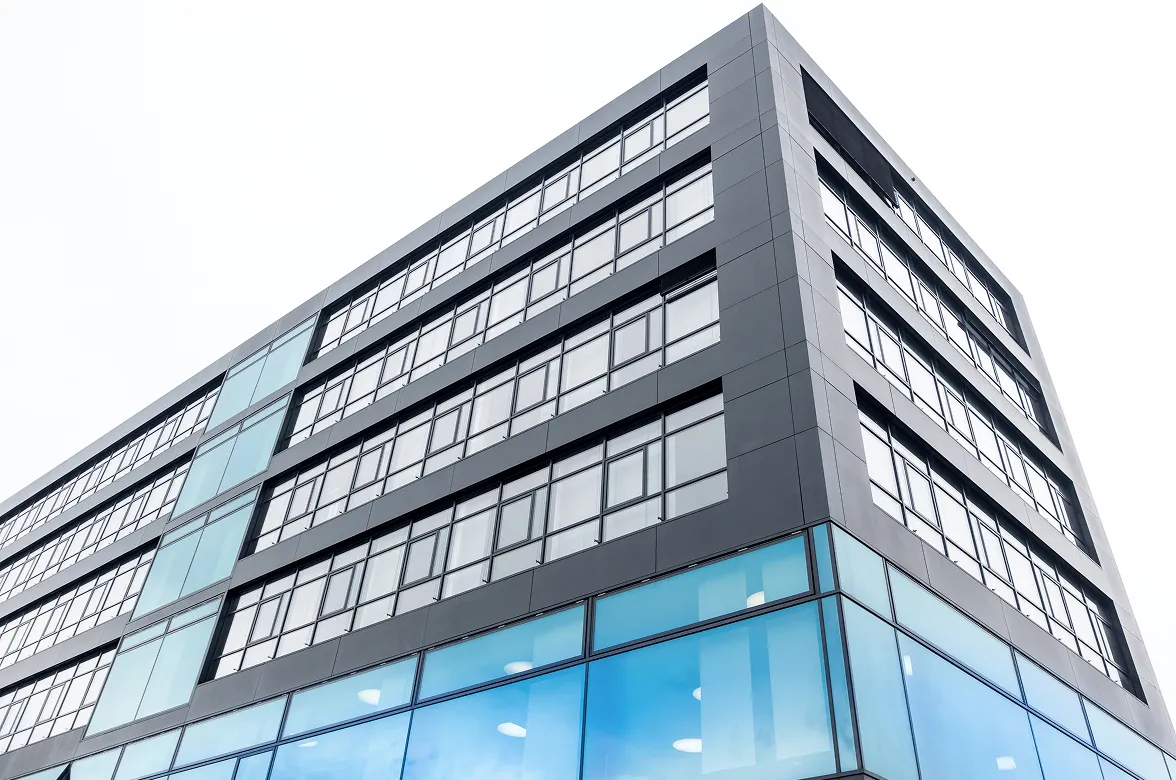
Qualanod is an international quality label for aluminium anodising. It guarantees not only the finished product, but also the process behind it.
A Qualanod-certified company:
- Works to documented technical specifications;
- Applies minimum requirements for coating thickness, sealing and appearance;
- Carries out continuous in-house quality checks;
- • Is independently inspected.
For clients, façade contractors and designers, this means:
- Predictable quality;
- Lower costs from defects and rework;
- An objective benchmark for specifications and contracts.
In short, Qualanod provides a shared quality benchmark in a supply chain where aesthetics and durability come together.
Anodising is a high-quality, durable surface treatment that is an excellent fit for modern façade architecture, provided the process is properly understood and correctly applied. By considering material choice, tolerances and detailing at the design stage, and choosing a Qualanod-certified anodising company, you can create a façade that looks good at handover and stays that way over the long term.
A business enquiry for Vereniging ION? Get in touch
Companies in this story
Keep following this
Get an email when a new story is published. No account needed.
- ThemeExtending the life of existing facades
- SubjectGeneral
- CompanyVereniging ION







