








Concealed fixings: only for large façade projects?
Text Roel van GilsImage SFS
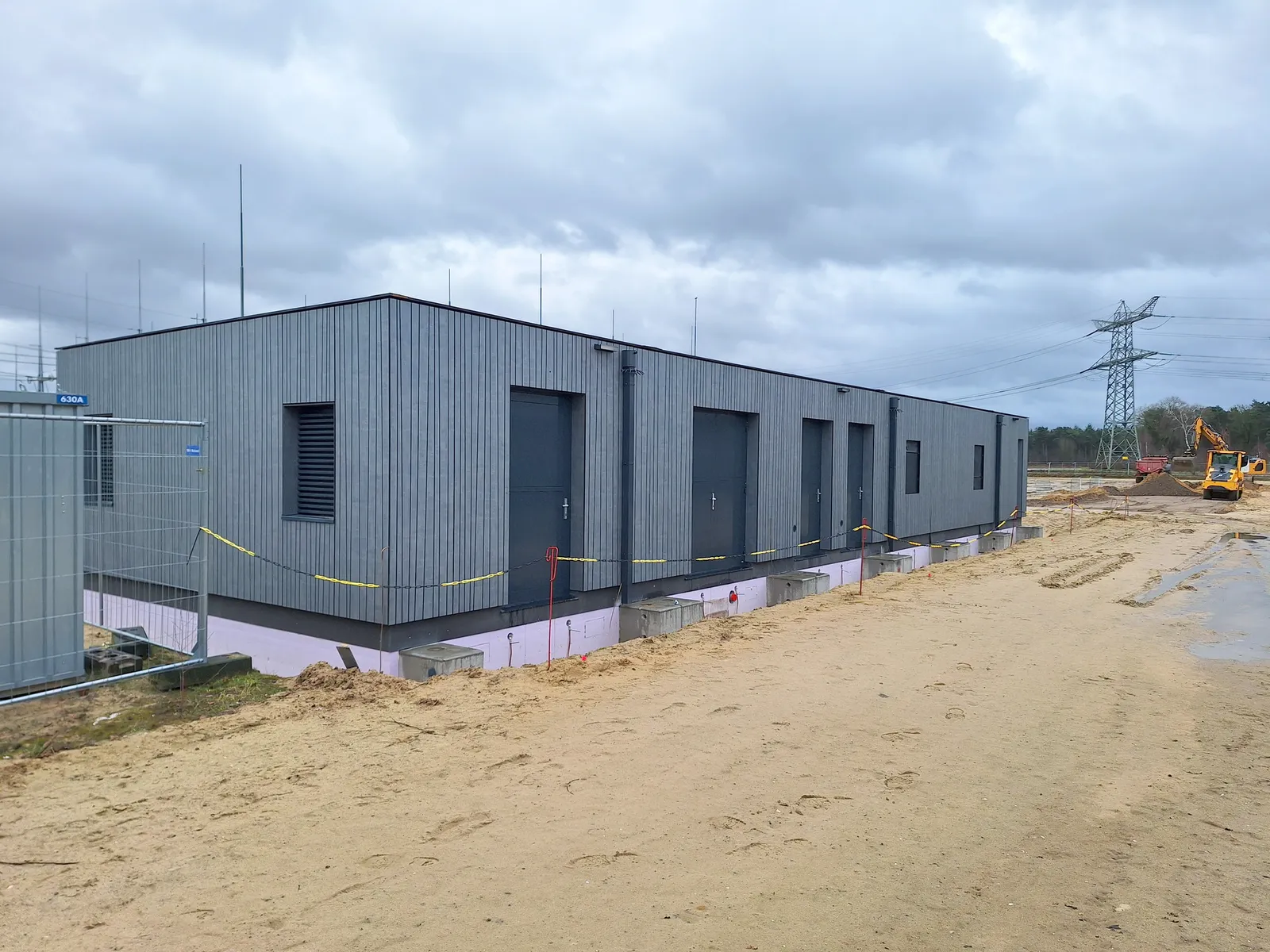
Concealed mechanical fixing is often associated with large or complex façade projects. Yet the system is increasingly being used on smaller projects too, for example in the form of SFS’s NV3 system, combined with the easy-to-use TUF-S anchor. And according to account manager Gijs Gooren, there is good reason for this.
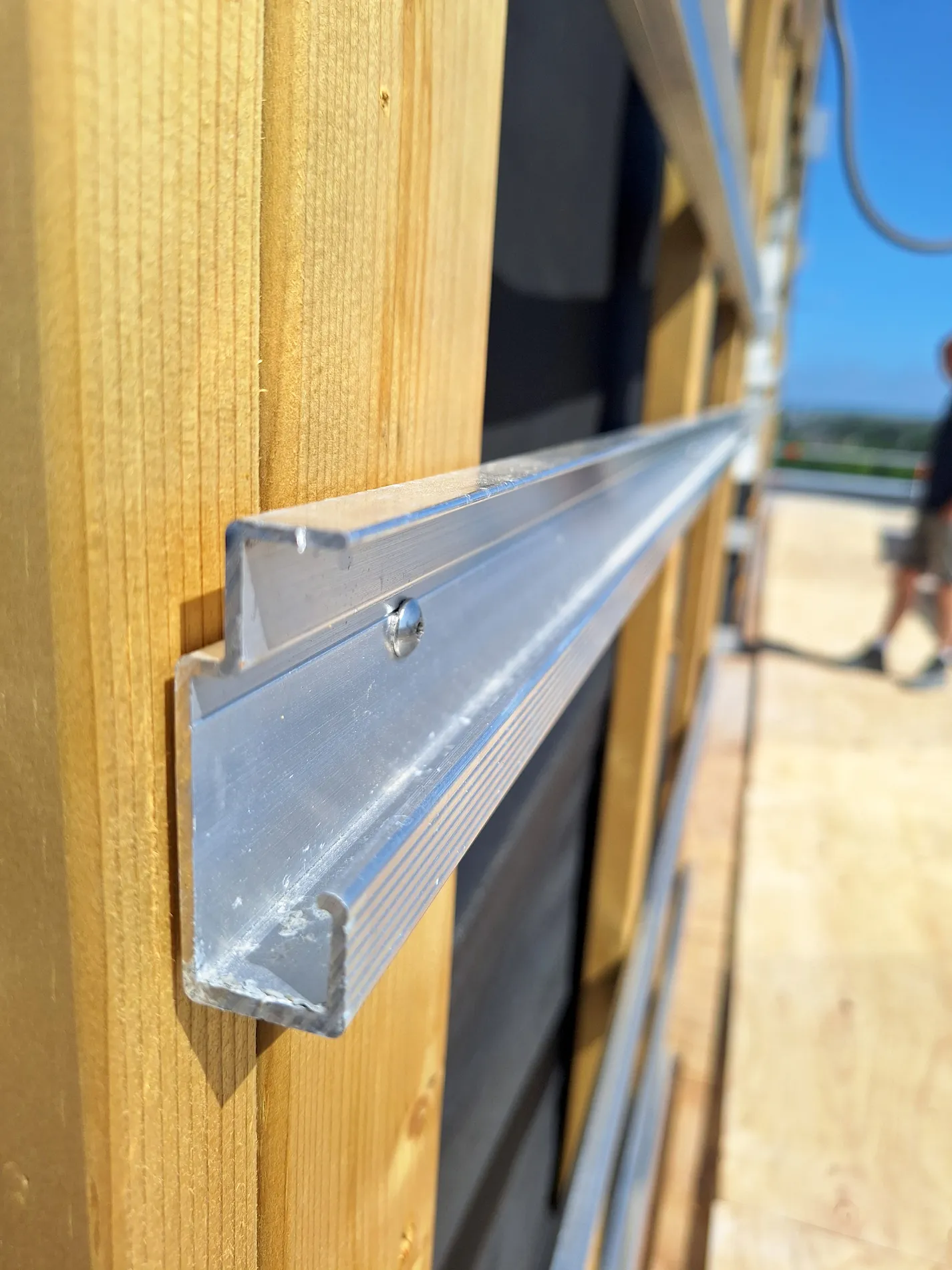
With this system, the TUF-S anchors are fitted to the back of the panel. They then hook into the supporting profiles, leaving the outside of the façade free of visible fixings. Gooren says mechanical fixing is increasingly preferred to adhesive bonding, particularly because of growing demand for demountable, fire-safe and circular façades. “An adhesive-bonded connection cannot be reversed; mechanical fixing keeps that option open. More and more façade cladding manufacturers, local authorities and clients are also specifying mechanical fixing as a requirement for their projects.”
Circularity
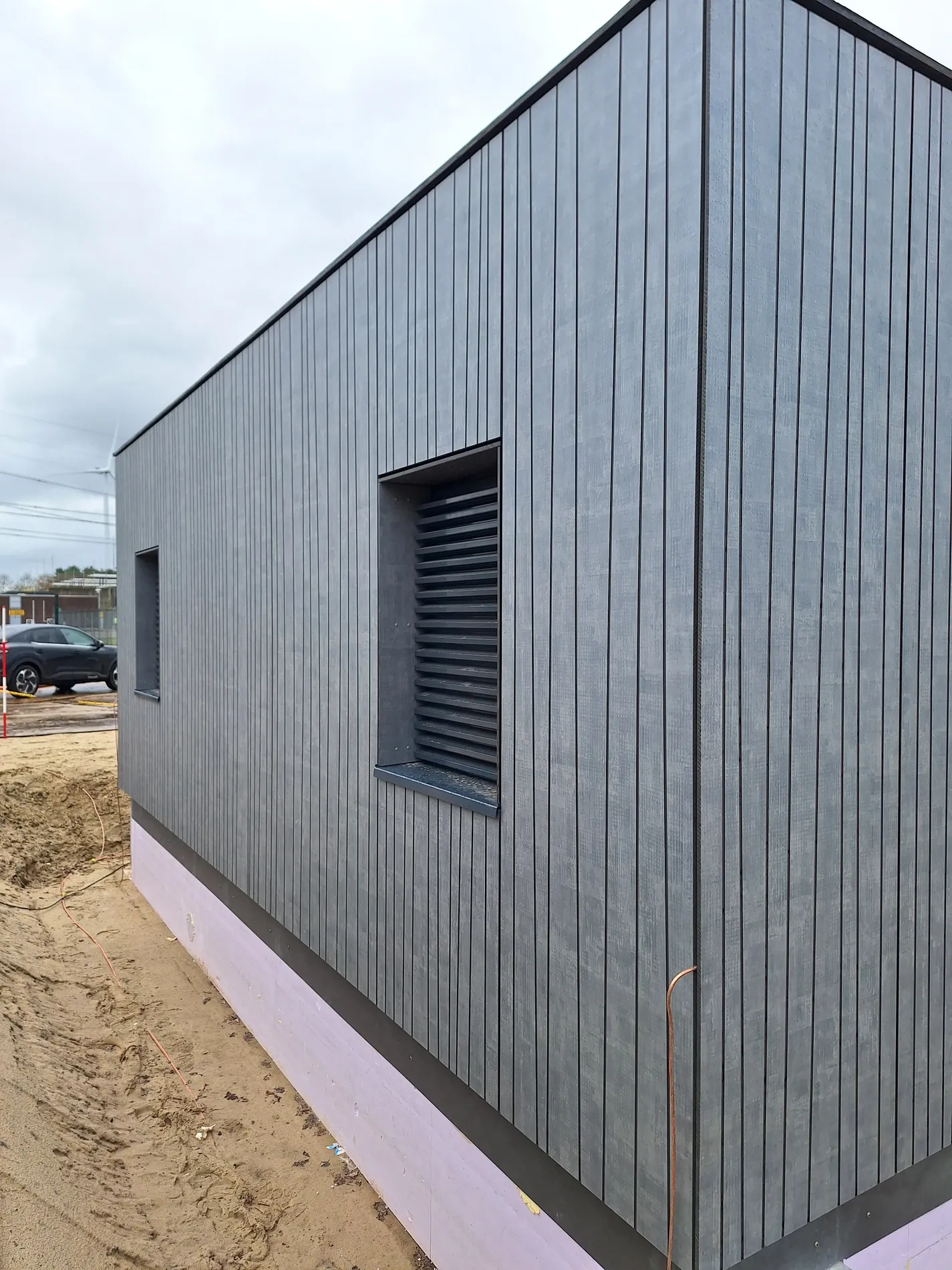
This trend is not limited to large new-build projects. “The NV3 system can also be used effectively on smaller buildings, renovations and specific sections of façades,” says Gooren. “We recently used it on a transformer building, in combination with HPL cladding. A demountable solution was deliberately chosen, so that the façade can be easily removed in the future and reused at another location. This supports the circular ambitions of the energy transition.”
Specified
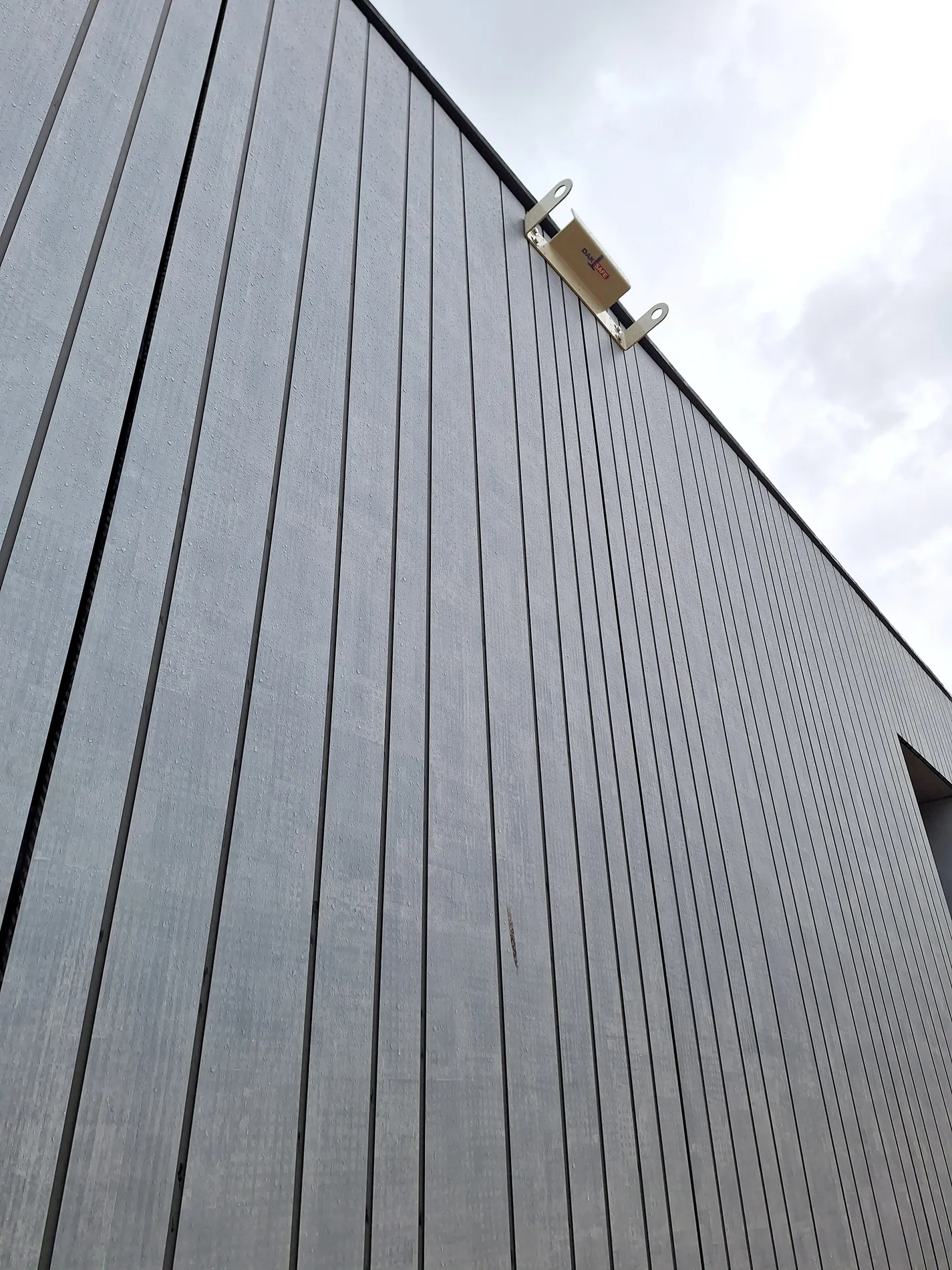
Mechanical fixing is also being chosen more often for renovation projects, Gooren notes. “Think of fascias, parapets and other façade sections finished with sheet materials such as HPL, stone wool or fibre cement cladding. In some cases, the panel manufacturer even specifies mechanical fixing, but sustainability is often another reason. Both the façade cladding and the fixing components then remain demountable and reusable.”
Flexibility
Another advantage of the NV3 system is its flexibility during installation. “On smaller projects, details and junctions are not always fully worked out before installation begins,” says Gooren. “The NV3 system offers sufficient adjustment options to make it easy to find solutions on site, for example for corner details or junctions around window frames. This makes the system suitable not only for large-scale façade construction, but also for projects where bespoke solutions and flexibility are important.”
Off-site preparation
The NV3 system can also be prepared entirely off site. “Panel processors can cut panels to size, drill the hole pattern and fit the TUF-S anchors in advance. Work can still be carried out on site when that is more practical.” Installation is also less sensitive to temperature and humidity than adhesive-bonded systems, where these conditions affect the quality and service life of the connection. “This means work can continue for more of the year, making the schedule more reliable.”
SFS’s NV3 system with the TUF-S anchor is therefore not just intended for large façade projects. “On smaller projects too, demountable fixing, adjustment options and the possibility of off-site preparation offer practical advantages,” Gooren concludes.
Een zakelijke vraag aan SFS Group the Netherlands B.V.? Get in touch
Companies in this story
Keep following this
Get an email when a new story is published. No account needed.
- ThemeFacade design and construction
- SubjectGeneral
- CompanySFS Group the Netherlands B.V.







