Engineering is not an afterthought
In façade construction, we like to talk about aesthetics, circularity and innovation. About slender lines, new materials and ambitious performance targets. That is only natural, because façades are visible and tangible, and shape how buildings are experienced. But while the conversation continues to grow richer, one discipline is still conspicuously overlooked: engineering.
As if it were something you could just do later, something that would simply adapt to the design.
We believe the opposite is true. Engineering is not the final stage of the process, but its foundation. It is where ambition meets reality. Where ideas are tested against wind, water, temperature, tolerances and time. Where it becomes clear whether something is not only beautiful, but also safe, buildable and sustainable.
The façade has changed profoundly in recent years. Buildings are getting taller, requirements more stringent, structures more slender and material combinations more complex. At the same time, responsibility is growing: towards users, the surrounding environment and the lifespan of what we build. Yet engineering projects are still often scheduled and budgeted as if this complexity did not exist, with lead times and margins suited to a different era.
This creates tensions. And we see the consequences in practice.
When engineering starts too late, is given too little time or is used mainly to tick off regulatory requirements, risks are shifted elsewhere. To the construction phase. To maintenance. Or worse, to the user. On paper, everything checks out, but in reality there is no room for manoeuvre. That is not robust construction, it is just putting off problems.
At the same time, legislation and regulations are becoming more detailed. Understandably so, but rules alone do not make a good façade. They require interpretation, integration and craftsmanship. Engineering is not about applying requirements blindly, but about making informed choices. And yes, sometimes it also means having the courage to say that something is not possible, or needs to be done differently.
We believe the sector needs to redefine its position on this. Engineering deserves an equal place at the design table. Not as a reactive discipline, but as one that helps set the direction. Not as a cost item, but as a value-creating discipline. Because well-considered engineering is precisely what makes designs smarter, more slender and more future-proof.
Our message to the market is simple, but urgent: stop treating engineering as an afterthought. Bring it in earlier, give it room and make technical substance central to decision-making. Ask the difficult questions before they come up of their own accord later.
Those who are willing to do the calculations today will not have to make repairs tomorrow.
Let us work together to make that happen.
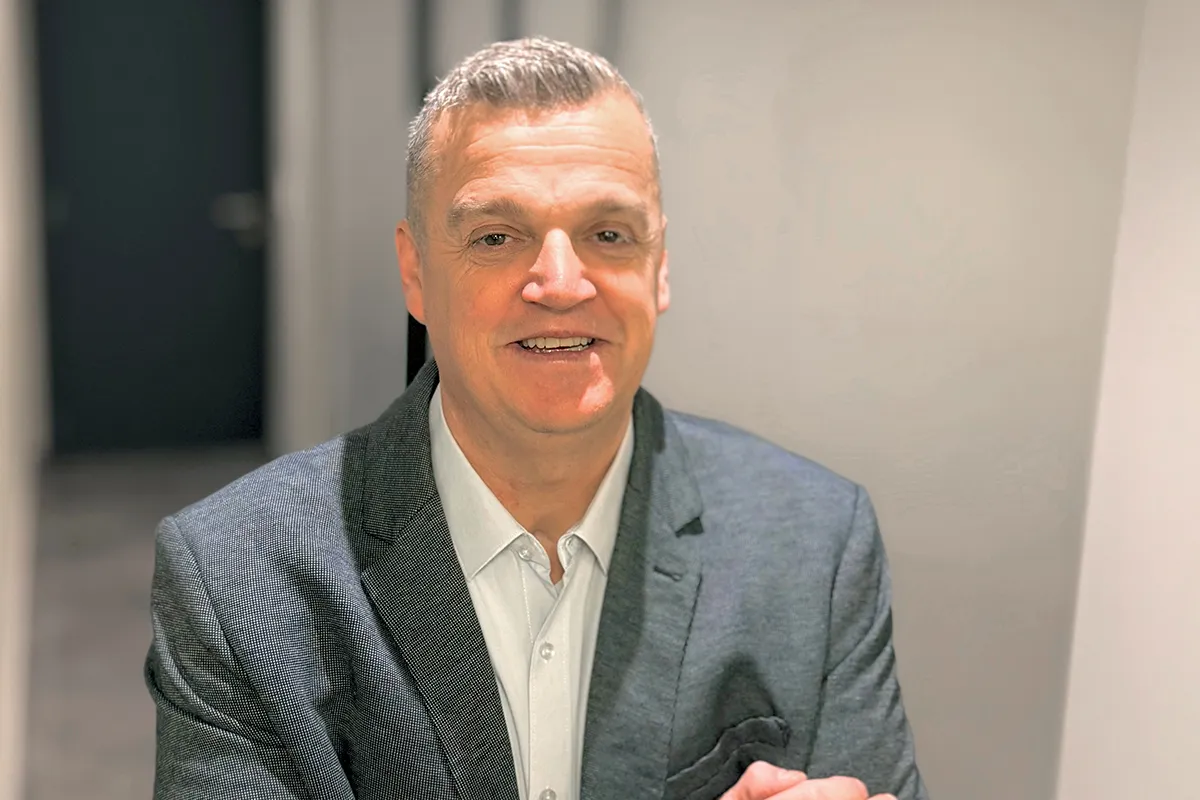
Philip Willems, CEO of Willems Building & Engineering
Bart Ramaekers, CTO of Willems Building & Engineering
Question about this story? Ask your question
Keep following this
Get an email when a new story is published. No account needed.
- SubjectGeneral