








Fire-safe construction takes more than one product
Text Roel van GilsImage Bloem Sealants
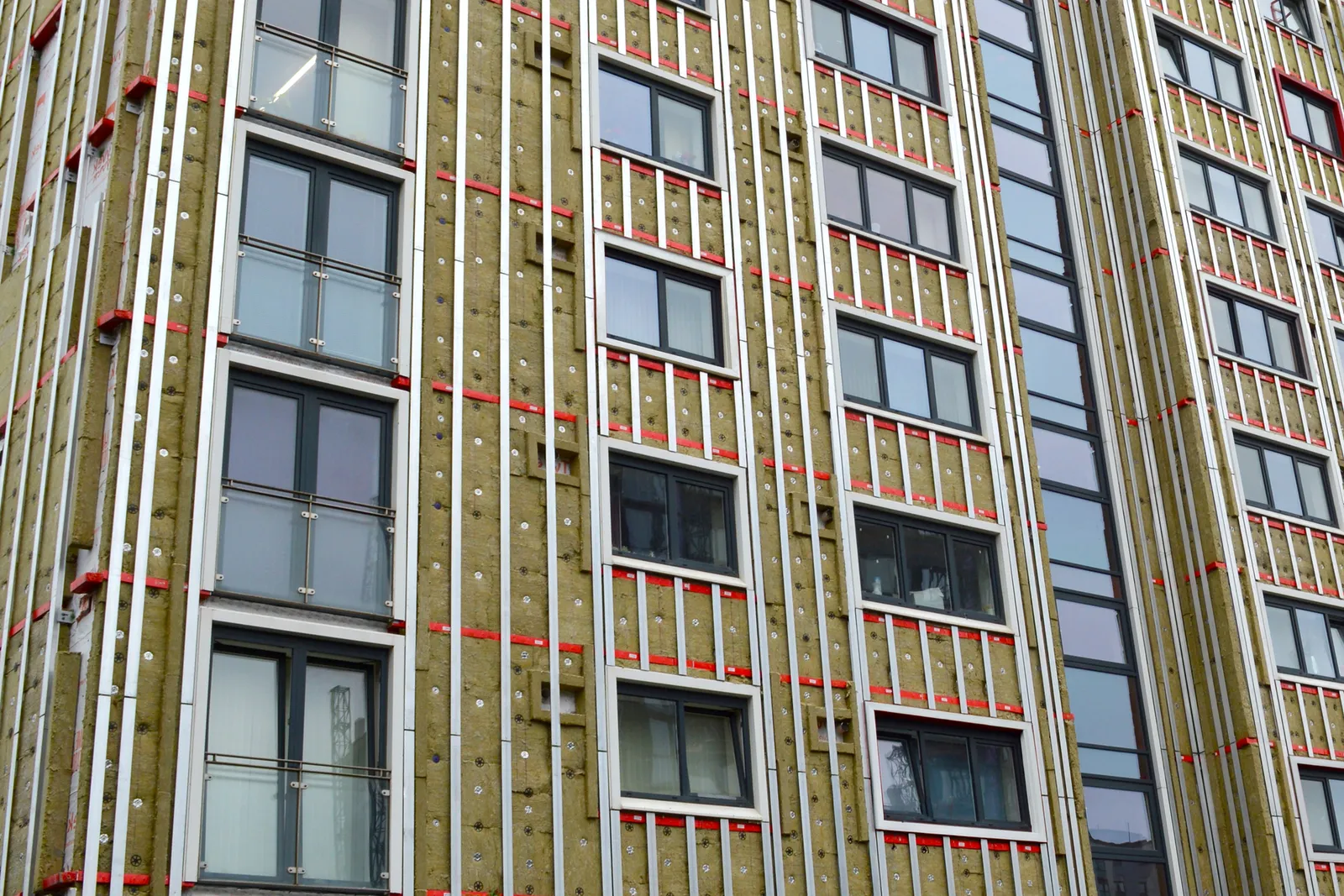
The world of passive fire protection is changing rapidly. New regulations, taller buildings and innovative construction materials mean fire safety is becoming an increasingly integral part of the design and construction process. This is all in a day’s work for Bloem Sealants. The family business is actively shaping the future of passive fire protection in the Netherlands.
“Fire safety is never about a single product,” says Victor Bloem, the third generation being prepared to take over the family business. “It always involves a combination of solutions that need to work together. The question is no longer simply whether a material is fire-safe, but how an entire structure behaves in a fire.”
Bloem Sealants began as a manufacturer of glazing sealants, which helped it establish itself in the market. Its range has since expanded considerably to include non-combustible tapes, intumescent strips, fire-resistant foils, and solutions for joints and service penetrations.
Tougher fire safety requirements
In recent years, the focus has increasingly shifted to façade safety and compartmentation. This is a topical issue, partly because regulations for high-rise buildings in the Netherlands have been tightened. “We are building ever taller and using new materials, while much of the existing regulation was originally developed for traditional construction methods,” says Victor Bloem. “As a result, attention is increasingly turning to the fire behaviour of complete façade systems. It is not just about the fire classification of individual materials, but about how the façade cladding, insulation, cavity, fixings and fire-resistant details work together.”
The first publication on this appeared in the Government Gazette in 2023. Further details are expected next year, in the form of amendments to the Besluit bouwwerken leefomgeving (Bbl). The development of NPR 6999 also plays an important role. This practice guideline provides a framework for large-scale façade tests to assess the fire spread performance of complete façade systems. This reflects a wider shift in the market, from product-focused thinking to system-based design and construction.
Chimney effect
One of the key changes concerns more stringent façade compartmentation requirements for buildings over 30 or 50 metres tall, depending on the number of escape routes. Compartmentation is particularly important for ventilated façades. “A chimney effect occurs when these façades catch fire,” says Victor Bloem. “Fire can spread extremely quickly, and these façades are also difficult to extinguish. The fire brigade often has to break open the façade, which is a huge challenge, especially at height.”
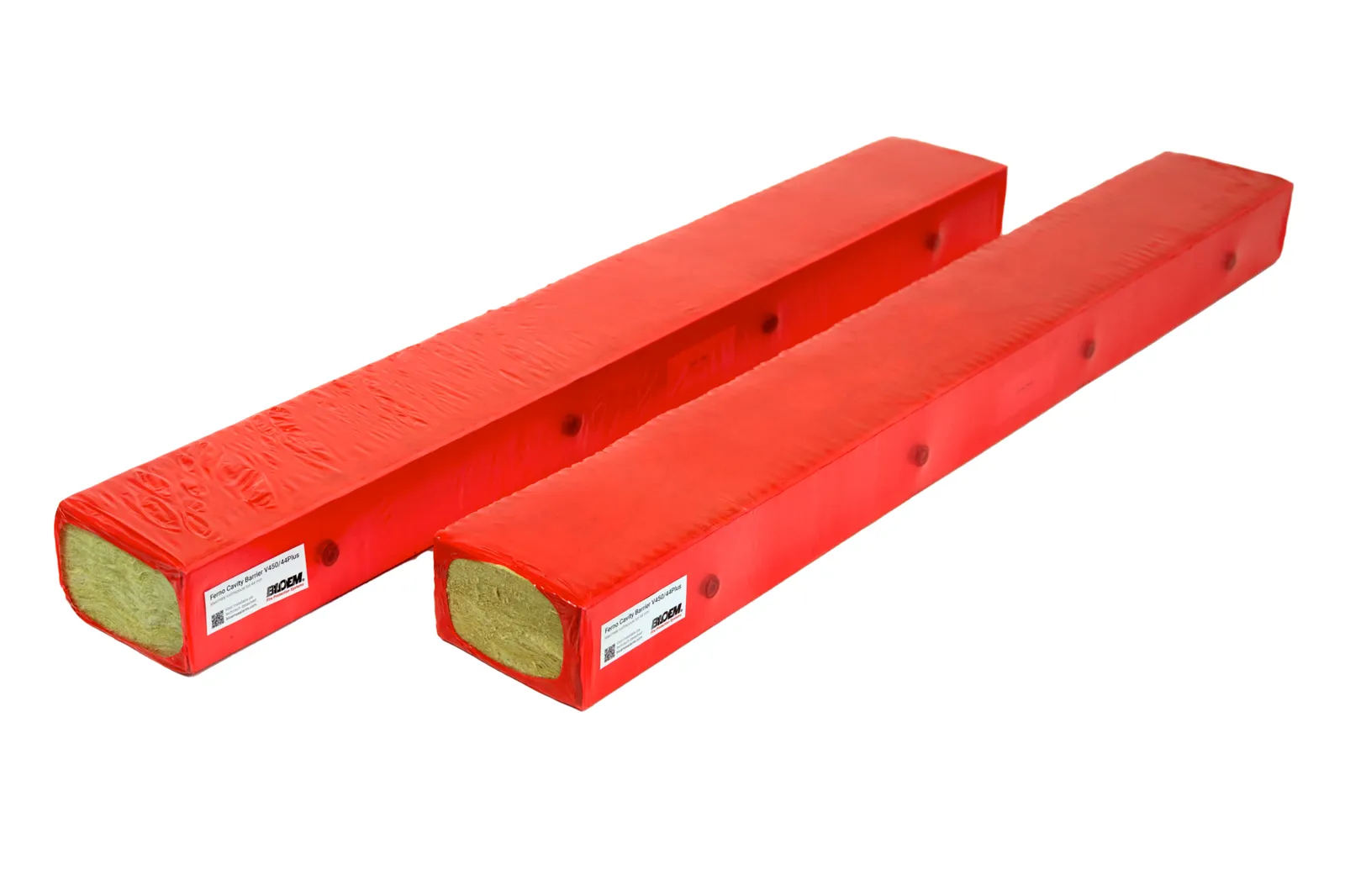
Ferno Cavity Barriers
To reduce this risk, Bloem Sealants supplies products including Ferno Cavity Barriers. These cavity barriers allow ventilation and drainage under normal conditions, but intumesce when exposed to fire. “Because fire can spread quickly through a ventilated cavity, it is important to compartmentalise it at the right points,” explains Victor Bloem. “The material contains graphite, which expands significantly at temperatures between 150 and 180 degrees, closing off the open space. In the Netherlands, we often build with an open cavity of four centimetres. Our systems have been tested with an air gap of up to 44 millimetres, allowing some tolerance on site.”
According to Victor Bloem, correct installation is at least as important as the product itself. “A cavity barrier only works properly if it is suited to the façade construction, cavity width and detailing. That is why we look not just at the product, but at the entire façade build-up.”
Advice and support
Bloem Sealants’ Ferno Cavity Barriers are used in a range of façade systems, from timber frame construction to curtain walling and traditional construction. There is a specific solution for every situation. According to Victor Bloem, interest from architects, contractors and façade builders is growing rapidly, although awareness could still be raised further.
“Fire safety is sometimes still seen as something to be dealt with during construction. In reality, the most important decisions are made during the façade design stage. We are receiving more and more enquiries about fire-resistant details, and we support customers with detailing, provide training and carry out on-site inspections where necessary. Ultimately, a building is only as fire-resistant as its weakest link. That is why systems must not only be properly tested, but also correctly installed.”
In the coming years, the focus will shift further from material classifications to system performance. For designers, façade builders and suppliers, this means collaboration and knowledge sharing will be more important than ever. That is why Bloem Sealants supports customers not only with products, but also with advice on detailing and product application, training, and guidance throughout projects.
Question about this story? Ask your question
Keep following this
Get an email when a new story is published. No account needed.
- ThemeSafe and verifiable facade construction
- SubjectGeneral







