








Groundbreaking: carbon-neutral silicones reduce the CO2 footprint of façades
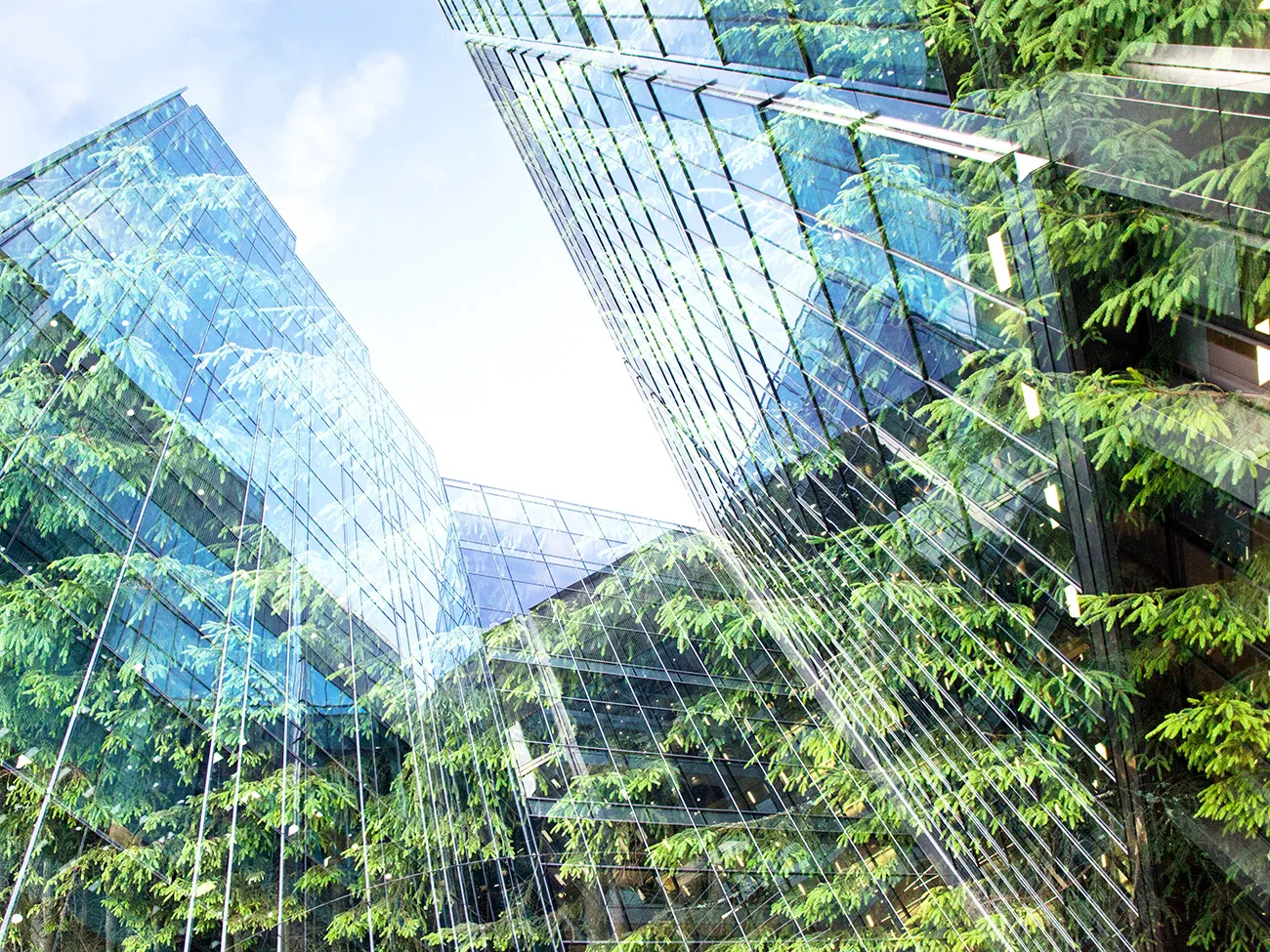
Dow is introducing a new range of carbon-neutral silicones for use in structural glazing, insulating glass and sealants. This groundbreaking innovation makes it possible to design with greater freedom while reducing environmental impact.

According to the World Green Building Council, the construction sector is responsible for approximately 39 per cent of global CO2 emissions. This includes both ‘embodied’ carbon, incorporated into building products during manufacture, and the carbon generated during construction activities. Although producing Dow’s silicones requires energy, these products require hardly any energy to use in applications such as prefabricated façade elements and insulating glass. This alone helps to significantly improve the energy efficiency of buildings. Their proven durability also means that the insulated building envelope lasts for more than 50 years. According to the Global Silicones Council, the energy or carbon ratio for silicone sealants saves up to 20 times more energy than is needed to produce them for insulating glass.
With its carbon-neutral silicones, Dow goes one step further. In these products, the carbon required to produce the silicone polymers, the literal building blocks of the products, is reduced to zero. It is truly a groundbreaking innovation. “The launch of the carbon neutrality programme for DOWSIL™ silicones for building façades marks a genuine evolution in silicone carbon neutrality,” says Markus Plettau, Dow’s global segment leader for building façades. “In line with the industry’s efforts to develop climate-neutral buildings and reduce CO2 emissions, Dow is leading the way in reducing the embodied carbon in building materials.”
Plettau is convinced that silicone will remain the technology of choice in building and construction. This is not only because of its long-term performance and favourable environmental footprint, but also because it improves buildings’ energy performance and greenhouse gas emissions. “The carbon neutrality programme for DOWSIL™ silicone materials benefits not only architects, builders and building owners, but is also key to achieving significant and ongoing carbon reductions through integrated design solutions. This allows professionals to design with greater freedom while still reducing the environmental impact of their engineering,” adds Plettau.
Supported by PAS 2060 verification, which is internationally recognised for organisational carbon neutrality, Dow’s carbon-neutral silicones will contribute towards additional green building certification points. Each product also has an Environmental Product Declaration (EPD), providing transparent and comparable information on the environmental impact of these products over their life cycle.
Dow Building Science is strongly committed to reducing its ecological footprint and tackling climate change. In addition to carbon-neutral silicones, Dow continues to develop innovative and sustainable solutions for the construction and infrastructure markets.

Question about this story? Ask your question
Keep following this
Get an email when a new story is published. No account needed.
- ThemeGlass for light and comfort
- SubjectGeneral







