








LCA and EPD: sustainable façade construction requires hard data
Text Frank VeelenturfImage Alucol
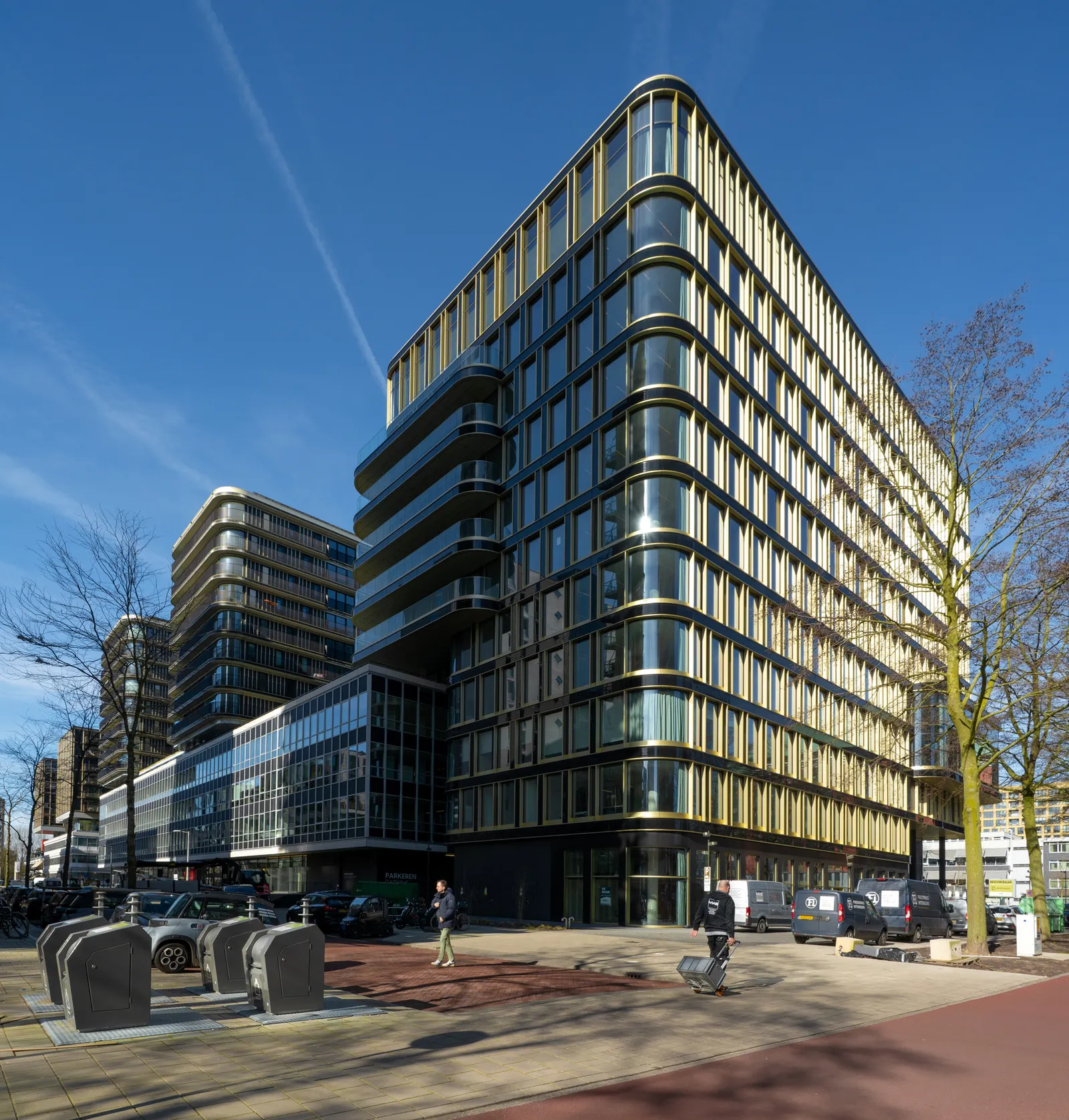
Sustainability is no longer an optional ambition in façade construction. Architects, clients, contractors and façade builders are increasingly facing specific questions about environmental performance, material choices and verifiable data. A façade’s appearance and technical quality are not the only important considerations: its environmental impact throughout its entire life cycle matters too. That is why LCAs and EPDs are becoming increasingly important.
A Life Cycle Assessment (LCA) provides insight into the environmental impact of a product or process. It looks at the entire chain, from raw material extraction and production through to use, maintenance and end of life. An EPD, or Environmental Product Declaration, is a standardised declaration of a product’s environmental impact that makes this data available in a reliable and comparable format.
This is essential for façade construction. Aluminium is widely used because of its excellent technical properties, long service life, high aesthetic value and excellent recyclability. Anodised aluminium has a strong position in this respect. The anodised layer is not an applied paint coating, but is formed from the aluminium itself. The result is a durable, colourfast, low-maintenance surface, with no risk of filiform corrosion and with the material’s recyclability preserved.
At Alucol, we see customers increasingly asking for evidence. The question is no longer just: how much does it cost and what does it look like? Increasingly, the question is: what does this choice mean for the building’s environmental performance?
This is also becoming more concrete in tenders. Environmental performance and the MKI, the environmental cost indicator, are increasingly being used as criteria. Reliable LCA data is needed to determine this accurately. Without substantiated environmental data, it is difficult to compare products fairly or to participate as a supplier in projects where sustainability carries significant weight.
For this reason, Alucol has had the environmental performance of its anodising processes assessed. The available LCA and EPD information is on our website. This enables customers, façade builders and other value-chain partners to make better-informed choices and include our data in their own calculations, project documentation or sustainability reports.
We have deliberately opted for two LCAs. This reflects both industry practice in façade construction and the advice of the VMRG. For applications in corrosion classes C1, C2 and C3, we use an anodised layer up to and including 20 microns, designated A20. For more demanding conditions, such as corrosion classes C4 and C5, we use 25 microns, designated A25.
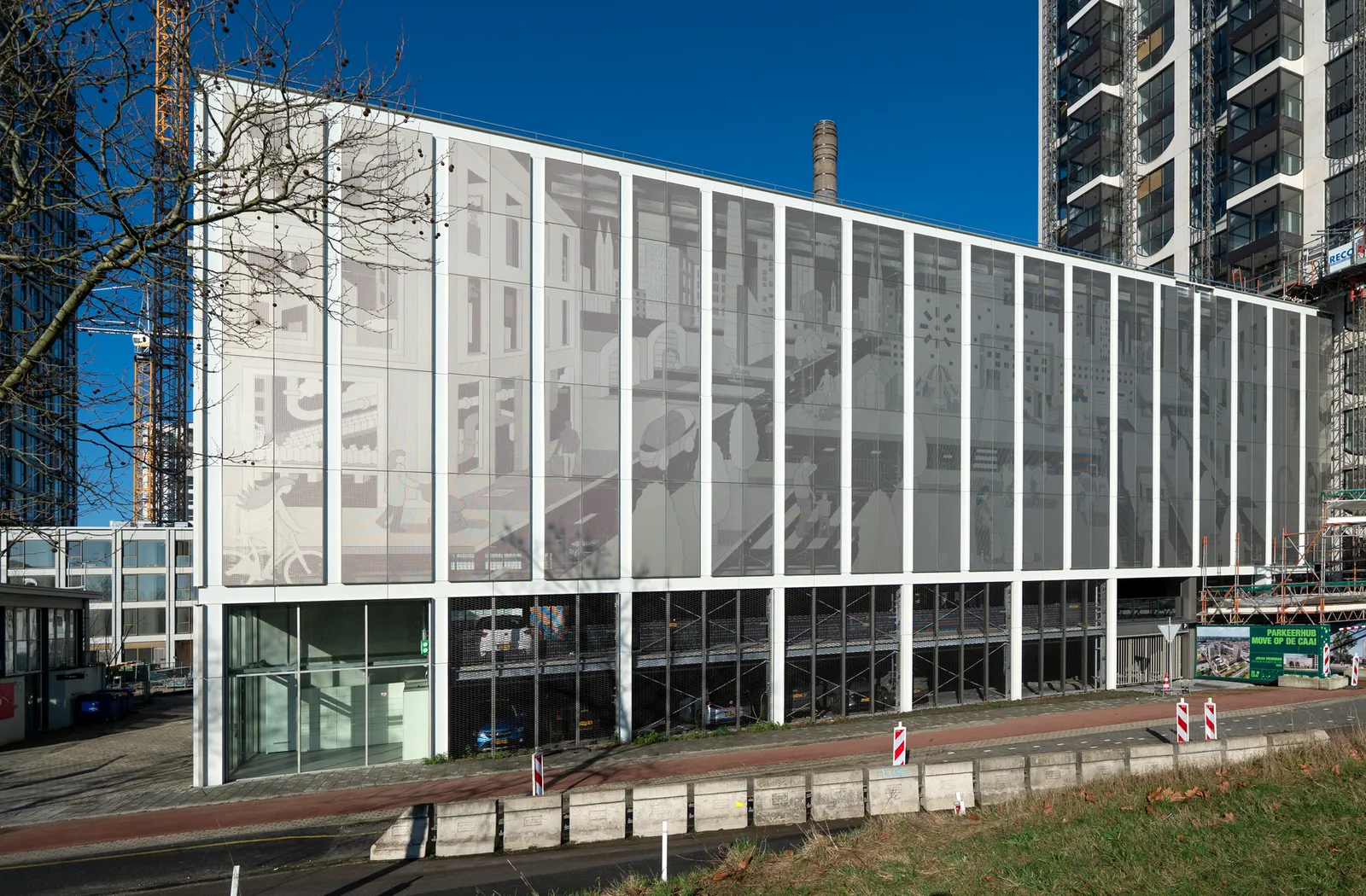
This distinction matters. Not every façade requires the same layer thickness, and therefore not every façade requires the same environmental calculation. Distinguishing between A20 and A25 gives a fairer and more realistic picture of environmental performance for each application. This prevents light-duty applications from being unnecessarily burdened in the calculation, while projects in more aggressive environments receive the appropriate technical and environmental substantiation.
Inclusion in the National Environmental Database (NMD) is also becoming increasingly important. The NMD makes environmental data visible and usable in calculations for buildings and other structures. For manufacturers and suppliers, this means their product or process becomes easier to find and use in projects where verifiable sustainability plays a role.
This development is not limited to the Netherlands. International customers are also increasingly asking for reliable sustainability data. International clients, façade builders and system houses want to know the environmental impact of a chosen finish. Companies that have this data available are ahead of the game. Those that wait will have to provide it under time pressure later.
European legislation is another factor. The Construction Products Regulation (CPR) is clearly moving towards greater transparency about the performance and environmental data of construction products. Environmental data and EPDs are expected to play an increasingly important role in the marketing and use of construction products in the coming years. The sooner companies start collecting and structuring this data, the better positioned they will be.
Many companies are also actively participating in the CO2 Performance Ladder. This, too, requires insight into the supply chain. Any company serious about reducing its own CO2 emissions ultimately needs to know the contribution made by its suppliers, processes and materials. LCAs and EPDs help make this supply-chain information concrete and useful.
At the same time, an LCA is not an end in itself. For Alucol, it is primarily a starting point. Making the sources of environmental impact clear also shows where improvements can be made. These could include further electrification of processes, the use of heat pumps, switching to renewable energy, saving water, reusing process water and further optimising production processes.
Every step we take towards this ultimately improves environmental performance for our customers. This makes sustainability not just an internal challenge, but a shared improvement across the entire value chain.
This offers opportunities for façade builders. Choosing anodised aluminium with verifiable environmental data can help them strengthen their position with architects, contractors and clients. It supports tenders, sustainability ambitions, project assessments and material choices. It also meets the construction sector’s growing need for transparency.
The role of LCAs and EPDs will only grow in the coming years. Not because the market needs more paperwork, but because the construction sector must provide increasingly robust evidence of which choices are genuinely sustainable.
And this is precisely where anodised aluminium’s strengths lie: a long service life, a strong, low-maintenance finish, preserved recyclability and a high-quality appearance. Substantiated environmental data makes this value visible.
Anyone looking to get started should take a practical approach. Do not wait until a client, tender or new European requirement demands it. Start collecting key product and process data now. Map material flows, energy consumption, transport, waste streams and water consumption. Then identify which products or processes are strategically important and have their environmental performance assessed.
Also, actively request data from suppliers and ask the same question of your own organisation: could we demonstrate tomorrow what our contribution to a more sustainable building is? Companies that can do this will have an advantage. In tenders. With architects. With clients. And in their work with international customers.
Because sustainable façade construction does not start with a good story. It starts with measuring, substantiating and improving.
Question about this story? Ask your question
Keep following this
Get an email when a new story is published. No account needed.
- ThemeCircular facades with lower environmental impact
- SubjectGeneral







