








No vague, elusive claims, just hard factual data
Text Jerry HelmersImage Trespa

How a new standard for sustainability and fire safety is raising the bar in façade construction
Transparency is no longer a luxury, but a necessity. Especially in façade construction, where material choices have a direct impact on people’s lives and the environment. While many manufacturers still rely on broad sustainability ambitions and vague promises, Trespa of Weert is taking a fundamentally different approach. Last year, the company introduced the Trespa Standard: a bold, measurable and, above all, verifiable approach to sustainability and safety. “We say what we do, and we do what we say. No marketing spiel,” says Marco Beelen, Regional Manager for the Netherlands and the United Kingdom.
The first articles about the Trespa Standard appeared in the trade press last year, and Beelen says the response was positive. “It may be too soon to draw conclusions, but I am convinced that the market can see there is a real need for a standard. The world is complex: facts sometimes seem like opinions, and opinions are presented as facts… but what is actually true? People were, and still are, looking for independent information that enables them to make better choices.”
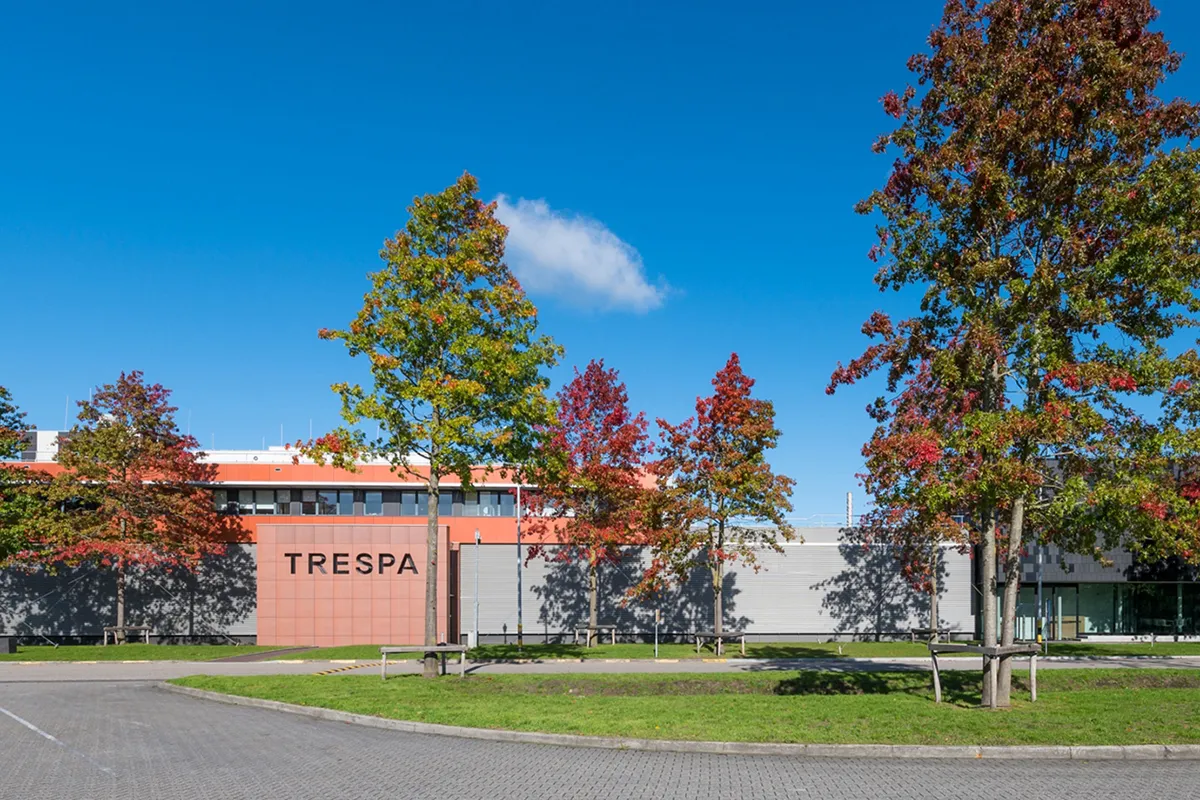
From aspirations to evidence
Many companies in the construction sector say that sustainability is ‘in their DNA’. But according to Beelen, that is no longer enough in 2025. “We need to move away from non-binding slogans.
Sustainability without evidence is not sustainability. With the Trespa Standard, we make everything verifiable. We are radically transparent about our impact and our choices, and that is exactly what the industry needs.”
The need is clear. The construction sector is responsible for around 39% of global energy-related CO2 emissions. That is precisely why Trespa wants not only to improve its own sustainability performance, but also to better equip architects, façade contractors, designers and clients to make responsible material choices, using objective, verified data.
What is the Trespa Standard?
The Trespa Standard is not a slogan, but a concrete set of principles based on three pillars:
1st pillar: Transparency and evidence: all published environmental and health claims are supported by external validation, such as EPDs, HPDs, VOC tests and declarations of bio-based content.
2nd pillar: Measurable sustainability: from renewable raw materials to CO2 storage in wood fibres and energy-efficient production processes.
3rd pillar: Practical reuse: through the ‘Second Life’ programme, panels are given a second life in less critical applications, retaining their environmental value.
Beelen stresses that this standard is not an end point, but a beginning: “We want to inspire others in the sector to take a data-driven approach too. Because you can only do something about your emissions once you know what they are.”
No empty promises
An important aspect of the Trespa Standard is its deliberate avoidance of exaggerated claims. “We are forthright and direct, but never overblown. Everything we communicate must be true and verifiable. No superlatives, just figures and facts. No ‘sustainability label’, but a verified environmental product declaration for every panel.” Trespa is addressing a professional audience that is hungry for clarity in a market that is often opaque. “Architects and façade contractors no longer want glossy brochures. They want to know where they stand and what a product’s CO2 impact is. What does it mean for certification? And what can still be done with it at the end of its service life? We provide those answers.”
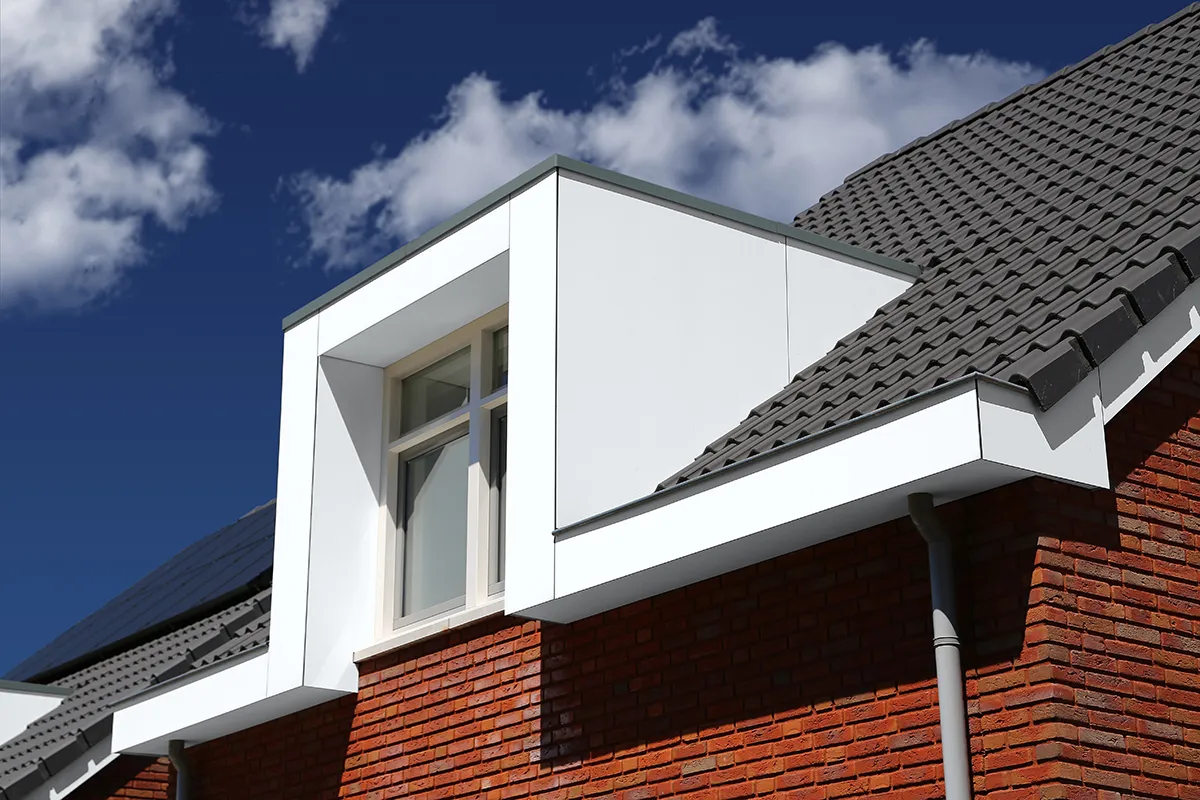
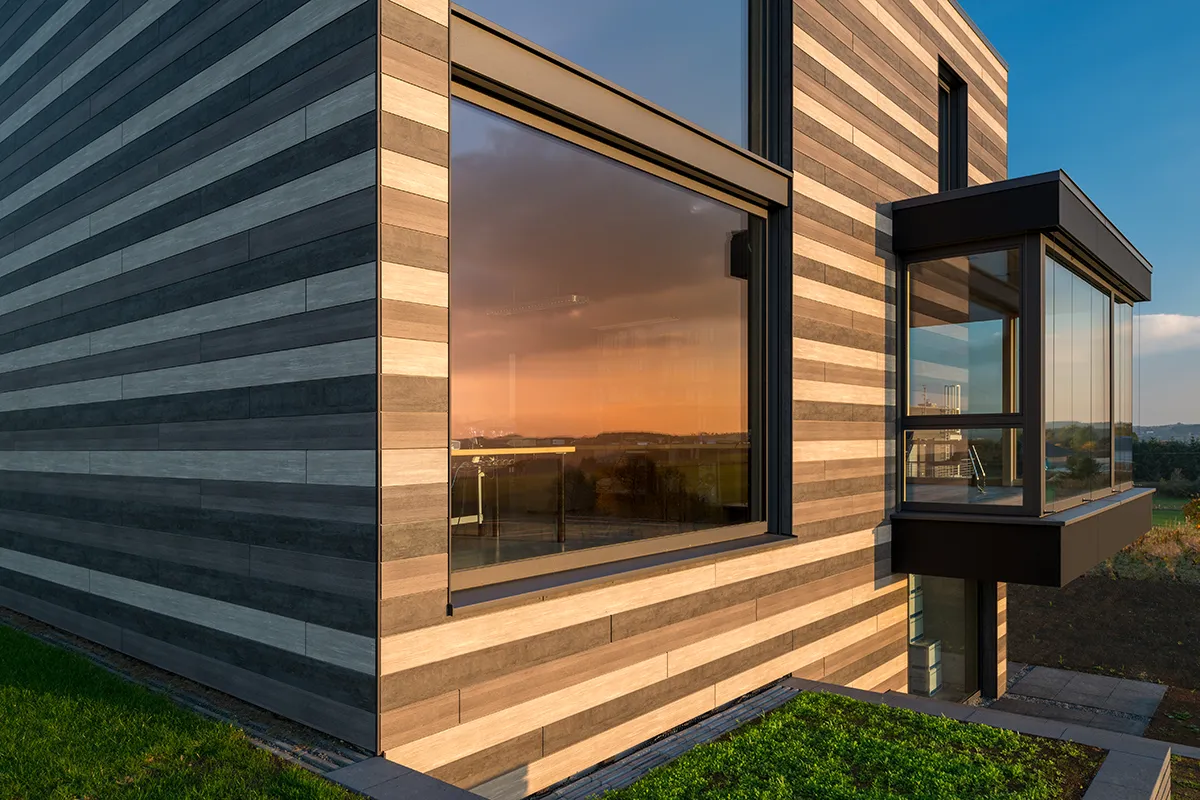
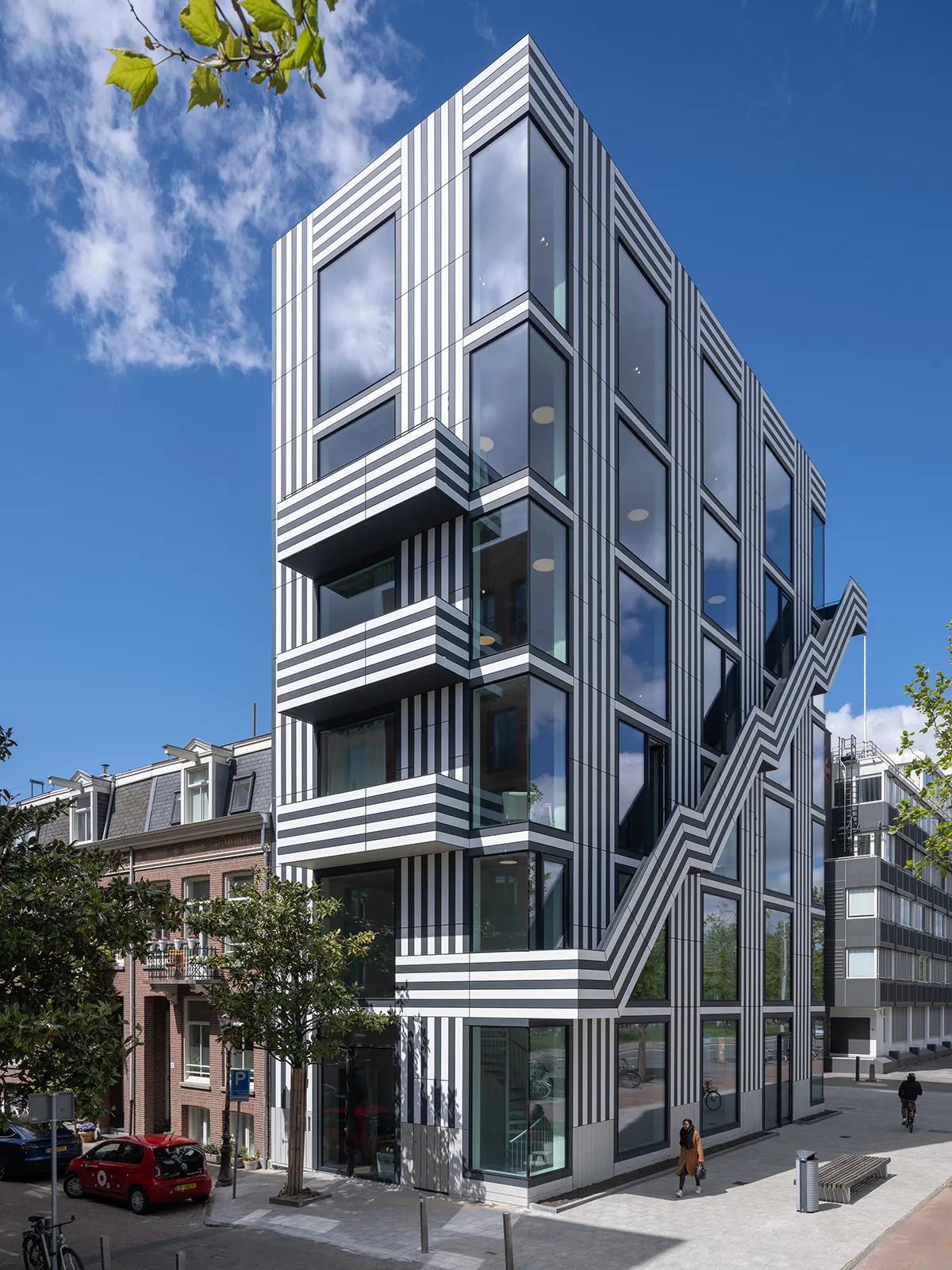
Second Life: from façade to cycle shelter
A notable part of the Trespa Standard is the ‘Second Life’ programme. Panels that are no longer needed for their original application are taken back and put to a second use, for example in bus shelters, cycle shelters or furniture. This keeps the stored carbon locked away for longer and prevents waste.
“We believe every panel deserves a second life,” says Beelen. “But you have to make it happen. We have now developed a programme to make reuse simple and traceable. It fits entirely with the aim of circular construction.”
Promise less, prove more
The strength of the Trespa Standard lies in its simplicity: say what you do, show what it achieves, and make sure it stands up to scrutiny. Beelen calls it ‘an unprecedented commitment to transparency’. And that is exactly what these times demand. “Rather than joining in with marketing talk, we dare to go back to the facts. We believe the future belongs to companies that do not ‘promise sustainability’, but simply demonstrate it. That takes courage. But it also delivers something: trust.”
What does this mean for façade construction?
For façade construction professionals, the Trespa Standard provides practical guidance, not only for meeting increasingly stringent requirements, but above all for building in a genuinely more sustainable and safer way. The availability of transparent data makes it easier to certify projects, select better materials and make well-founded choices in specifications. The ‘Second Life’ programme also fits with the growth of circular construction models, in which design, construction and reuse come together in a single chain. And that is precisely where the future of façade construction lies: taking responsibility for the entire life cycle of materials.
Trespa’s message is clear: the days of non-binding commitments are over. The façade construction sector faces major challenges, but also opportunities. Choosing proven performance and measurable values is a step towards a future-proof construction practice today. Or, as Marco Beelen puts it: “Sustainability is no longer a buzzword. It is about having the courage to make choices. And those choices must be based on facts, not feelings.”
Een zakelijke vraag aan Trespa International B.V.? Get in touch
Companies in this story
Keep following this
Get an email when a new story is published. No account needed.
- ThemeSafe and verifiable facade construction
- SubjectGeneral
- CompanyTrespa International B.V.







