ETA-approved sandwich-to-concrete fastener: screw solution for fixing sandwich panels directly to concrete
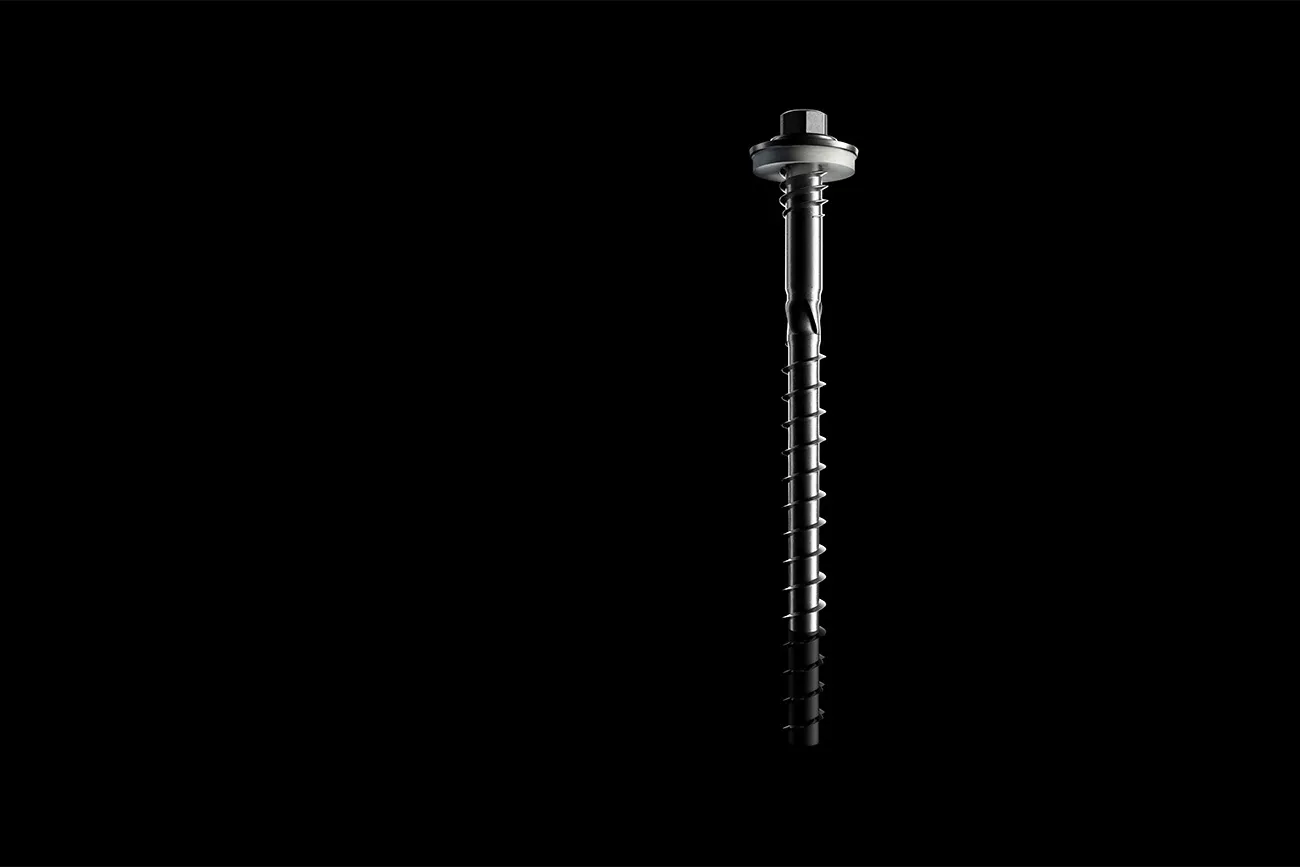
With its MXC and MDC fasteners, Swiss company SFS sets the benchmark for anchoring sandwich panels directly to a concrete structure. Both solutions are also ETA-certified and carry the CE quality mark. We spoke to Jeroen Aldenzee, General Sales Manager Benelux at SFS, about the many benefits of this unique, and only, ETA-approved sandwich-to-concrete fastener.
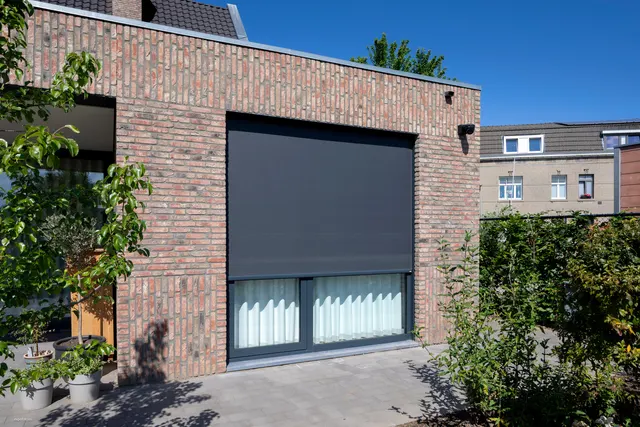
Building mainly commercial buildings with precast concrete elements combined with sandwich panels is growing in popularity in the Netherlands. “Steel is traditionally chosen for the primary structure, but combining it with precast concrete elements is by far the most cost-effective way to build,” says Aldenzee. “In the past, this always involved a great deal of design preparation, additional materials, time and money, because the steel sections needed for the secondary structure had to be incorporated into or mounted on the concrete at the design stage. Not to mention the high risk of errors and the complexity during installation. Our screw solution for fixing sandwich panels to concrete makes all that a thing of the past.”
ETA
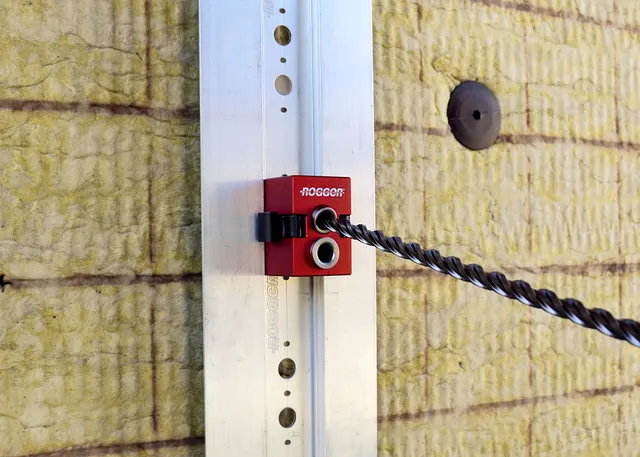
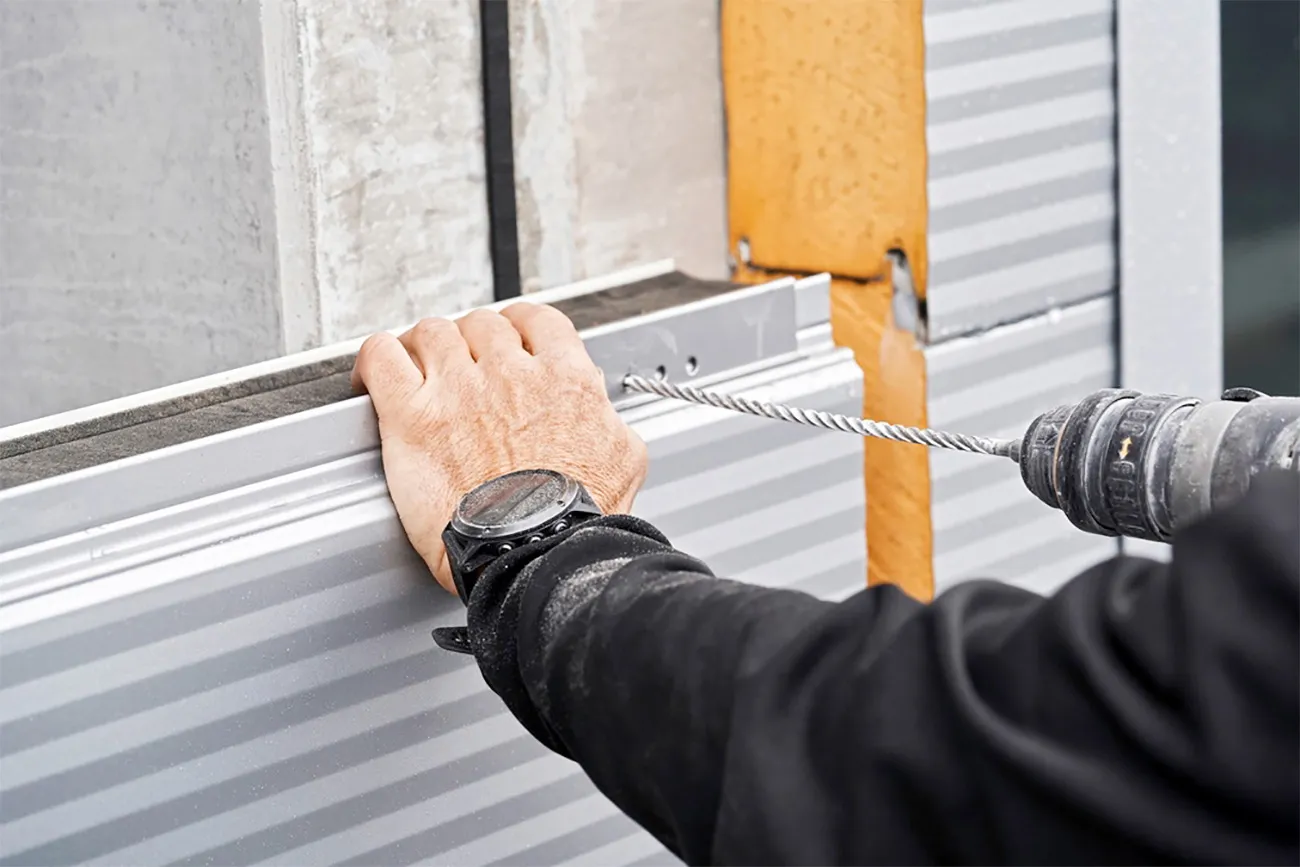
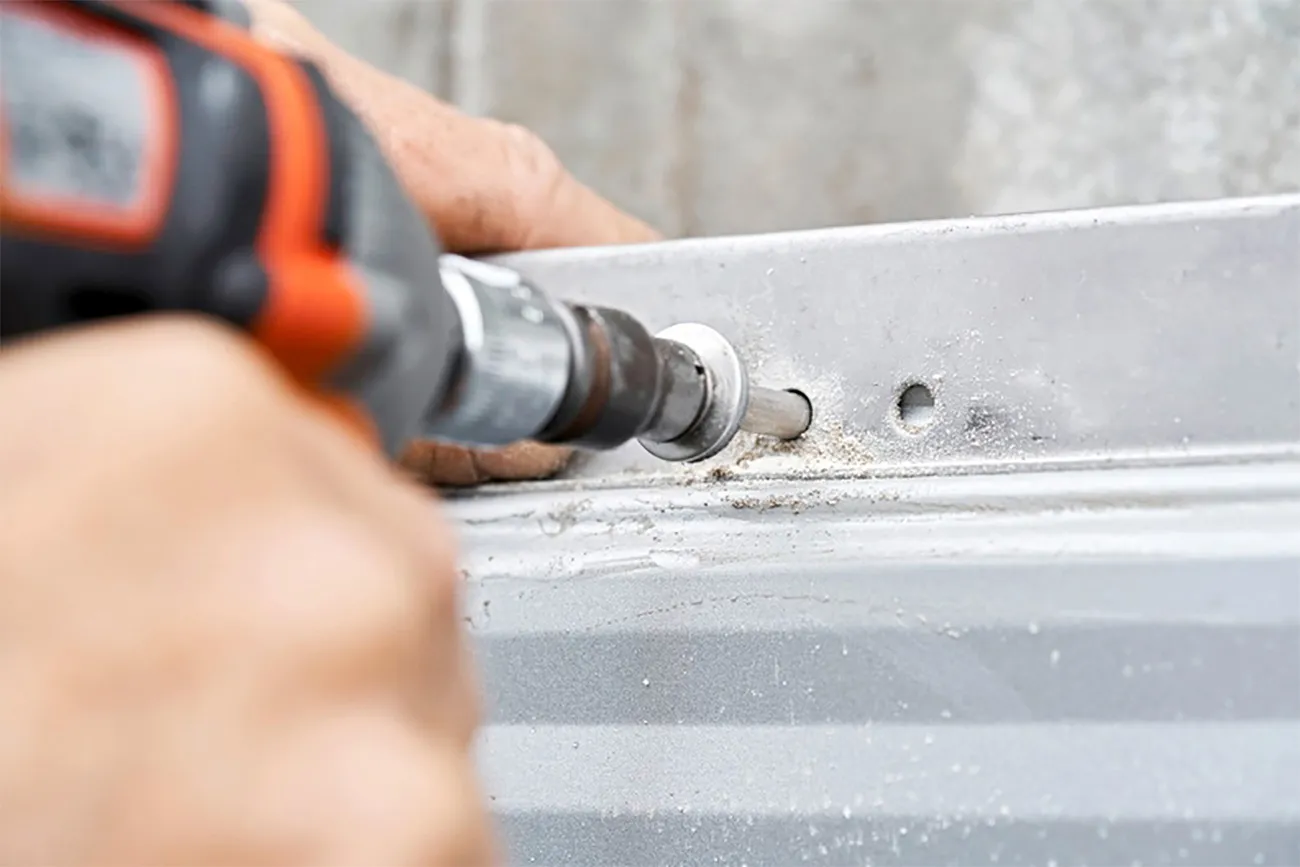
The MXC and MDC are the first sandwich-to-concrete fasteners on the market to have an assessment in accordance with the European Technical Assessment (ETA-20/0115). “That gives designers, structural engineers and installers peace of mind,” says Aldenzee. “The only difference between the MXC and MDC is the base material, with a stainless steel or carbon steel version available. In the Netherlands, we are seeing a growing preference for stainless steel, and in Germany it is even mandatory. Stainless steel provides peace of mind, even in demanding conditions on the coast or in heavy industrial environments.” Installation is simple. “First, a hole is pre-drilled, then the fastener can be screwed safely and securely into the concrete, straight through the sandwich panel, thanks to the undercut thread,” Aldenzee explains.
Extremely high pull-out resistance
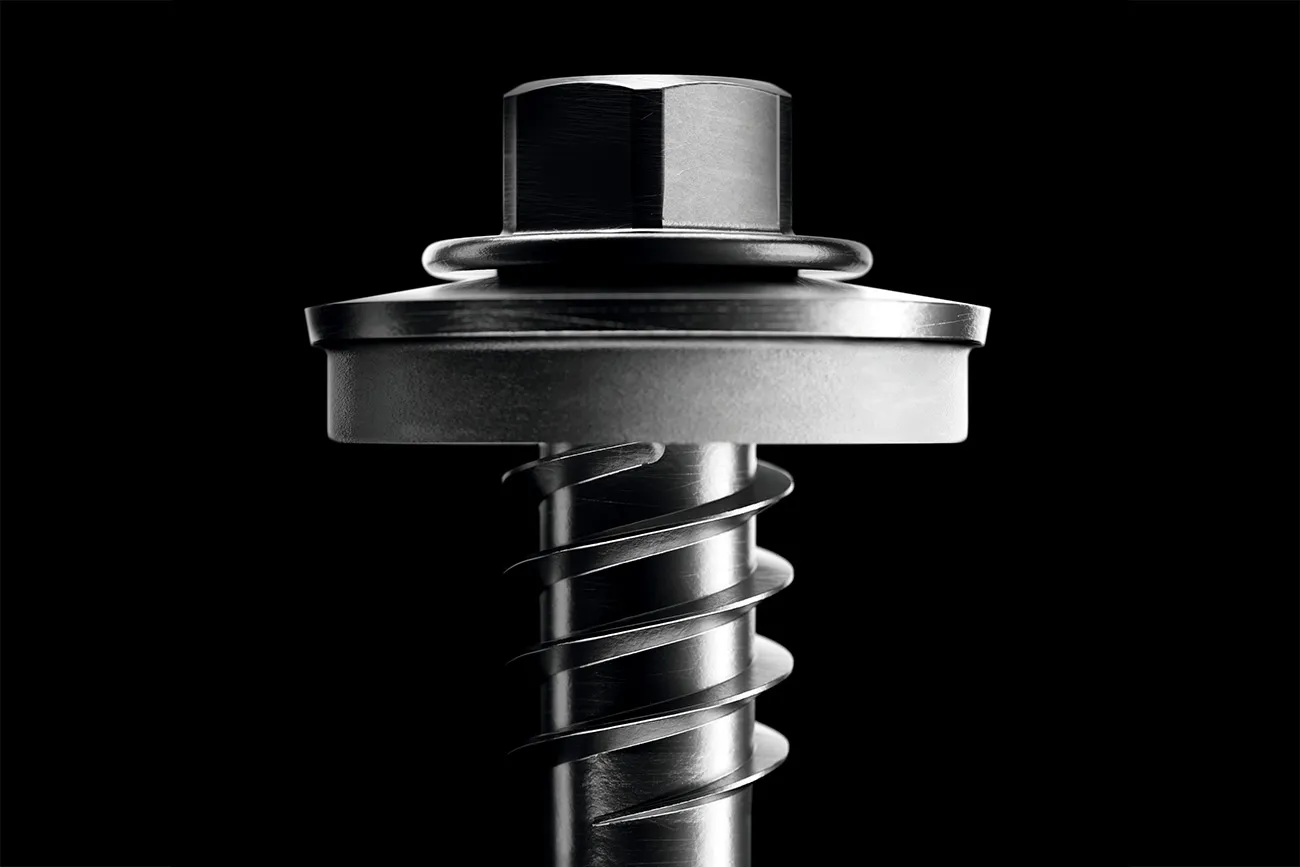
The optimised thread and toothed screw tip made of hardened carbon steel ensure that both versions can be installed quickly and easily. Aldenzee: “Thanks to the concrete screw’s extremely high pull-out resistance, fewer screws per m2 may be required. This reduces overall installation time and delivers significant cost savings. Another advantage is that the sandwich-to-concrete fastener can be used close to the edge of the concrete. Unlike an expansion anchor, for example, the MXC and MDC do not expand. The concrete screw cuts its own thread into the concrete, allowing the concrete elements to be designed with a slimmer profile. Finally, the EPDM sealing washer is automatically centred beneath the fastener head, ensuring a watertight connection.”
SFS manufactures the MXC and MDC sandwich-to-concrete fasteners in Europe, and they are available in lengths from 85 to 375 millimetres. The screw head can be finished in any RAL colour. As an additional service, SFS Benelux can provide the necessary assistance at the start of a project. “We will demonstrate how to install our products to achieve an optimal, durable end result,” Aldenzee concludes.
Question about this story? Ask your question
Keep following this
Get an email when a new story is published. No account needed.
- SubjectProduct information