The evolution of the roof tile
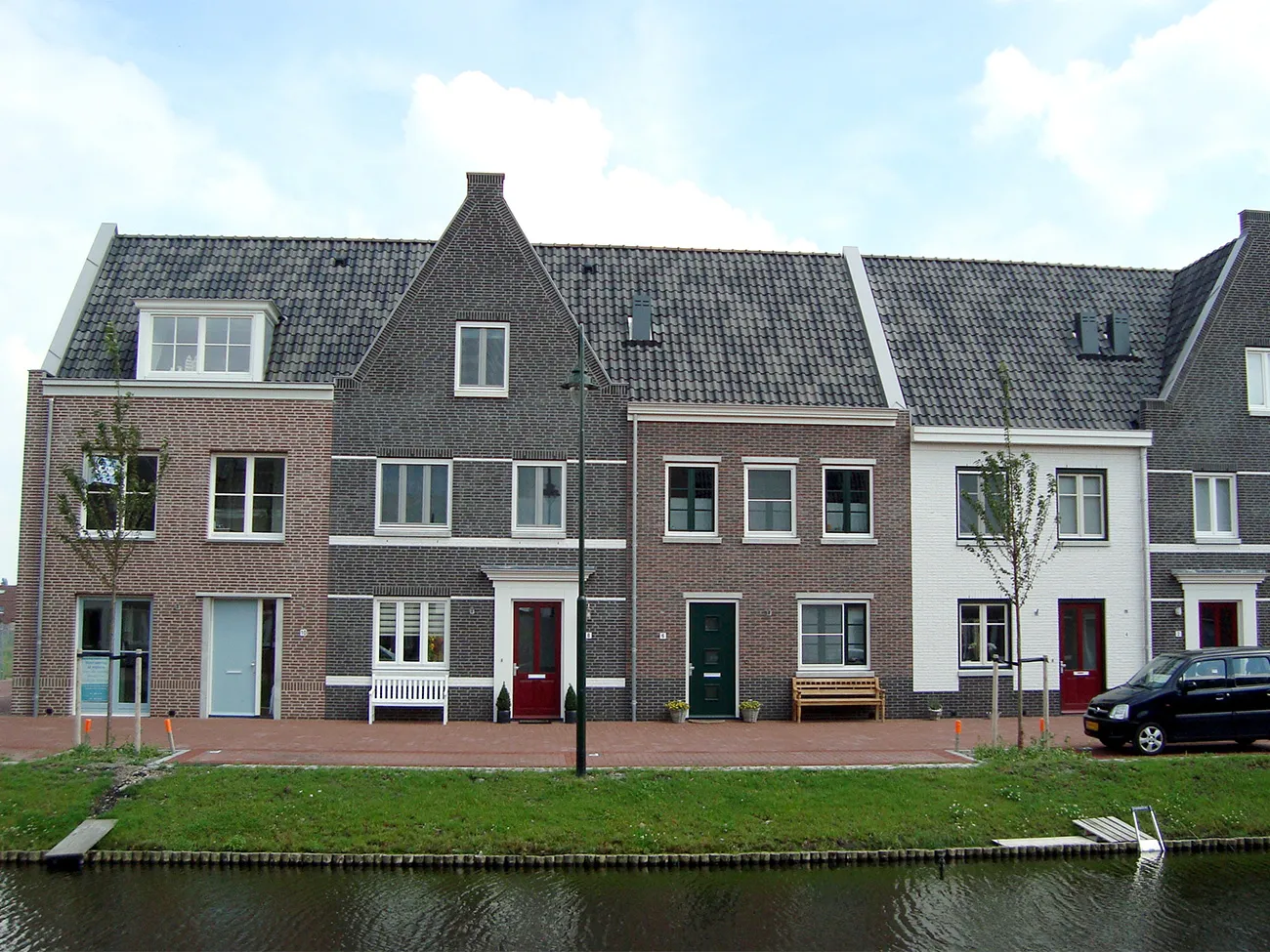
The primary function of a roof tile is to protect building occupants from the elements.
Over the years, roof tiles have increasingly evolved into an aesthetic product, with or without additional functionality. Harold Kock of Nelskamp Dakpannen brings us up to date on the evolution of the roof tile and the many options available in 2021.
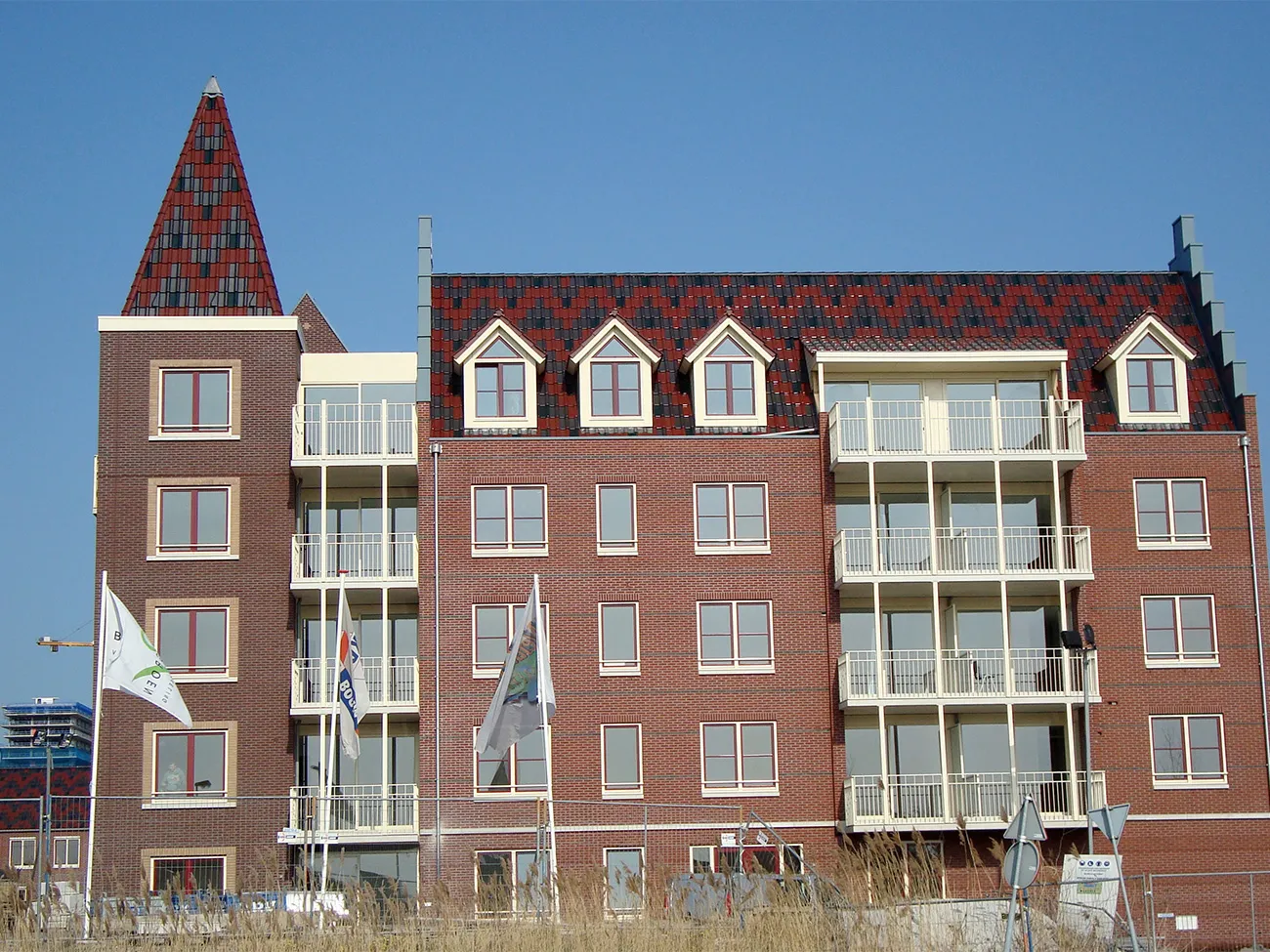
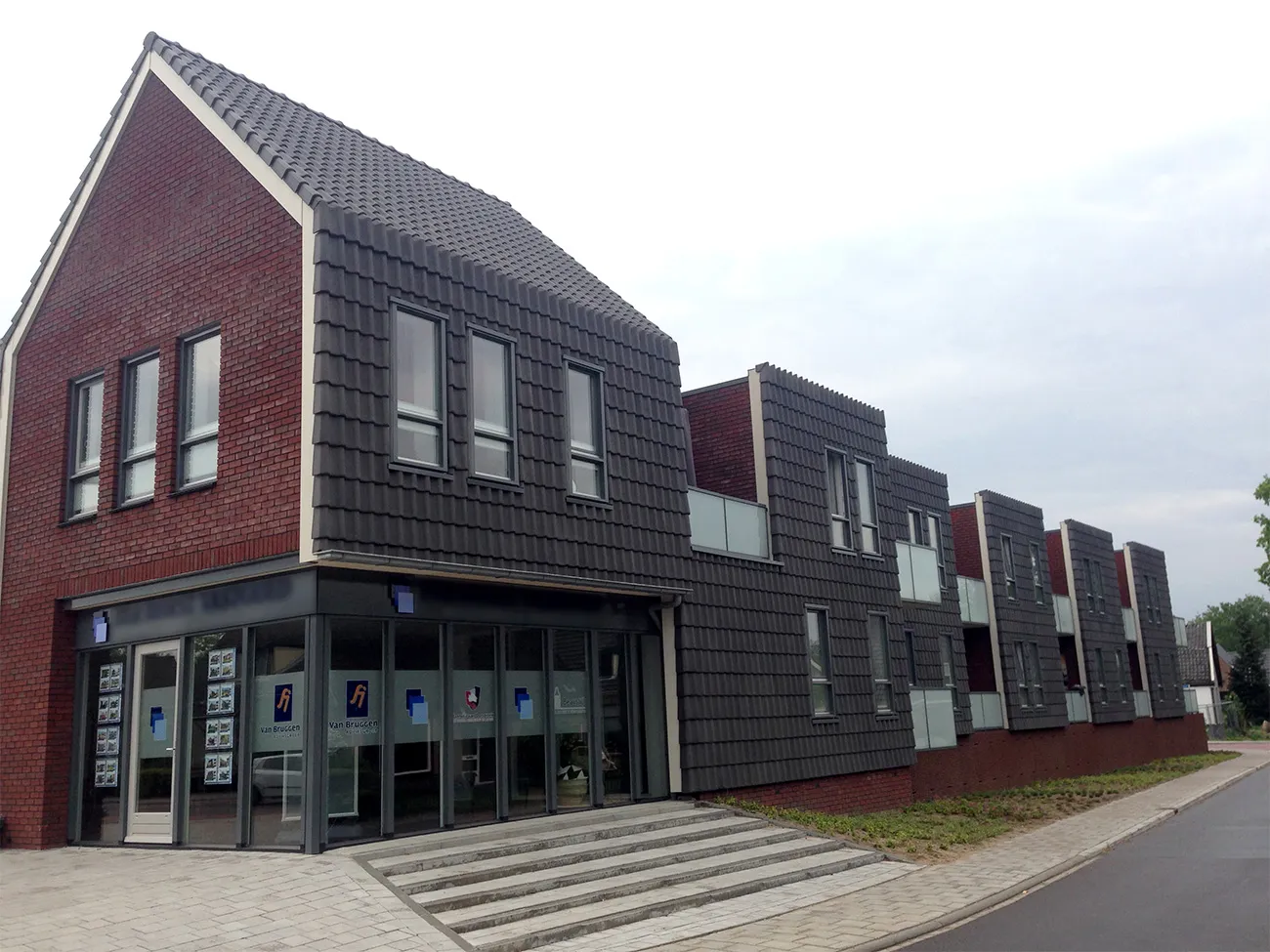
“In the past, roofs were seen primarily as functional. Today, they are an essential part of a building,” Kock begins. “That explains the huge range of models and colours available. We produce more than 250 different types, including special solutions for using roof tiles on façades and even complete PV modules in a roof-tile design that can be seamlessly integrated into the roof. In short, architects and clients can give their creativity free rein.”
Creative use of colour
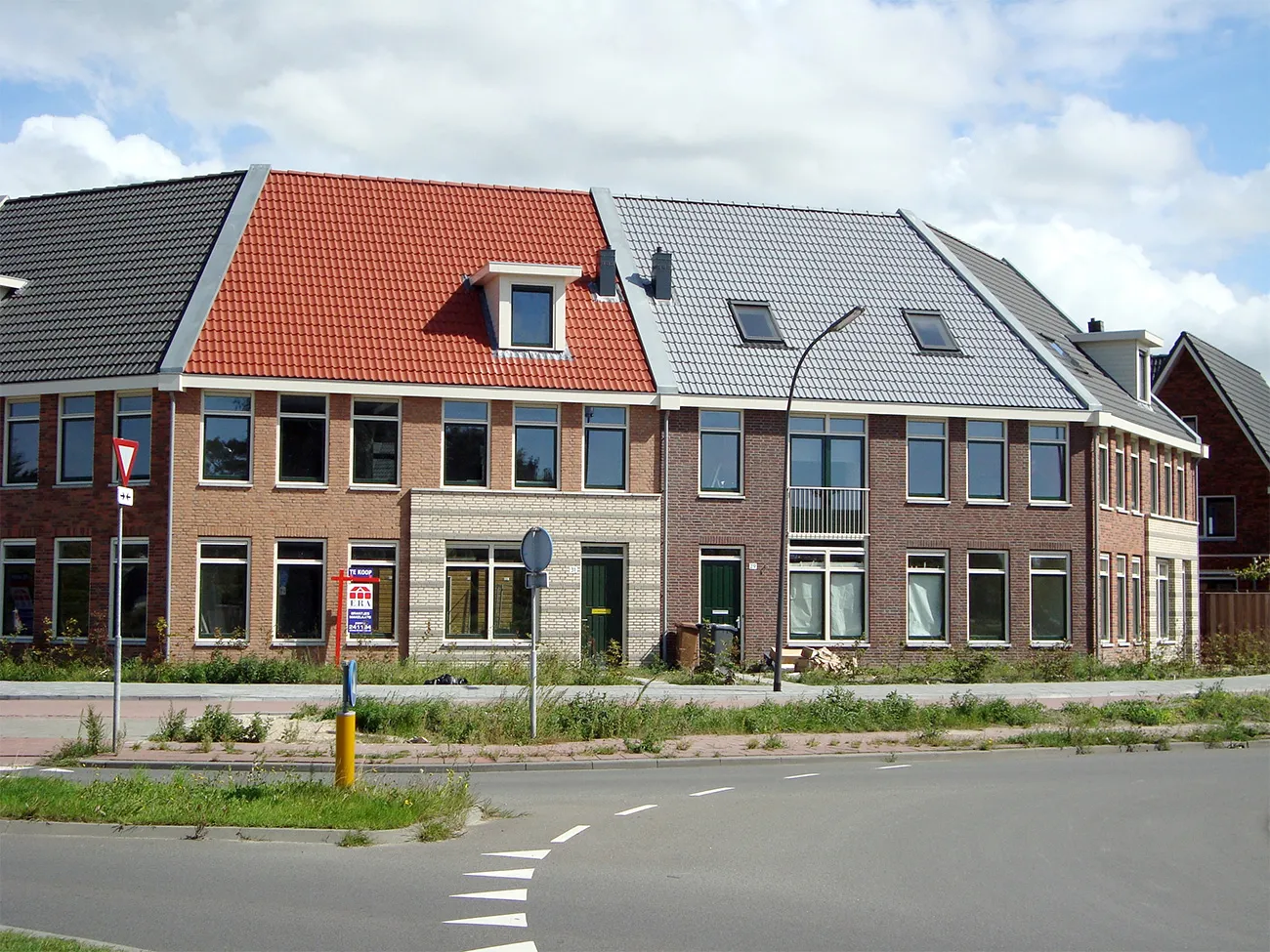
Traditional red roof tiles seem to be gradually disappearing from our streets. “In certain new-build housing developments, you’ll hardly see a red roof tile any more,” Kock acknowledges. “Everyone is opting for black, in keeping with the trend for dark-coloured window frames. In my view, that makes the overall look of a development incredibly dull. Fortunately, some clients and architects appreciate a little variety, which is a welcome development. Combining different shades on a project creates a fresh look. Of course, there are nuanced tiles with a blend of colours on each tile, achieved by using different engobes (liquid clay containing oxides and minerals that change colour when fired, ed.), but a simpler and more challenging approach is to cover roofs with tiles in several different colours. This allows the designer to determine the degree of contrast. Increasingly, people are opting for variety, either to distinguish their home from other types of housing or to give an individual home’s roof its own identity in relation to its neighbours.”
PV modules
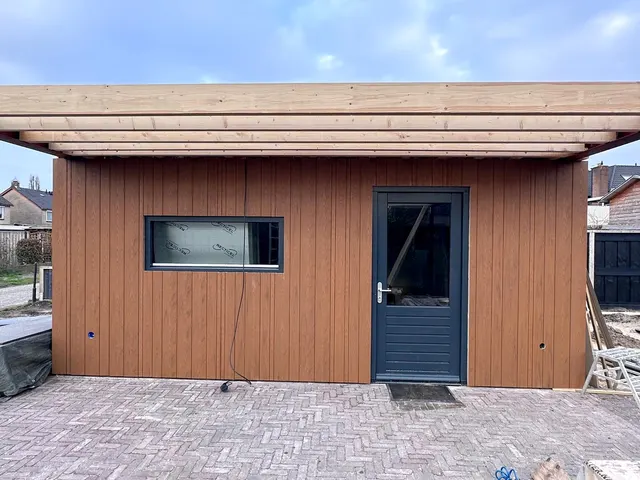
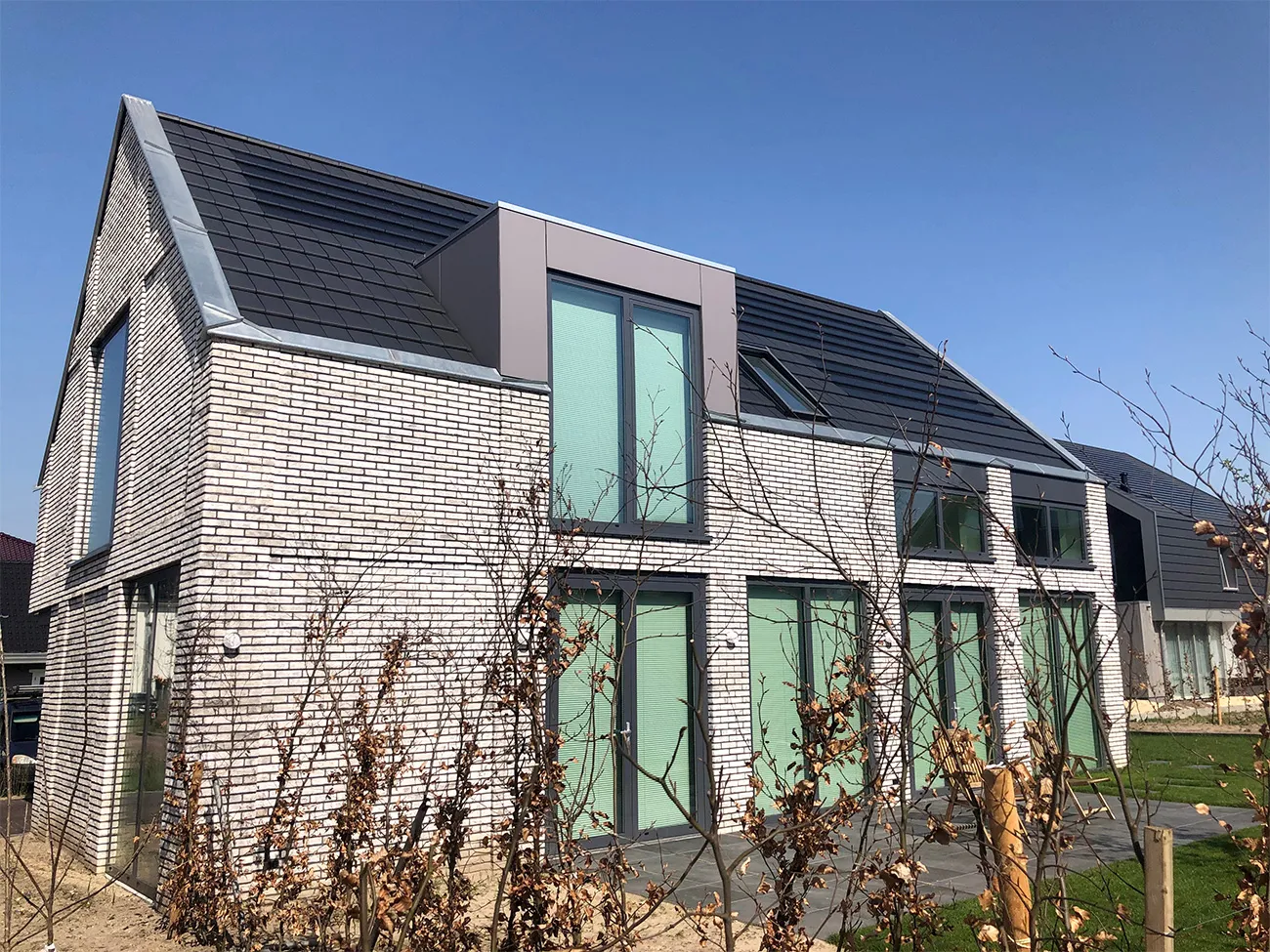
Materials are becoming increasingly scarce, and the challenges of building independently of weather conditions are growing. Kock has seen growing interest in using roof tiles on façades as an alternative to, for example, brick. “To create a seamless transition from roof to façade, we developed what we call the kink tile. It can be ordered from us to size. As for functionality, the trend towards PV panels is, of course, affecting our industry too. But these are two worlds, two different industries. Problems often arise when roof tiles ‘tip’ because the PV brackets have not been installed properly. We bring these two worlds together with our PV modules, which follow the horizontal lines of the roof tiles and have the same height and connection. This makes it easy for roofers to install the PV modules, while a single supplier guarantees their functionality. In this way, we are already anticipating the Quality Assurance Act.”
The PV modules are currently available only in a flat version, but that is about to change, Kock reveals. “The cell yield per square metre is also comparable to that of conventional PV panels. In short, roof tiles have evolved enormously in recent years, and there is still a long way to go.”
Question about this story? Ask your question
Keep following this
Get an email when a new story is published. No account needed.
- SubjectProduct information