Wood fibre insulation: 100% bio-based
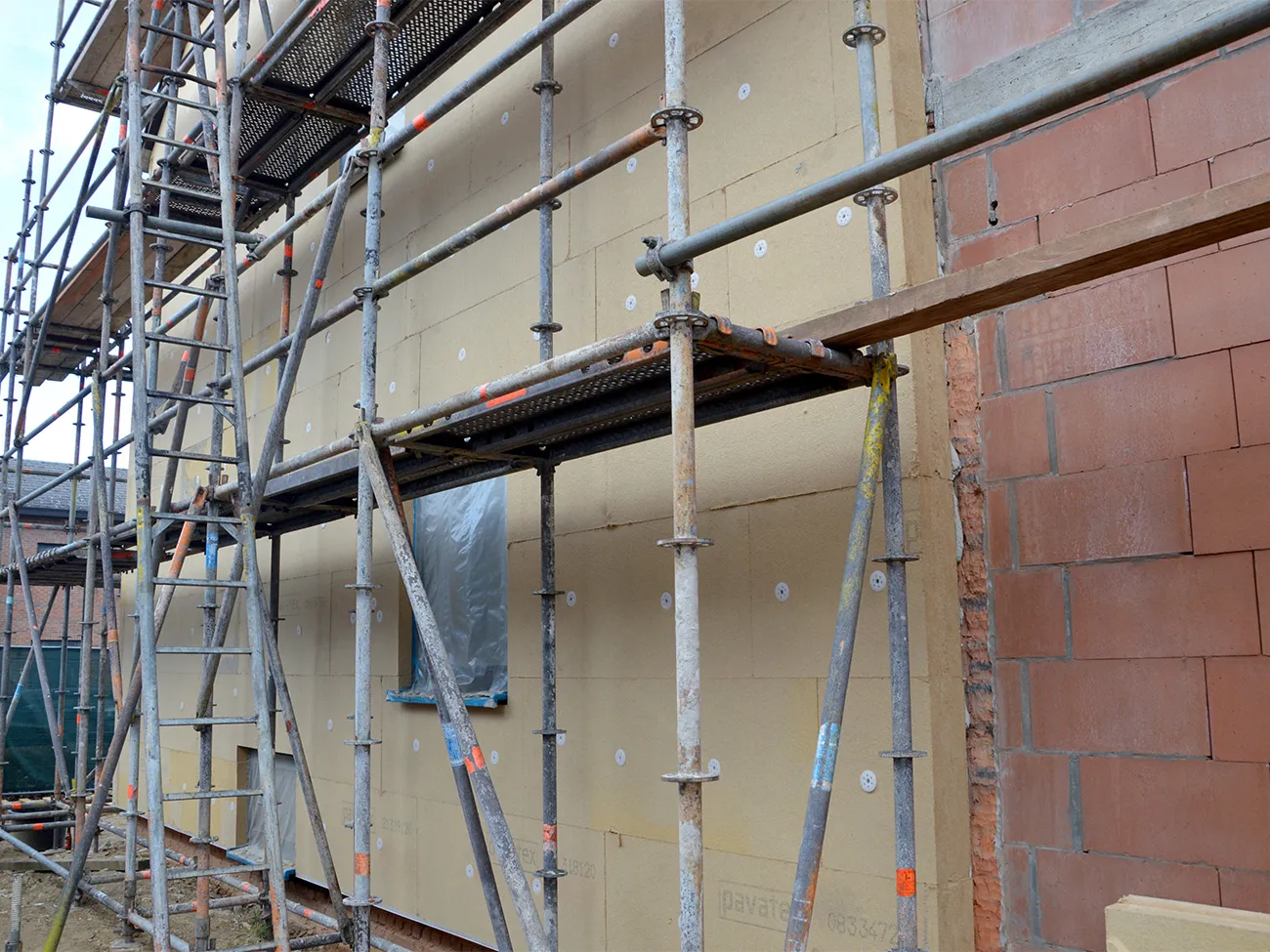
For more than 150 years, Soprema has produced high-quality waterproofing and insulation products. In addition to thermal insulation boards in PUR/PIR or XPS, the multinational family-owned company has also been producing wood fibre insulation under the Pavatex name for around seven years. Production takes place in the Vosges, in the heart of a sustainably managed forest area, which supplies the raw material for this 100% bio-based insulation material.
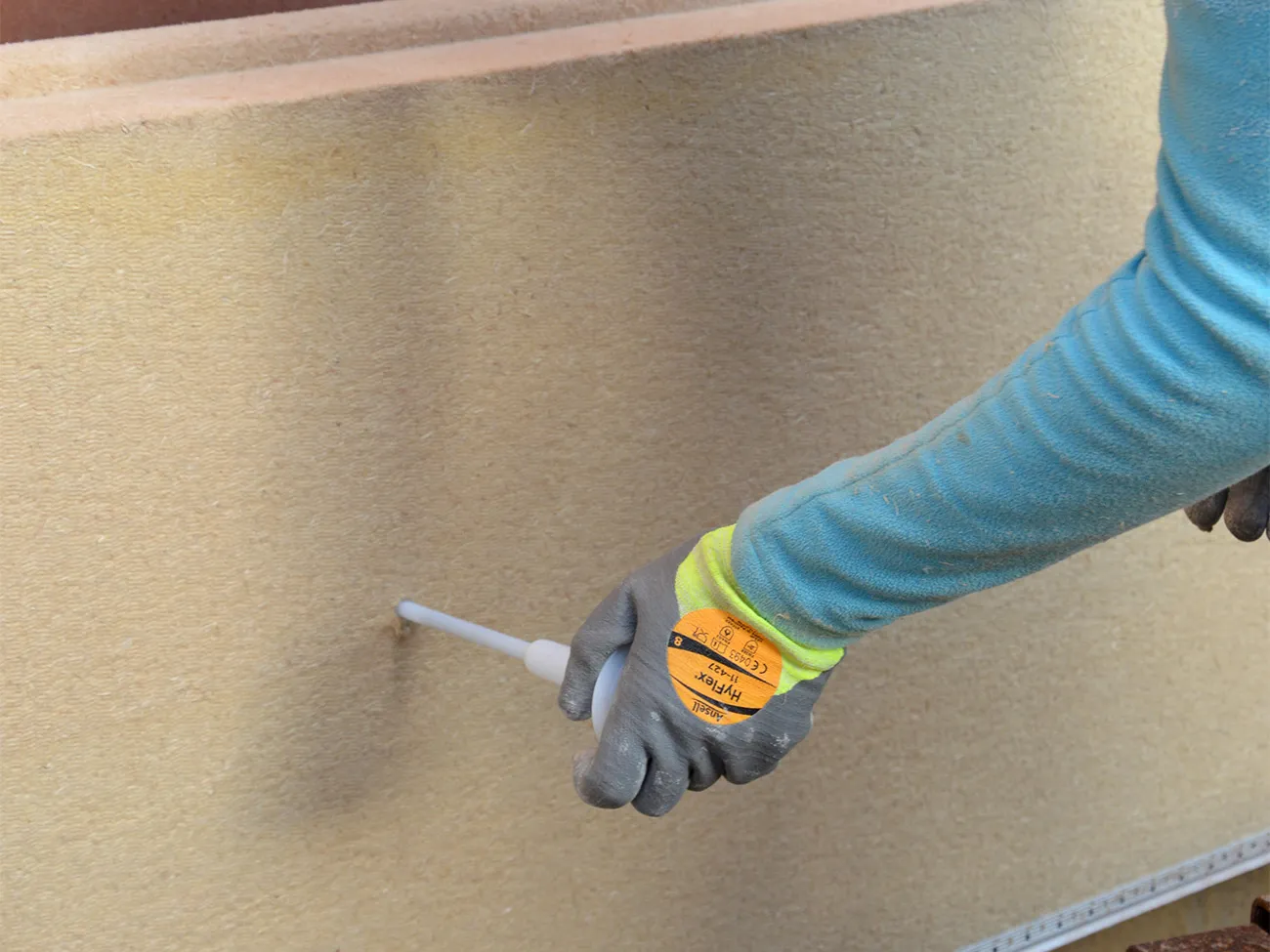
Soprema carefully selected the site for the new Pavatex wood fibre insulation factory. “The factory was originally in Switzerland, but was relocated and rebuilt in the Vosges,” says Jacco Dwars of Soprema. There is a reason for this. The Vosges is home to many coniferous tree nurseries. “We extract fibres from sawmill waste, wood shavings and chips. These are then cleaned with steam and pressed into a finished product. By adjusting the pressure, we can produce anything from soft wood fibre batts to rigid wood fibre insulation boards.”
Very low carbon footprint
Pavatex wood fibre insulation has by far the lowest environmental impact of any insulation product, Dwars explains. “We source our raw materials within a maximum radius of 150 kilometres of the factory, and the energy needed to steam-clean the fibres comes from the cooling water of the nearby paper mill. The energy required to operate the board presses is also extremely low. The factory is virtually energy-neutral. Overall, this makes the production process much more sustainable than that used to manufacture, for example, glass or mineral wool insulation. Pavatex wood fibre insulation therefore has a very low carbon footprint and a wide range of applications. It is a product that is definitely gaining ground. More and more clients are even requiring the use of bio-based products in construction, including for insulation.”
Vapour-open
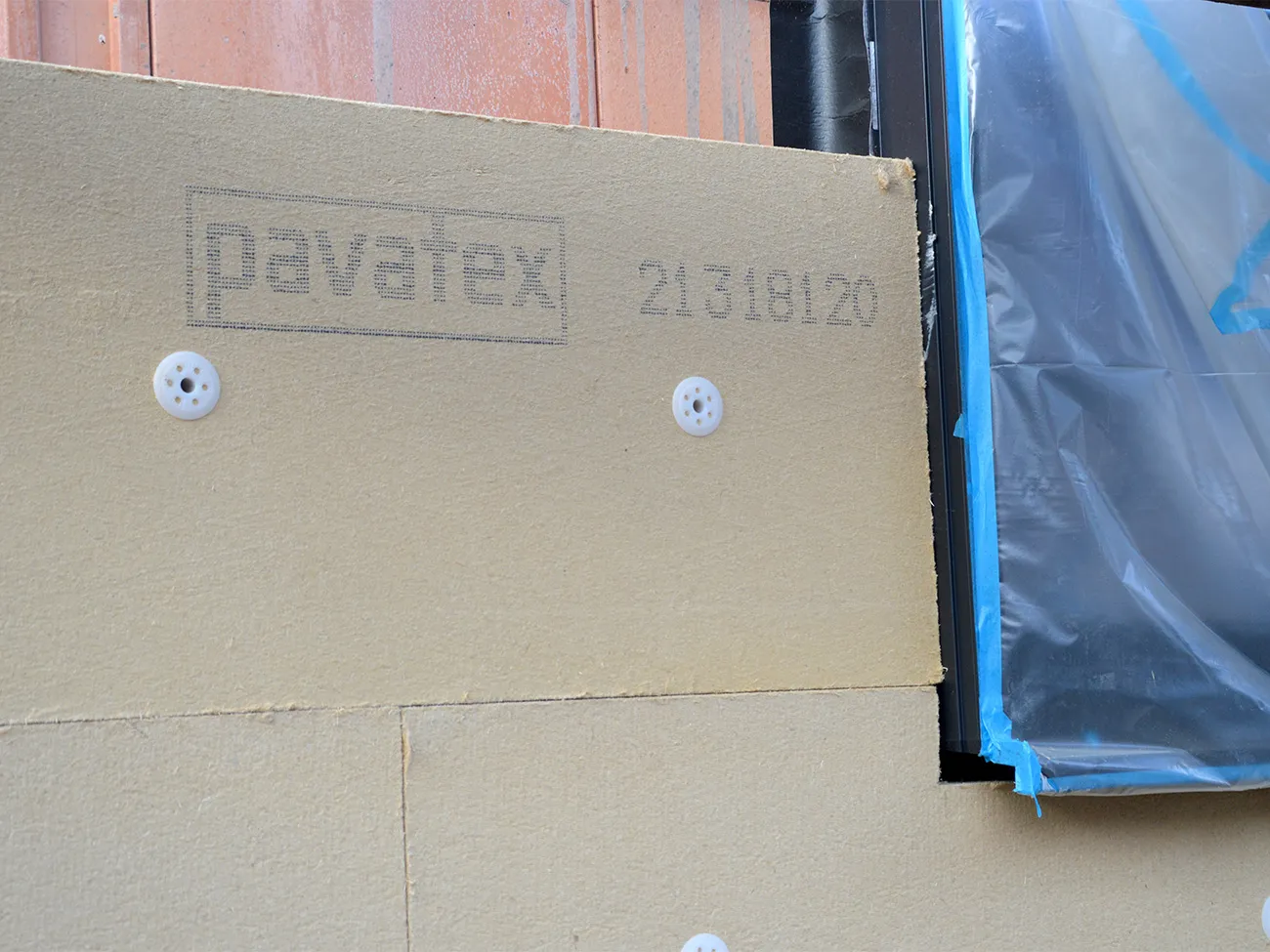
Wood fibre insulation also offers a number of building-physics advantages over conventional materials, Dwars continues. “The product naturally transports moisture. A timber-frame wall filled with Pavatex batts (Pavaflex) can therefore remain vapour-open. This creates a much more comfortable indoor climate. It also makes the product ideally suited to renovating historic buildings, as it does not disrupt the building’s moisture balance. The hollow fibres also have excellent acoustic properties and dampen sound. In addition, wood fibre insulation has a particularly high heat storage capacity, with a phase shift of 6 to 7 hours. This means, for example, that it takes much longer for a home to heat up inside in summer. Finally, processing the product does not release any harmful fibres. At the end of its service life, the material can be returned to nature or reused.”
Wood fibre insulation is rapidly gaining ground and is widely used in timber-frame elements and in timber construction projects using CLT (cross-laminated timber). “In the latter case, a rigid pressed board is fitted to the outside of the Pavatex insulation. This can then be finished with a product of your choice, such as façade render or brick slips, or you can install a ventilated façade in front of it. The product has a lambda value ranging from 0.036 to 0.040, depending on the board’s degree of compression.”
A business enquiry for SOPREMA? Get in touch
Companies in this story
Keep following this
Get an email when a new story is published. No account needed.
- ThemeAn energy-efficient and comfortable building envelope
- SubjectProduct information
- CompanySOPREMA