








Solar tiles vs solar panels on the roof: what are the key differences?
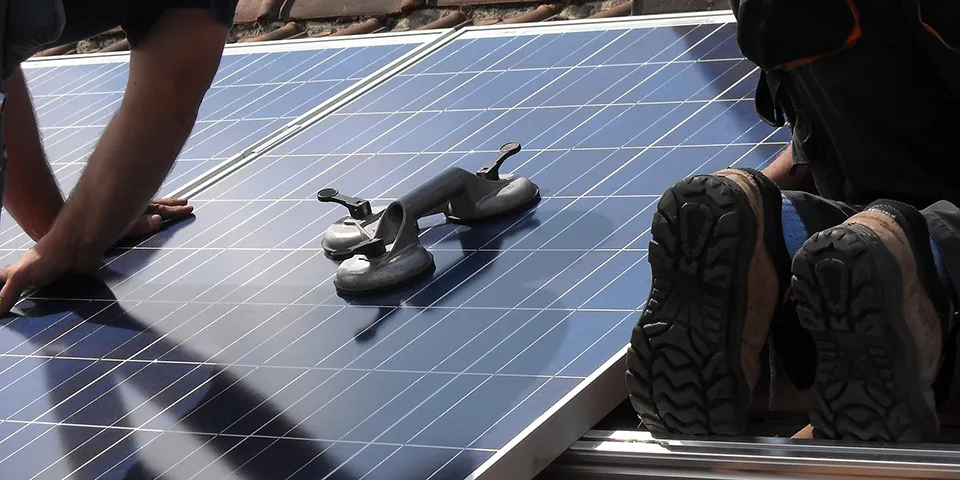
With all the technological advances happening today, it can sometimes be quite difficult to tell things apart. The solar energy sector is a good example. As it is a highly technical sector, developments are constantly affecting the process or even the end product. Some designs do not always blend in particularly well with the appearance of your home. Take the first solar panels to be installed, for example. They were designed primarily for practicality rather than appearance, resulting in some unsightly roofs. In this blog, you can read about the difference between solar panels and solar tiles.
What exactly are they?
Solar panels have been a familiar sight for some time now. They consist of many layers of silicon. Sunlight creates an electrical voltage between the layers of silicon. This voltage is then converted into alternating current by a kind of battery. This unique concept literally turns the sun’s energy into energy.
A new concept that has generated a lot of enthusiasm is the solar tile. It works in much the same way, but is better suited to the roofs of houses. Solar panels are converted to the size of roof tiles, with a crystalline substrate instead of silicon. This gives the roof a more attractive appearance, as it looks the same as a standard tiled roof. For some people, it also offers a solution if they are bound by local-authority rules on the appearance of their home. For example, a listed building may not have solar panels on its roof, in order to preserve its appearance. Solar tiles address this problem. So, in addition to improving aesthetics, they also offer a solution to certain planning requirements.
The drawbacks
Of course, every advantage comes with a drawback. The downside of solar tiles is that the surface area of each tile is much smaller, which means they generate less energy. Installing solar tiles instead of solar panels may therefore be better aesthetically, but less beneficial in terms of average energy yield. A lower yield also means you will be able to use less energy, or will have to buy more. You could also invest in energy-efficient products to make up the difference. That is what 10toptest.nl says. For example, leave the air conditioning off and opt for a ceiling fan. With adjustments like these, you can still become completely independent of grid electricity.
Question about this story? Ask your question
Keep following this
Get an email when a new story is published. No account needed.
- SubjectGeneral







