








The surface treatment of the future
Text Roel van GilsImage Alucol
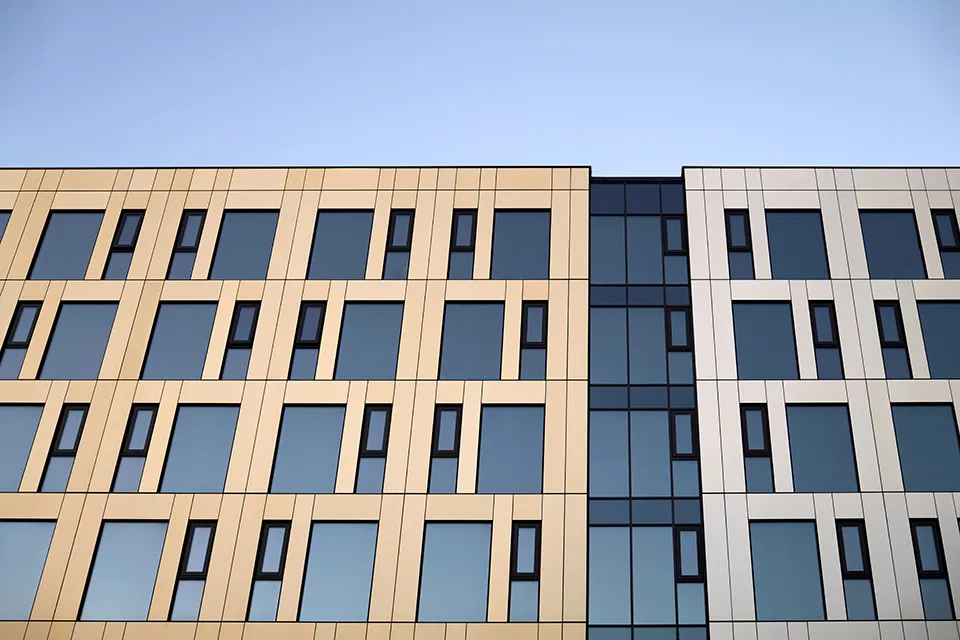
Since 1971, Alucol has anodised aluminium in Neer, Limburg, for a wide range of applications. Commercial manager Roger Cremer describes it as the surface treatment of the future. He backs up that claim with a number of compelling arguments, with the makeover of the 1970s icon Montgomery Parc in Brussels as a prime example.
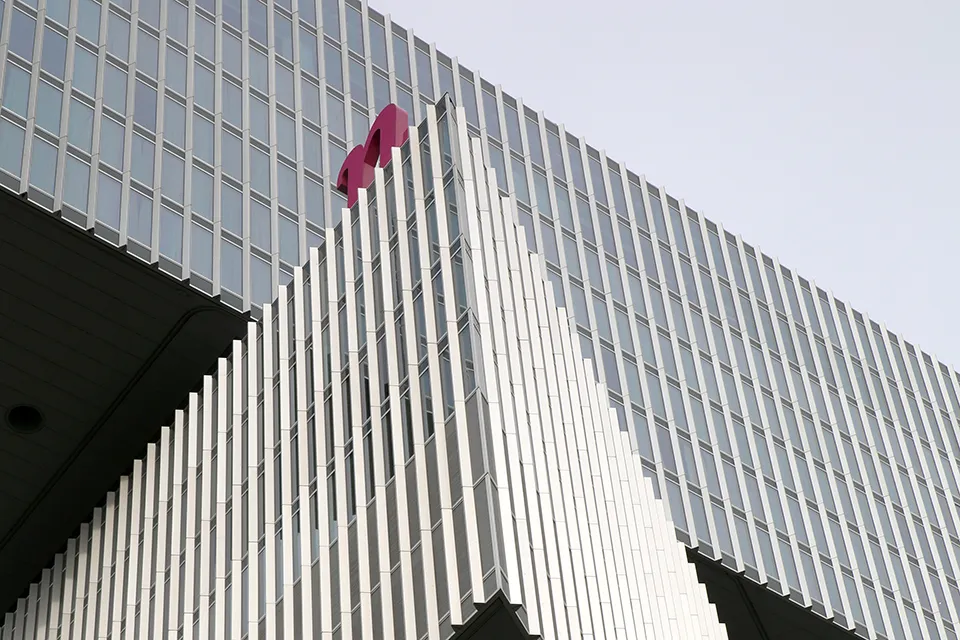
According to Roger, Alucol is an atypical anodising company. “Since 2016, we have been part of the Swiss BWB Group, which has twelve sites in Switzerland and Germany. The group specialises in anodising in the broadest sense of the word, for industry, aviation, the medical sector and architecture. In addition to anodising standard profiles, we are also highly skilled in special projects, from tiny objects to very large shapes and lengths.” Alucol is Qualanod-certified, an international quality label for the anodising of aluminium, and around one hundred employees work every day to preserve aluminium sustainably.
Favourable LCA
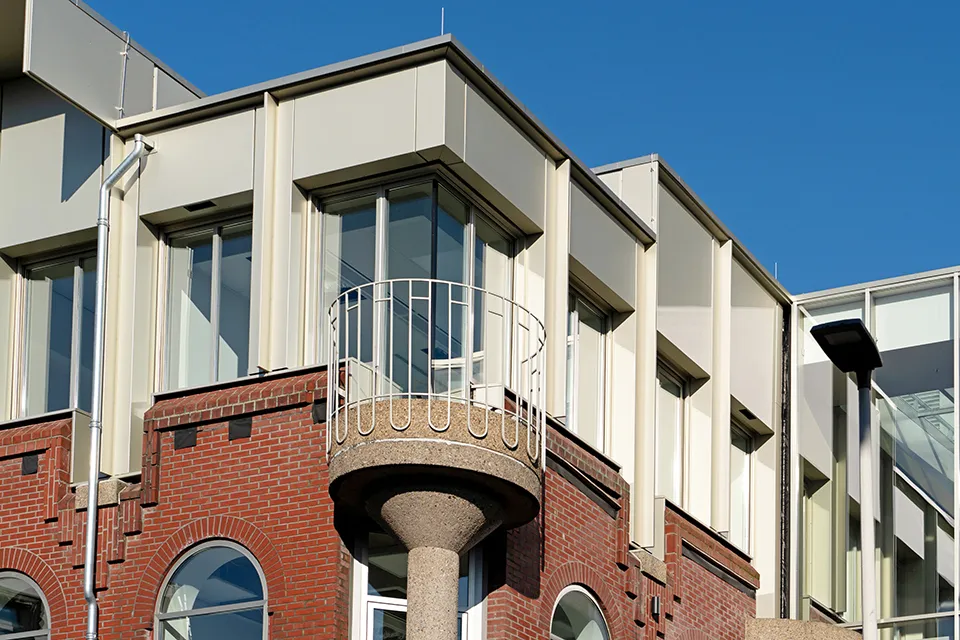
This brings us straight to a ‘sensitive’ point. Roger says: “We still regularly encounter parties who describe anodising as harmful to the environment. Nothing could be further from the truth. If you look at the LCA data included in environmental databases, anodising performs better than any other surface treatment. It is the best surface treatment available. The process effectively seals the aluminium’s surface layer, preventing the environment from affecting the aluminium while preserving its natural appearance. This is why anodised aluminium is widely used in aggressive environments, such as near factories or on the coast. The technique is also ideal for introducing colour to a building without compromising quality.”
Reuse
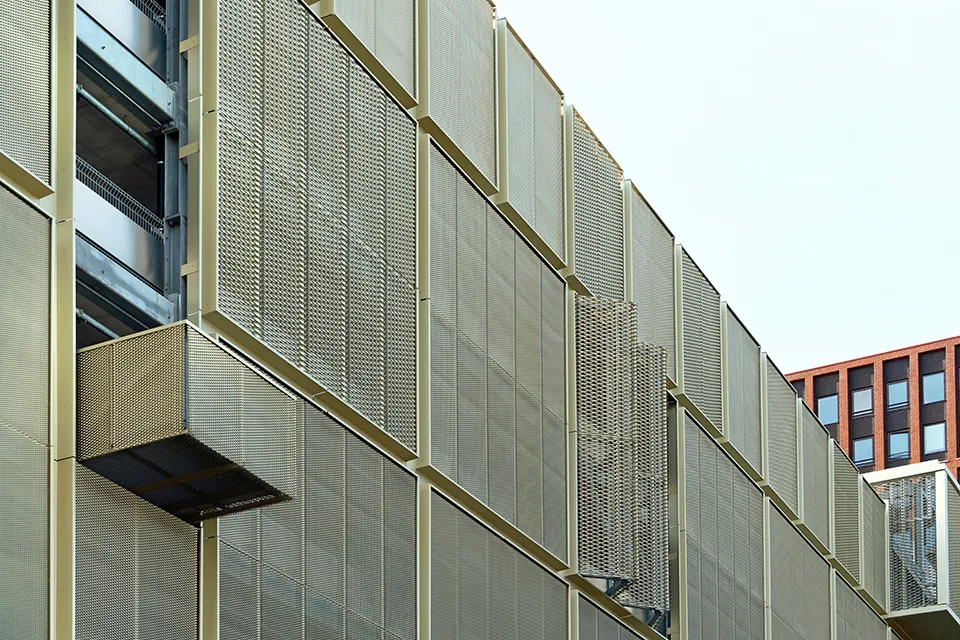
The use of recycled aluminium is a ‘hot topic’ in the industry. “People are not always keen on it, as they believe it is of lower quality. At Alucol, we see things differently and actively encourage the use of recycled material. After all, it pushes the sector to use building materials responsibly,” says Roger. “We also ensure that quality is maintained, even if that means making some adjustments to the process in certain cases. It would be a shame to deny usable aluminium a second life at the end of a building’s life and send it for recycling as post-consumer scrap. Fortunately, awareness of this is growing. Montgomery Parc in Brussels is a prime example. The office complex, built in the 1970s, is being renovated, and we are de-anodising, cleaning and re-anodising the aluminium façade louvres.”
Another reason anodising façade components is gaining traction is the negative experience with coated materials in façade fires. “They generate a lot of smoke. You don’t get that with anodised products. In every respect, it is the surface treatment of the future.” Roger therefore expects demand for anodised products to continue to grow. Alucol is ready for this. “We have fully digitised our processes and can give customers real-time updates on order status and lead times. We have made significant progress in this area in recent years, and it is no coincidence that we are one of the leading anodising companies.”
Question about this story? Ask your question
Keep following this
Get an email when a new story is published. No account needed.
- ThemeExtending the life of existing facades
- SubjectGeneral







