








Thinking beyond the frame with sustainable window frames
Text and images VKG
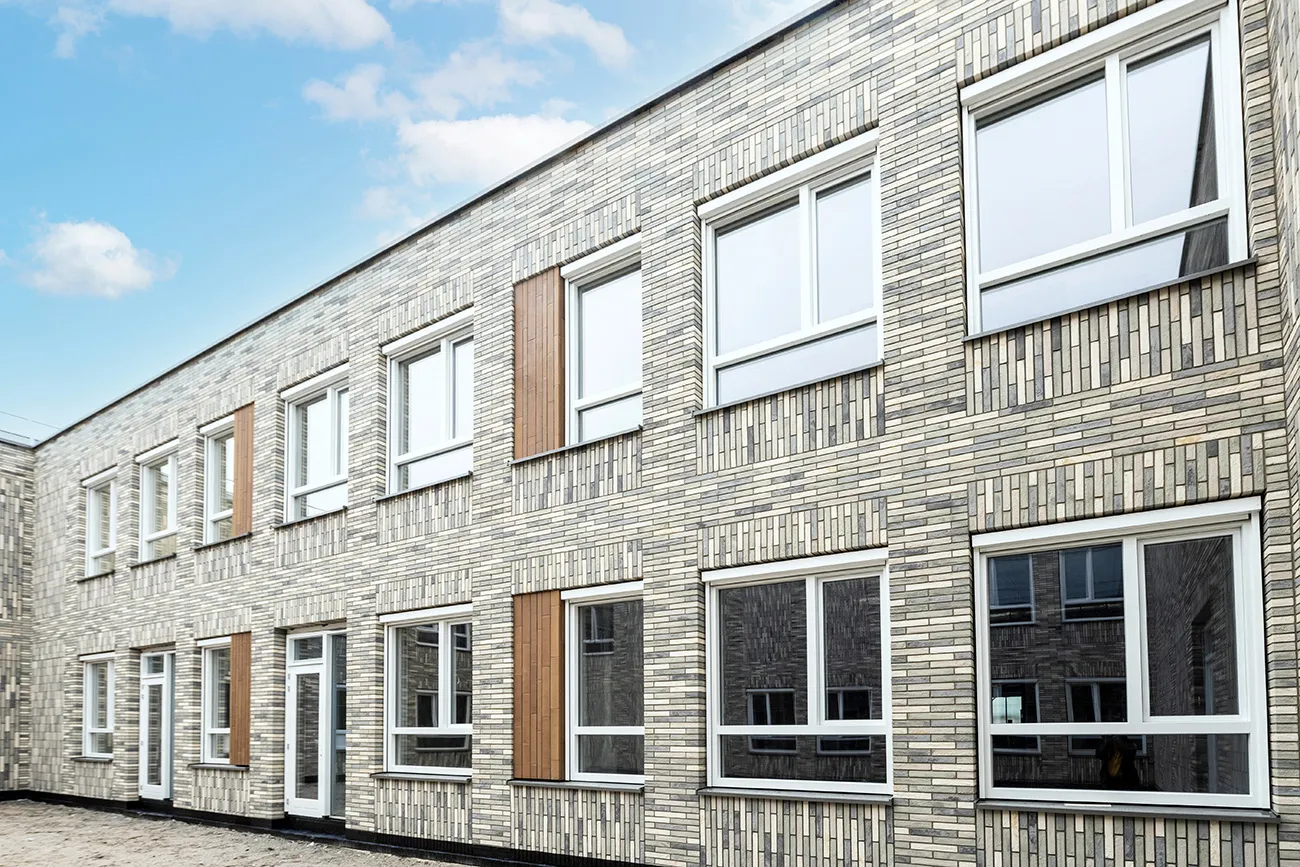
Doing things well today and wanting to do them even better tomorrow: that is development. That is progress. The uPVC window frame industry works on this every day. Quality assurance and improvement are key pillars. This goes hand in hand with another core development: sustainability. The industry is helping to build an economy in which circularity is no longer a choice, but a matter of course.
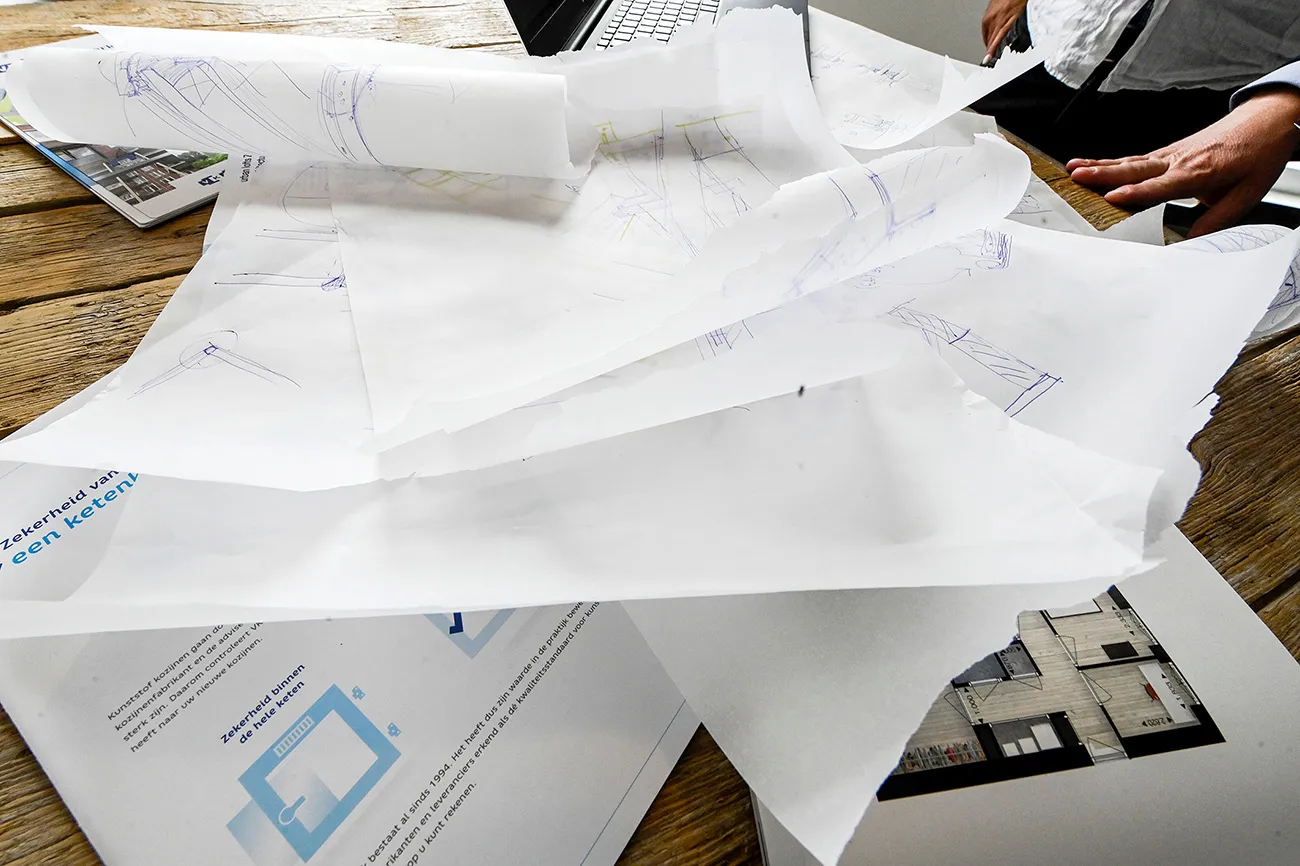
There are various reasons for moving towards circularity, but the most important is wanting to. More and more companies want to take responsibility for making the world a better place, so that future generations are not further burdened by the legacy of pollution and depletion of the earth. Where that sense of responsibility is not yet present, various developments are helping to convince people that things need to change.
Innovation is possible and necessary
Rising energy prices, shortages of raw materials and staff shortages are forcing us to take a different look at business models, strategies and day-to-day practice. We need to make better use of what is already available and what we need. Legislation also makes a major contribution to sustainability developments, particularly in the construction industry. In the uPVC window frame industry, sustainable development involves several factors, including high-quality recycling, product development and supply chain collaboration. At every stage, it is important to think beyond the usual boundaries and sometimes to work beyond them too.
A different perspective on uPVC window frames
Technical expertise plays a major role in product development, but we must not limit ourselves to technology. Klaske Kruk, sustainability consultant at Circularities, says: “We often make the story around sustainability and circularity far too technical. As if you had to be a rocket scientist to make a difference. Everyone can make a difference in their own field, through small steps that make what you do and the contribution it makes tangible. It is important for every company to think about its environmental impact. This starts with the design, of course: the product must have a long service life and be repairable. And if it eventually does become waste, how can it be recycled? It all comes down to two key questions:
· What is a product made of, and how?
· What happens to the product at the end of its service life?
If you keep asking these questions, you will soon get to grips with the circular economy.”
The circular construction industry therefore calls for a progressive outlook, as in the design process, where consideration is given not only to construction now, but also to the possibilities for dismantling later. Buildings constructed today will eventually be dismantled rather than demolished. Facade components will be reused more often, recycled or reused in the form in which they are dismantled. Architects of the future will therefore work differently from today’s architects, and very differently from their professional peers of a few decades ago.
The uPVC window frame industry is aware of its own role in this process. Manufacturers and suppliers advise on how to achieve optimal strength and the right conditions for dismantling with the minimum number of fixings. Dry glazing is standard practice in the uPVC window frame industry, helping to make components easier to separate. The ability to dismantle window frames and other building elements is part of the design process and a key development in the circular construction economy.
The construction team of the future
Progress is not something you achieve alone, and it extends beyond your own industry. Much can be gained by organising the construction process, and construction teams, differently. We saw this in the sustainable construction of a secondary school featuring recycled uPVC window frames. The brief was clear: achieve the maximum possible sustainability performance. The Municipality of Eindhoven, together with an external sustainability expert, took the lead in setting up a new type of construction team.
The hierarchy often found within construction teams had to be set aside. The project was so ambitious, and standard solutions so inadequate, that an ambitious approach to collaboration was also needed. This not only led to the successful achievement of the objective, but also to innovative ideas: talking things through and making room for what others had in mind made all the difference. A truly circular economy can only be achieved if we dare to think and act beyond the usual boundaries, and share our successes and the knowledge we have gained.
VKG Architecture Award
VKG Keurmerk encourages the sharing of these successes. We are the trade association for the uPVC window frame industry. Our core tasks are quality assurance for products and processes, and driving sustainable innovation. The VKG Architectuurprijs brings attention to projects that perfectly combine circularity, construction techniques and aesthetics. This year marks its 13th edition. Architects and architectural practices are invited to enter their successful projects by 8 September for a chance to win this prestigious award. Innovative successes should be celebrated to inspire others and recognise the progress being made.
Question about this story? Ask your question
Keep following this
Get an email when a new story is published. No account needed.
- ThemeWindows, doors and entrances
- SubjectGeneral







