Sandwich panel specialist prepares for growing demand for acoustic panels
Text WPI/Susan PeekImage Weerter Paneel Industrie
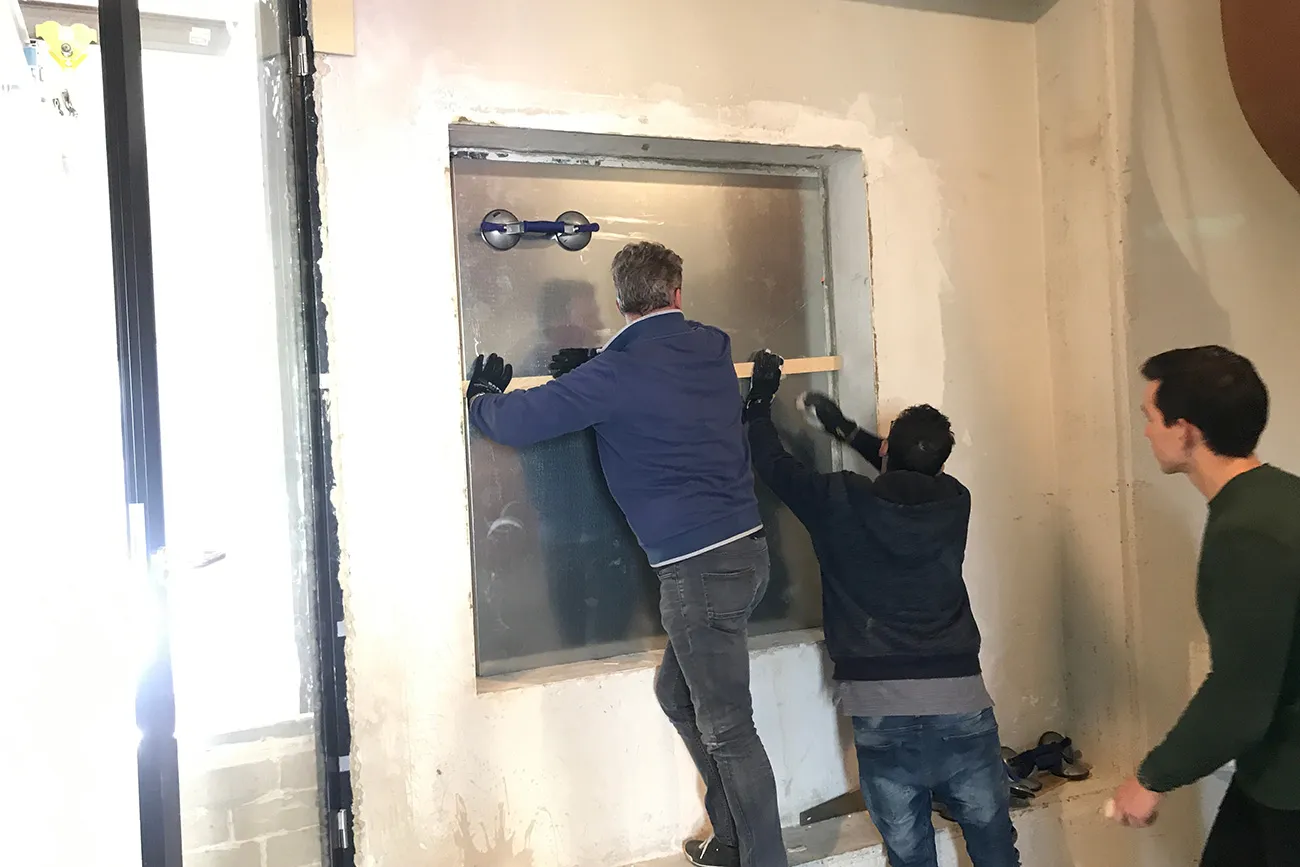
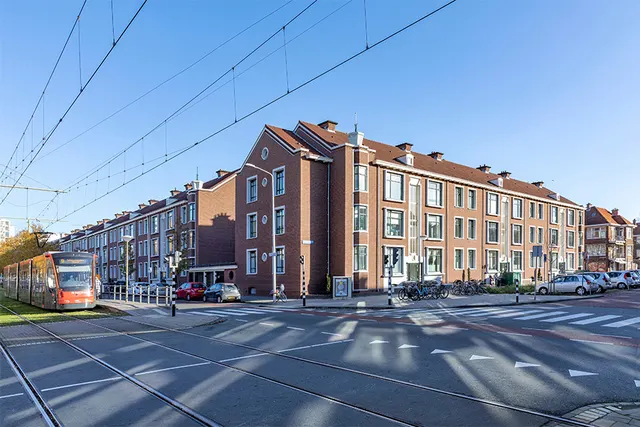
Building near railways and motorways, and renovating buildings close to airports, is becoming increasingly common. “Drawing on our many years of experience, we have developed and tested a comprehensive range of acoustic panels to help meet both healthy indoor climate requirements and the specified noise limits,” says Willem-Jan Korsten, managing director of Weerter Paneel Industrie. “These panels combine thermal and acoustic insulation.”
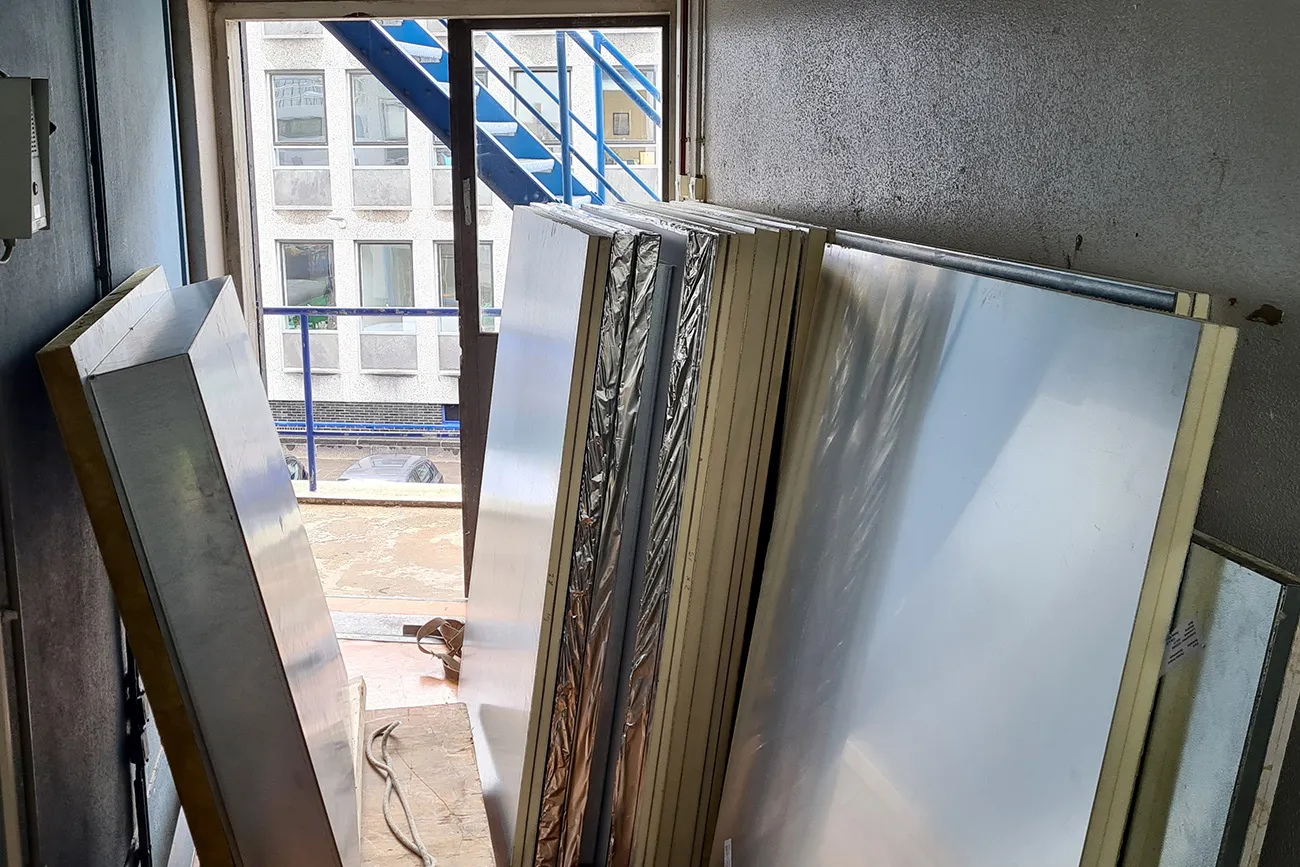
Façades are the weakest point when it comes to noise exposure
The façade plays a major role in preventing noise nuisance in homes and commercial buildings. “The required level of sound insulation is generally specified by legislation, such as the Building Decree, or in a construction specification,” says Willem-Jan. “The sound insulation required of a façade depends on the noise exposure it faces. A forecast is made based on sources such as road, rail or air traffic, and this is used to calculate the sound insulation required for the façade.”
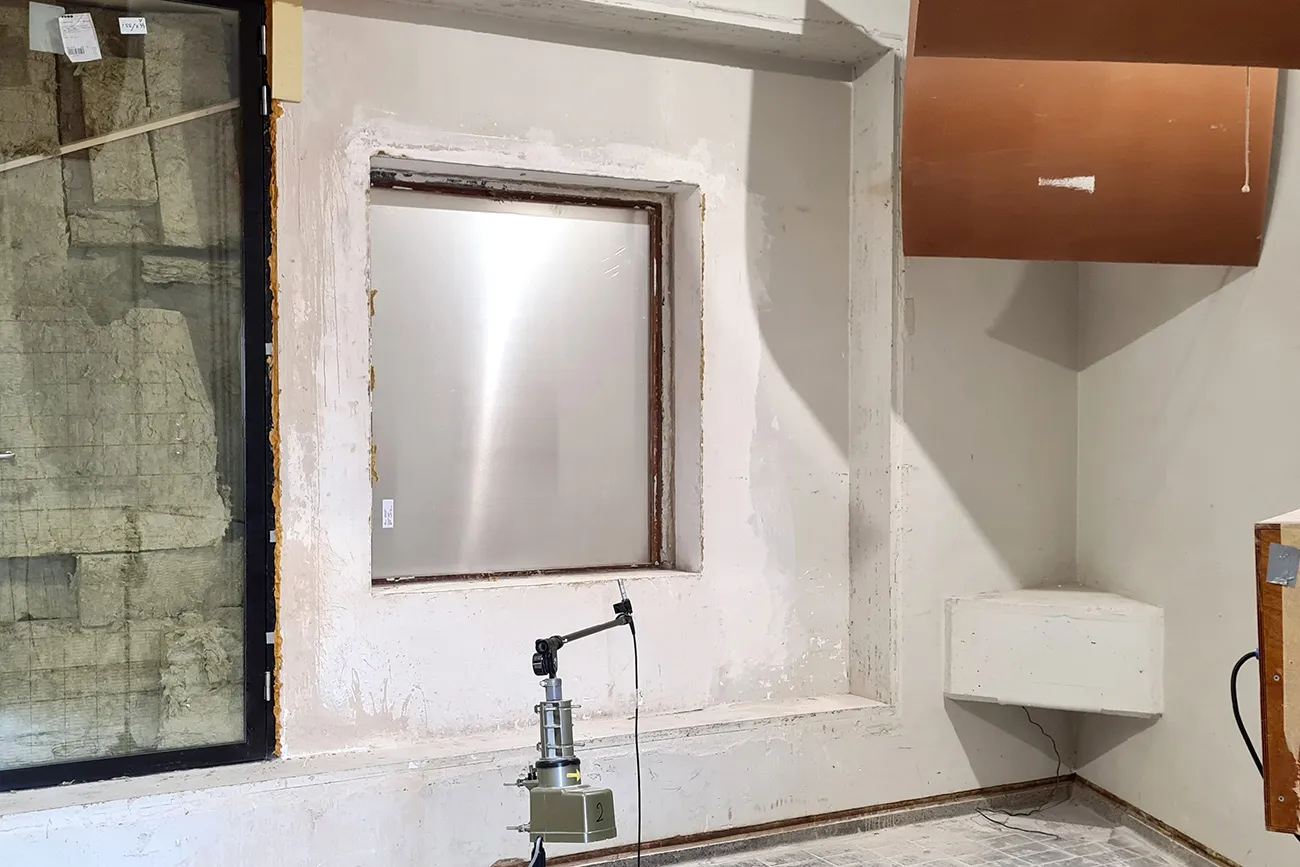
Testing provides certainty
Weerter Paneel Industrie has been manufacturing acoustic panels for more than 25 years and now offers over 55 tested variants, all extensively tested for sound insulation by Cauberg Huygen. Cauberg Huygen, a distinctive engineering consultancy, has its own acoustic and building physics laboratory where materials can be tested extensively. These tests provide a clear indication of the sound insulation performance of a particular building product. “As requirements for sound insulation become ever more stringent, we believe it is important to be able to demonstrate independently that our panels meet them.”
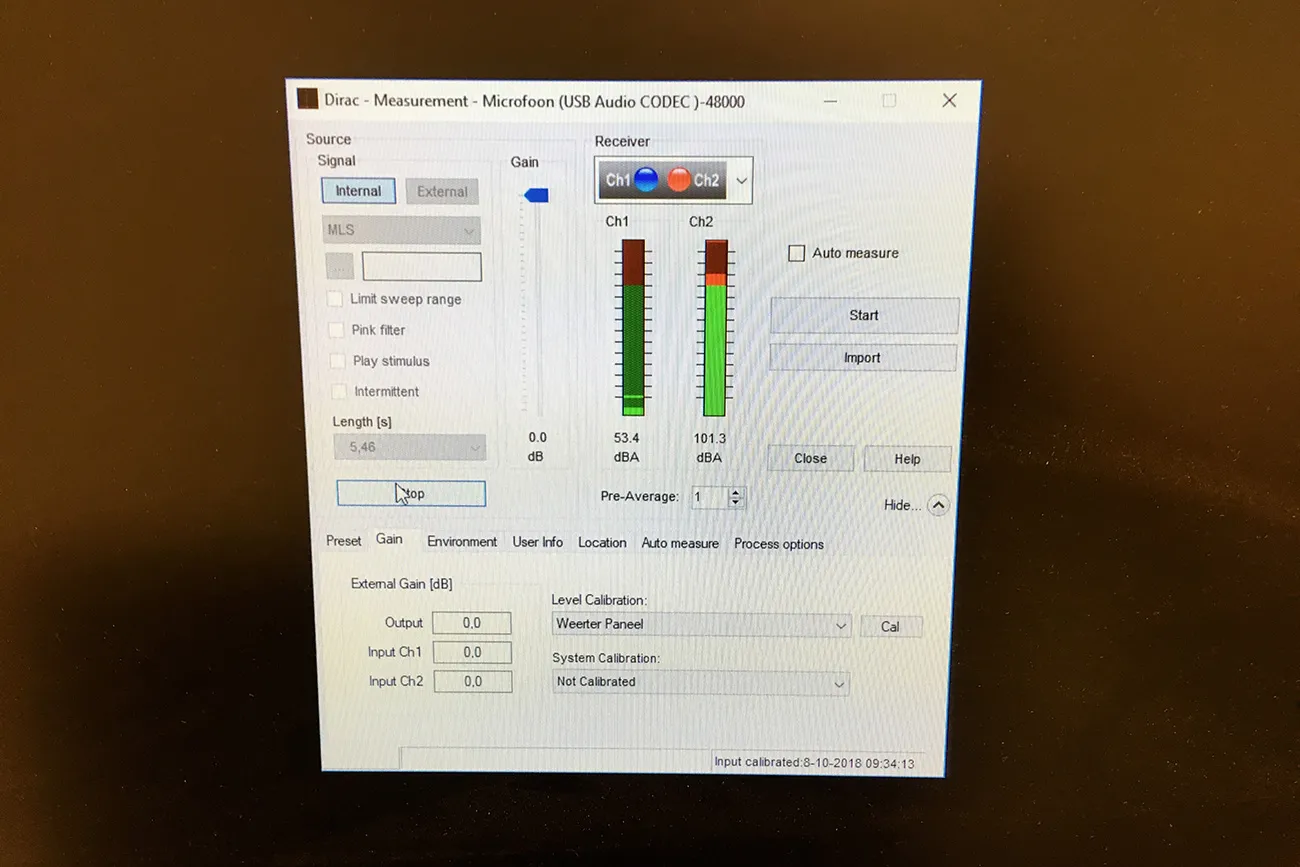
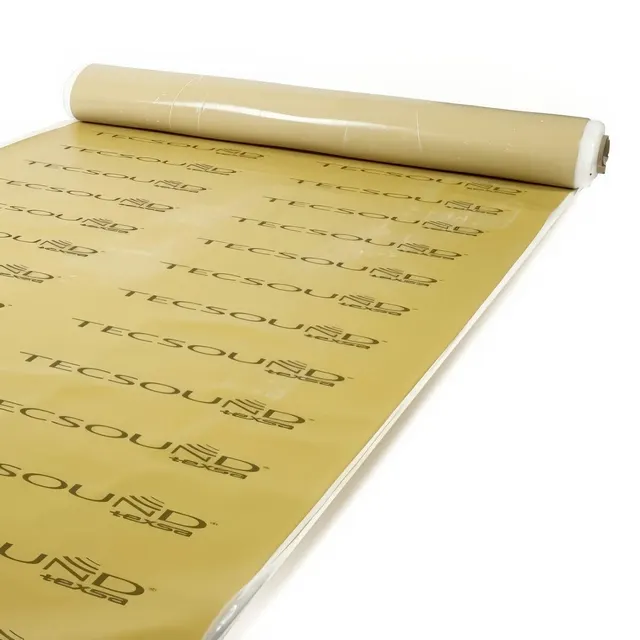
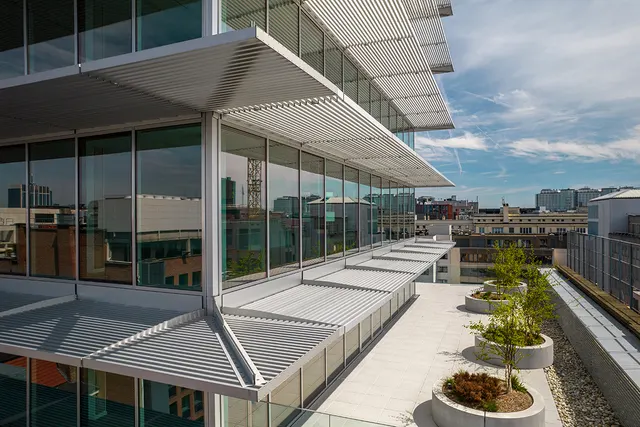
Acoustic sandwich panels
Willem-Jan: “We have had panels tested in various material combinations, with steel, aluminium or glass on the outer face, and in both flat and cassette form. It is important to note that the value we use when determining the airborne sound insulation of various sandwich panels is the corrected Ctr value.” Willem-Jan explains that Ctr stands for traffic correction factor, in other words, road traffic noise transmitted from outside to inside. “We have also had a number of panels tested for rail, train and air traffic noise, particularly because we are seeing growing demand from the market. All panels have been tested in accordance with Dutch and international standards. At present, our range covers Rw values from 24 to 47 dB(A).”
Wkb
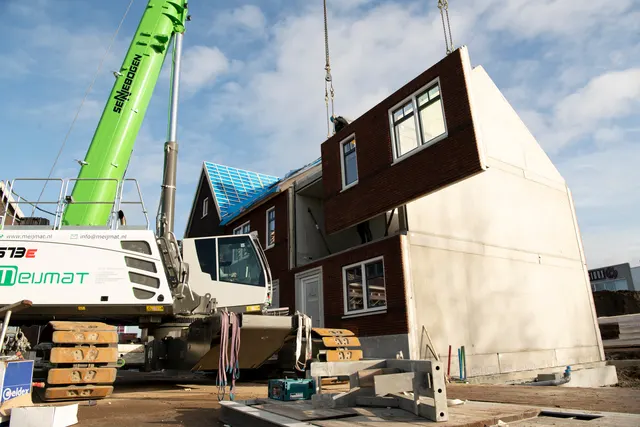
“Especially with the Quality Assurance (Building) Act, which is undoubtedly on its way, we want to stay ahead of the curve. This means we can be sure we are prepared for the stringent requirements to come and have everything ready for our customers.” Now that the first projects with specific acoustic requirements have been sold, Weerter Paneel Industrie is in full production. Panels are carefully selected and assembled for each individual project. Naturally, every solution is bespoke. “It is good to know that major, well-known façade contractors are turning to us for significant projects. That is not only because of the specialist products and bespoke solutions we can provide, but also because of the experience and expertise within our company,” Willem-Jan concludes.
Question about this story? Ask your question
Keep following this
Get an email when a new story is published. No account needed.
- SubjectInsulation