The power of three
Text Roel van GilsImage Orgadata
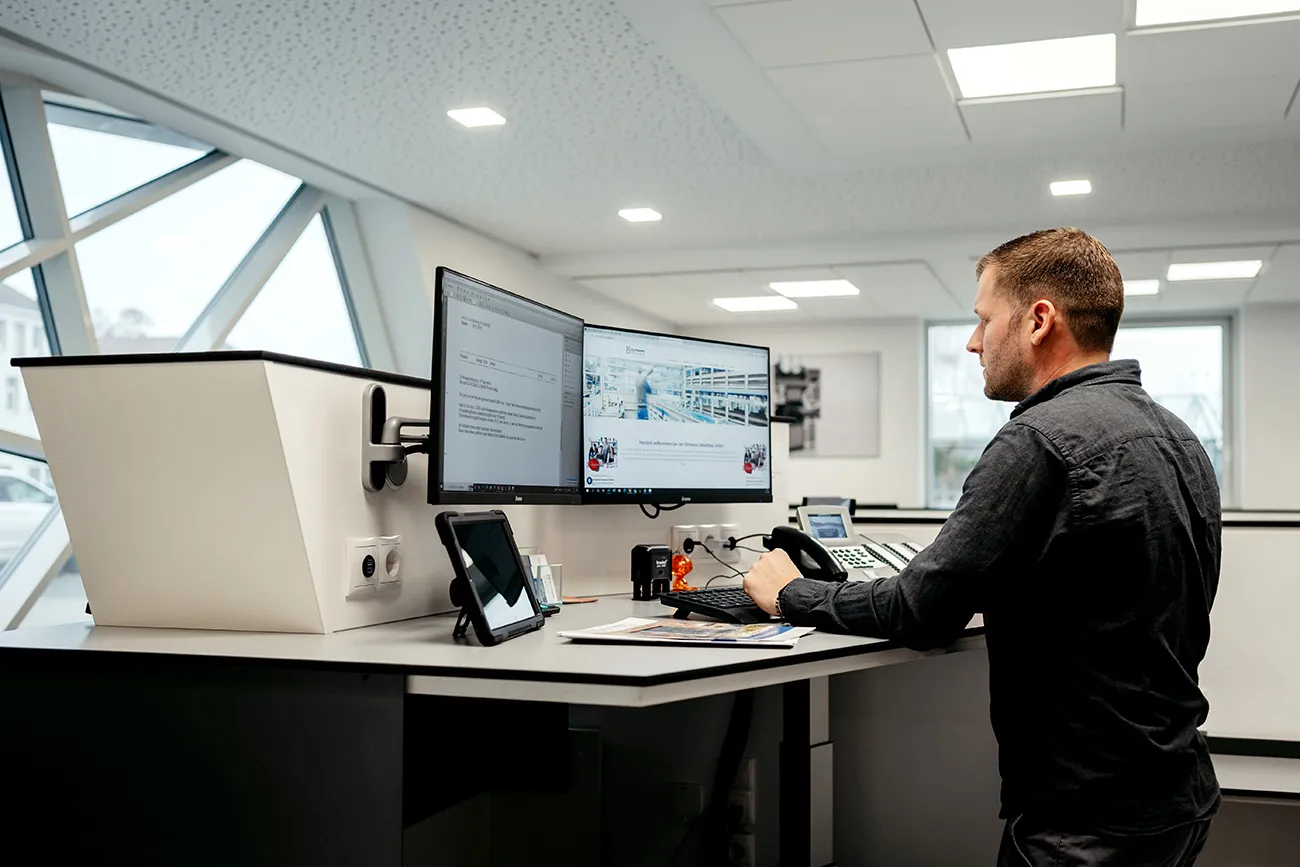
Seamless integration of three software systems developed specifically for façade construction
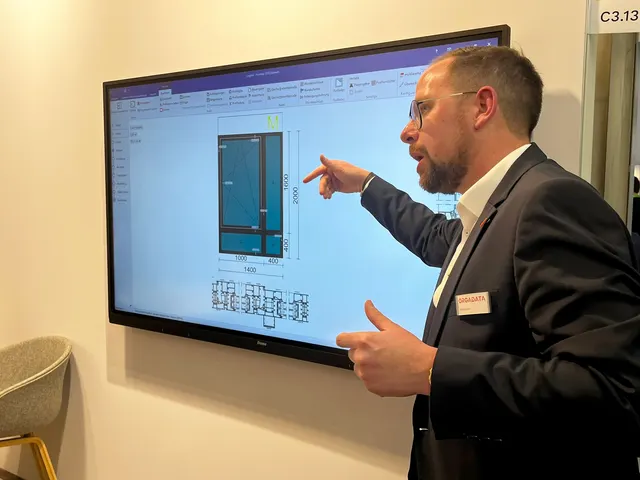
For many years, Orgadata, T.A.Project and CAD-PLAN, developers of software specifically for façade construction, have worked together to ensure their software, Logikal, E-R-Plus and ATHENA, communicate as effectively as possible. The synergy between the three software systems is unmatched. It makes processes for façade contractors simpler, more efficient and therefore more cost-effective. We speak to the evangelists from these software companies about the power of this trio for both small, straightforward projects and large, complex ones.
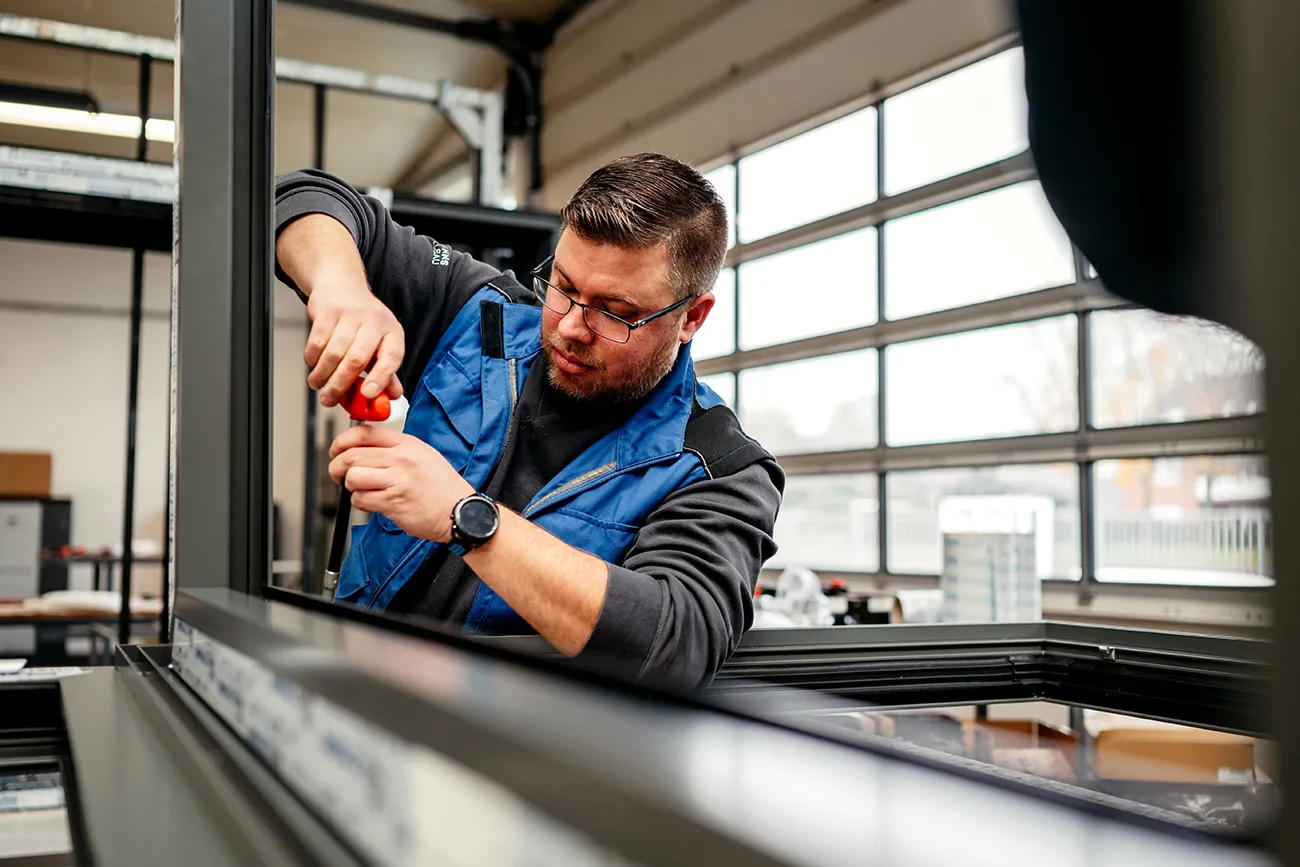
What all three of us are seeing in the market is a growing demand among façade contractors for software systems to ‘talk’ to one another, begins Paul Thyssen of Orgadata Benelux. “And this certainly isn’t just true of the ‘big players’. Smaller companies also benefit from a smooth, well-oiled digital process. Having all your data available, always and everywhere, leads to enormous efficiency gains.” Logikal, E-R-Plus and ATHENA each have their own area of expertise, but the software companies also develop their products to work together, explains Mauries Boley of ASteQ, the Dutch representative of T.A.Project. “That means you can achieve more with all three systems together than by looking at them separately. One plus one plus one makes four.”
Added value
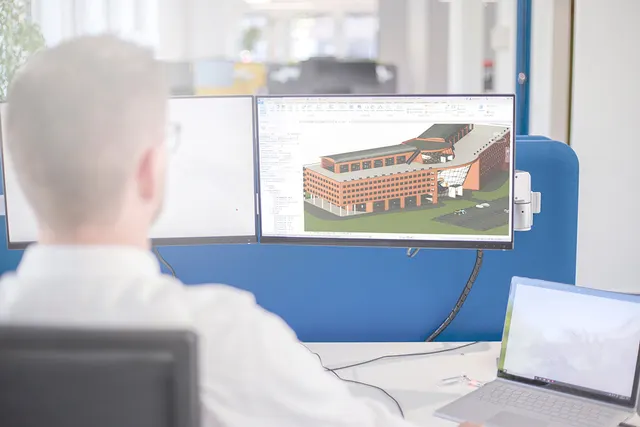
But what does data exchange mean in practice? It starts at the front end with the design in ATHENA, which uses the Logikal database to build the design. ATHENA provides an overview of the entire picture, covering not only façade elements, but also all other building connections, sheet metal and pressings. Orgadata handles the practical detailing of elements such as windows, doors and curtain walls, while E-R-Plus ‘manages’ project administration and logistics, including purchasing, stock management and planning. Jochem de Langen of CAD-Plan says: “ATHENA also clearly adds value when designing complex 3D façades. The data is then transferred to Logikal and from there into E-R-Plus.” Mauries adds: “E-R-Plus in turn uses data from Logikal and ATHENA for costing, preparing quotations and budgets. It then uses that data in the operational phase to manage logistics, including material requirements, purchase orders and stock management. And of course, materials aren’t the only requirement. You also need people. We use the hours from Logikal for planning in E-R-Plus.”
Bidirectional
The three software companies are working to standardise as much data as possible. “Information flows through all three software systems in much the same way,” says Paul. “Information from, for example, profile and hardware suppliers in Logikal is used in the same way in both ATHENA and E-R-Plus. As well as supporting the digital design of façade elements, Logikal also controls workshop machinery, regardless of make or type.” Paul stresses that data exchange between the three software systems is by no means one-way. “No single system takes precedence, and data can be exchanged in all directions. It is bidirectional. Information about articles, business contacts or technical details only needs to be set up in one system, after which the other products take it over. So everyone works with the same data. There is no need to transfer information manually, which significantly reduces the margin for error. And thanks to online updates, supplier data in Logikal, and therefore in E-R-Plus and ATHENA too, is always up to date.” Speaking of up-to-date information, CAD-PLAN’s CRONOS document management system also ensures you always have access to the latest versions of files and drawings.
The right information, anywhere and at any time
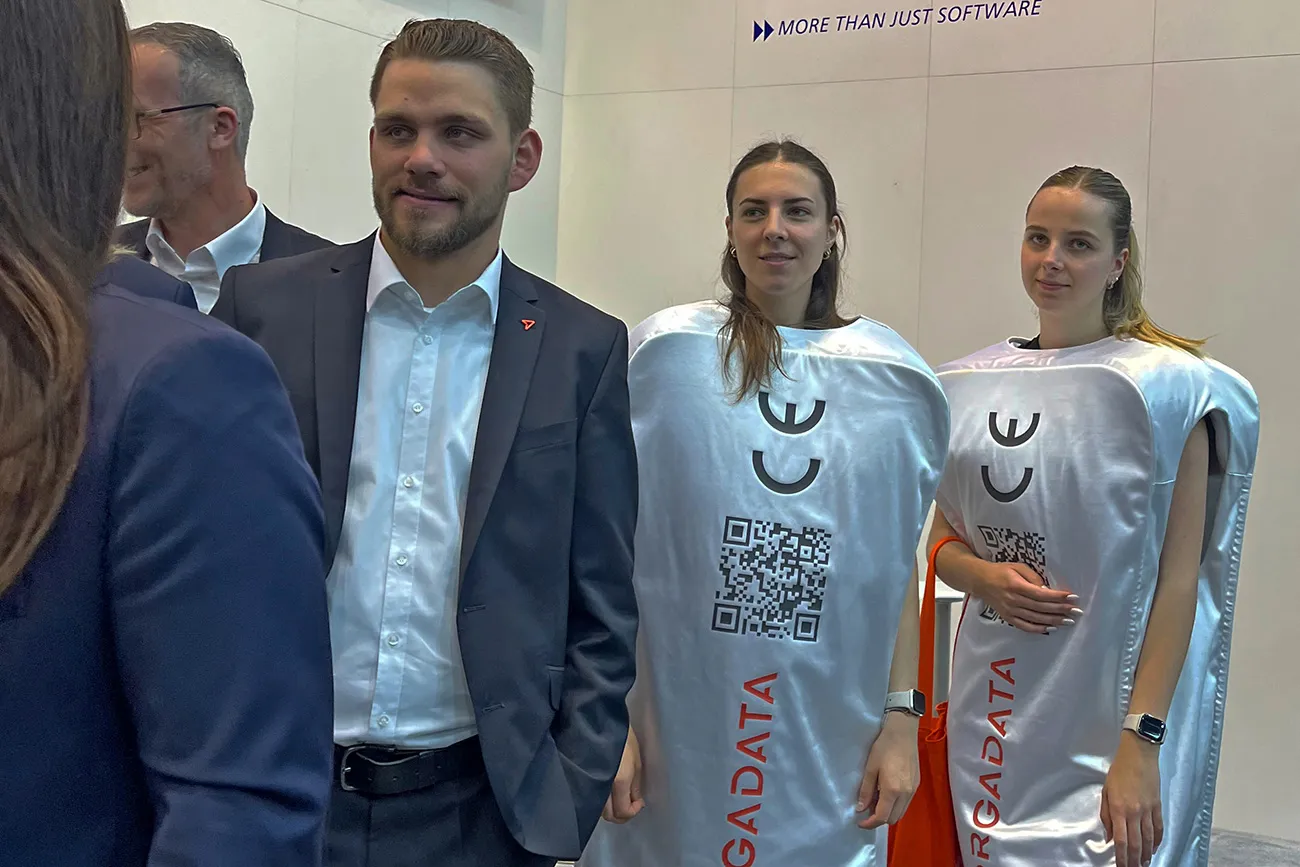
To gain insight into process steps and follow them up correctly, information now needs to be available not only in the office, but also on the shop floor and on site. “That’s why we offer E-R-Plus as a cloud solution,” says Mauries. Logikal has developed its MES system for this purpose. “This allows us to deliver information digitally to the operator on the shop floor,” says Paul. “And with our recently launched SimplyTag, we’re taking information sharing a step further. Information about an individual element is available not only to the façade contractor, but also to the end user or maintenance company via a QR code. The data initially comes from Logikal, but can be supplemented with information from E-R-Plus or even a drawing from ATHENA.” Jochem says: “This solution means we are collectively ready for the world of BIM. SimplyTag is a practical way to make all relevant technical information available directly.”
According to the interviewees, the major difference in the software world compared with ten years ago is that façade contractors are no longer looking for an all-in-one package. Instead, they are increasingly opting for best of breed, choosing the strongest supplier for each specific area. The condition is that the system can communicate with other leading products. That is what Orgadata, T.A.Project and CAD-PLAN are committed to, and where they excel. The synergy between the systems is unmatched, and they are happy to say so. They often exhibit together at various trade fairs, including once again at Polyclose soon.
A business enquiry for Forterro? Get in touch
Companies in this story
Keep following this
Get an email when a new story is published. No account needed.
- ThemeFrom facade model to production
- SubjectSoftware & automation
- CompanyForterro