Give overheating no chance
In recent summers, the thermometer has increasingly been reaching record highs. Heat is becoming an ever more serious problem that we need to address.
Most (office) buildings are not equipped to cope with today’s heatwaves. Air-conditioning systems in buildings that have them are not designed to cope with extended periods of heat, while buildings without air conditioning become unbearably hot inside.
For a long time, insulation was the construction industry’s main concern. Today, however, overheating in buildings is causing the greatest frustration. Offices sometimes need cooling for nine to ten months of the year, a substantial cost and an unwelcome burden on the environment. Yet tackling overheating does not necessarily mean replacing or shading glazed areas. With passive cooling using high-performance, virtually invisible solar-control films, Umisol can quickly and simply get the problem under control.
High levels of insulation and the large proportion of glazing in contemporary architecture, combined with climate change, mean that many buildings are now becoming too hot. Not just during summer heatwaves, but for almost the whole year. “We usually start hearing complaints in March,” says Katrien Michiels, manager at Umisol, “sometimes as early as February. That really makes you realise just how big the problem is. Businesses have a lot to lose from overheating. Cooling costs quickly add up, and poor thermal comfort also affects staff performance. The CO2 emissions are significant too. Any organisation looking to move towards an efficient, carbon-neutral building, as Europe has set out, needs to take action.”
Window film to counter the greenhouse effect
With Pleolit®, Umisol® is launching a range of window films that are highly transparent while blocking solar heat. This groundbreaking technology could not have come at a better time. Thanks to its revolutionary, patented sputtering technology, the company has developed a film that not only blocks heat to the greatest possible extent and is highly transparent, but also filters out harmful UV rays, helping to reduce the risk of skin cancer. Another important benefit is that the technology makes it possible to produce films with a very low absorption rate, so they can be applied to either the outside or inside of the glass without the risk of thermal breakage.
Offices and other buildings that no longer need extra cooling in high temperatures, without compromising thermal comfort: everyone benefits. Not least the climate: less air conditioning means lower energy bills and lower CO2 emissions.
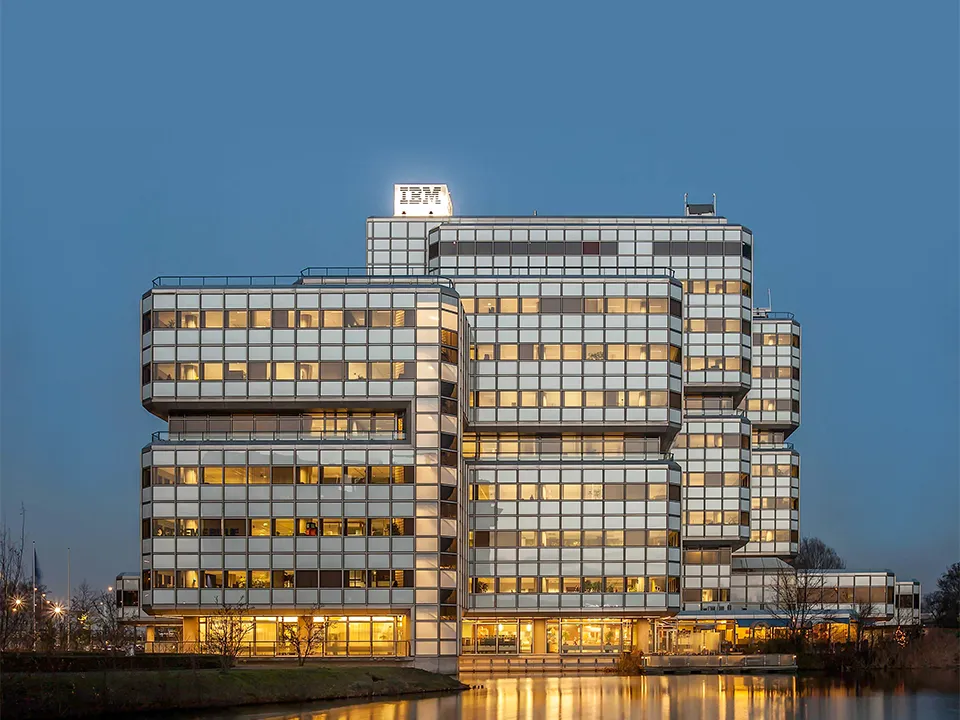
This is a form of passive cooling that an increasing number of businesses see as a solution to the climate challenge. The innovative window film has been installed at the ABN Amro headquarters in Amsterdam and the European Parliament in Brussels. More recently, IBM also had 4,160 m² of Umisol cooling film installed at its site in Amsterdam.
Achieve an energy label with ease
At the ABN AMRO headquarters in Amsterdam, annual savings of no less than 132,000 euros were achieved. “We are focusing firmly on the European market. In the Netherlands, for example, all offices must achieve at least energy label C by 2023, and almost half still do not meet that requirement. Our glass optimisation fits the bill perfectly, especially as our products are also ISSO-certified,” says Katrien Michiels.
Made in Europe
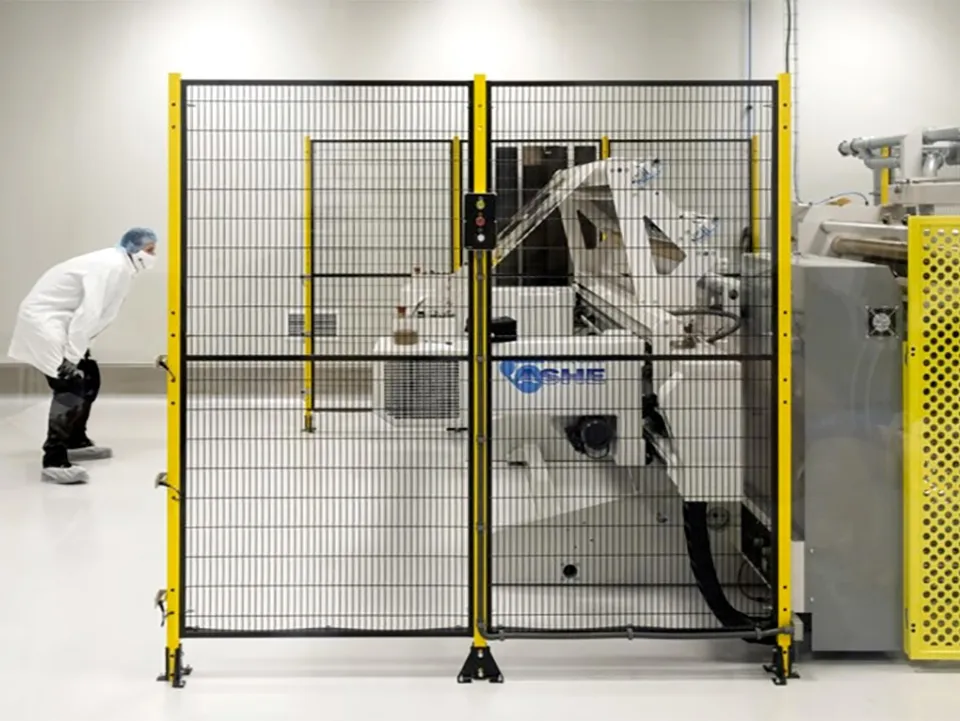
Umisol® window films are manufactured at its sister company Group MAM in Belgium. Given the many applications and the market’s considerable potential, Umisol/Group MAM decided to bring production of its high-end films in-house and build a new production facility. “This project involved setting up a production hall, production infrastructure and equipment, as well as the associated business facilities. It also involved developing the knowledge and providing the training needed to manage, operate and control the new production process. The total investment in the new production facility amounts to 6 million euros. A further 1 million euros is invested in research and development each year, with a focus on expanding into new applications, such as films for automotive and medical use,” concludes Katrien Michiels.
Question about this story? Ask your question
Keep following this
Get an email when a new story is published. No account needed.
- ThemeAn energy-efficient and comfortable building envelope
- SubjectSolar shading