Metallised internal solar shading: a solution for meeting BENG requirements
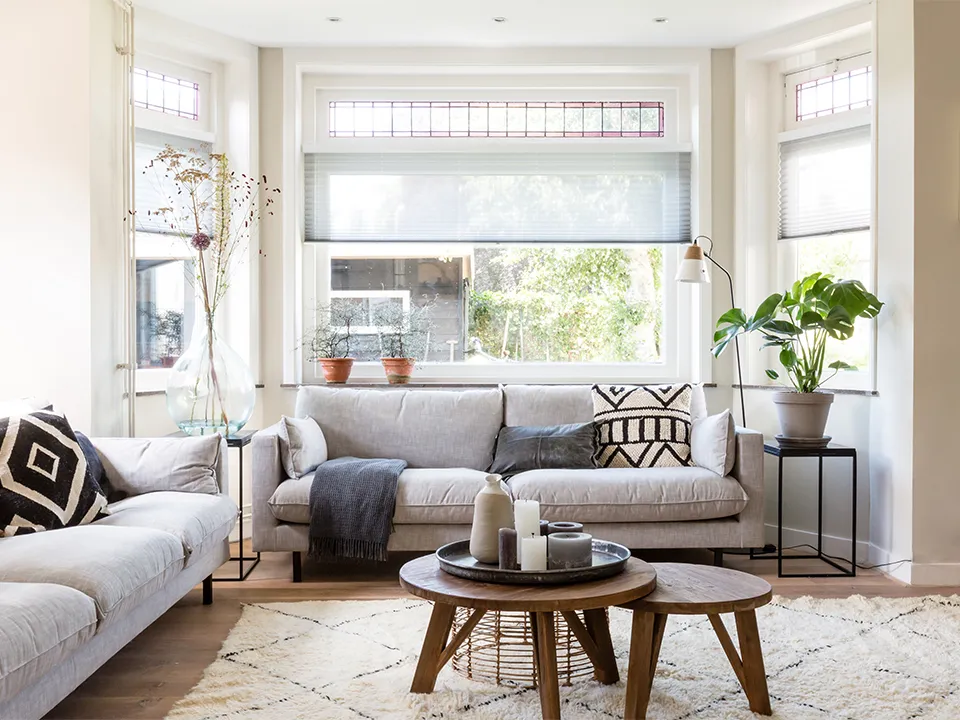
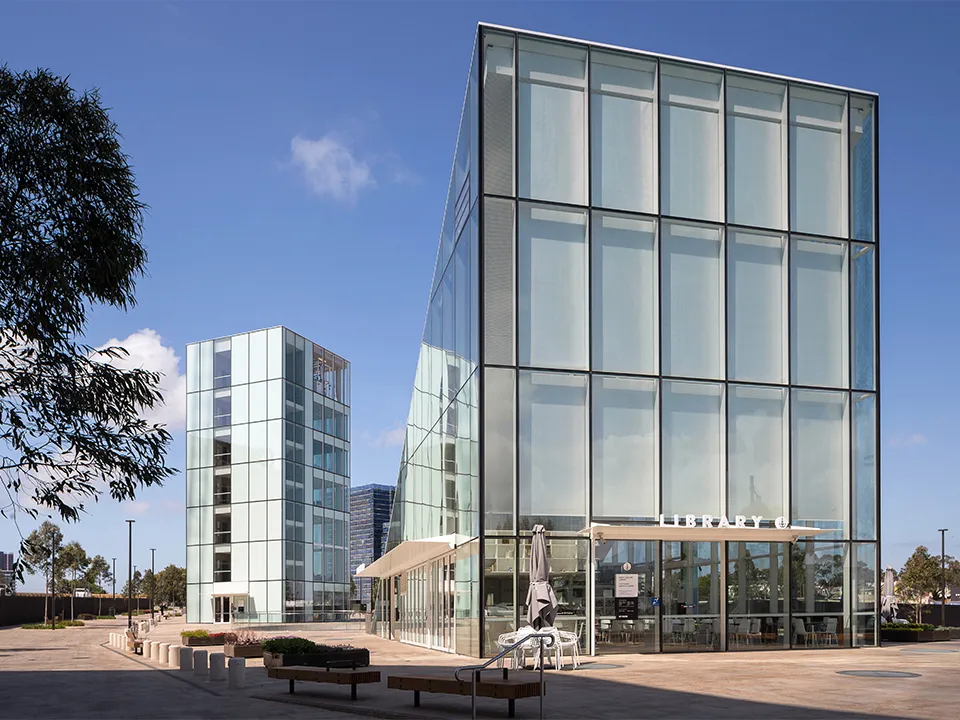
As of 1-1-2021, the new BENG standard for new-build projects is in force. The new requirements are making it increasingly difficult to use glass applications, while the trend is towards building with as much transparency as possible.
In addition, from 1-1-2023 all existing office buildings must meet at least energy label C, a requirement that is still relatively little known. Verosol, a specialist in designing and producing functional fabrics for internal solar shading and the inventor of metallised textiles, offers complete solutions to these challenges.
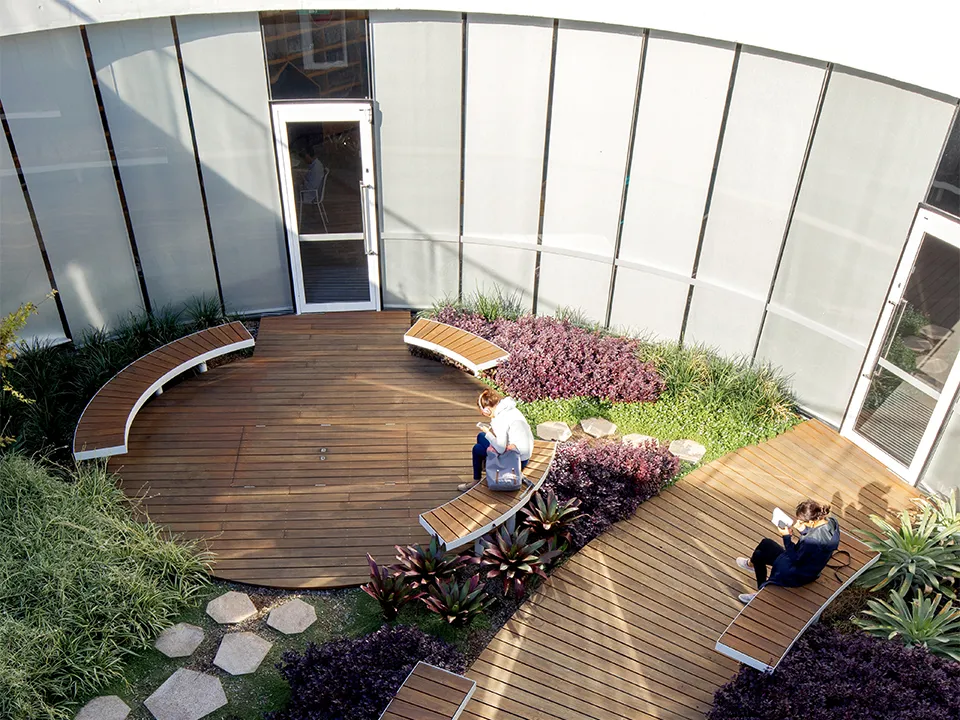
BENG for new-build projects
Evert Bos, product manager at Verosol, explains that three indicators are important in the BENG calculation for new-build projects. “First, a building’s maximum energy demand, where reducing energy consumption is important. Second, reducing the use of primary fossil fuels, and third, the minimum share of renewable energy.”
Internal solar shading
The first indicator covers the assessment of solar shading as a policy measure, so it must be included. Internal solar shading has recently been included as well. “Provided it forms an integral part of the climate control system,” says Bos. “This means it is controlled automatically and linked to a building management system that controls the climate.”
Solar control and insulation
Previously, consideration was given only to how heat could be kept out in summer, thereby reducing the need for cooling (lower solar transmittance or g-value). Today, better insulation can also be achieved by keeping internal solar shading closed at night during the heating season. This prevents the building from cooling down, reducing the amount of heating required (lower U-value). Bos: “It is a major advantage that the solar-control and insulating effects of internal solar shading can now be included in calculations of a building’s energy performance.”
A logical combination
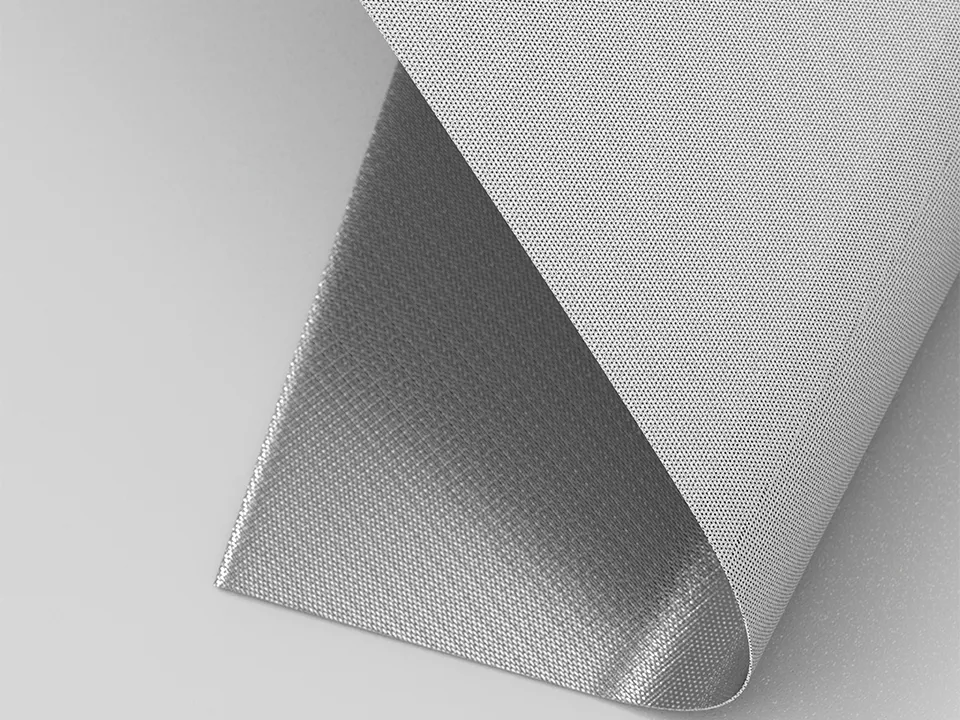
“Technology at Verosol continues to advance,” Bos continues. “Our team of engineers is constantly looking for ways to achieve optimal façade insulation while retaining as much visibility as possible and keeping the sun’s heat out.” The choice of glazing and its coating, combined with internal solar shading, is relevant to achieving the required energy performance. “Verosol internal solar shading enables you to continue meeting stricter standards without compromising design freedom. It also looks better, costs less and requires less maintenance.” Bos is convinced that architects and contractors understand the importance of combining solar shading with glazing in new-build projects to meet BENG requirements.
Existing buildings
But he also observes that by no means everyone is aware that regulations for existing buildings are being tightened too. In just two years, every office larger than 100 m2 must have at least energy label C. Under the Building Decree, a building that does not meet this standard may no longer be used as an office. “Many building owners have no idea that this requirement is coming their way or how to meet it. Verosol has extensive expertise and experience, as well as its own Expert Centre, enabling it to provide tailored advice on the choice of glazing and solar shading. This is unique in the Netherlands within the industry. For example, we recommend placing the coating on the outer pane of insulating glazing, rather than on the (laminated) inner pane. This is not only more cost-effective, but when combined with Verosol’s dynamically controlled solar shading, it delivers the optimum balance of insulating properties and solar-control performance.” Bos concludes: “With the right advice on a complete solution incorporating metallised internal solar shading, the required energy performance can be achieved, enabling compliance with the new BENG standard.”
Question about this story? Ask your question
Keep following this
Get an email when a new story is published. No account needed.
- ThemeAn energy-efficient and comfortable building envelope
- SubjectSolar shading