Solar shading screens: combining aesthetics and functionality
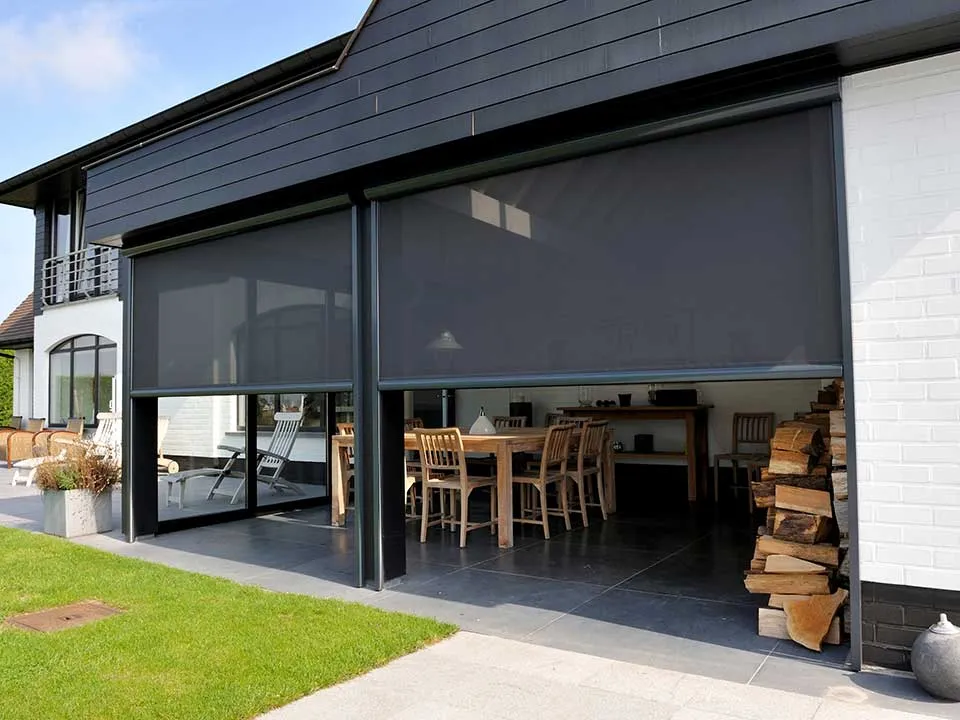
Preventing overheating is literally a ‘hot’ topic in modern, well-insulated buildings. The same is more or less true of light control. In both cases, solar shading screens offer an excellent solution.
And with its rich palette of colours and finishes, Copaco Screenweavers shows that solar shading screens can also look great: combining aesthetics and functionality.
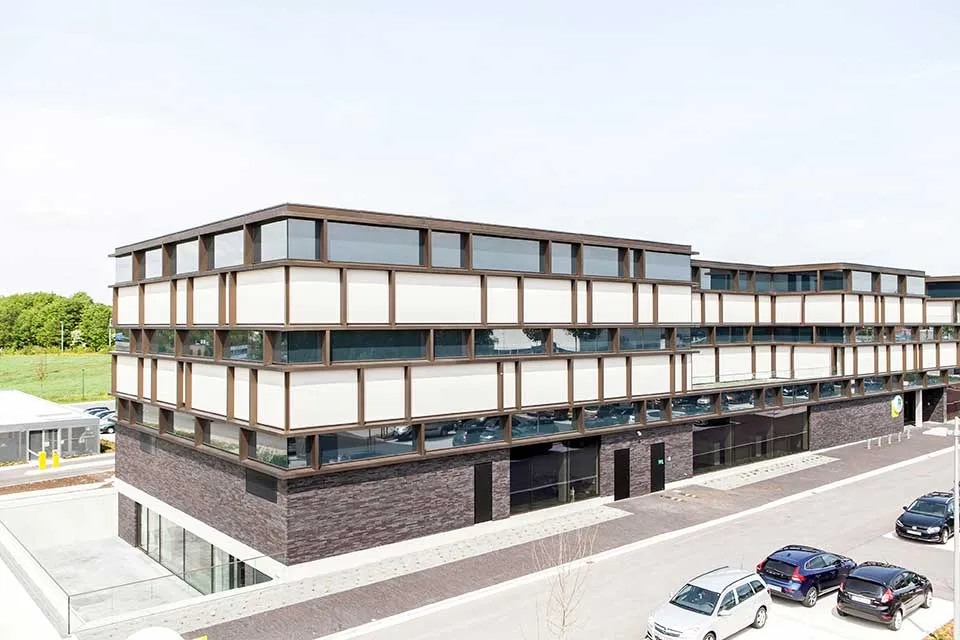
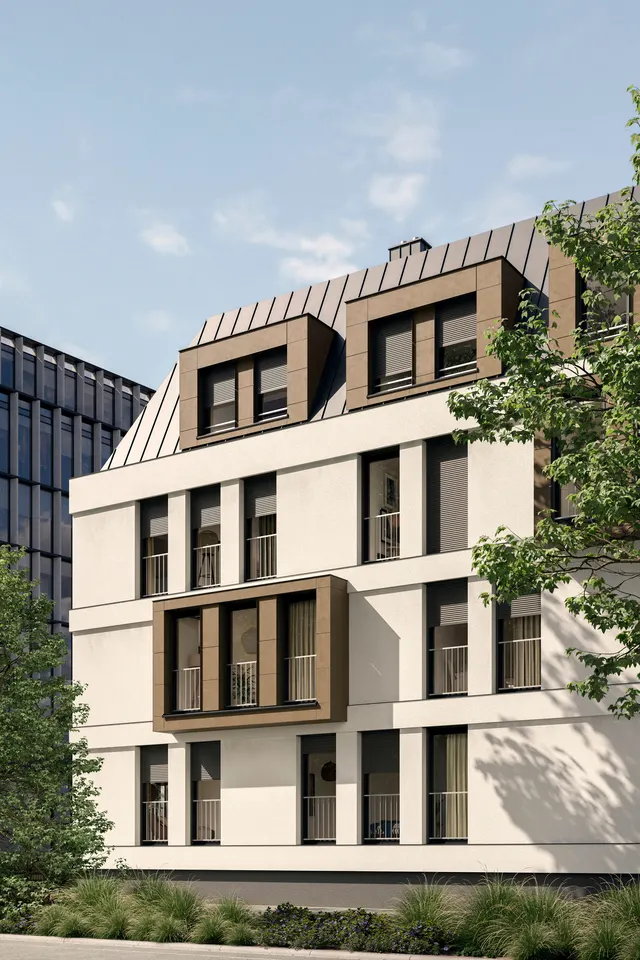
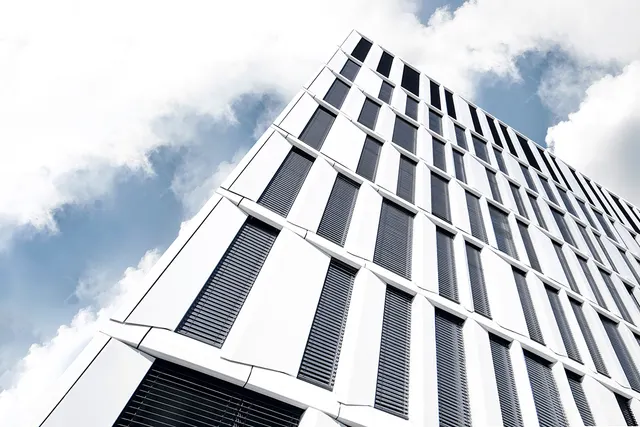
We are seeing solar shading screens being used in an increasing number of applications today, in both the residential and project markets, says Jonas Lefebvre, Sales Manager at Copaco Screenweavers. “The main reason is that, in 2021, buildings are being constructed like thermos flasks. The challenge is no longer heating a building, but rather keeping it cool in summer. Mechanical, active cooling with air conditioning is not exactly sustainable. Solar shading screens are, and can ensure a room heats up by as much as 10 degrees Celsius less than it would without solar shading.”
Glare control
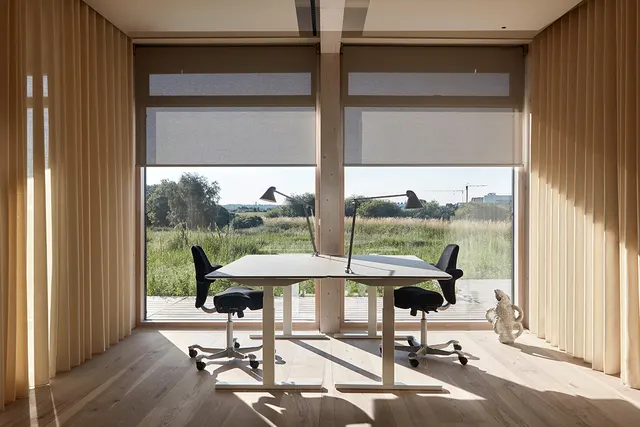
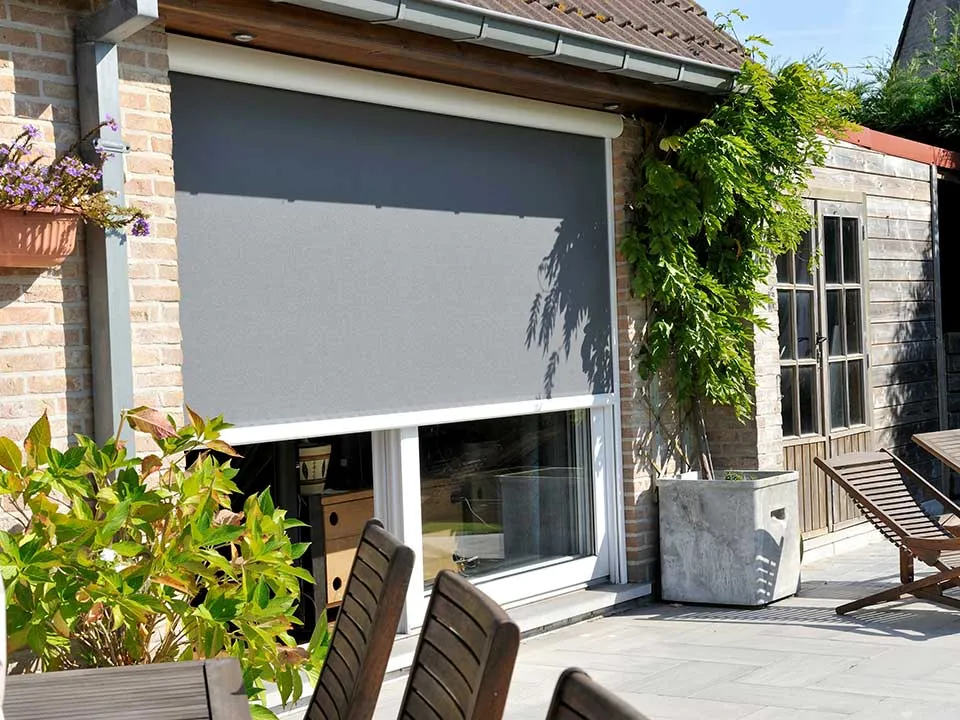
Used in the right way, solar shading screens can help keep a building pleasantly cool inside. “That means lowering the fabric in the morning, before the sun comes up,” Lefebvre explains. “Glare control is certainly another benefit of external solar shading. That is also why we offer our screen fabrics with three openness factors: 1, 5 or 10%. An openness factor of 1% is mainly intended to prevent reflections on computer screens, whiteboards and so on. Daylight still enters the room, which is important for the wellbeing of building users, but they are not disturbed by annoying glare. This type of screen fabric is particularly suitable for east- and west-facing façades, while a 5% openness factor is often a better choice for south-facing façades. The great thing about our fabrics is that we use the same weave structure, regardless of the openness factor. They always have the same appearance.”
Blackout version
For the residential market, Copaco Screenweavers has another key asset in Serge Lunar. “This screen fabric not only provides solar protection, but also blackout. A laminated coating is applied to the inside of the fabric. This makes it ideal for a bedroom, for example. The same applies here: the appearance, or weave structure, on the outside is identical to that of the non-blackout versions, ensuring a uniform look.” There is also a wide range of colours to choose from. Lefebvre says: “Our colour palette comprises 49 colours, and we recently added Pure Black and Antraciet Grey, matching the popular RAL 9005 and RAL 7016 shades for external joinery. We are also seeing a huge trend in the residential sector for using solar shading screens on patio covers. As soon as a breeze picks up, the screen is lowered and people are sheltered. There is always a matching colour available here too.”
Copaco Screenweavers’ screen fabrics therefore combine aesthetics and functionality. “Our fabrics offer three-dimensional stability and are reinforced with glass fibre. This ensures the shading always hangs taut, without the fabric stretching,” Lefebvre concludes.
Een zakelijke vraag aan copaco screenweavers? Get in touch
Companies in this story
Keep following this
Get an email when a new story is published. No account needed.
- ThemeAn energy-efficient and comfortable building envelope
- SubjectSolar shading
- Companycopaco screenweavers