A sustainable façade requires long-term thinking
Text Tamara BrouwersImage Swisspearl
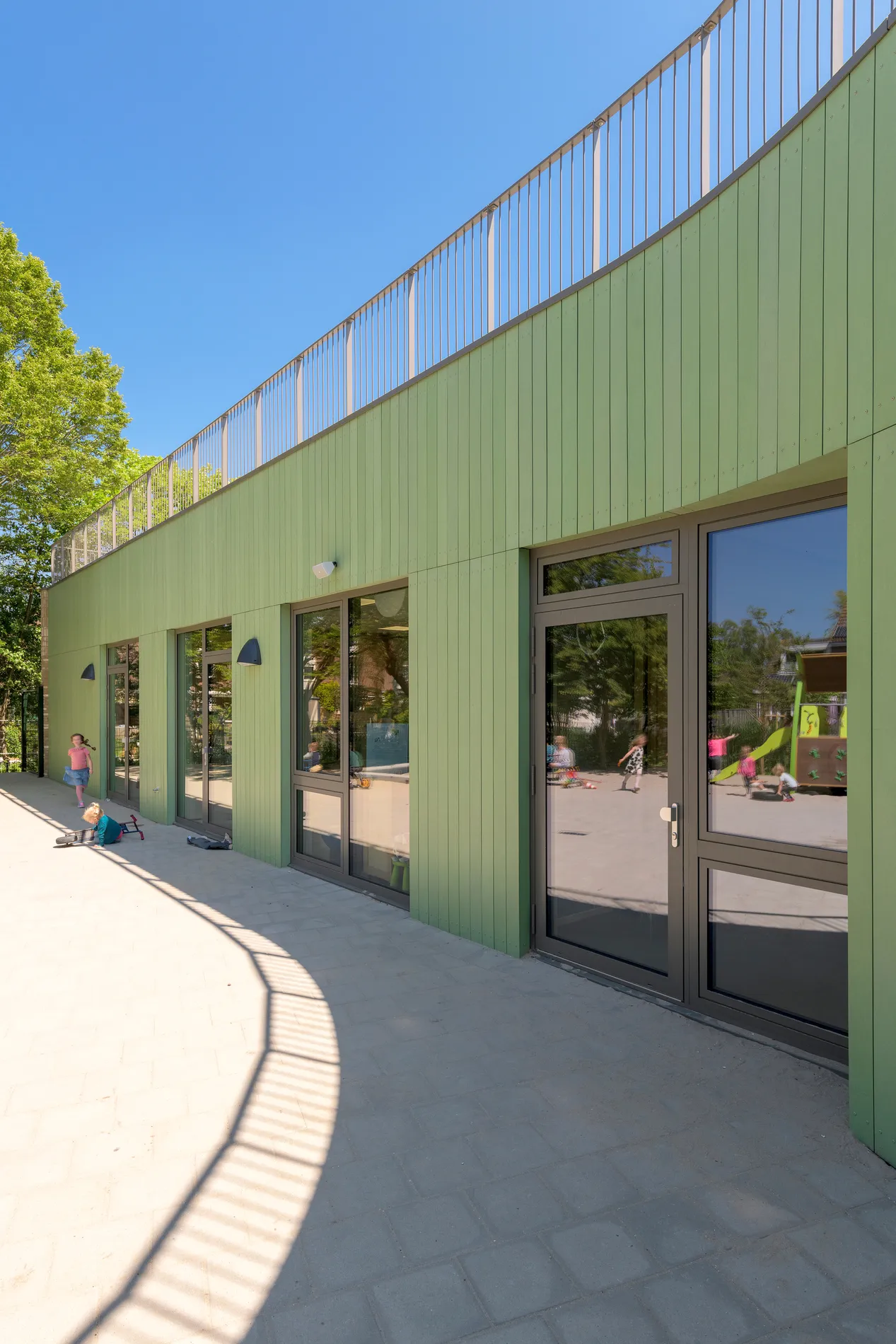
Bio-based materials and green façades are attracting considerable attention in façade construction. ‘Natural’ is quickly equated with sustainable, but in practice that assumption does not always hold up. Maintenance, replacement and long-term performance determine the real impact.
Service life and maintenance determine the real impact
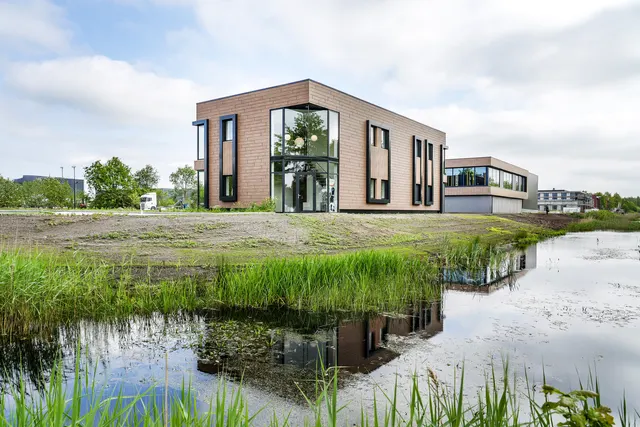
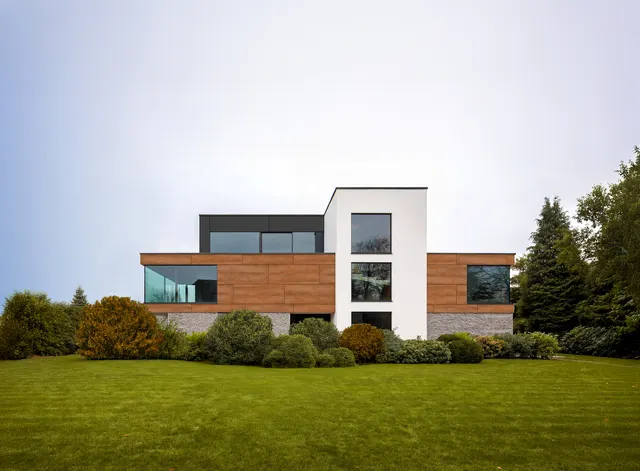
According to Dennis Schoonemeijer, project consultant at Swisspearl, this calls for a more nuanced view. “Wood is a beautiful material, but for façade applications you need to consider its total service life. In practice, it requires maintenance and often replacement during that period, whereas fibre cement retains its performance over the same period without intervention.”
He says sustainability is too often used as a catch-all term. “You need to define what it means over a period of thirty, forty or fifty years. Only then can you compare choices fairly.” In practice, the balance between initial environmental impact and the use phase plays a bigger role than is often assumed. Bio-based solutions often have a strong starting position, but their impact can increase as a result of maintenance and replacement. “The perception is that wood is automatically the sustainable choice,” says Schoonemeijer. “But when you look at total cost of ownership, a different picture emerges.”
Working together on bio-based façade build-ups
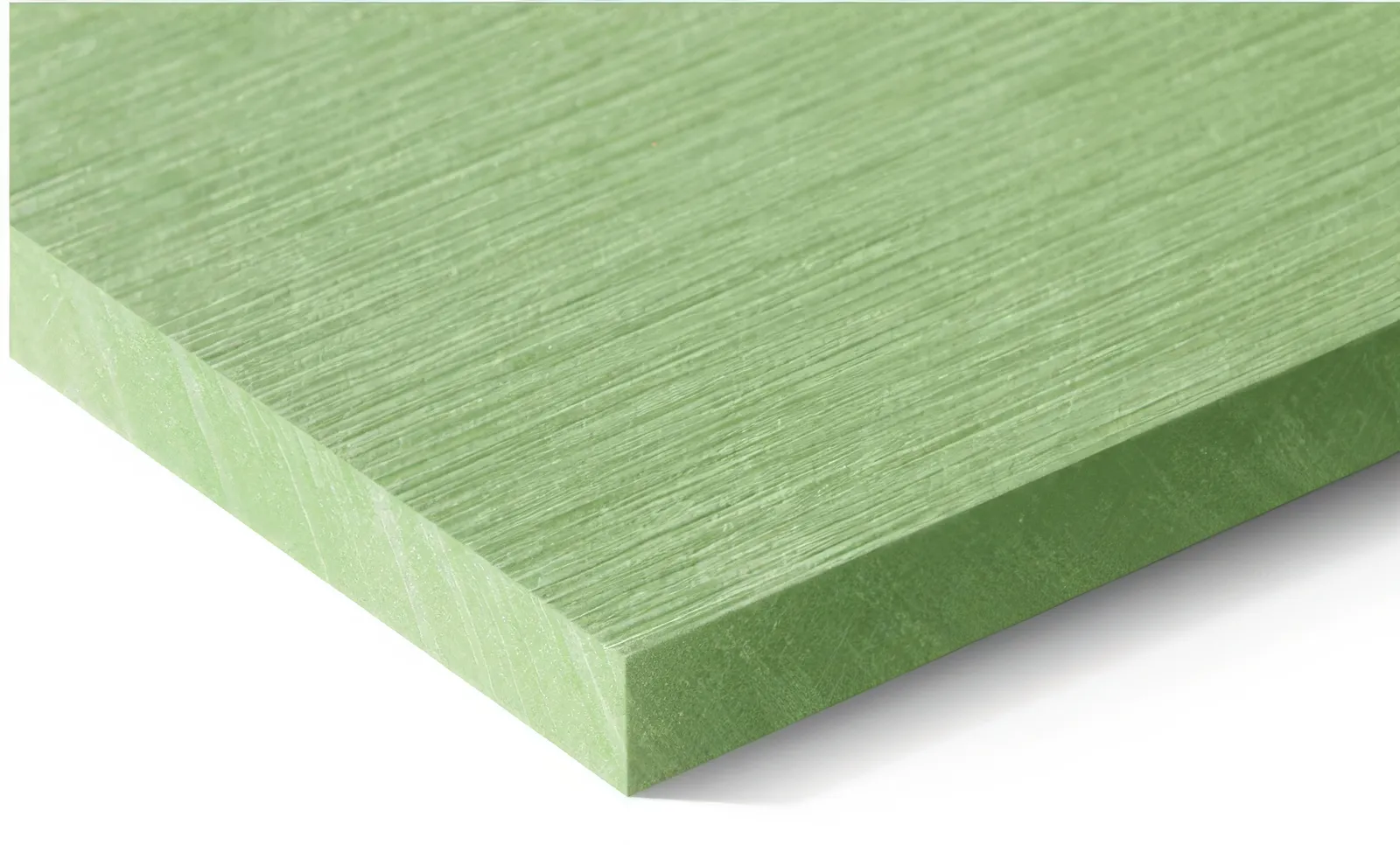
An important part of this shift lies in collaboration with suppliers of bio-based insulation materials. “We actively test our Swisspearl Windstopper with materials including wood fibre, cellulose and straw,” says Schoonemeijer. “These materials have strong sustainability credentials, but they also place demands on the build-up.”
Extensive testing of these combinations makes it possible to create a façade build-up in which different components complement one another. “Bio-based insulation needs protection and must meet fire safety requirements. Fibre cement can play a role in this.” This collaboration makes bio-based materials more practical to use. “It is precisely this integration that allows you to make sustainable choices without compromising on performance.”
From material to system
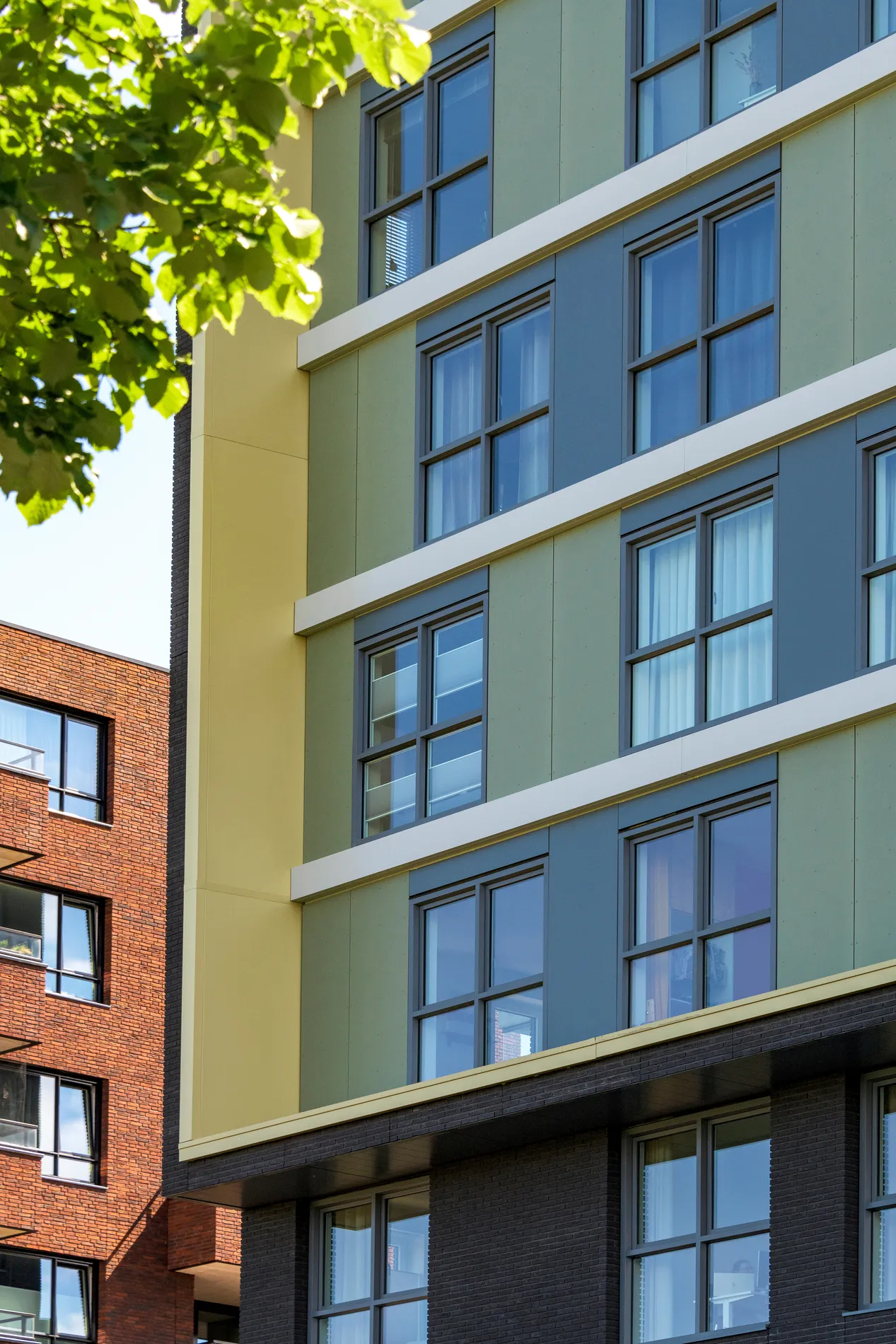
This approach is part of a broader shift towards designing the façade as an integrated system. Fibre cement serves as a protective inner and/or outer skin, in combination with other solutions. “We supply it not just as panel material, but as part of a complete build-up.”
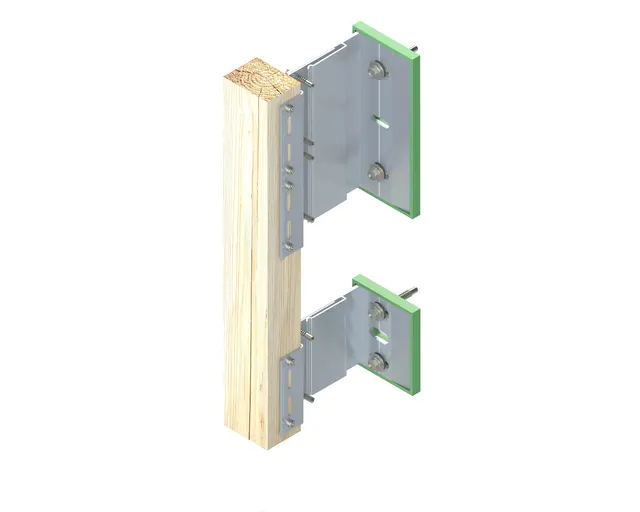
This systems approach also gives sustainability a more concrete meaning. “With the Sigma 8 Pro fixing system, our façade cladding is mechanically fixed out of sight, without penetrating the visible face. This allows targeted replacement. You can replace components without affecting the entire façade surface. That supports a longer service life and reuse.”
Clients and investors are taking maintenance and service life increasingly into account, says Schoonemeijer. However, design still often focuses on appearance. “There is sometimes still a gap between the two.”
Measurement and development
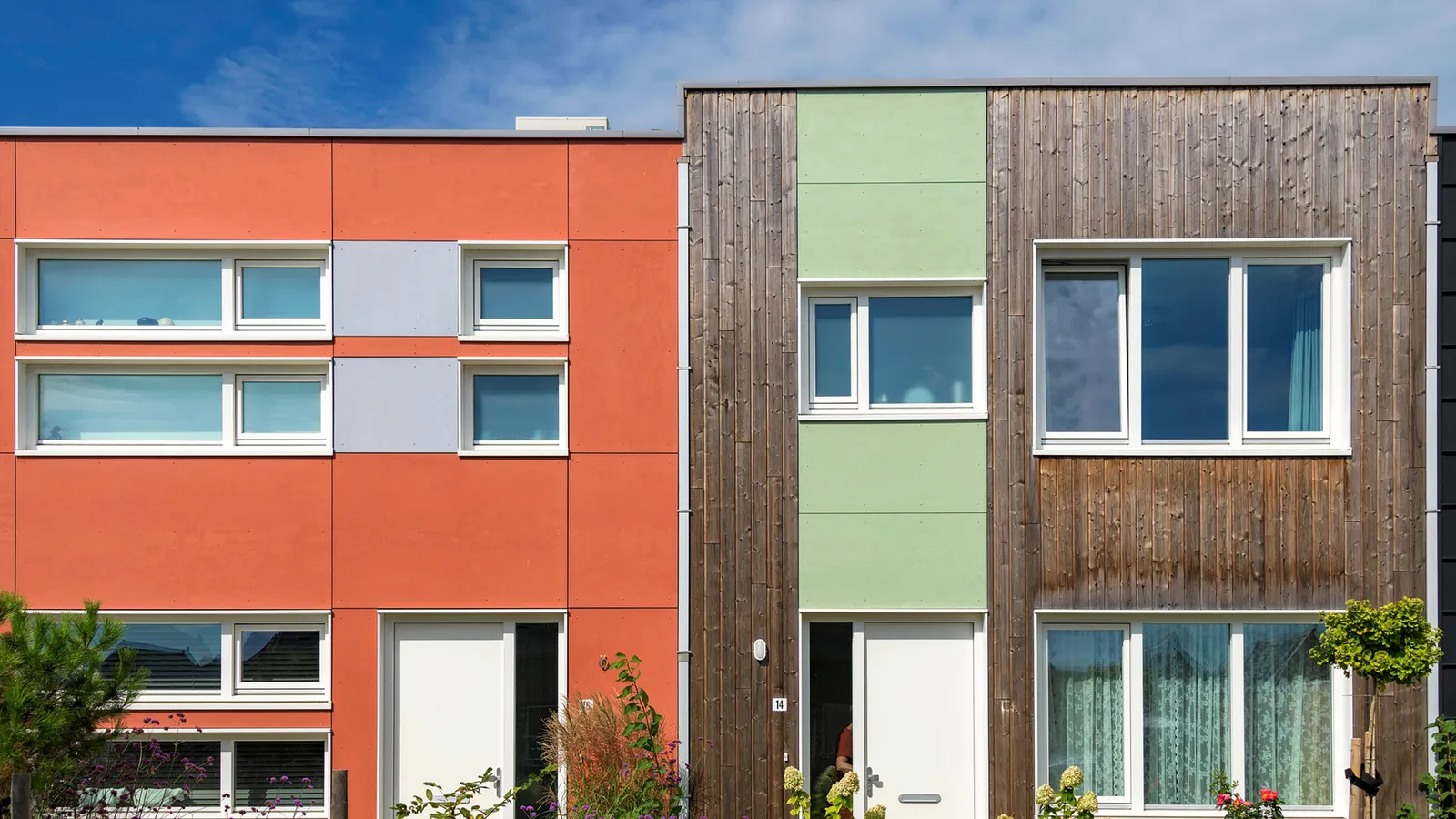
Design and tender processes increasingly rely on measurable data. Swisspearl compiles this data in Environmental Product Declarations (EPDs), which are prepared by an independent external party and updated regularly. In the Netherlands, these environmental data are also included in the National Environmental Database (NMD), allowing performance to be directly factored into calculations and material comparisons. “We continue to improve our production processes, thereby reducing CO2 emissions. This lower impact is then recorded in an updated EPD.”
Swisspearl’s approach reflects a broad commitment to sustainability. The company is due to receive Cradle to Cradle certification in the second quarter of this year. “We keep taking steps to reduce our environmental impact, which is also what this certification requires of us,” says Schoonemeijer. Many of these steps remain behind the scenes, he says. “They are not always communicated, but they are an essential part of our working methods and of Swisspearl’s vision for future-focused construction.”
Een zakelijke vraag aan Swisspearl Nederland B.V.? Get in touch
Companies in this story

Keep following this
Get an email when a new story is published. No account needed.
- ThemeCircular facades with lower environmental impact
- SubjectFaçade cladding
- CompanySwisspearl Nederland B.V.