Centraal Boekhuis: 135 kWp of PV façade panels
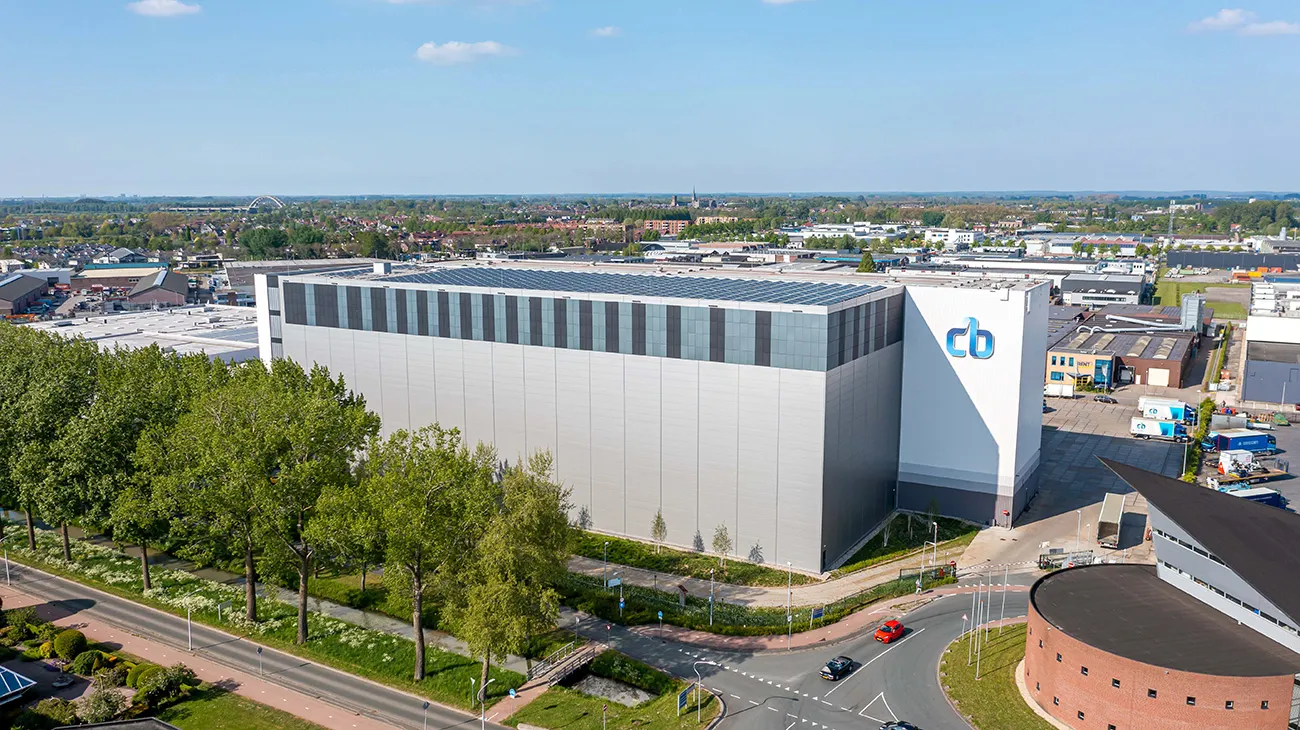
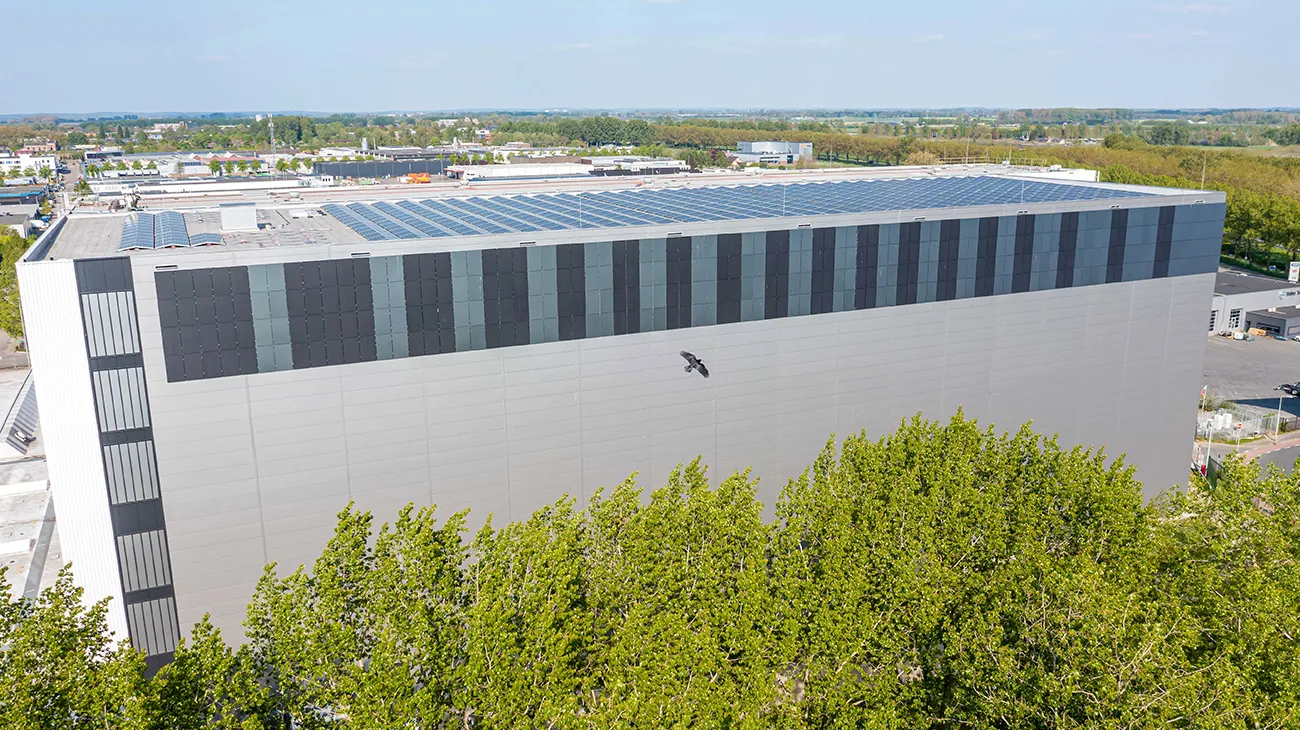
The new, fully automated warehouse of Centraal Boekhuis in Culemborg generates a large part of its own energy. Not only is the roof covered with solar panels, the façade is also fitted with special PV façade panels from German manufacturer Grenzebach Envelon. Varying the colours of the glass-glass panels gives the façade a design that references the barcode required for books.
Energiebreed has been advising Centraal Boekhuis on its energy supply since 2014. “When the new-build project was first discussed, we were asked to develop the energy concept for the solar panels,” says Franc Hoogstede of Energiebreed. “The energy concept is often excluded from the contractor’s scope because of its volatility, the associated investment, potential financing arrangements and so on. Based on the client’s wishes and requirements, we then carried out a feasibility study for a combined roof and façade installation of PV panels. Centraal Boekhuis considers it important to make its sustainability ambitions visible to the outside world.”
476 modules
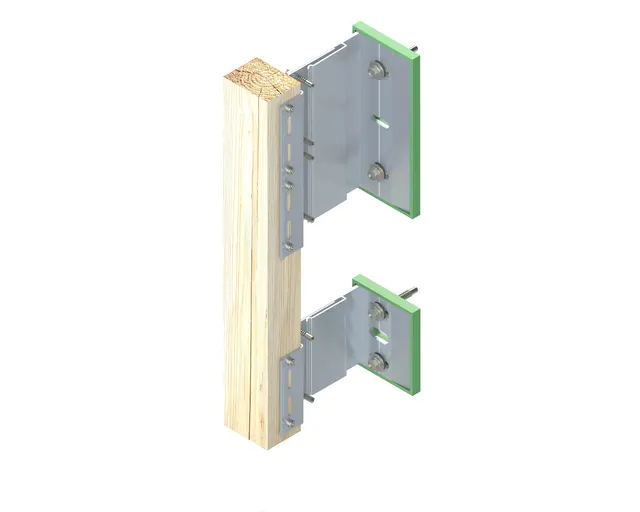
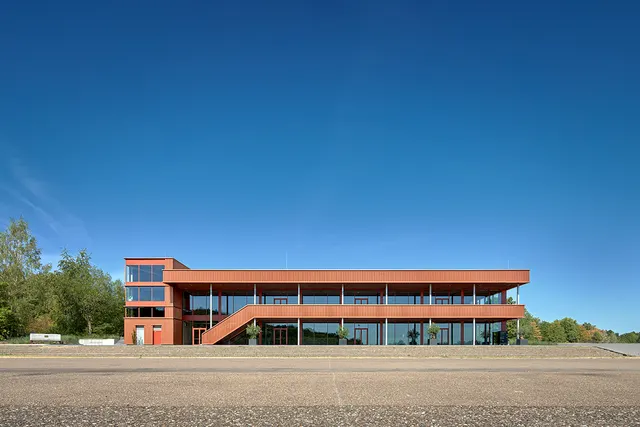
The new Centraal Boekhuis building is a substantial structure, approximately 100 metres long, 30 metres wide and 32 metres high. The façade is clad in sandwich panels, with PV façade panels covering the upper band. “The sandwich panels are suitable for the (subsequent) installation of PV panels,” says Marc de Winter, PV façade systems consultant at Grenzebach Envelon. “We also had the supporting structure for the PV panels independently assessed for structural performance. The building had already been made wind- and watertight. The PV façade panels were then fixed ‘invisibly’ in a barcode-like pattern devised by the architect. A total of 476 standard modules have been installed on the east and south façades, alternating between light grey and anthracite. This amounts to 834 m2 of PV façade panels, with an installed capacity of 135 kWp.”
Anti-reflective
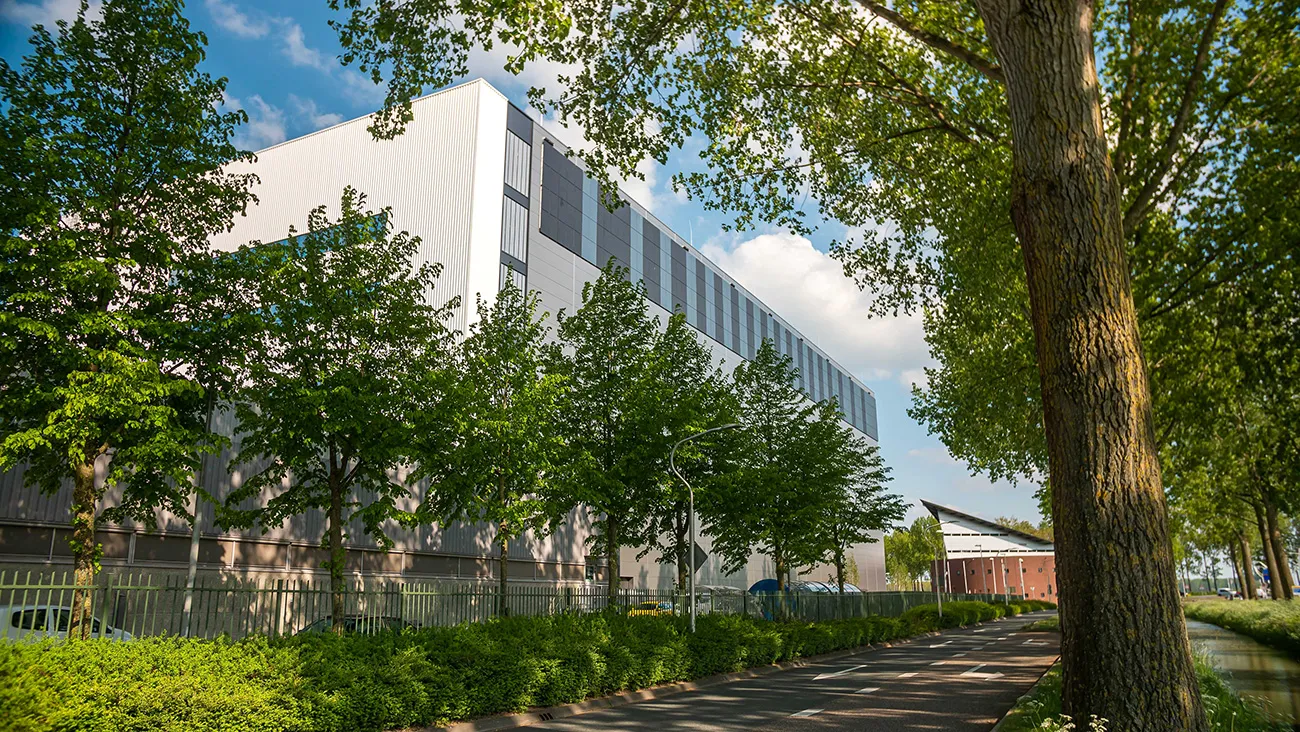
Grenzebach Envelon manufactures the PV façade panels at its own factory in Asbach-Bäumenheim, Germany. “These are fire-safe glass-glass panels which, including the mounting system, meet fire class B requirements,” says De Winter. “The panels are available in ten different colours and can be produced in almost any size required. The glass is satin-finished and therefore anti-reflective, preventing disturbing glare for neighbouring buildings or road users.” Hoogstede says this is a definite advantage. “The Grenzebach Envelon concept has been developed specifically for façades, and you can tell in every detail. This project has certainly whetted our appetite for more.”
The PV façade panels are expected to generate around 100 MWh per year. Combined with the output of the PV panels on the roof, this is estimated to produce 600 MWh per year.
Question about this story? Ask your question
Keep following this
Get an email when a new story is published. No account needed.
- ThemeFacade design and construction
- SubjectFaçade cladding