Industrial façade concept combines speed, quality and design freedom
Text Susan PeekImage Koen Spaansen, Joseph Macalling
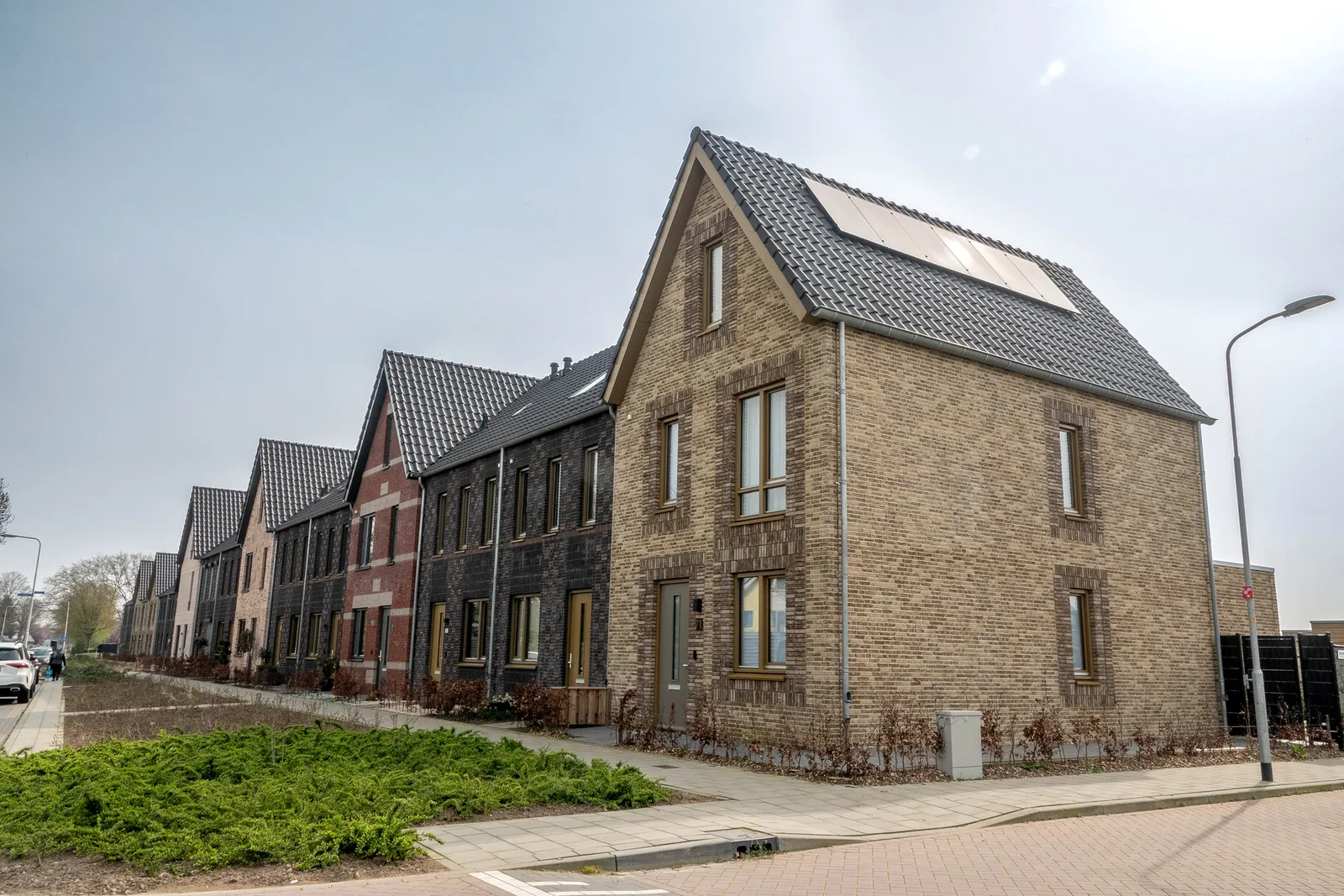
combines speed, quality and technical control
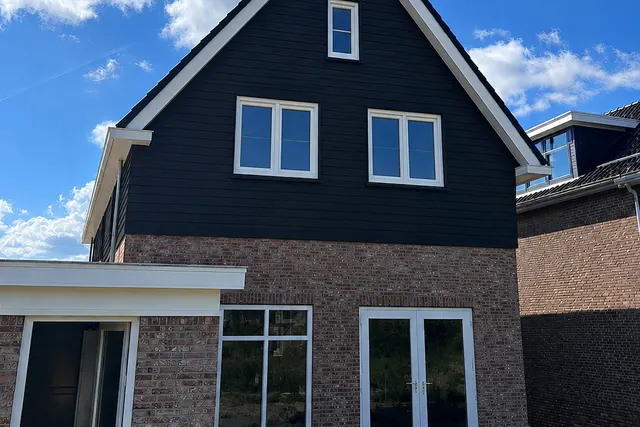
Prefabrication is still often associated with standardisation and limited design freedom. However, Spaansen Bouwsystemen shows that an industrial façade concept can allow for variation while giving greater control over quality and construction. By combining concrete, insulation and ceramic brick slips in one system, the result is a façade that is almost indistinguishable from traditional brickwork, but is built in a fundamentally different way.
Spaansen is celebrating its 80th anniversary this year and developed Gevelklaar in 2020: a prefabricated façade element that integrates several functions. “We supply more than just a concrete wall, we supply a fully finished element,” says Thom Spaansen, who is responsible for production. “It includes insulation, brick slips, window frames and finishing. This shifts a large part of the work from the construction site to the factory.”
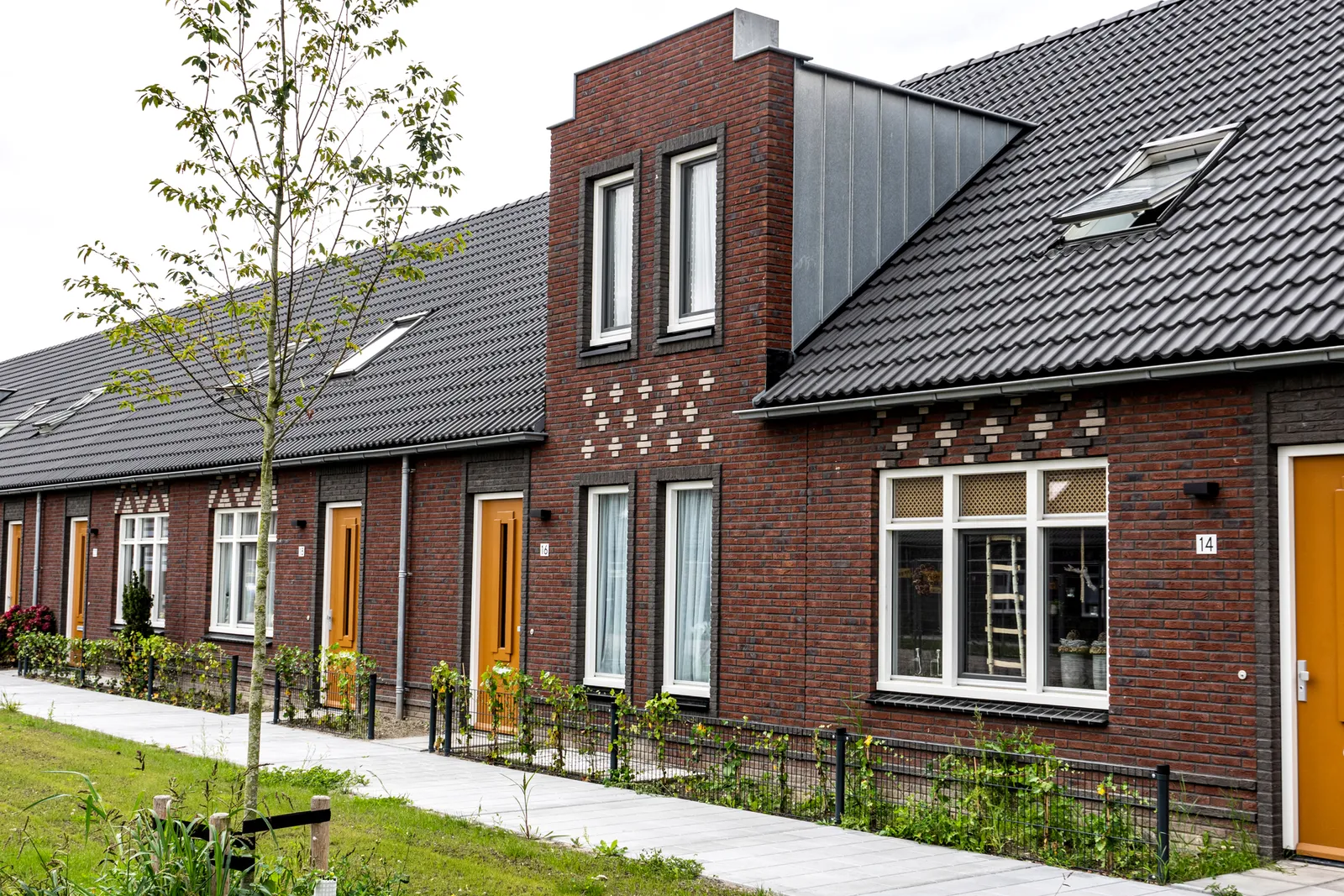
Integrated façade element
The system is based on a concrete wall, to which insulation and brick slips are applied. Commercial director Aike Minnes explains: “Because the insulation and brick slips are attached to the concrete wall, only a narrow concrete upstand is needed at the bottom on the foundation.” As the complete assembly is lighter than traditional brickwork, foundations can be designed to carry less weight. “This means you can optimise at an early stage, from the foundation beam to the load-bearing structure,” says Minnes.
Flexibility in the production process
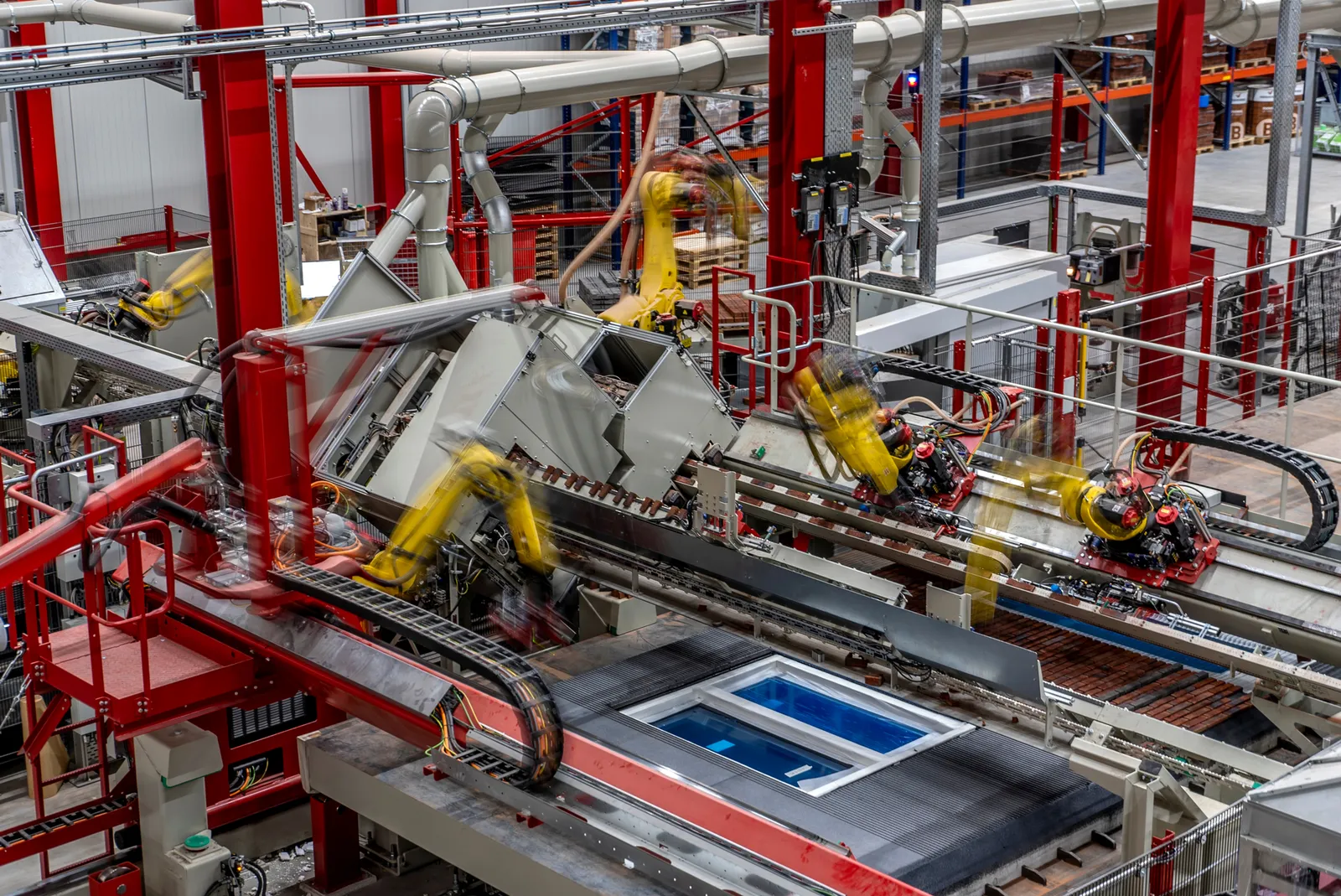
Although the system is manufactured industrially, there is plenty of scope for variation. “We are not tied to standard sizes and can create different bonds: stretcher bond, stack bond and block bond. We can also vary colours and thicknesses at element level, because the robot-controlled production line can process several variables at once,” says Minnes.
Developed in collaboration with the market
The Gevelklaar concept was developed in close collaboration with contractors and supply-chain partners. “We asked our customers what they needed and where they saw the added value,” says Minnes. This collaboration continues to shape the ongoing development of the concept. New insights from projects are fed back to production and engineering. Quality is also assured through established partnerships, including with Vandersanden for the supply of brick slips and adhesive.
Quality is key
As most of the process takes place in the factory, quality is easier to control. “We manufacture in controlled conditions and inspect everything before it goes to the construction site,” says Spaansen. This is also reflected in certification: the system now holds a KOMO certificate.
The company is also looking at further digitalisation of quality control, for example using AI. “And we supply and install the elements ourselves, so we maintain control over the end result and significantly reduce the risk of defects and rework.”
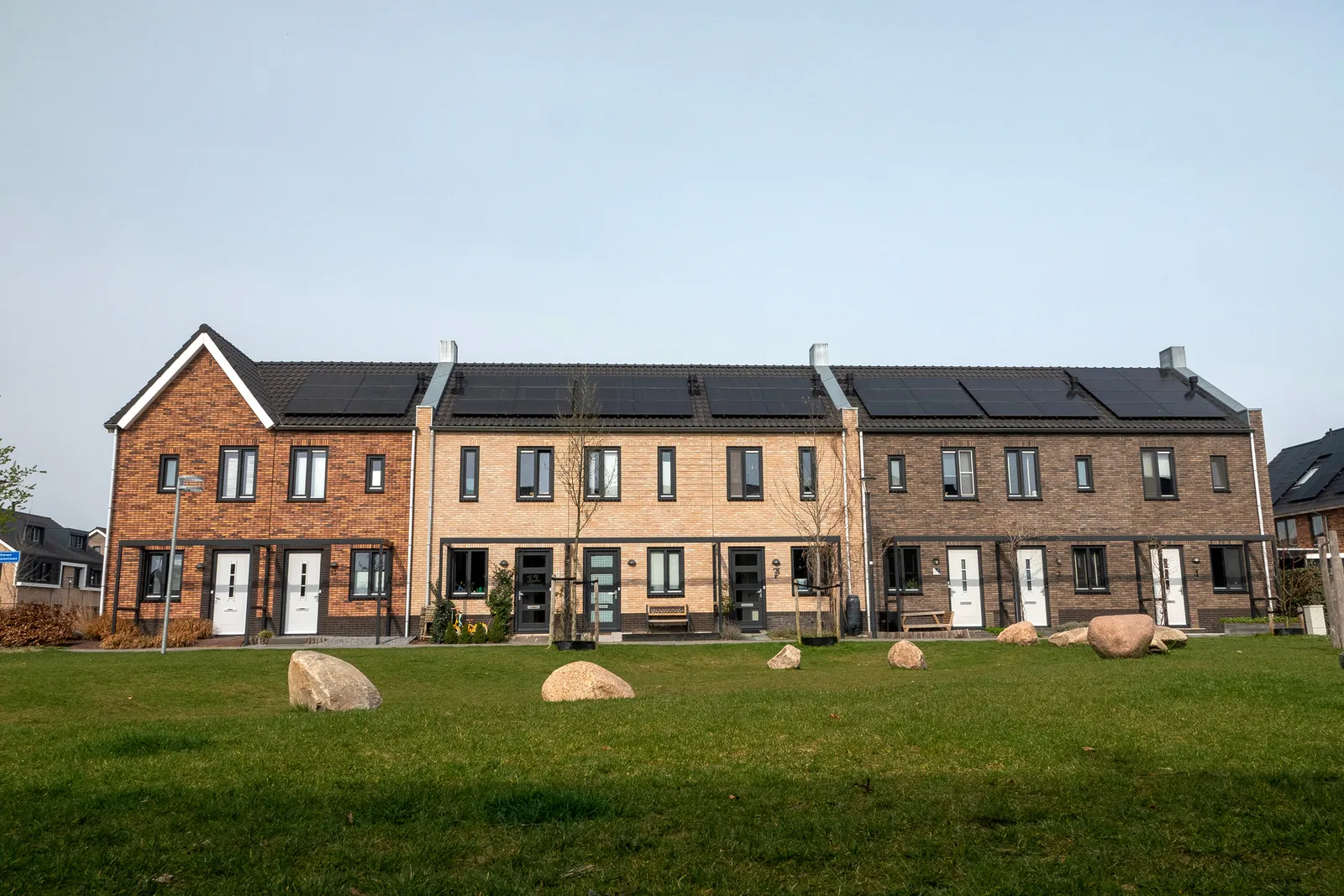
Sustainability in both product and process
According to Spaansen, the sustainability gains do not lie in a single component, but in the combination of product and process: “For example, we have developed the Eco Wall concrete wall, Vandersanden is working on eco-slips that reduce cutting waste, and on pressed brick slips that absorb CO2 during production.”
The process is at least as important. “Because we carry out much of the work in the factory and deliver the elements complete, there are fewer transport movements, fewer people on site and a shorter construction period,” says Minnes. “That reduces emissions as well as the cost of defects and rework.”
Another important advantage of the prefabricated approach is predictability. “With our production line and robotics, we are less dependent on labour on site,” says Minnes. “This also makes the system more stable in terms of price in the future.”
Een zakelijke vraag aan Spaansen Bouwsystemen? Get in touch
Companies in this story

Keep following this
Get an email when a new story is published. No account needed.
- ThemeFacade design and construction
- SubjectFaçade cladding
- CompanySpaansen Bouwsystemen