Once a façade, always a façade
Text Roel van GilsImage VKG
Towards a collective take-back system
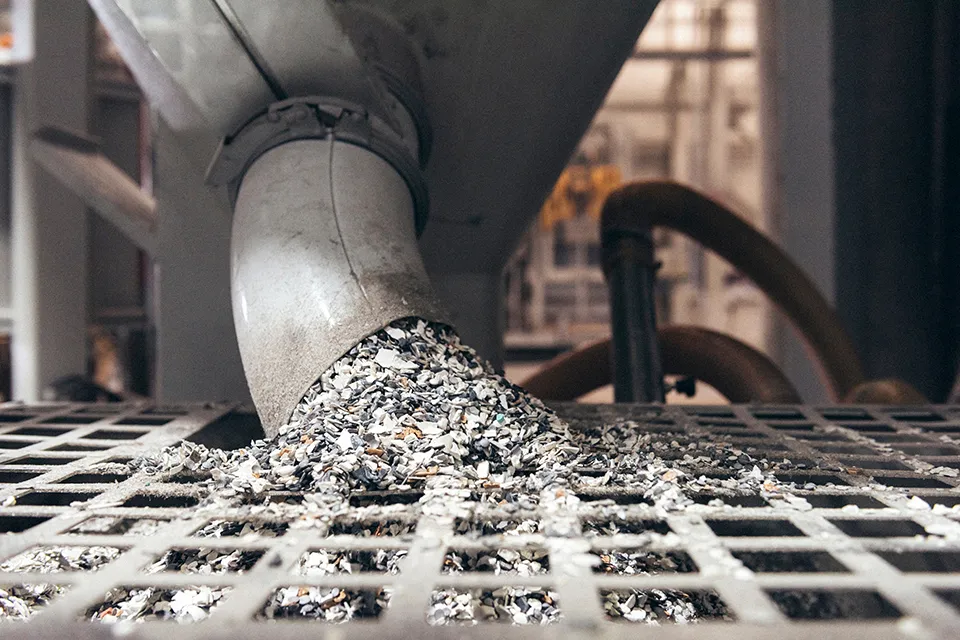
By 2050, the Netherlands aims to be fully circular. A circular economy calls for sustainable reuse and innovative construction. Steps are currently being taken across all areas of construction to make the building process more sustainable, with façade construction very much leading the way. The plastics industry is already well advanced in this area and recognised the potential of reusing end-of-life plastic window frames 20 years ago, through the now widespread VKG Recycling System. Work is now under way on a collective take-back system as part of the Circular Façade Economy, based on the principle: once a façade, always a façade.
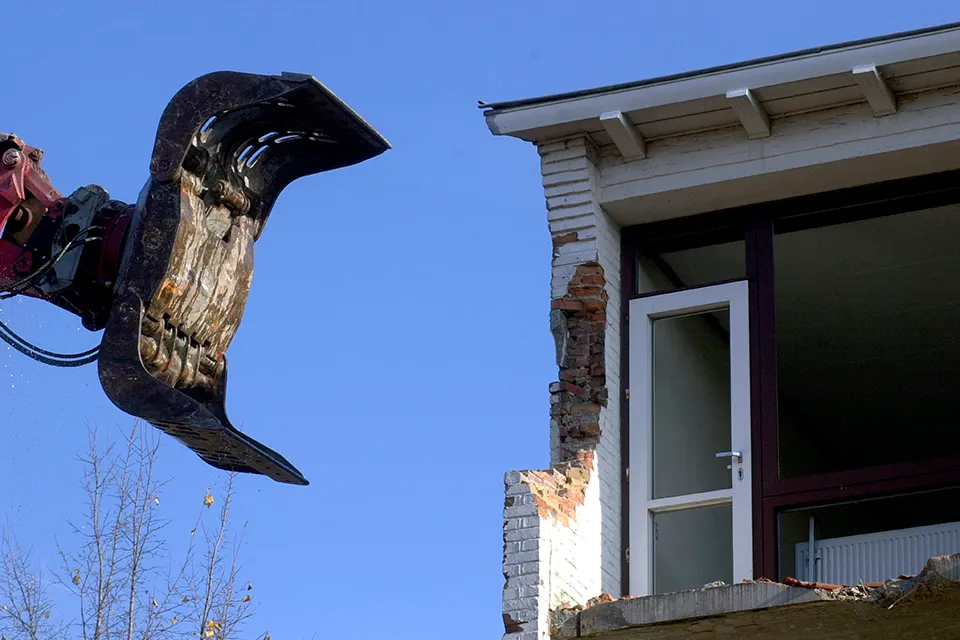
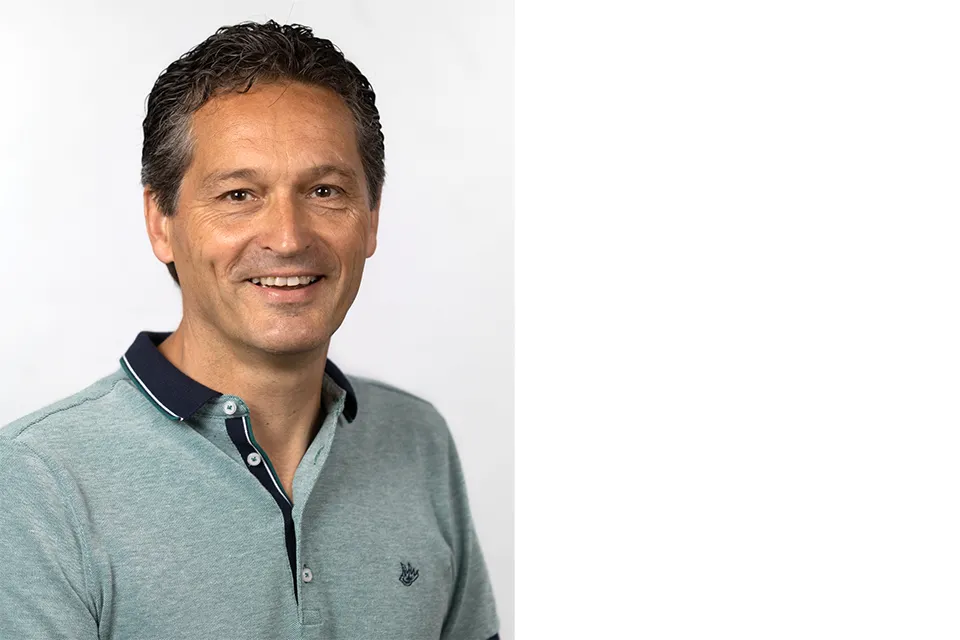
End-of-life plastic window frames have long been collected through the VKG Recycling System and processed into valuable raw materials for new frames. “The recycling system was set up with the aim of recycling 100% of old plastic window frames, while also bringing offcuts and residual waste back into the supply chain. We are now at around 90% for the recycling loop,” says Edwin van Houten, sector manager at VKG. “VKG members understand the importance of this, but it is also important to inform the rest of the construction supply chain. Contractors, housing associations and property developers can all make a valuable contribution.”
Roadmap to 2030
The latter could get a boost thanks to the Circular Façade Economy, an initiative by five trade associations in the façade sector. Alongside the Vereniging Kunststof Gevelelementenindustrie (VKG), they are the Vereniging Metalen Ramen en Gevelbranche (VMRG), Nederlandse Branchevereniging voor de Timmerindustrie (NBvT), Bouwend Nederland Vakgroep Glas and Algemene Branchevereniging Hang- en Sluitwerk (VHS). The aim is to preserve the highest possible quality of façades, façade products and materials for the next cycle. This brings us a step closer to the ambition of making material that once formed a window, frame, door or curtain wall part of a façade in a new building. Edwin says: “The roadmap to 2030, with its targets, agreements and activities, is set out in a chain agreement signed by the Ministry of Infrastructure and Water Management and the Ministry of the Interior and Kingdom Relations. The ministries have created a growth fund so that we can work together to achieve the targets.”
Collective take-back system
One of those targets is to set up a collective take-back system for façades, similar to the VKG Recycling System but with a broader scope and a wider range of materials. “We are currently mapping the situation as it stands,” says Edwin. “The next step is to work out the material loops and explore options and synergies with the other parties for setting up the collective take-back system. Collection and recycling are already well organised for plastic and aluminium. People know where to take them for recycling. Wood, on the other hand, is still too often disposed of as construction waste and incinerated. We want to change that. Just like plastic and aluminium, wooden façade components and hardware should be collected, sorted, reprocessed and put back into use. That may also require a change in behaviour and a new business model, so that there is an incentive to offer construction materials for reuse, including by private individuals. We are working hard on that now.”
Edwin expects the VKG Recycling System to remain largely unchanged. “In time, though, there will be synergies with the loops for other façade materials,” he says. “We are also involving our members very closely. Not just in collecting materials, but above all in using recycled content. At present, a new plastic window frame contains an average of around 25-30% recycled content, but our target is to use an average of 50% recycled content by 2030.” A limited supply is a challenge. Plastic window frames stay in place for too long. Edwin says VKG is encouraging housing associations and private individuals to replace the old three-chamber systems from the 1980s and 1990s with modern, highly insulating systems. “It is an environmentally conscious and sustainable choice, especially when you consider that the old frames will then be 100% recycled.”
Question about this story? Ask your question
Keep following this
Get an email when a new story is published. No account needed.
- ThemeCircular facades with lower environmental impact
- SubjectFaçade cladding