Revolutionary high-performance insulation core, now suitable for façade panels
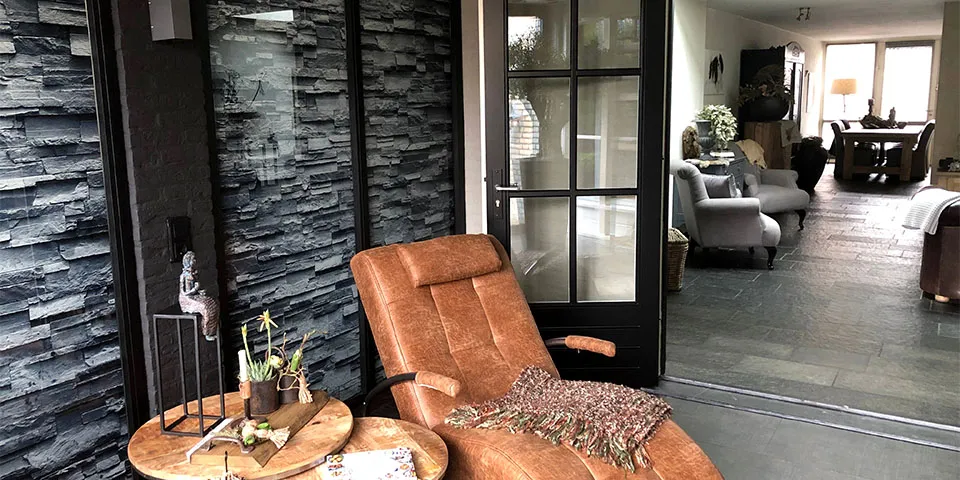
As energy performance requirements continue to rise, so too does demand for sandwich panels that can meet them. iQ prof offers a solution: a revolutionary high-performance insulation core that can replace conventional insulation cores or be used in combination with them.
iQ vip [R]evolution® is a vacuum insulation panel with a microporous core enclosed in a thin, gas-tight casing (PE film). Ben Arts, manager at iQ Panel and iQ Prof, says the product is becoming increasingly well known and demand for it is growing.
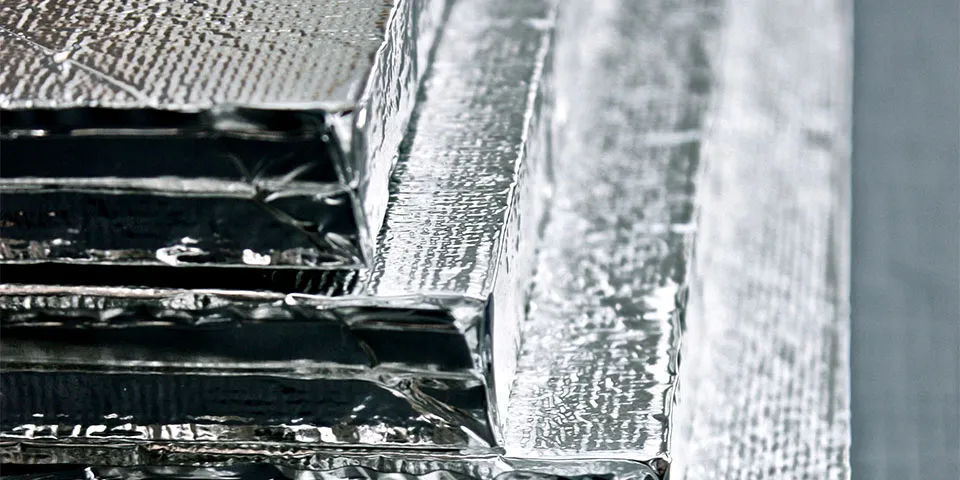
iQ vip [R]evolution® is a vacuum insulation panel with a microporous core enclosed in a thin, gas-tight casing (PE film). With a core thickness of just 25 mm, the panels achieve a U-value of 0.28 W/(m2.K). This is equivalent to an RC-value of 3.5 m2 K/W.
More stringent requirements
“Stricter fire safety standards and more demanding requirements for sound and thermal insulation have driven major developments in sandwich panels in recent years.” Arts has seen sandwich panels used in aluminium, plastic and timber elements in commercial construction, new-build housing and renovation. “However,” he says, “most sandwich panels are made using the most common traditional insulation materials, such as XPS, PUR or mineral wool. The Building Decree now requires insulation values of 3.5 m2.K/W and above for spandrel panels. This means traditional sandwich panels would generally need to be up to 200 mm thick to achieve the same insulation values. They would also be heavier, making them more difficult to handle.” The rebates in plastic or aluminium profiles have a limited standard clamping depth, so panels of this thickness would not fit. This would mean additional costs for materials, production and logistics. Thick, heavy panels also have aesthetic drawbacks: the cassettes for these panels require deeper folds, which protrude into the interior of the building. The industry was therefore ready for an alternative!”
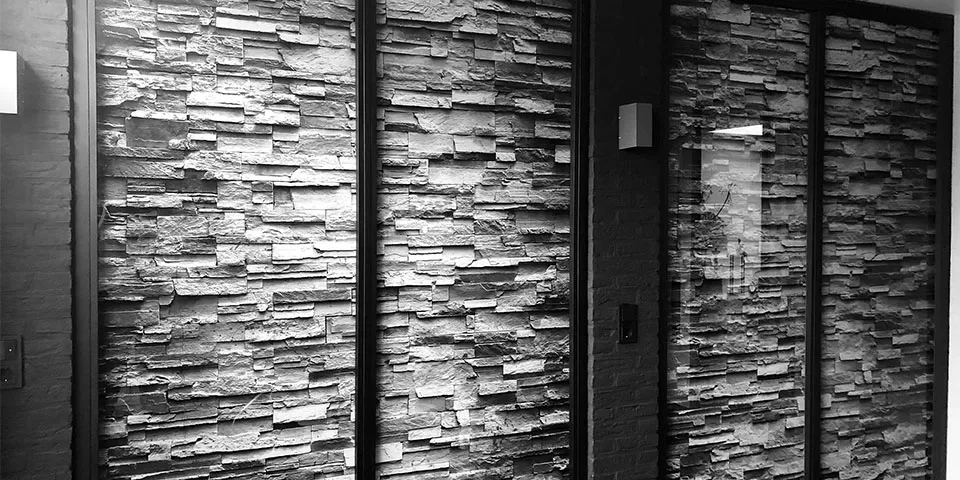
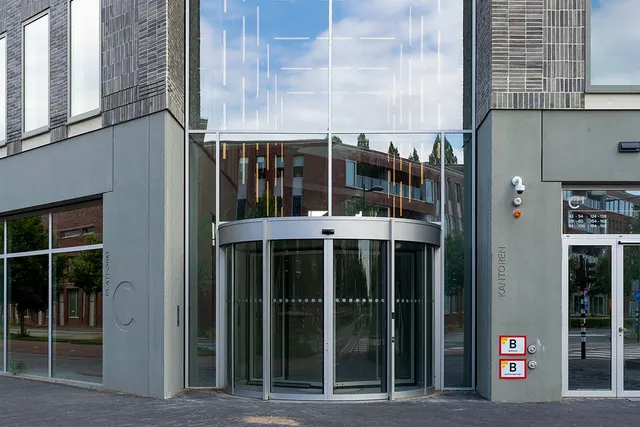
An example of a multifunctional façade panel with Artlite glazing featuring a brick-slip print, incorporating the high-performance insulation core iQ Vip[R]evolution®.
Exceptionally thin and lightweight
To meet the so-called ‘passive house’ standard in the future, iQ prof uses the high-performance insulation material iQ vip [R]evolution® in its thin, multifunctional façade panels. “The unique combination of minimal thickness, low weight and extremely high insulation value makes the panels particularly suitable for both new-build and renovation,” says Arts. “In the renovation of traditional buildings, there is often little room for thicker panels. They are also an excellent alternative to conventional insulation cores in commercial construction, where saving space is a major consideration.”
Exceptional thermal insulation performance
As well as saving space, the iQ vip [R]evolution® offers a number of advantages over traditional panels, thanks above all to its exceptionally high insulation performance. “With a core thickness of just 25 mm, the panels already achieve an RC-value of 3.5 m2K/W,” Arts explains. The lambda value of iQ vip [R]evolution® is 0.007 W/m.K.
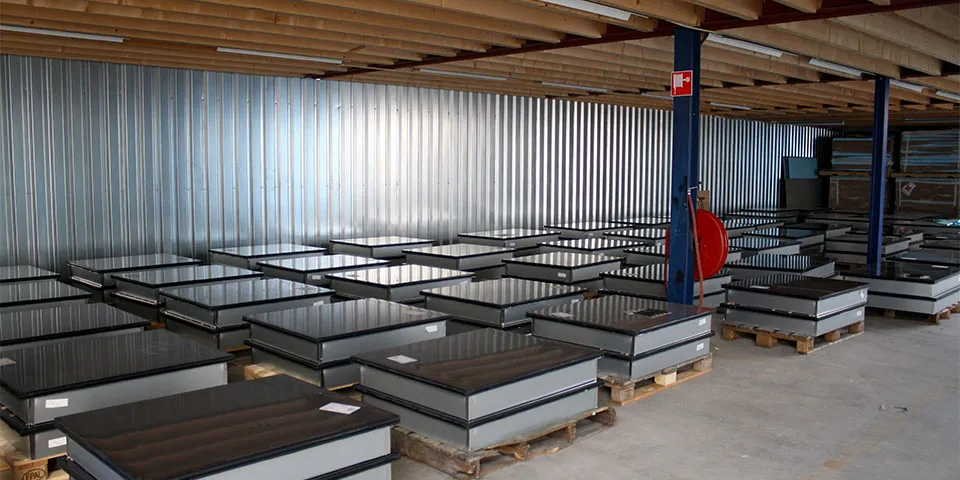
Sandwich panels that need to meet high insulation values and have a visible finish on the inside of the window frame or façade element are often made in a custom-folded aluminium or steel cassette.
Aesthetic appeal
At iQ prof, façade panels can be assembled to meet thermal, fire-resistance and acoustic requirements. “They can even be used indoors, thanks to their distinctive aesthetic. One option is to use Artlite glazing.” Arts explains: “This means a panel can now be made from two enamelled toughened glass panes with an iQ vip [R]evolution® core.” Artlite glazing is created by applying a digital photo print to extra-clear float glass, then adding an extra enamelled coating to prevent see-through. This allows the panel to be fully bonded, making it suitable for use as a façade element. “It gives architects an unprecedented range of options for giving the interior finish of façade panels a completely different character,” Arts concludes.
Question about this story? Ask your question
Keep following this
Get an email when a new story is published. No account needed.
- ThemeFacade design and construction
- SubjectFaçade cladding